GR4VY

Payment Gateways vs. Payments Orchestration: choosing what’s best for your business


In today’s digital marketplace, discerning between Payment Gateways and Payments Orchestration can be a game-changer for your business. While initially, these terms might seem technical, they are pivotal instruments for every online merchant striving for success. Let’s embark on a journey to better understand these concepts, covering their practical implications in a way that resonates with you as a business owner.

Payment Gateways are often related as the trusty bridge in your payment stack, they play a pivotal role in securely processing payment information from your customer to your bank. They act as a gateway, safeguarding sensitive data as it travels through the digital landscape. On the other hand, Payments Orchestration takes this role to the next level. It’s not just about the bridge; it’s about optimizing the entire journey, ensuring every step from payment journey, from collecting the card data all the way to the payment confirmation is seamless and efficient.

Now, let’s get better acquainted with the world of Payment Orchestration.  Picture this tool as your virtual conductor for the end-to-end payment journey. Its magic lies in its ability to streamline and fine-tune the entire payment process. It functions like a wizard’s wand, seamlessly integrating various payment methods, processors, and banks into a harmonious experience. And that’s not all – it also serves up insightful data, empowering you to make informed, business-savvy decisions.

What is the difference between gateway and orchestration?

Alright, let’s start with the basics. A payment gateway acts like a trusty bridge that securely carries payment info from your customer to your bank. It’s like a bouncer for sensitive data, making sure everything arrives safely. Now, payments orchestration is like the wizard behind the scenes. It’s not just about the connection, it’s about optimizing the entire journey, from the checkout payment to the payment confirmation.

What is a payment orchestrator?

A payment orchestrator stands as a cornerstone in the world  of digital transactions, offering a sophisticated solution to streamline and optimize the entire payment process. It serves as a centralized platform, integrating a diverse array of payment methods, processors, and banking institutions. This integration serves a crucial purpose, ensuring that payments flow seamlessly and efficiently from the customer’s end to the merchant and onward to the acquiring bank.

Beyond its integration prowess, a payment orchestrator yields a wealth of invaluable data and analytics. This analytical capability empowers merchants to make well-informed, data-driven decisions, thereby enhancing the overall efficiency and effectiveness of their payment operations.

Furthermore, a payment orchestrator put business in control of their payment stack, ofering the capability of deciding how to route and retry your payments, while optimizing your approval rate. It functions as a linchpin for businesses seeking to offer a diverse range of payment options. It ensures that independently of the payment method chosen by a customer—be it credit cards, digital wallets, buy-now-pay-later or alternative payment methods—the transaction process remains both secure and optimized.

What is the difference between payment processing and orchestration?

Payment processing and orchestration are two integral facets of the online transaction process, each playing a distinct yet interconnected role in facilitating seamless payments.

Payment processing is the process that ensures every step of the payment flow is executed flawlessly. In payment terms, this translates to the authorization, capture, and settlement of transactions. Payment processors work diligently behind the scenes to ensure that funds are transferred securely and accurately, serving as the backbone of the payment process.

On the other hand, payment orchestration elevates this process to a grand optimized performance. It works with payment processors to encompasses a more comprehensive spectrum of activities beyond the technicalities of processing. Much like a choreographer organizing an entire dance performance, payment orchestration orchestrates the entire payment flow, while puting merchants in control of their payment strategy. This involves selecting the most fitting payment methods for each specific transaction, helping to create a unique user experience. Payment orchestration seeks to provide customers with a flawless and gratifying payment experience.

In essence, while payment processing lays the foundation for secure transaction handling, payment orchestration takes it a step further by orchestrating the entire performance. It ensures that each step of the payment journey is executed with finesse, resulting in a seamless and gratifying experience for both merchants and customers alike. Understanding and leveraging the synergy between payment processing and orchestration is key to optimizing your online payment operations.
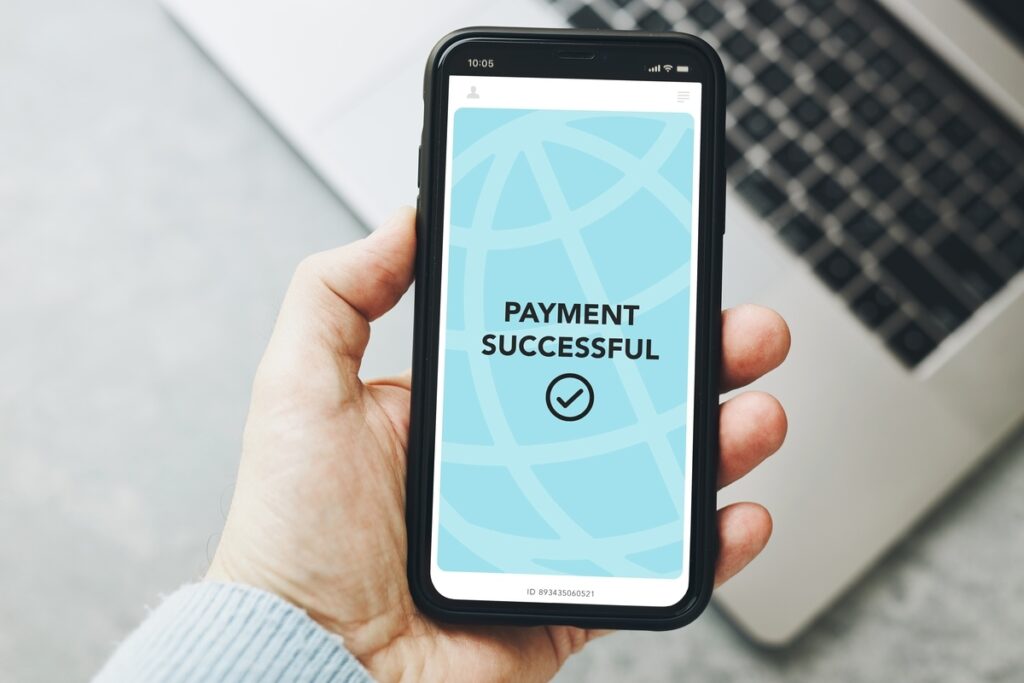
Payment Gateways vs. Payments Orchestration

What is the difference between a PSP and a gateway?

Both Payment Service Provider (PSP) and a payment gateways contributes with distinct functionalities to ensure a seamless payment process.

Think of a Payment Service Provider (PSP) as the trusted processor in your payment stack. It is a versatile ally enabling merchants to embrace a diverse spectrum of payment methods, ranging from conventional credit and debit cards to modern digital wallets. PSPs acts as an intermediary, proficiently handling payment processing, authorization, and settlement. With its extensive repertoire of accepted payment methods, a PSP empowers businesses to cater to a broad customer base with varying preferences.

In contrast, a payment gateway serves as the secure conduit that ensures payments from your customers are transmitted safely and reliably to your bank for processing and eventual settlement. Much like a vigilant sentry, a payment gateway employs advanced encryption protocols to safeguard the integrity of sensitive payment information as it traverses the digital landscape. This assures merchants and customers that their financial data remains protected throughout the transaction process.

Moreover, while a PSP primarily focuses on facilitating and accepting diverse payment methods, a payment gateway plays a more specialized role in securely transmitting payment information from the customer to the acquiring bank. It is a pivotal link in the payment chain, ensuring that sensitive data remains protected.

What are the four basic provider payment systems?

Acquires: These financial institutions have a licence from the crad schemes to process and settle payment transactions, helping you collect payments from your customers. They receive funds from your customer’s bank and pop them into your account, making sure everyone gets their fair share.

Issuing Banks or Issuers: These are the banks that issue credit or debit cards to your customers. They play the role of decision-maker, approving or declining transactions based on available funds.

Payment Processors: The tech maestros ensure your payment details travel securely. They make sure the funds flow smoothly, kind of like the technical backbone of the payment process.

Payment Gateways: These are your trusty guards, ensuring payment info is protected from prying eyes while they connect you to multiple players. 

What are the classifications of payment systems?

Payment systems can be categorized into several archetypes predicated on their distinctive functionalities and operational modalities:

Card-Based Payment Systems: These are like the OGs of online payments, involving credit or debit cards. Think Visa, Mastercard, and American Express – they’re the big names in the card industry.

Bank Transfer Systems: Perfect for larger transactions, this system lets funds flow directly from one bank account to another. It’s like a VIP pass for big-money moves.

Digital Wallets: These are like magic wallets that securely store payment info. With players like PayPal, Apple Pay, and Google Pay, they make quick transactions a breeze.

Cryptocurrency Payment Systems: In recent years, the emergence of cryptocurrencies, led by stalwarts like Bitcoin and Ethereum, has heralded a paradigm shift in digital payments. These decentralized digital currencies, predicated on blockchain technology, are revolutionizing the very fabric of financial transactions.

Payment Orchestration vs Payment Gateway: making transactions a breeze

While both serve critical roles in the payment process, they operate on different tiers of functionality, each contributing significantly to the efficiency and security of digital transactions.

A Payment Gateway is the initial sentinel in the transaction journey, ensuring that payment data is securely transmitted from the customer to the merchant’s acquire. It acts as a digital bridge, employing advanced encryption protocols to safeguard the integrity of sensitive financial information. Essentially, it’s akin to the secure pipeline through which payment details travel, offering both merchants and customers the assurance of a protected transaction environment.

Now, enter Payment Orchestration—a sophisticated orchestrator that elevates the payment process to a level of dynamic optimization. It goes beyond the role of a gateway by actively directing and managing transactions in real-time. Think of it as a seasoned navigator, continually assessing the optimal route for each transaction based on a constellation of factors. These include cost-effectiveness, transaction success rates, and the overall customer experience. Much like a GPS system provides real-time guidance on the best path to a destination, Payment Orchestration dynamically guides payments through the most advantageous channels.

This orchestration capability is akin to a conductor guiding a symphony. It ensures that each transaction is routed with precision, considering variables such as currency, location, and payment method. The aim is to maximize efficiency, minimize costs, and enhance the overall satisfaction of both merchants and customers.

By integrating a Payment Orchestration strategy into their payment process, businesses gain a strategic edge. It empowers them to respond dynamically to changing circumstances, ensuring that transactions are executed optimally in real time. This enhances the customer experience and contributes to the bottom line by optimizing costs associated with payment processing.

How does payment orchestration work?

At its core, Payment Orchestration leverages cutting-edge technologies, including Artificial Intelligence (AI) and machine learning, to scrutinize transaction intricacies with precision. Picture a powerhouse of algorithms operating with the finesse of a seasoned maestro, meticulously examining crucial details such as transaction volume, currency type, and the location of the customer. These algorithms are not static; they evolve and adapt, learning from vast datasets to make refined decisions in real time.

This dynamic analysis is akin to a master navigator skillfully assessing various routes to determine the most efficient one for your payment. Just as a GPS system calculates the quickest and most cost-effective path for your journey, Payment Orchestration intelligently identifies the optimal course for your transaction to take.

The orchestration process is astute in its decision-making. It considers multiple factors, including cost-effectiveness, transaction success rates, and the overall customer experience. This way, it ensures that your payment doesn’t just reach its destination—it does so swiftly, efficiently, and at the lowest possible cost.

Furthermore, Payment Orchestration is not confined to a one-size-fits-all approach. It tailors its decisions based on the specific nature of each transaction. For instance, a high-value international transaction may be routed differently from a routine domestic purchase. This adaptability ensures that each payment journey is optimized according to its unique characteristics.

By leveraging this technology-driven orchestration, businesses can significantly enhance their operational efficiency. It minimizes the likelihood of payment hiccups and delays while also providing cost savings through intelligent routing decisions. Additionally, customers benefit from a streamlined and hassle-free payment experience.

What is a payment aggregator?

A payment aggregator ascends as a consummate service provider, allowing merchants to embrace a diverse array of payment methods through a singular, streamlined integration. This visionary approach obviates the need for merchants to embark on the arduous journey of integrating with each individual provider, exemplifying a quantum leap in operational efficiency.

Gr4vy leverages cutting-edge technology as a cloud-based platform to streamline and optimize the entire payment process. Its dynamic orchestration capabilities go beyond the conventional, ensuring that every transaction is executed with precision and efficiency. By intelligently analyzing transaction details and utilizing advanced algorithms, Gr4vy put you in control of your payment strategy and helps you to select the optimal route for your payments, guaranteeing a seamless and secure journey.

Empower Your Business with Gr4vy

Gr4vy exemplifies a transformative approach to payment orchestration, one that empowers merchants to embrace a diverse array of payment methods through a singular, streamlined integration. This visionary solution eliminates the need for merchants to navigate the complex landscape of individual integrations, representing a quantum leap in operational efficiency. By choosing Gr4vy, you’re not just selecting a payment platform; you’re adopting a powerful tool that revolutionizes your payment experience, ensuring a seamless, secure, and inclusive payment process for both you and your customers. All through a no-code dashboard. 

Get in Touch with Gr4vy Today

Ready to embark on a new era of streamlined payments? Contact Gr4vy today to explore how our cloud-based payment orchestration platform can revolutionize your business. Whether you’re looking to enhance operational efficiency, offer a diverse array of payment options, or bolster security measures, Gr4vy stands ready to be your trusted partner in the world of digital commerce. Don’t miss out on this opportunity to transform your payment experience. Reach out to Gr4vy now and embark on a journey toward seamless, secure, and efficient payments.


What is PCI Compliance: an updated guide for 2025

In this updated 2025 guide, we’ll cover the world of PCI compliance, breaking it down and elucidating its critical importance, especially for businesses handling credit card transactions. 

PCI compliance steps up to the plate, providing a robust shield of protection. Throughout this guide tailored for 2025, we’re set to embark on a comprehensive exploration of PCI compliance. We’ll demystify it, underscoring why it holds immense significance, particularly for businesses entrusted with credit card transactions. So, let’s dive in and get to the heart of the matter!

What PCI Compliant mean?

PCI compliant means adhering to the Payment Card Industry Data Security Standard (PCI DSS), a set of comprehensive security standards designed to ensure that all companies that accept, process, store, or transmit credit card information maintain a secure environment. Achieving PCI compliance signifies that a business has taken the necessary measures to protect cardholder data and reduce the risk of data breaches.

What is PCI Compliance and do I need it?

PCI compliance is a mandatory requirement for any organization that handles credit card transactions. Whether you are a small online retailer or a large multinational corporation, if you accept payment through credit cards, PCI compliance is non-negotiable. Failure to comply with PCI DSS can result in severe penalties, including fines and restrictions on processing credit card payments.

What is the PCI Compliance Process?

Achieving and maintaining PCI compliance involves a systematic process that includes several key steps:

Assessment: The first step is to identify and classify cardholder data, and then assess the security controls in place.

Remediation: Address any vulnerabilities or non-compliance issues identified in the assessment phase.

Validation: Conduct regular security assessments and penetration tests to validate compliance with PCI DSS.

Report: Submit compliance reports to the appropriate card brands and acquiring banks.

Maintenance: Continuously monitor and update security measures to stay compliant with evolving threats and standards.

What is PCI and what is used for?

PCI, short for Payment Card Industry, is a global consortium of major credit card companies, including Visa, MasterCard, American Express, Discover, and JCB. The PCI Security Standards Council was established by these companies to develop and enhance security standards for payment account security.

The primary purpose of PCI compliance is to protect cardholder data from being compromised. It sets forth a framework that ensures all entities involved in card transactions maintain a secure environment.

How do you know if you are PCI Compliant?

Determining whether your business is PCI compliant involves a thorough self-assessment or engaging a Qualified Security Assessor (QSA) to conduct a formal audit. The assessment evaluates various aspects of your payment processing systems, including network security, access controls, encryption, and more.

Using a QSA ensures an objective evaluation and provides a comprehensive report on your compliance status. It also offers expert guidance on any necessary improvements.

What makes a company PCI compliant?

Achieving and maintaining PCI compliance requires a multifaceted approach:

Network Security: Employ robust firewalls, secure configurations, and encrypted communications to protect cardholder data.

Access Controls: Implement strict access controls and unique user IDs to restrict access to sensitive information.

Regular Monitoring and Testing: Continuously monitor and test security systems and processes for vulnerabilities.

Security Policies and Procedures: Develop and enforce comprehensive security policies and procedures.

Incident Response Plan: Have a well-defined plan in place to respond to and mitigate security incidents.

What is PCI Compliance

What is PCI Compliance checklist?

A PCI compliance checklist is a detailed document outlining the specific requirements and best practices for achieving and maintaining PCI compliance. It serves as a roadmap for businesses, guiding them through the necessary steps and measures to ensure the security of cardholder data.

Is PCI Compliance required by law?

While PCI compliance itself is not a federal law, it is mandated by card brands like Visa, MasterCard, and others. Non-compliance can lead to fines and even the revocation of the ability to process card payments.

PCI Compliance requirements

The PCI compliance requirements encompass a wide range of security measures, including but not limited to:

  • Installing and maintaining a firewall configuration
  • Protecting stored cardholder data
  • Encrypting transmission of cardholder data
  • Using and regularly updating anti-virus software
  • Developing secure systems and applications

How to get PCI DSS certification

Obtaining PCI DSS certification involves the following steps:

Self-Assessment Questionnaire (SAQ): Complete the SAQ relevant to your business type.

External Vulnerability Scan: Conduct quarterly vulnerability scans if applicable.

Report on Compliance (ROC): Engage a QSA for a formal assessment and ROC, if required.

Submit Compliance Reports: Submit the necessary reports to the card brands and acquiring banks.

Maintain Ongoing Compliance: Continuously monitor and update security measures.

And that’s not all. Gr4vy has been proudly maintaining its PCI Level 1 certification, showcasing our steadfast commitment to upholding the highest standards of payment data security. This means that when you choose Gr4vy, you’re not just opting for a payment solution; you’re opting for a partnership that consistently meets and exceeds industry compliance benchmarks.

We understand that in today’s rapidly evolving digital landscape, security is paramount. That’s why Gr4vy continuously invests in cutting-edge technologies and best practices to ensure your payment data remains safeguarded at all times.

If you’re eager to explore how Gr4vy can further fortify your payment processing security, we warmly invite you to get in touch. Our dedicated team is here to provide you with insights and solutions tailored to your unique business needs. Your journey towards enhanced payment security and seamless transactions begins with a conversation with Gr4vy. We look forward to being your trusted partner in payments.

Implementing 3D Secure: A guide for merchants and consumers

In a digital age dominated by online transactions, ensuring security is paramount for businesses and consumers alike. This is where 3D Secure steps in as a formidable protocol, designed to fortify credit and debit card transactions with an additional layer of protection.

Understanding 3D Secure

At its core, 3D Secure is a security protocol that mandates cardholder authentication during the payment process. By demanding the input of a password or the use of biometric data like fingerprints, it creates a formidable barrier against unauthorized transactions. This multi-step authentication process ensures peace of mind for both the merchant and the customer.

Navigating the authentication process

Initiating the payment

When a customer initiates an online purchase, they are seamlessly redirected to a page hosted by their card issuer.

Authentication ritual

On this dedicated page, the customer engages in an authentication ritual, entering their password or employing biometric data to assert their identity.

Greenlight for authorization

Once authenticated, the transaction proceeds smoothly, with the confidence that it’s shielded from potential security breaches.

The transformation for businesses and consumers

Reinforced security: the bulwark against fraud

For merchants, safeguarding online transactions is not just a preference, but a necessity. 3D Secure drastically curtails the risk of unauthorized or fraudulent payments. Even if a malefactor gains access to card details, they’ll find themselves thwarted by the impervious 3D Secure authentication process.

Instilling customer confidence

Customers require a bedrock of trust when engaging in online transactions. The presence of 3D Secure reassures them that their financial interactions are fortified by an additional layer of security.

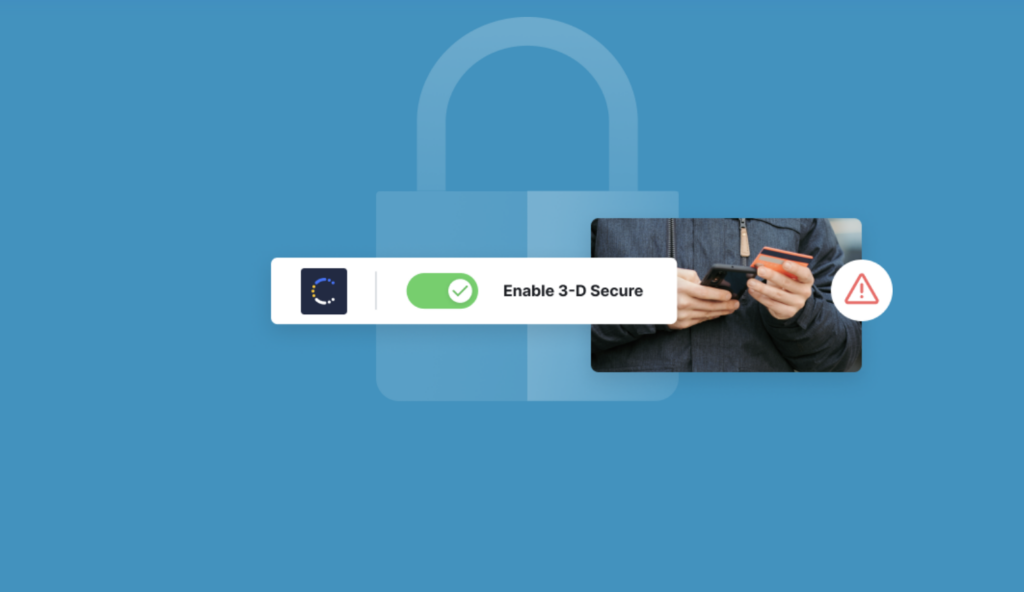
3d secure

Shielding customers: the core of 3d secure

The protective umbrella of 3D Secure extends not only over the merchant but, perhaps more importantly, over the customer. Their financial particulars are enshrouded in an impervious cloak, safeguarded from unauthorized use. This fosters a sense of security and trust that is invaluable in the world of online commerce.

Compliance: the cornerstone of trust

Adherence to industry standards and regulatory frameworks is non-negotiable in the world of digital transactions. 3D Secure is the compass that guides merchants and consumers alike towards compliance. By integrating this protocol, all parties ensure that their operations are conducted within the ambit of regulatory expectations.

Harmonizing with payment orchestration

In the symphony of payment orchestration, 3D Secure emerges as a pivotal note. Seamlessly woven into the payment flow, it elevates security without causing discord in the user experience. Merchants can confidently offer a secure payment gateway that not only meets but exceeds industry standards.

Integration demystified: implementing 3d secure

Individuals and businesses seeking to incorporate the fortification of 3D Secure into their operations can embark on a straightforward journey:

Liaise with the acquiring bank or payment service provider: Reach out to the acquiring bank or payment service provider, expressing your intent to implement 3D Secure.

Collaborate on integration: Work closely with the provider to seamlessly integrate the protocol into the payment gateway used on your platform.

Demystifying authentication: Visa and Mastercard

Activating 3D Secure with Visa or Mastercard is a streamlined process:

Engage your acquiring bank or payment service provider: Initiate contact with your acquiring bank or payment service provider.

Express interest in 3d secure implementation: Clearly communicate your desire to integrate 3D Secure into your payment gateway.

Collaborative integration: Work hand-in-hand with the provider to ensure a seamless integration.

Recognizing 3D Secure merchants

Customers can swiftly discern if a merchant has embraced 3D Secure through a simple authentication process during checkout. The presence of a 3D Secure prompt signifies that the merchant places a premium on security and is dedicated to shielding their customers’ transactions.

Exploring 3D Secure: Mastercard and Visa

What is 3D Secure Mastercard? 

Mastercard’s version of 3D Secure is a security protocol that adds an extra layer of protection to online transactions. It requires cardholders to authenticate themselves during the payment process, reducing the risk of unauthorized transactions.

What is 3D Secure debit card? 

3D Secure for debit cards functions in the same way as for credit cards. It provides an additional layer of security by requiring cardholders to enter a password or use biometric data to verify their identity.

What is 3D Secure app? 

The 3D Secure app is a tool provided by some card issuers to facilitate the authentication process. It allows cardholders to complete the authentication using their mobile device, adding an extra level of convenience and security.

What is 3D Secure Visa? 

Visa’s implementation of 3D Secure, known as Verified by Visa, is a security protocol that enhances the safety of online transactions. It requires cardholders to authenticate themselves, reducing the risk of unauthorized payments.

how to use 3d secure

Why you shouldn’t bypass 3D Secure

Bypassing the 3D Secure authentication process is strongly discouraged due to the critical role it plays in safeguarding online transactions. When a transaction skips this step, it leaves a vulnerability that could potentially be exploited by fraudsters. This security measure is purposefully implemented to shield both merchants and customers from the risks of fraud. 

By bypassing 3D Secure, the transaction essentially loses a crucial layer of protection, making it more susceptible to unauthorized access or fraudulent activity. This can lead to serious repercussions for both parties involved, including financial losses and potential damage to the trust and reputation of the merchant. Therefore, it is highly recommended to always go through the 3D Secure authentication process to ensure the highest level of transaction security.

How to activate 3D Secure Visa? 

To activate 3D Secure with Visa, merchants should initiate contact with their acquiring bank or payment service provider. They should express a clear interest in implementing the 3D Secure protocol. This step is essential for merchants who wish to enhance the security of their online transactions, providing an additional layer of protection for both themselves and their customers. The acquiring bank or payment service provider will guide the merchant through the integration process, ensuring that the 3D Secure functionality is seamlessly incorporated into their payment gateway.

How does a merchant get 3D Secure? 

Merchants can obtain 3D Secure by collaborating closely with their acquiring bank or payment service provider. This cooperative effort ensures that the protocol is seamlessly integrated into their payment gateway. By obtaining and implementing 3D Secure, merchants fortify their defenses against potential fraud, instilling confidence in their customers and fortifying their business against unauthorized access or malicious intent. This additional layer of security provides reassurance to both parties involved in the transaction process, creating a safer and more trustworthy online shopping experience.

How do I know if a merchant is 3D Secure? 

During the checkout process, customers can easily identify if a merchant has integrated 3D Secure. A telltale sign is the presence of a 3D Secure prompt. This prompt serves as a clear indicator that the merchant prioritizes security and has taken proactive measures to protect the transaction. Customers should always be vigilant for this prompt, as it signifies a commitment to a safer online shopping experience.

How do I get 3D Secure authentication? 

Customers engaging in online transactions benefit from the added security provided by 3D Secure. Throughout the process, they receive authentication prompts. These prompts may request a password or the use of biometric data, such as fingerprints or facial recognition, to verify their identity. This extra layer of security ensures that only authorized individuals can complete the transaction, offering peace of mind to both the customer and the merchant. By actively participating in the authentication process, customers contribute to a more secure online environment.

What is a 3D Secure device? 

A 3D Secure device encompasses both hardware and software elements utilized to complete the authentication process. This can range from smartphones and tablets equipped with biometric authentication capabilities to dedicated hardware tokens or smart cards. These devices play a pivotal role in enhancing security by ensuring that only authorized users can complete a transaction. By incorporating biometric data or password entry, these devices add an extra layer of protection, making them an integral component of the 3D Secure authentication process. This technology empowers individuals to engage in secure online transactions with confidence, knowing that their financial information is safeguarded.

By embracing these facets of 3D Secure, both merchants and customers contribute to a safer online transaction environment. The integration of this protocol not only protects against potential fraud but also cultivates trust in the digital marketplace, ensuring that every transaction is conducted with the highest level of security and integrity.

Securing online transactions is paramount in today’s digital landscape. The integration of 3D Secure provides a robust defense against potential threats, instilling confidence for both merchants and consumers.

When venturing into the realm of secure online transactions, consider the versatile capabilities offered by Gr4vy. This powerful platform empowers you to establish your own tailored protocols, putting you firmly in control. With Gr4vy, you have the ability to select from a range of risk providers, exert authority over 3D Secure functionalities, and implement bespoke rules throughout the transaction journey.

One of the most significant advantages of leveraging Gr4vy is its capacity to enable early transaction declination. This capability allows you to preemptively identify and halt potentially fraudulent activities, offering a proactive defense against chargebacks, fraud, and unnecessary financial strain. Additionally, Gr4vy equips you with the authority to judiciously trigger anti-fraud measures at strategic points in the transaction lifecycle, adding an extra layer of security that complements the inherent safeguards of 3D Secure.

By incorporating Gr4vy into your operations, you are not merely adopting a platform; you are embracing a comprehensive strategy that puts security and control at the forefront. It’s a proactive stance against potential risks, safeguarding both your business and the trust of your valued clientele.

Gr4vy provides the power to protect, allowing you to move forward with confidence in the realm of digital transactions. Embrace this opportunity and fortify the future of your online commerce endeavors.

Understanding payment tokens: A comprehensive guide for business owners

In today’s dynamic business landscape, optimizing payment processes is key for any business, from small to big  enterprises. An instrumental strategy in achieving this is the adoption of payment tokens. This article will delve into the intricacies of payment tokens, covering everything from network tokens to payment tokenization use cases, ultimately empowering businesses to enhance their payment strategy.

What is a payment token?

A payment token is a unique set of numbers generated from a PAN (primary account number) as a secure identifier. These are automatically issued and used online in payment environments or in specific domains, for example, selected online merchants.

Payment tokens: the backbone of tokenization

Payment tokens serve as the cornerstone of tokenization. They are unique, randomly generated codes that replace sensitive payment information. These tokens are used to represent the actual card data during transactions, minimizing the risk of unauthorized access. At the heart of tokenization lies the payment token, a dynamic code meticulously crafted to stand in place of sensitive financial information. This foundational element ensures that each transaction occurs with utmost security, shielding critical data from potential threats and breaches, thereby instilling trust in the payment process.

payment tokenization

An example of payment tokenization: enhancing security

Imagine a customer making an online purchase. Instead of entering their actual card details, a payment token is used for the transaction. This token is meaningless to potential hackers, providing an additional layer of security for both the customer and the merchant. Picture a scenario where a customer initiates an online transaction. Rather than divulging sensitive card information, a payment token steps in as the guardian of security. This token, devoid of any exploitable meaning, acts as an impervious barrier against potential cyber threats, fortifying the safety of the transaction for both the customer and the merchant.

Network tokens: enhancing payment security

Network tokens play a pivotal role in securing payment transactions. These unique identifiers replace sensitive cardholder data with a token that is meaningless outside of a specific payment network. By doing so, network tokens add an extra layer of security, safeguarding customer information from potential breaches. This sophisticated security measure ensures that even if intercepted, the token holds no value or meaning to unauthorized entities, providing a robust shield against cyber threats.

Acquirer tokens: facilitating seamless transactions

Acquirer tokens act as intermediaries between merchants and payment networks. They enable the secure transmission of tokenized payment data, ensuring that transactions flow seamlessly from the point of sale to the payment network for processing. This seamless integration streamlines the payment process, assuring merchants and customers alike that their sensitive information remains safeguarded throughout the transaction journey. The use of acquirer tokens creates a trustful bridge between parties, optimizing the overall payment experience. However, it also limits the merchant flexibility to process with multiple acquires and PSP.  

Issuer tokens: authorizing payment transactions

Issuer tokens are generated by the bank or financial institution that issued the original payment card. They serve as a link between the tokenized data and the actual account information. This process allows for smooth authorization of payment transactions. Issuer tokens act as the essential key in unlocking the authorization process. They establish a secure channel between the tokenized representation and the underlying account, ensuring that payments proceed swiftly and seamlessly, bolstered by a robust layer of protection.

import export card data payment tokens

Merchant tokens: simplifying payment processing

Merchant tokens are specific to individual businesses. They are generated by payment processors and linked to a merchant’s account. This tokenization process enables merchants to securely process payments without exposing their customers’ sensitive information. Tailored to the unique identity of each business, merchant tokens serve as a secure conduit for payment processing. Generated and managed by trusted payment processors, they provide a shielded environment for merchants to conduct transactions with confidence, assuring both parties of a secure and seamless payment experience.

The payment token number: decoding its significance

The payment token number is a unique identifier associated with a specific payment token. It allows merchants to distinguish between different transactions and helps ensure accurate processing.

How does tokenization work in payments?

Tokenization replaces sensitive data with unique tokens, reducing the risk of unauthorized access. When a customer initiates a payment, the token is used instead of the actual card information, safeguarding their data throughout the transaction.

Types of payment tokens: exploring varieties

  • Network Tokens
  • Acquirer Tokens
  • Issuer Tokens
  • Merchant Token

Payment token crypto: securing transactions

The cryptographic algorithms used in payment tokenization further enhance security. These complex algorithms ensure that even if a token is intercepted, it remains useless to potential attackers.

Payment tokens list: understanding variants

Payment tokens come in various forms, tailored to specific payment processing needs. It’s essential to choose the right type of tokenization for your business to maximize security and efficiency.

Payment tokenization service providers: choosing the right partner

Selecting a reliable payment tokenization service provider is crucial for seamless integration and optimal security. Look for providers with a proven track record in the industry and providers that will give you the flexibility to work with multiple PSP simultaineously, importing and exporting your customers payment data safely, as you whish.

Payment tokenization use cases: beyond transactions

Payment tokenization extends beyond standard transactions. It can be applied to various scenarios, including recurring payments, subscription services, and mobile wallets, revolutionizing the way businesses handle payments.

In conclusion, payment tokens are a fundamental aspect of modern payment processing, offering enhanced security and efficiency for businesses of all sizes. By understanding the different types of tokens and their applications, small and medium business owners can take significant strides towards optimizing their payment systems.

Elevating payment security with gr4vy

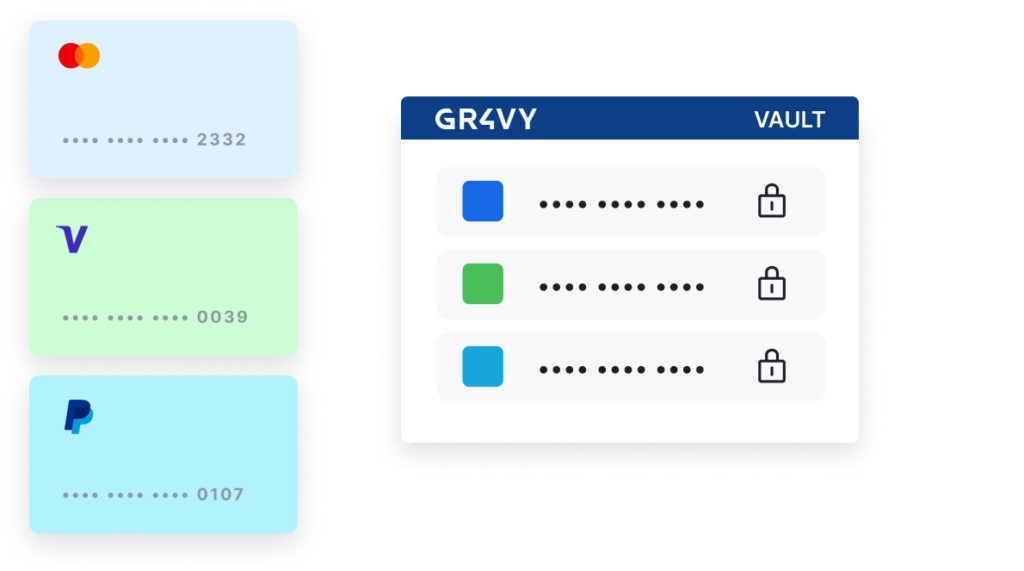
In the pursuit of fortifying payment security and ensure flexibility, businesses can turn to Gr4vy—a leading solution in the field. Gr4vy’s centralized vault gives you the freedom to move around and work with multiple payment providers while allowing you to securely and intelligently collect and store card data, simplifying the burden of PCI DSS compliance

Gr4vy supports tokenization, storage of all recurrent APMs, a network tokenization solution that centralizes the storage of your network tokens allowing you to use them interoperably between PSPs. With the Gr4vy Cloud Vault you can enable one-click checkout experiences, collect and store card data and use network tokens to tokenize transactions.

The differences between SaaS and IaaS: A comprehensive guide

In today’s dynamic digital landscape, enterprises grapple with the crucial decision of managing their IT infrastructure and applications. Among the plethora of cloud computing models, two stalwarts stand out: Software as a Service (SaaS) and Infrastructure as a Service (IaaS). These models, though under the overarching umbrella of cloud computing, serve distinct functions and cater to varying organizational needs. This article delves deep into the contrasts between SaaS and IaaS, providing comprehensive insights to aid businesses in their technological infrastructure decisions.

Deciphering Software as a Service (SaaS)

Software as a Service (SaaS) redefines how software is consumed. In this paradigm, software applications are hosted and made accessible to users over the internet, often on a subscription basis. Unlike conventional software installations, which entail local downloads or physical installations on individual devices, SaaS operates entirely in the cloud. This obviates the need for complex setup procedures and ongoing maintenance efforts, enabling businesses to allocate resources more strategically.

Advantages of SaaS in the enterprise landscape:

Accessibility and seamless collaboration: SaaS applications can be accessed from any device with an internet connection, facilitating seamless collaboration among teams irrespective of geographical dispersion.

Automatic updates and maintenance: The onus of software updates and maintenance lies with the service provider, lightening the load on internal IT teams and ensuring that businesses always have access to the latest features.

Scalability tailored to demand: SaaS offerings are designed to accommodate varying user volumes, guaranteeing that the software can grow in tandem with the business.

Cost-efficiency and resource optimization: By leveraging a centralized cloud-based system, businesses can minimize the costs associated with individual software licenses and hardware maintenance. This cost-effectiveness extends beyond initial setup, as ongoing updates and maintenance are handled by the service provider.

Risk mitigation and security: Reputable SaaS providers invest heavily in robust security measures, including data encryption, access controls, and regular security audits. This ensures that sensitive information remains protected from potential breaches.

SaaS exemplifies efficiency, allowing businesses to focus on their core operations rather than being burdened with the intricacies of software management.

Harnessing the power of Infrastructure as a Service (IaaS)

Infrastructure as a Service (IaaS) empowers businesses with virtualized computing resources delivered over the internet. In this model, enterprises can rent virtual machines, storage, and networking resources, thereby liberating them from the constraints of physical hardware. IaaS provides a dynamic and scalable environment that can adapt to evolving organizational needs.

Advantages of IaaS in enterprise operations:

Flexibility and customization: IaaS offers businesses the ability to customize their virtualized environments to specific requirements, allowing for the deployment of diverse applications and services.

Enhanced security and compliance: Reputable IaaS providers invest heavily in security measures, including data encryption, access controls, and compliance certifications. These protocols help businesses safeguard sensitive information.

Reduced capital expenditure: By eliminating the need for physical hardware, IaaS enables businesses to reallocate financial resources towards other critical areas of operation.

Geographical reach and disaster recovery: IaaS providers often have multiple data centers located in different regions, ensuring redundancy and facilitating effective disaster recovery strategies. This geographical spread enhances accessibility and minimizes downtime.

Performance optimization: With IaaS, businesses have the flexibility to choose the specifications of their virtual machines, ensuring that computing resources align with the demands of their applications. This results in optimized performance and responsiveness.

IaaS provides a robust foundation, giving businesses the freedom to shape their digital infrastructure in alignment with their specific needs and goals.

Software as a Service (SaaS) and Infrastructure as a Service (IaaS)

Navigating through common ground

Despite their distinctive functions, SaaS and IaaS share several commonalities that make them appealing to modern enterprises:

Scalability for agility: Both models offer scalable solutions, allowing businesses to adjust their resources based on demand, ensuring optimal performance without the need for extensive upfront investments.

Global accessibility: SaaS and IaaS applications can be accessed over the internet from any location, providing the flexibility needed for remote work and global collaboration.

Cost efficiency: By eliminating the need for physical hardware and reducing maintenance costs, both models lead to significant cost savings for businesses.

These shared attributes underline the transformative power of cloud computing in enhancing operational efficiency and cost-effectiveness.

Expanding horizons: considerations beyond SaaS and IaaS

In the rapidly evolving landscape of cloud computing, businesses have access to a spectrum of models. Beyond SaaS and IaaS, Platform as a Service (PaaS) emerges as a pivotal category. PaaS provides an environment for developers to build, deploy, and manage applications. It offers a set of tools and services that facilitate the development process. This empowers businesses to streamline their application development lifecycle.

Which of the following is the most significant difference between SaaS and IaaS?

The most significant distinction between SaaS and IaaS lies in what they provide access to. SaaS is a cloud-based software application that is delivered over the internet on a subscription basis. On the other hand, IaaS offers virtualized computing resources over the internet. In simpler terms, SaaS delivers ready-to-use software applications, while IaaS offers a virtualized environment where businesses can develop, deploy, and manage their own software applications.

What is the difference between platform and SaaS?

A platform, often referred to as PaaS (Platform as a Service), is a category that sits between SaaS and IaaS. PaaS provides a platform and environment for developers to build, deploy, and manage applications. It offers a set of tools and services that facilitate the development process. SaaS, on the other hand, provides a fully developed and operational software application that is ready for end-users.

What are IaaS, PaaS, and SaaS examples?

IaaS examples:

Amazon Web Services (AWS): AWS offers a comprehensive suite of cloud computing services that provide businesses with a range of IaaS solutions, including virtual servers, storage, and networking capabilities.

Microsoft Azure: Microsoft’s cloud computing platform, Azure, offers a wide array of IaaS services, allowing businesses to build, deploy, and manage applications on a global network.

PaaS examples:

Google Cloud Platform (GCP): GCP provides a robust PaaS environment that enables developers to build, test, and deploy applications seamlessly. It offers tools for application development, such as App Engine and Cloud Functions.

Heroku: Acquired by Salesforce, Heroku is a cloud-based platform that simplifies application deployment and management. It supports multiple programming languages and offers a range of add-ons for extended functionalities.

SaaS examples:

Salesforce: Salesforce is a leading CRM (Customer Relationship Management) SaaS platform. It provides businesses with a complete suite of customer management tools accessible over the cloud.

Microsoft 365: Formerly known as Office 365, this suite of productivity tools including Word, Excel, and Outlook is a prime example of SaaS, enabling users to access and collaborate on documents online.

What do IaaS, PaaS, and SaaS have in common?

Despite their differences, IaaS, PaaS, and SaaS share a few commonalities:

Scalability: All three models offer scalable solutions, allowing businesses to adjust their resources based on demand.

Accessibility: They can all be accessed over the internet from any location, providing flexibility for remote work and collaboration.

Cost-efficiency: By eliminating the need for physical hardware and reducing maintenance costs, these cloud computing models can lead to significant cost savings for businesses.

Software as a Service (SaaS) and Infrastructure as a Service (IaaS)

Difference between IaaS, PaaS, and SaaS

IaaS (Infrastructure as a Service):

  • Provides virtualized computing resources over the internet.
  • Businesses can rent virtual machines, storage, and networking resources.
  • Offers a high degree of control over the infrastructure.
  • Examples: AWS, Microsoft Azure.

PaaS (Platform as a Service):

  • Provides a platform for developers to build, deploy, and manage applications.
  • Offers a set of development tools and services.
  • Simplifies the application development process.
  • Examples: GCP, Heroku.

SaaS (Software as a Service):

  • Delivers fully developed and operational software applications over the internet.
  • Accessible on a subscription basis.
  • Requires no installation or maintenance on the user’s end.
  • Examples: Salesforce, Microsoft 365.

Difference between SaaS and PaaS

The primary difference between SaaS and PaaS lies in the level of control and responsibility. SaaS provides a fully developed application for end-users, while PaaS offers a platform for developers to build and manage their own applications.

Difference between IaaS and PaaS

IaaS provides virtualized computing resources, giving businesses control over their infrastructure. PaaS, on the other hand, offers a platform for application development, abstracting much of the underlying infrastructure management.

In conclusion, understanding the differences between SaaS and IaaS is crucial for businesses looking to optimize their IT infrastructure and applications. Depending on specific needs and preferences, choosing between these models can significantly impact a business’s operations and efficiency in the digital landscape. By considering factors such as control, development requirements, and scalability, businesses can make informed decisions that align with their objectives.

As you weigh the merits of IaaS and SaaS in the context of your business, remember that the right choice can be transformative. But the complexities of the payments landscape can be daunting. That’s why Gr4vy has curated an eGuide to provide you with the insights and expertise needed to navigate this crucial decision.

The eGuide not only demystifies payment orchestration but also delves into essential considerations for merchants, from building in-house solutions to selecting the ideal provider. 

It’s your roadmap to success in a market valued at $8.1 trillion.

Ready to make a decisive move towards optimizing your payment operations? Download the eGuide now and revolutionize your approach:

Streaming eguide on a tablet

Download the eGuide

With Gr4vy’s eGuide in hand, you’re not just keeping pace with industry trends – you’re setting the pace. Shape the future of your payment strategies and unlock the full potential of this dynamic market.

How to store card data safely: The ultimate guide (updated for 2025)

In today’s dynamic digital landscape, safeguarding cardholder data is of paramount importance for businesses. Ensuring the highest standards of credit card data protection not only builds trust but also ensures compliance with industry regulations. This comprehensive guide will walk you through the best practices for securely storing and maintaining cardholder data in 2025.

Should you store cardholder data?

The decision to store cardholder data is a critical one for businesses. While it can enhance transaction efficiency, it also comes with significant responsibilities. Understanding the nature of your operations and compliance obligations is essential in making this decision.

Businesses that routinely handle recurring transactions may find storing cardholder data beneficial. It streamlines the process, reducing friction for returning customers. However, this convenience must be weighed against the risks, responsibilities, and costs that come with secure data storage.

Can cardholder data be stored?

Absolutely, cardholder data can be stored, but it must be done in strict compliance with industry standards and regulations. Non-compliance can lead to severe consequences, including hefty fines and loss of reputation. This guide will provide a comprehensive outline of the steps required to ensure secure storage.

To store cardholder data securely, businesses must adhere to the Payment Card Industry Data Security Standard (PCI DSS). This framework outlines specific requirements for data encryption, access controls, and regular security assessments. Compliance with PCI DSS is a fundamental step in establishing a secure data storage environment.

store card data safely

How to store credit card information in a database

When it comes to database storage, encryption is the cornerstone of security. Employ strong encryption protocols to safeguard credit card information. Additionally, consider tokenization techniques which replace sensitive data with a unique identifier, adding an extra layer of security.

Furthermore, it is essential to implement access controls and regular monitoring to track and prevent any unauthorized attempts to access the database. By employing robust intrusion detection systems and keeping your security measures up-to-date, you create a formidable barrier against potential threats.

Effective data encryption relies on industry-standard algorithms and protocols. Utilizing strong, well-established encryption methods ensures that even if data is accessed, it remains indecipherable to unauthorized parties. Regularly updating encryption protocols is vital to stay ahead of emerging threats.

How to store credit card information securely

Security should be at the core of your data storage strategy. Implement multi-factor authentication, firewalls, and intrusion detection systems to fortify your defenses. Regularly update your security measures to stay ahead of emerging threats.

Moreover, consider implementing a comprehensive security policy that covers all aspects of data handling, from storage to processing and transmission. Educate your team members on security best practices to create a culture of vigilance within your organization.

A robust security policy encompasses not only technical safeguards but also employee training and awareness programs. Regularly conducting security drills and simulations can help ensure that your team is well-prepared to respond to potential security incidents.

Storing credit card information in database SQL Server

For businesses using SQL Server, understanding the specific security features and best practices available is crucial. Configure robust access controls, perform regular security audits, and stay updated with the latest updates and patches to maintain a secure environment.

Additionally, consider employing database activity monitoring tools that provide real-time alerts for suspicious activities. These tools offer an additional layer of security, allowing you to detect and respond to potential breaches promptly.

In a SQL Server environment, granular access controls are essential. By restricting access to only authorized personnel and implementing strong authentication mechanisms, you significantly reduce the risk of unauthorized data access or manipulation.

Credit card data storage system

Selecting the right data storage system is a pivotal decision. Consider using dedicated, secure servers or cloud-based solutions from reputable providers. Ensure that the chosen system complies with industry standards and can adapt to evolving security requirements.

Additionally, regularly assess the security of your chosen storage system through penetration testing and vulnerability assessments. This proactive approach helps identify and address potential weaknesses before they can be exploited.

Choosing a reputable cloud provider with a track record of robust security measures is crucial. Ensure that they have certifications and compliance measures in place to demonstrate their commitment to data security.

store card data safely online transactions

Storing customer credit card information: Law and compliance

Compliance with legal frameworks such as PCI DSS and GDPR is non-negotiable for businesses. Familiarize yourself with the specific requirements and implement necessary measures to meet them. Regular audits and assessments will help maintain adherence to these crucial regulations.

Moreover, consider appointing a dedicated compliance officer or team to oversee and ensure adherence to these regulations. This proactive approach demonstrates your commitment to compliance and data protection.

Maintaining compliance with data protection laws involves a multifaceted approach. Regular internal audits, external assessments, and ongoing compliance training are key components in upholding legal obligations.

How to collect credit card information online

When collecting credit card information online, employ secure, encrypted channels. Use SSL certificates to establish secure connections and avoid storing data on public-facing servers. Provide clear information on your security measures to instill confidence in your customers.

Furthermore, consider incorporating additional authentication measures, such as two-factor authentication, to add an extra layer of security to the transaction process. Educate your customers on the steps you take to protect their data, fostering trust and confidence in your online transactions.

Offering clear and concise information about your security measures builds trust with online customers. Clearly communicate your commitment to their data protection, and provide resources for them to learn more about online security.

Network tokenization: revolutionizing data security

Network tokenization is an emerging technology that revolutionizes data security. By replacing sensitive information with a unique token, it renders the data useless to potential attackers. Understanding and implementing network tokenization can significantly bolster your data protection efforts.

Network tokenization is a powerful tool in data security. By rendering sensitive data useless to attackers, even if intercepted, it provides an additional layer of defense in your data protection strategy.

Secure disposal practices: minimizing risk

Secure disposal of cardholder data that is no longer needed is a critical aspect of data security. Clear policies and procedures should be in place to ensure that information is promptly and securely disposed of when it is no longer required for business operations. 

This proactive approach minimizes the risk of unauthorized access and potential breaches stemming from retained, unnecessary data.

Compliance with data protection laws and regulations

Compliance with data protection laws and regulations is not only a legal requirement but also a critical step in ensuring the security of cardholder data. It is imperative for businesses to stay informed about applicable laws and regulations, such as the General Data Protection Regulation (GDPR) and other regional data protection acts. Failing to comply with these laws can result in severe penalties and damage to the organization’s reputation.

Multi-factor authentication: strengthening security measures

Implementing multi-factor authentication adds an extra layer of security to the access of cardholder data. This approach requires users to provide multiple forms of identification before gaining access to sensitive information. It significantly reduces the risk of unauthorized access, even in the event of a compromised password. Utilizing methods like one-time codes sent to mobile devices or biometric authentication enhances security measures.

Employee training: a crucial line of defence

Educating employees about proper data handling practices is a crucial aspect of maintaining the security of cardholder data. Training programs should cover topics such as identifying phishing attempts, recognizing social engineering tactics, and adhering to secure data storage protocols. Well-informed employees serve as a critical line of defence against potential security breaches.

Incident response plan: preparedness for data breaches

Despite best efforts, security incidents may still occur. Having a well-defined incident response plan in place is essential for minimizing damage and swiftly addressing breaches. This plan should outline the steps to be taken in the event of a data breach, including notification of affected parties, investigation procedures, and communication strategies. Regular testing and updating of the response plan ensure its effectiveness.

Customer education: promoting safe practices

Educating customers about safe practices when it comes to sharing their cardholder data is a collaborative effort between businesses and their clientele. Providing clear guidelines on secure online transactions, recognizing phishing attempts, and safeguarding personal information empowers customers to play an active role in protecting their own data. This education fosters a safer digital environment for all parties involved.

Building trust through transparent data handling

Transparency in data handling practices goes a long way in building trust with customers. Clearly communicating how cardholder data is collected, stored, and protected reassures customers of their information’s security. Businesses should provide accessible privacy policies and be open about their security measures, demonstrating a commitment to responsible data management.

store card data safely over the phone

Is it safe to give your card details over the phone?

For customers, providing card details over the phone can be an apprehensive experience. As a business, it is imperative to ensure that this process is as secure as possible. Implementing robust security measures and educating customers about them can greatly contribute to building trust.

Employing secure phone payment methods, such as interactive voice response (IVR) systems and encrypted communication channels, can significantly enhance the safety of phone-based transactions. By assuring customers of these security measures, you demonstrate a commitment to their data protection.

Secure your card payment data with Gr4vy

In today’s rapidly evolving digital landscape, securing cardholder data is paramount for businesses. The trust of your customers and compliance with industry standards hinge on your ability to safeguard sensitive information.

By following the comprehensive guide provided here, you’ve gained invaluable insights into the best practices for securely storing and maintaining cardholder data in 2025. From encryption and access controls to compliance with industry regulations, you now have a solid foundation to fortify your data protection strategies.

Remember, security is a multifaceted endeavor. It involves not only robust technological measures but also a commitment to educating and training your team. Furthermore, transparency and compliance with data protection laws are indispensable components of your security framework.

In times of unforeseen incidents, your well-defined incident response plan will be your beacon of light. Swift action, clear communication, and a thorough investigation are crucial in mitigating the impact of data breaches.

Above all, your customers play a pivotal role in this security ecosystem. Educate them on safe practices, and provide them with the confidence that their data is handled with the utmost care.

As you navigate this path to enhanced data security, consider exploring the capabilities of Gr4vy, a powerful payments platform. With Gr4vy, you can deploy, manage, customize, and optimize all your payments through one simple, universal integration. Its unique single-tenant, cloud-based infrastructure makes scaling your business faster than ever.

By integrating Gr4vy into your payment processes, you not only enhance security but also streamline your payment operations. This innovative platform empowers businesses to elevate their payment experiences, ensuring both convenience and peace of mind for your customers.

By embracing these practices and leveraging advanced solutions like Gr4vy, you’re not only protecting your business but also setting the stage for accelerated growth and success in the digital economy. Your dedication to security, coupled with cutting-edge technology, is an investment in the future success and integrity of your organization.