
- Why Gr4vy?
Payments shouldn’t hold you back. Discover why Gr4vy is the go-to platform for enterprises that want to unlock new revenue and get empowered by their payment strategy.
- Who we power
From global merchants to fast-growing platforms, Gr4vy has the tools to run payments your way. See how we simplify payments for enterprises, power branded experiences for their sub-merchants, and help them start with Agentic Commerce.
- Product
Explore the features that power every step of your payments journey, from acceptance to tracking. Click any stage to dive deeper.
- Connections
Explore the network behind Gr4vy. With over 400 payment methods and anti-fraud providers, plus strategic partnerships, our ecosystem helps you expand globally with local options and innovate faster.
- Resources
Dive into our knowledge hub and explore everything that brings payment orchestration to life. All your go-to content in one place.
Blog & MediaExplore Gr4vy’s latest news Case StudiesDiscover our clients stories Gr4vy DocsDive into our documentation ROI CalculatorFind out how much you could save FAQGet simple answers to payment questions Behind the CheckoutListen to Gr4vy’s podcast series Gr4vy PulseRelease Notes Human ResourcesLearn about our culture and see open positions
Dashboard
We have you covered
Your entire payment stack, finally in one place
Visibility into
every transaction
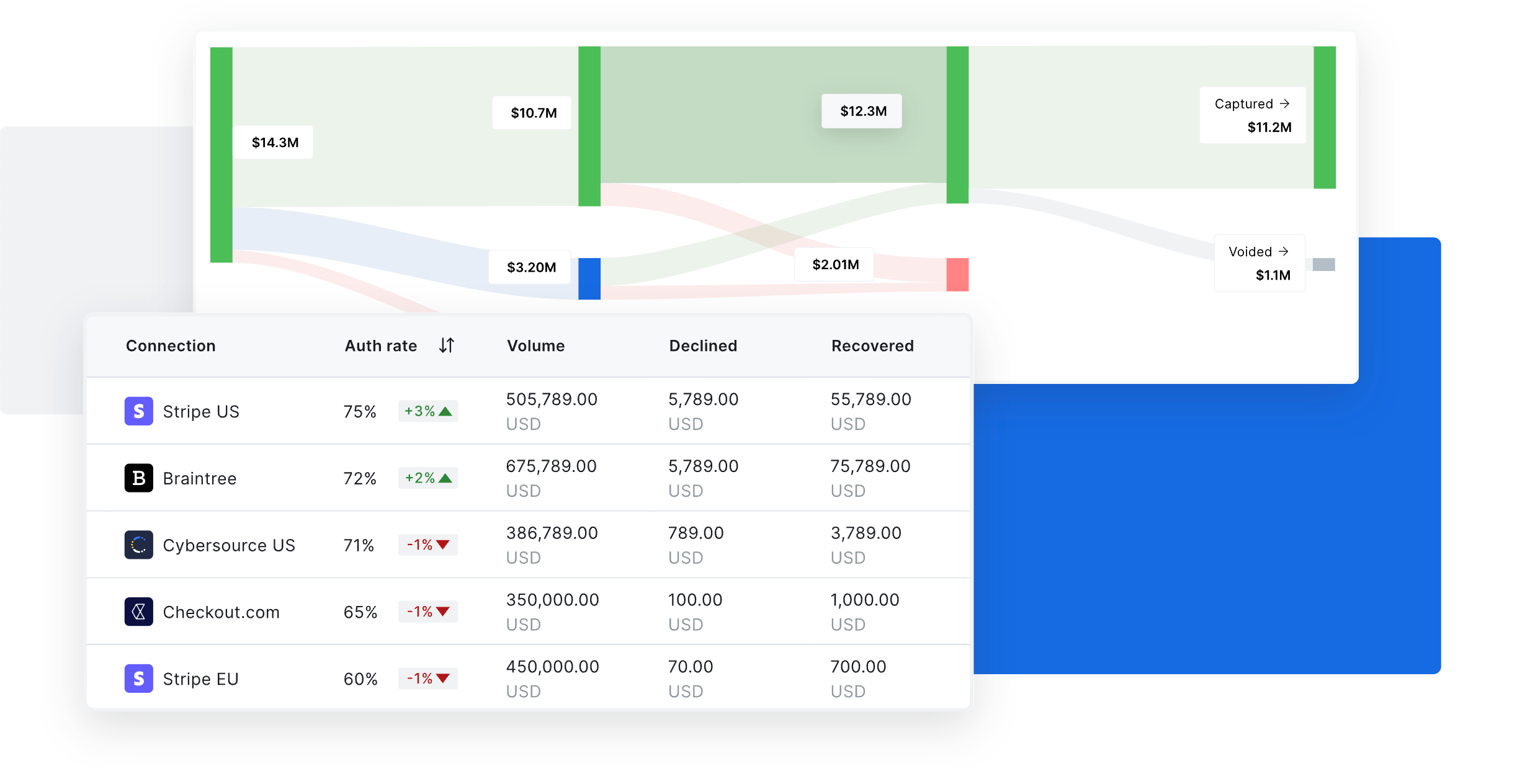
Quickly filter and drill down by amount, currency, PSP, and transaction status, so you can monitor performance, identify issues, and take action without digging through disconnected systems. Whether you’re tracking trends or troubleshooting a failed payment, the data you need is always at your fingertips.
Turn connections on or off with no code
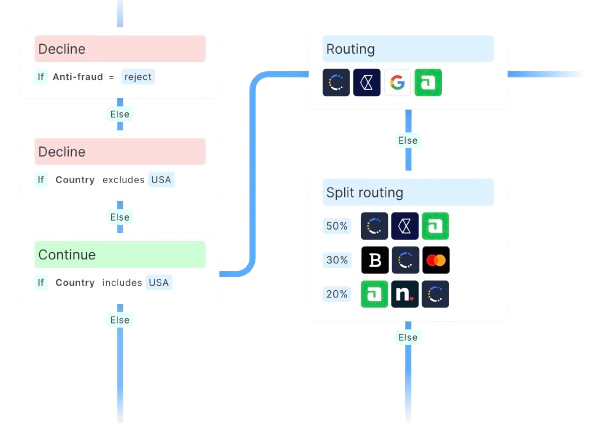
Automate your payments, your way
Stay ahead
Real-time data. Seamlessly delivered.
Built-in access control for better governance and scale
Gain full visibility into your payments performance
"*" indicates required fields
Explore other features



FAQ
A payment dashboard is a unified view of your entire payment stack. It consolidates transactions, provider connections, workflows, and settlement data into one interface. This visibility allows finance, operations, and technical teams to monitor performance, detect issues, and make real-time adjustments. Having all payment data in one place helps businesses scale faster while maintaining better control.
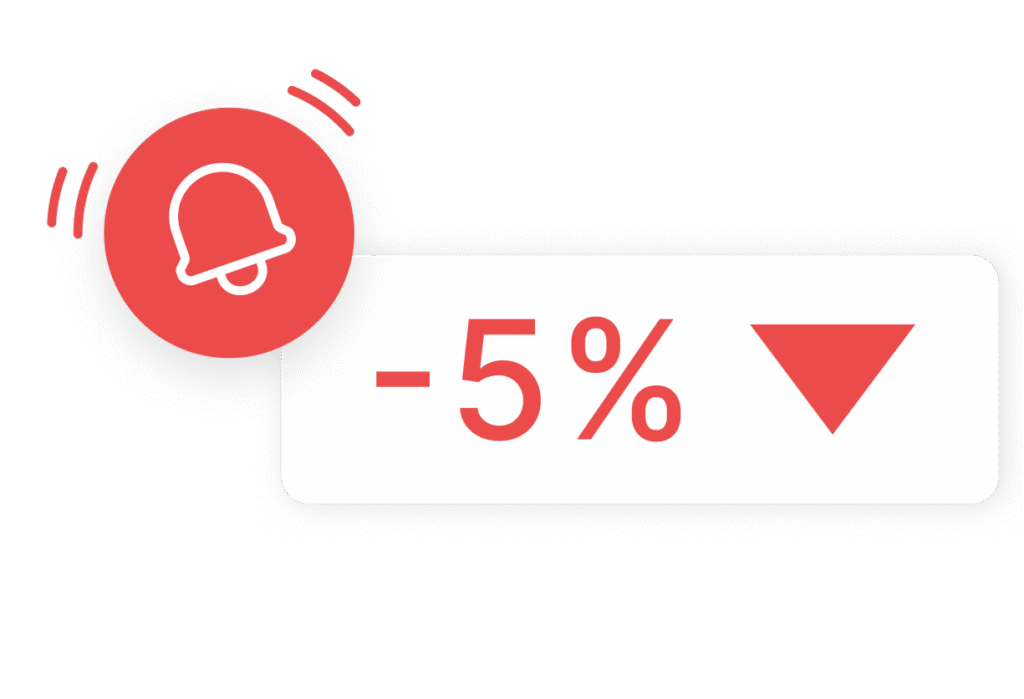
With real-time monitoring, businesses can track transaction status, approval rates, and error codes as they happen. Alerts can be configured to notify teams of failed payments, provider downtime, or unusual activity. This proactive approach reduces revenue loss, speeds up troubleshooting, and improves overall reliability in the checkout process.
Webhooks and APIs push transaction data directly from the dashboard to other systems, such as ERP, CRM, or accounting platforms. This automation eliminates manual data entry, improves reporting accuracy, and ensures payment data flows seamlessly across business systems. For developers, webhook support also makes it easier to build custom integrations that respond to payment events in real-time.
A payments dashboard includes built-in access controls so different teams and roles can manage only the data and functions relevant to them. This strengthens compliance and security while supporting enterprise governance policies. As transaction volumes grow, a centralized dashboard makes it easier to oversee multiple PSPs, workflows, and integrations without adding operational complexity.