GR4VY

How does a credit card scheme work?

Understanding credit card schemes is increasingly essential in our digital world, where both shopping and selling happen online. This guide is crafted to clarify the workings of these systems in a straightforward yet professional manner, making it accessible to everyone. Whether making a purchase or managing a business, getting to grips with the basics of credit card transactions can provide valuable insights.

As we delve into this topic, we aim to demystify the operations and roles of credit card schemes, highlighting their significant impact on today’s global commerce. Both consumers and business owners must grasp these concepts for ensuring smooth and secure transactions in the digital marketplace.

What is an example of a card scheme?

A card scheme refers to networks facilitating credit and debit card transactions, connecting banks, merchants, and cardholders. An example of a card scheme is Visa or MasterCard. These schemes are responsible for setting the rules and standards for issuing cards, processing payments, and preventing security and fraud. They are the backbone of global electronic payments, enabling millions of transactions daily.

How does a credit card scheme work?

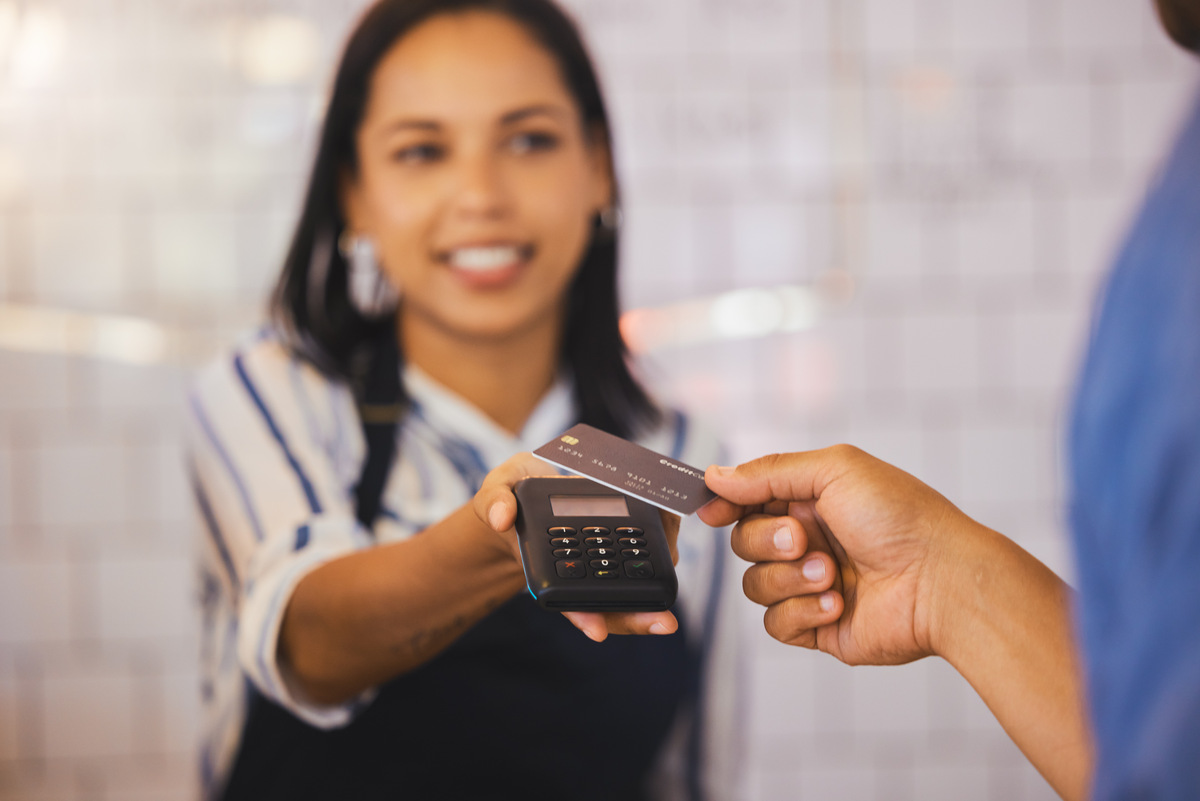
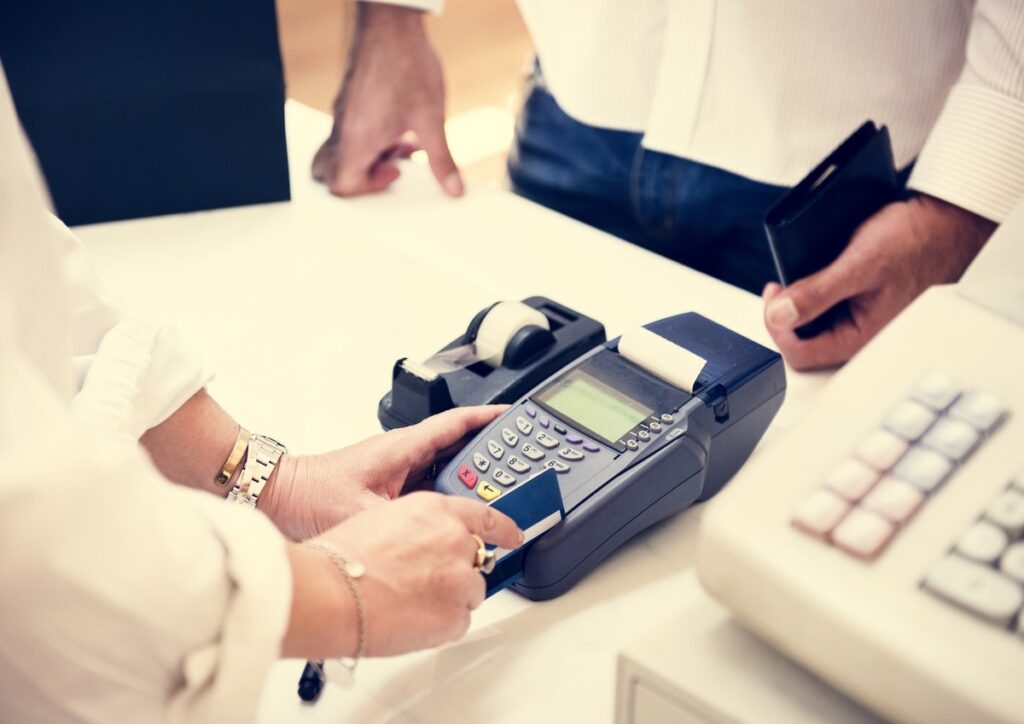
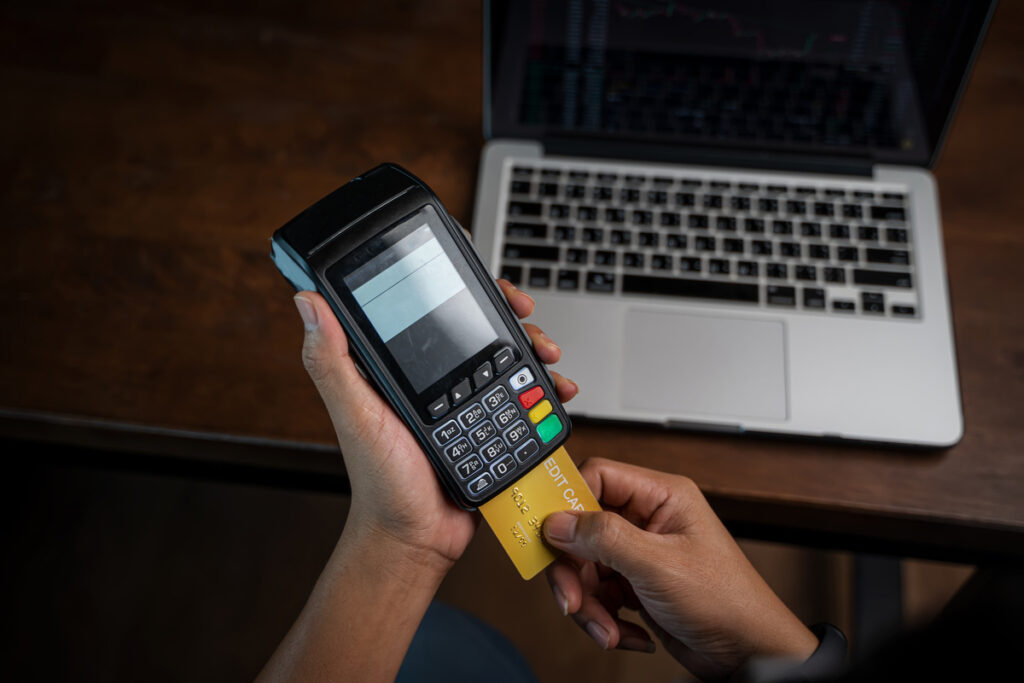
The working of a credit card scheme involves several key players: the cardholder, the merchant, the acquiring bank (merchant’s bank), the issuing bank (cardholder’s bank), and the card network (Visa, MasterCard, etc.). When a cardholder purchases, the merchant’s terminal sends the transaction details through the acquiring bank to the card network. The network then routes this information to the issuing bank for authorization. If approved, the transaction is authorized, and the issuing bank eventually settles the funds with the acquiring bank, which then pays the merchant. This seamless process happens in seconds, thanks to the sophisticated infrastructure of card schemes.

What is a credit card schema?

Credit card schema often refers to the technical and regulatory framework that defines the structure and processing rules for credit card transactions. This includes the data format, security standards like EMV (Europay, MasterCard, and Visa), and the transaction flow from authorization to settlement. Understanding the credit card schema is essential for ensuring compatibility and security in payment processing.

What is the general credit card scheme?

The general credit card scheme encompasses the overall system of credit card operations, including the networks (Visa, MasterCard, etc.), banks, and regulatory frameworks. It outlines how credit cards are issued, used, and managed, along with the roles of different stakeholders in the payment processing ecosystem. This scheme ensures that transactions are executed securely and efficiently across the globe.

What is a credit card scheme fee?

A credit card scheme fee is one of the several fees charged for the processing of credit card transactions. The acquiring bank pays this fee to the card scheme network (Visa, MasterCard, etc.) for using their infrastructure and services. It is a part of the interchange fees and is often passed on to merchants as part of their merchant service charges. These fees contribute to the operational costs of card networks, including fraud prevention, security measures, and technological advancements.
How does a credit card scheme work

What are the main card schemes?

The main card schemes globally are Visa, MasterCard, American Express, and Discover. Each has its own set of rules and standards for participating banks and merchants. Visa and MasterCard operate on a model where the banks issue cards and acquire merchants, while American Express and Discover often issue cards directly to consumers and acquire merchants. These schemes are critical in facilitating global commerce by ensuring interoperability and security in transactions.

What is the difference between card scheme and card issuer?

The difference between a card scheme and a card issuer is in their roles in the credit card ecosystem. A card scheme (like Visa or MasterCard) is a network that sets the rules and facilitates transactions between all parties. In contrast, a card issuer is a financial institution (usually a bank) that issues credit cards to consumers. The issuer is responsible for extending credit, setting terms like interest rates and credit limits, and handling customer service for cardholders.

What is a payment scheme?

A payment scheme is a broader term encompassing all electronic payment systems, including credit card networks, debit card networks, and other electronic transfer systems. It refers to the regulatory, technical, and financial frameworks enabling transfer funds between payers and payees. Payment schemes ensure the efficiency, security, and reliability of transactions, whether they are conducted online or in physical stores.

Now, let’s delve deeper into the infrastructure of digital payments by understanding the concept of card payment networks, the major payment networks, the role of credit cards in relation to payment gateways, and how these gateways differ from card networks. These insights are pivotal for anyone involved in the digital transaction space, offering clarity on the nuances of online payments.

What is card payment network?

A card payment network is critical in facilitating electronic payments made with credit and debit cards. It acts as an intermediary that connects all parties involved in a transaction – the cardholder, the merchant, the card issuer, and the acquiring bank. Networks like Visa, MasterCard, American Express, and Discover set the rules for transaction processing, security standards, and funds settlement between banks. They ensure that transactions are processed securely and efficiently, maintaining the integrity of the payment ecosystem.

What are the four payment networks?

The four major payment networks are Visa, MasterCard, American Express, and Discover. These networks are recognized worldwide for their reliability and extensive acceptance:

  • Visa and MasterCard do not issue cards directly to consumers but provide their network to banks that, in turn, issue cards and acquire merchants.
  • American Express and Discover differ slightly in their approach, as they often issue cards directly to consumers and operate their payment networks.

These networks ensure global interoperability, allowing consumers to use their credit and debit cards across different countries and with various merchants.

Is credit card a payment gateway?

A credit card is not a payment gateway but a payment method that can be processed through a payment gateway. A payment gateway is a technology merchants use to accept debit or credit card purchases from customers. It acts as a bridge between the merchant’s website and the payment processor, encrypting sensitive credit card details and ensuring that data is transmitted securely from the customer to the acquiring bank.

What is the difference between payment gateway and card network?

The difference between a payment gateway and a card network is primarily their role and function in the payment processing chain:

  • A payment gateway is a service that authorizes and processes payments for online and offline businesses. It encrypts sensitive payment information and ensures that data passes securely between the customer, the merchant, and the payment processor or acquiring bank. Gateways are crucial for e-commerce and enable merchants to accept credit card payments and other electronic payments online.
  • On the other hand, a card network is the infrastructure and set of rules that govern the issuance of cards, the processing of transactions, and the settlement of funds between issuing and acquiring banks. Networks ensure that transactions made with credit or debit cards are processed globally, maintaining standards for security and fraud prevention.

In essence, while payment gateways focus on the secure authorization and processing of payment transactions online, card networks provide the overarching framework that enables these transactions to occur globally, ensuring interoperability and security for credit and debit card payments.

Expanding our understanding of digital payments through these concepts demystifies the process and highlights the sophisticated architecture that makes secure and efficient online transactions possible. By appreciating the roles of card payment networks, payment gateways, and their interplay, we gain insight into the seamless nature of modern commerce, an essential knowledge in the fast-paced world of digital transactions.


In wrapping up our journey through the intricacies of digital payments, it’s clear that the ability to adapt and innovate in your payment workflows is crucial for staying competitive in the digital marketplace. Gr4vy emerges as a transformative solution, allowing merchants to instantaneously add, test, and deploy over 100+ unique payment methods with zero downtime. This cloud-native platform revolutionizes how businesses manage payments by allowing for the seamless integration of new payment methods and creating dynamic workflows directly into the checkout experience, all without the need for coding.

If you’re looking to elevate your payment processes and ensure a frictionless checkout experience for your customers, Gr4vy is your go-to partner. With its extensive library of payment connections and the ability to make live changes effortlessly, Gr4vy empowers your business to meet the ever-changing demands of the global market. Contact Gr4vy today to learn how we can help you optimize your payment workflows, enhance customer satisfaction, and drive growth for your business with our cutting-edge payment orchestration platform.
What is Vaulting and Tokenization?

Navigating the complexities of online transactions requires cutting-edge solutions to protect against fraud and unauthorized access. As the digital marketplace continues to expand, so does the need for advanced security measures that can seamlessly integrate into payment processes. Vaulting and tokenization emerge as pivotal technologies in this landscape, providing a fortress of security around consumer data while streamlining online purchases. This discussion aims to shed light on these crucial mechanisms, particularly emphasizing the advantages of network tokenization for a safer, smoother payment journey.

With the digital economy booming, the adoption of robust security practices is more critical than ever to ensure the integrity of online transactions. Vaulting and tokenization offer a dual layer of protection, transforming the way payment information is stored and processed across the internet. By exploring the functionalities and benefits of these technologies, we aim to offer insights into their role in fortifying payment systems against emerging threats. Special attention will be given to network tokenization, a technique that not only enhances security but also improves the overall payment experience for users and merchants alike.

What is a tokenized vault?

A tokenized vault is a secure method of storing sensitive payment information, such as credit card details. It combines the security measures of vaulting with the added layer of protection provided by tokenization. In this setup, when payment information is stored in a vault, it is also replaced with a unique token. This token represents the stored data but doesn’t contain any sensitive information itself, making it safe to use in transactions without risking the original payment details.

What is the meaning of tokenization?

Tokenization refers to the process of converting sensitive payment information into a unique string of characters, known as a token, which does not carry the original data’s intrinsic value. This means that even if the token is intercepted, the actual payment information remains secure. Tokenization significantly reduces the risk of data breaches and fraud, as the tokens cannot be reverse-engineered to reveal the original details.

What is the difference between vaulted and vaultless tokenization?

The main difference between vaulted and vaultless tokenization lies in how the tokens are stored and managed. Vaulted tokenization involves storing the original data in a secure digital vault, with tokens used as references for transactions. On the other hand, vaultless tokenization does not store the original payment information after the token is generated. This approach uses algorithms to generate tokens in such a way that they can be validated without needing to refer back to the original data, enhancing security and efficiency.

How does vaultless tokenization work?

Vaultless tokenization works by using mathematical algorithms to convert payment information into tokens. These algorithms are designed in a way that allows the system to verify the authenticity of a token during transactions without needing to access the original payment details. This method significantly reduces the amount of sensitive data stored and minimizes the risk of data breaches, as there is no central repository of payment information that could be targeted.

What is an example of tokenization?

An example of tokenization can be seen in a customer making a purchase on an e-commerce platform. Instead of storing the customer’s credit card number, the platform converts this information into a token. This token is then used to process the payment without exposing the actual credit card details, protecting the customer’s sensitive information from potential security threats.

What is an example of tokenization in NLP?

In the field of Natural Language Processing (NLP), tokenization refers to the process of breaking down text into smaller units, such as words or phrases. For example, the sentence “Tokenization is crucial in NLP.” would be tokenized into [“Tokenization”, “is”, “crucial”, “in”, “NLP.”]. This process is essential for machines to understand and process human language by analyzing the text’s structure and meaning.

What is network tokenization?

Network tokenization is a specific type of tokenization used in payment processing, where the tokens are created and managed by the card networks, such as Visa or MasterCard. This approach provides an additional layer of security, as the tokens are designed to be used only for specific transactions, merchants, or devices, making them even less useful if intercepted by unauthorized parties.

What is the difference between network and gateway tokenization?

The difference between network and gateway tokenization lies in who creates and manages the tokens. With network tokenization, the card networks (e.g., Visa, MasterCard) are responsible for generating and managing the tokens, offering a standardized level of security across all transactions. Gateway tokenization, on the other hand, is managed by payment gateways or processors, providing businesses with more control over the tokenization process but requiring them to ensure the security and compliance of the tokens themselves.

What is an example of tokenization?

Returning to our earlier example of tokenization in the context of e-commerce, imagine a customer’s payment being processed through network tokenization. In this scenario, the customer’s credit card information is replaced with a token created by the card network. This token is specifically authorized for use only by the e-commerce platform for the amount of the purchase, ensuring a secure transaction that protects the customer’s payment information.

Gr4vy’s Cloud Vault steps in as your ideal partner, offering a versatile platform that caters to your needs for PSP independence and seamless data portability. With its robust and scalable cloud infrastructure, Gr4vy ensures that your payment data management is not just secure, but also adaptable to the evolving demands of the digital marketplace. Whether you’re looking to enhance your payment security or improve operational flexibility, Gr4vy’s Cloud Vault is designed to meet your objectives with ease and reliability.

Embrace the future of payment security and flexibility with Gr4vy. If ensuring the safety of your transactions and maximizing control over your card data are your top priorities, we invite you to explore what Gr4vy’s Cloud Vault can do for your business. Contact us today to learn more about how our cloud-based solution can provide you with the peace of mind and operational efficiency you’ve been seeking. Don’t let payment processing complexities hold you back—let Gr4vy help you navigate the landscape with confidence and ease.

How do QR codes work for payments?

As businesses seek more user-friendly and secure payment methods, QR codes have become a key player in revolutionizing transactions. These compact, square-shaped codes offer a smart, streamlined way to process payments, blending modern technology with everyday convenience. By transforming traditional payment methods, QR codes redefine the transaction experience for businesses and consumers.

How do I set up a QR code for payment?

The setup process is user-friendly for businesses looking to adopt QR code payments. It involves selecting a payment processor supporting QR technology, creating an account, and generating a unique QR code that links to this account. This code can be displayed for customers to scan and execute payments.

What are the disadvantages of QR code payment?

Despite their convenience, QR codes have some limitations. One significant challenge is the need for a smartphone and a compatible app, which might exclude some customers. Additionally, there are concerns about the security of transactions and the potential for QR code manipulation.

How can someone pay with a QR code?

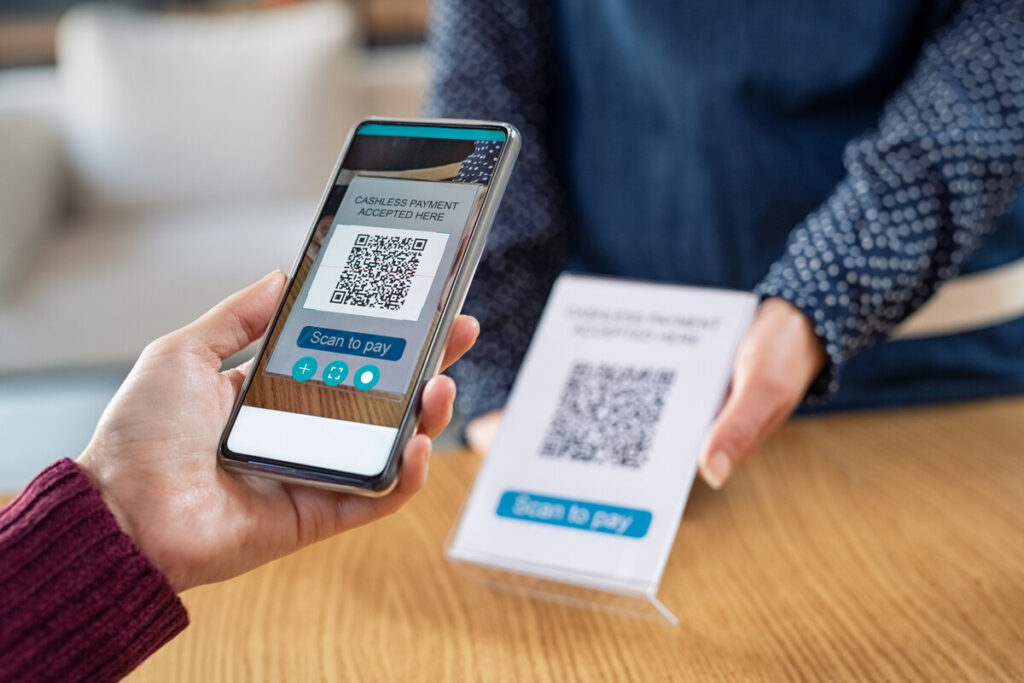
Paying with a QR code is remarkably straightforward. Customers use their smartphones to scan the code using a payment app, which prompts them to confirm the payment details before processing the transaction.

What are the risks of QR code payment?

The primary risks involve security concerns, such as the potential for scanning malicious QR codes, leading to fraudulent transactions or data breaches. Users are advised to scan codes only from trusted sources.

Why is a barcode better than a QR code?

Barcodes may be preferred in scenarios where simplicity and familiarity are key. They are easier to scan with basic equipment and are widely used in retail. However, QR codes offer greater storage capacity and versatility.

How can I get a QR code for my business?

Obtaining a QR code for business use involves registering with a payment service provider that supports QR code payments. These providers offer tools to generate and manage QR codes linked to the business’s payment account.

What is the merchant charge for a QR code?

Merchant charges for QR code payments can vary significantly depending on the provider and the specific payment plan. Generally, there are several models that payment service providers follow:

  • Free services: Some providers offer QR code payment services at no cost, especially as a part of a broader package of merchant services. These are typically aimed at small businesses or those new to QR code payments.
  • Per transaction fees: Many providers charge a small fee per transaction. This fee is usually a percentage of the transaction amount, sometimes coupled with a fixed nominal fee. This model is beneficial for businesses with fluctuating sales volumes.
  • Monthly subscriptions: Some providers offer monthly subscription models for businesses with consistent transaction volumes. These plans often come with a set number of monthly transactions for a fixed fee, beyond which per transaction charges may apply.
  • Tiered pricing models: Larger businesses or those with high transaction volumes might opt for tiered pricing models, where the per-transaction fee decreases as the number of transactions increases.

Understanding these pricing structures is crucial for businesses to choose the most cost-effective QR code payment solution that aligns with their sales patterns and volume.

How do you receive money with a QR code?

When a customer scans a business’s QR code with their smartphone, the process for receiving money is typically as follows:

  • Scanning: The customer uses their payment app to scan the QR code, which contains the merchant’s payment information.
  • Transaction processing: The payment app decodes the QR code and prompts the customer to enter the payment amount (unless it’s pre-set) and confirm the transaction.
  • Funds transfer: Upon confirmation, the transaction is processed instantly. The funds are transferred from the customer’s account to the merchant’s account linked with the QR code.
  • Notification: The merchant receives a notification (usually via the payment app or an SMS/email alert) confirming the transaction’s success and the receipt of funds.

This process is highly automated, requiring minimal manual intervention from the merchant, making it a convenient and efficient method for accepting payments.

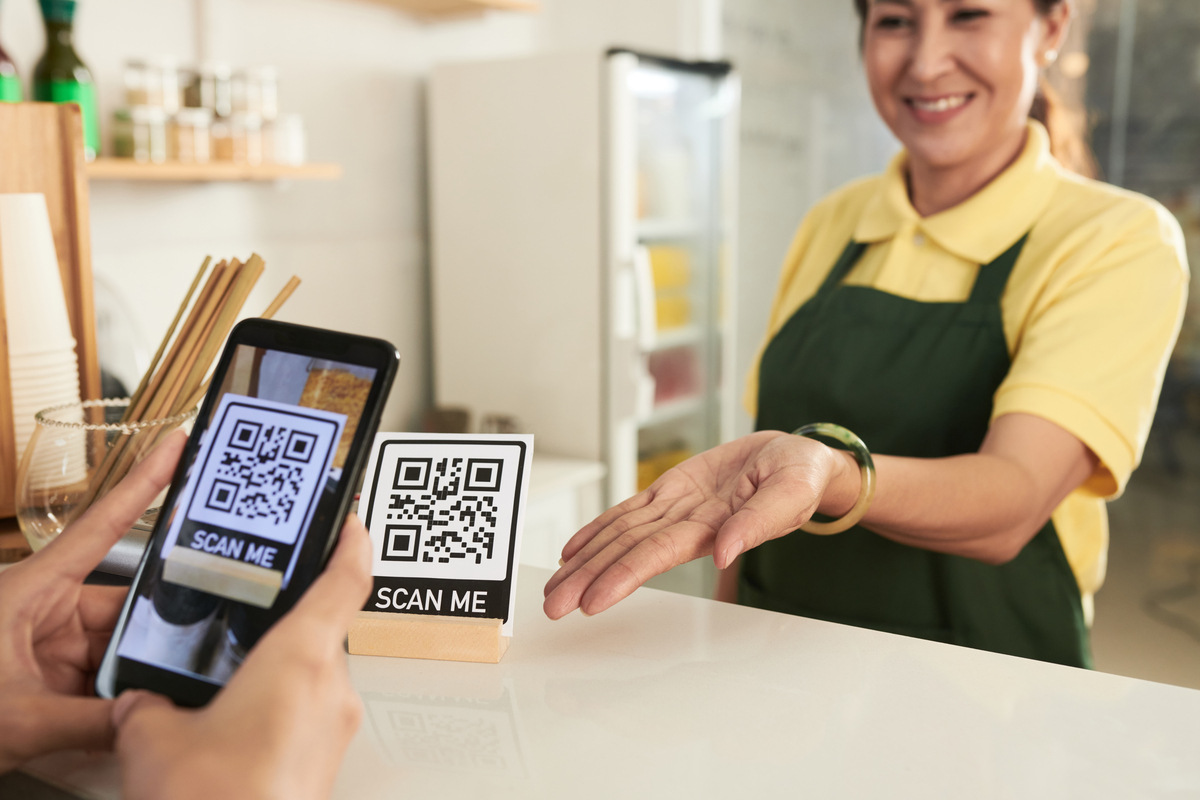
How do QR codes work for payments

How do I get paid for a QR code?

To get paid through a QR code, a merchant needs to follow these steps:

  • Set up: Register with a payment service provider that offers QR code payment solutions and link the business bank account.
  • Generate QR code: Create a unique QR code for the business through the provider’s platform. This QR code is linked directly to the merchant’s account.
  • Display QR code: Position the QR code strategically at the point of sale or on invoices for easy customer scanning.
  • Receive payments: When a customer scans the QR code and completes a payment, the amount is directly credited to the merchant’s linked account.
  • Confirmation: The merchant receives a real-time confirmation for each transaction, often accompanied by a digital receipt.

This streamlined process ensures that payments are processed quickly and securely, with minimal manual handling required.

Can anyone take money from QR code?

QR codes are designed primarily for depositing money and not for withdrawals. They contain information that directs payments to a specific merchant account and cannot be used to extract funds from that account. Key points include:

  • Security measures: Modern QR code systems are equipped with various security features to prevent unauthorized access to funds.
  • One-way transactions: The transaction process through a QR code is unidirectional, meaning it only allows the flow of funds into the linked account.
  • Controlled access: Only the merchant or authorized personnel can access the account linked to the QR code, ensuring that authorized parties can access funds.

However, merchants must secure their QR codes and associated accounts, as the misuse of QR codes (such as displaying a tampered or fraudulent code) could lead to unauthorized transactions.

Benefits of using QR codes for payments

QR codes offer a multitude of benefits for payments, particularly for businesses looking to streamline their transaction processes:

  • Convenience: QR codes allow quick and hassle-free transactions, improving customer experience.
  • Cost-effective: They often require less hardware investment compared to traditional payment systems.
  • Enhanced Security: QR codes can reduce the risk of physical theft and are generally encrypted for secure transactions.
  • Versatility: They are adaptable to various business models and can be used for in-person and online payments.
  • Speed: Transactions via QR codes are typically faster than traditional payment methods, leading to improved efficiency.
  • Customer reach: QR codes can attract tech-savvy customers and those who prefer contactless payments.
  • Reduced contact: In the post-pandemic era, QR codes offer a hygienic, contactless payment option.
  • Data tracking: They can track customer behavior and preferences, aiding in targeted marketing and business strategy development.

These benefits collectively contribute to an enhanced transactional framework, aligning with the evolving needs of both businesses and customers in the digital age.

In conclusion, adopting QR codes for payments marks a significant step forward in financial transactions, offering simplicity, security, and speed. As we embrace these innovative solutions, choosing the right platform to support and enhance these payment methods is crucial.

Gr4vy stands out as a robust payments platform, uniquely designed to empower your business in this evolving payment landscape. With its ability to deploy, manage, customize, and optimize all your payments through a single, universal integration, Gr4vy simplifies the complexities often associated with diverse payment methods, including QR codes.

The platform’s single-tenant, cloud-based infrastructure ensures a high level of security and customization and paves the way for seamless scalability. Whether you’re looking to expand your business or streamline your existing payment processes, Gr4vy offers a solution tailored to your needs, helping your business grow faster and more efficiently.

What is a SWIFT Code?

In banking and finance, a SWIFT code is a term that often pops up, especially if you’re a merchant dealing with international transactions. This code ensures that your money goes where it needs to, safely and efficiently. But what exactly is a SWIFT code, and how does it work? 

The SWIFT code, often seen as a series of letters and numbers, might initially seem cryptic. However, it plays a fundamental role in the smooth operation of global financial systems. Established as a standard by the Society for Worldwide Interbank Financial Telecommunication (SWIFT), these codes facilitate secure and swift cross-border payments. They are the global financial industry’s equivalent of an address, directing funds to their intended destination without confusion.

Understanding the SWIFT code is particularly important for merchants. In an era where geographical boundaries do not confine business, the ability to transact internationally is crucial. Whether importing goods from a supplier halfway across the world or receiving payments from a client in a different country, the SWIFT code ensures your transactions are processed without hitches. It’s a bridge that connects different banking systems, allowing them to communicate and transfer funds effectively.

Moreover, the SWIFT code system reflects the interconnected nature of today’s global economy. It encapsulates essential information about financial institutions worldwide with just a few characters. This simplicity and universality make it an indispensable tool for anyone involved in international trade or transactions. As a merchant, understanding and using these codes correctly means you’re part of a vast, global network, capable of moving your business beyond local markets to tap into a world of opportunities.

How do I find my bank SWIFT code?

Finding your bank’s SWIFT code is simpler than you might think. Typically, it’s listed on your bank statements or the bank’s website. If unsure, a quick call to your bank’s customer service should get you the code. Remember, this code is crucial for international transactions, ensuring your money reaches the correct destination.

Are SWIFT and BIC the same?

Yes, SWIFT and BIC are essentially the same. BIC stands for Bank Identifier Code. This code is used globally to identify banks during international transactions. It’s a common term in the financial world and something every merchant dealing with international payments should know.

Is an IBAN the same as a SWIFT code?

While similar, an IBAN and a SWIFT code serve different purposes. The IBAN (International Bank Account Number) identifies an individual account in international transactions. On the other hand, a SWIFT code identifies the bank itself. Both are essential for ensuring that your international transactions are smooth and error-free.

What is the SWIFT code of a bank?

It is a unique identifier used in international banking. It consists of 8 to 11 characters, each serving a specific purpose, like identifying the bank, country, and specific branch. This code is essential for global transactions, acting as an address that guides the money to the right bank.

Do all banks have a SWIFT code?

Most banks, especially those involved in international transactions, have a SWIFT code. However, smaller banks or those focusing on domestic transactions might not have one. In such cases, they usually partner with larger banks for international services.

Is SWIFT code the same for all banks?

No, the SWIFT code is not the same for all banks. Each bank has its unique SWIFT code; sometimes, different branches of the same bank have different codes. It’s a bit like a postal code, ensuring the money is delivered to the right bank branch.

Can a bank not have a SWIFT code?

Yes, a bank can operate without a SWIFT code. Some smaller or local banks might not engage in international transactions and, therefore don’t need one. They typically rely on correspondent banks to handle international transfers in such cases.

Does SWIFT code matter?

For any merchant involved in international trade, the SWIFT code matters. It’s a crucial part of the process, ensuring that your money reaches the correct bank and branch across the globe. Without it, there’s a risk of transactions being delayed or even lost.

What is a SWIFT code example?

A good example could be something like “CITIUS33”. Here, “CITI” represents Citibank, “US” is the country code for the United States, and “33” is the specific identifier for a branch in New York. Understanding this structure helps you ensure you use the correct code for your transactions.

What is the Format of a SWIFT Code?

It is structured in a specific format to convey critical information about the bank and its location. Typically, it consists of 8 to 11 characters. The first four characters are alphabetic and denote the bank code. The next two characters, also alphabetic, represent the country code. Following these are two more characters, which can be letters or numbers, indicating the location or city code. Finally, the last three characters, which are optional, specify the bank’s specific branch code. For example, in ‘CITIUS33XXX’, ‘CITI’ represents Citibank, ‘US’ is for the United States, ’33’ identifies the location, and ‘XXX’ denotes the specific branch.

When do You Need a SWIFT Code?

You need one primarily for international money transfers and financial communications. This code is crucial if you’re:

  • Sending money abroad: Whether paying a supplier, receiving payments for your services, or handling any other international transaction, a SWIFT code ensures that the funds reach the correct bank.
  • Receiving international payments: For merchants, receiving payments from customers or businesses outside your home country typically requires a SWIFT code to process the transaction.

Countries commonly needing this type of code include major trading nations such as the United States, United Kingdom, China, Japan, Germany, France, and India. A SWIFT code will be integral to financial transactions if the country is part of the global banking network and participates in international trade.

In the complex world of international finance, where understanding tools like this codes is crucial, there’s an ever-growing need for versatility in payment methods. This is precisely where Gr4vy steps in. Our platform supports local card processors and integrates alternative and emerging payment methods globally, including cryptocurrency and open banking. By choosing Gr4vy, you allow your customers the freedom to select their preferred way to pay, enhancing their experience and elevating your business in a competitive market.

Gr4vy stands out with its commitment to simplifying payment complexities. Our platform handles integration updates, ensuring your business stays ahead of API changes without incurring engineering debt. This means seamless, uninterrupted payment processes, allowing you to focus on growing your business while we manage the technicalities of payment systems.

We invite you to join us in redefining payment processing. Contact Gr4vy today to discover how our innovative solutions can streamline your transactions and support your business’s growth. Embrace the future of commerce with Gr4vy – where efficiency meets innovation.

What is an EFT payment?

In the evolving world of digital finance, Electronic Funds Transfer (EFT) has emerged as a cornerstone for modern transactions. This article aims to demystify EFT payments for merchants, providing a comprehensive understanding of its mechanism, variations, and applications in the banking sector.

How does an EFT payment work?

Electronic Funds Transfer, commonly known as EFT, refers to the digital transfer of funds from one bank account to another. This process is executed through computer-based systems without the direct intervention of bank staff. When a transaction is initiated, the sending bank processes the payment and securely transfers the funds to the recipient’s bank account. EFT payments encompass various types of transactions, including direct deposits, online bill payments, and electronic checks.

Is EFT payment the same as bank transfer?

While EFT payments are often equated with bank transfers, there is a subtle distinction. Bank transfers typically refer to transferring funds between accounts within the same or different banks. On the other hand, EFT is a broader term that includes bank transfers and other electronic transactions like direct debits and credit card payments.

What is the difference between an ACH and an EFT?

ACH (Automated Clearing House) and EFT are frequently used interchangeably, but they have distinct differences. ACH is a type of EFT specifically designed for batch processing of multiple transactions. ACH transfers are usually domestic, cost-effective, and take a few days to process. EFT, in contrast, encompasses a wider range of electronic transactions, including ACH, wire transfers, and debit card payments.

What does EFT mean in payments?

In the context of payments, EFT implies the electronic movement of funds from one account to another. This payment method has become popular due to its efficiency, speed, and security. EFT payments reduce the need for physical cash handling and paper-based transactions, making them a preferred choice for businesses and individuals.

Types of EFT payments

Electronic Funds Transfer (EFT) encompasses a variety of transaction types, each serving unique purposes in the financial ecosystem.

  • Direct deposits: This is one of the most common forms of EFT, used for payroll, government benefits, or tax refunds.
  • Debit card transactions: When customers pay for goods or services using a debit card, the funds are electronically transferred from their bank account to the merchant’s account.
  • Wire transfers: Ideal for urgent or large sum transactions, wire transfers are a swift method of EFT, both domestically and internationally.
  • Electronic checks (e-Checks): These function like traditional checks but are processed electronically.
  • Automated clearing house (ACH) transactions: Used for regular, recurring payments such as bills, ACH transactions are processed in batches and are cost-effective.

Each type of EFT offers distinct features, catering to different transactional needs in the banking and business sectors.

Benefits of EFT payments for businesses

EFT payments offer numerous benefits for businesses, making them a preferred mode of transaction:

  • Cost-effectiveness: EFT payments typically incur lower processing fees compared to traditional methods like checks or cash handling.
  • Time-saving: The automation of EFT payments reduces the time spent on manual processing of transactions.
  • Enhanced security: EFT payments minimize the risk of theft or loss associated with physical cash handling.
  • Improved cash flow management: EFTs provide quicker access to funds, aiding in better cash flow management for businesses.
  • Convenience and customer satisfaction: Offering EFT payment options aligns with customer preferences for quick and easy payment methods, enhancing their overall experience.
  • Reduced errors: Automated processes in EFTs reduce the likelihood of errors common in manual transaction methods.

These benefits contribute to the growing adoption of EFT payments among businesses, streamlining their financial operations and enhancing efficiency.

How do electronic funds transfers work for international payments?

EFT for international payments, or cross-border EFTs, involves transferring money between accounts in different countries. This process is more complex due to factors like currency exchange, international banking regulations, and varying transaction fees.

EFT can be executed internationally, enabling cross-border transactions. International EFTs, however, may involve additional steps, currency exchange, and might incur higher fees compared to domestic transfers. They are facilitated through networks that connect banks globally, ensuring the secure transfer of funds across different countries.

  • Currency conversion: International EFTs often require currency to be converted, which can involve exchange rate fees.
  • International banking networks: These transfers are facilitated through global banking networks, ensuring secure and efficient transactions across borders.
  • Compliance and regulations: International EFTs must comply with the banking laws and regulations of both the sending and receiving countries.
  • Processing time: The time taken for international EFTs can vary, typically longer than domestic transfers, due to additional verification and processing steps.
  • Information requirements: Additional information such as SWIFT codes, IBAN, and recipient’s bank details are necessary for international EFTs.

Despite these complexities, international EFTs remain a vital tool for global business transactions, offering a secure and effective way to transfer funds across borders.

What is an example of EFT in banking?

A common example of EFT in banking is direct deposit, where salaries are transferred electronically from an employer’s account to an employee’s account. Other examples include online bill payments, where consumers can pay utilities or credit card bills directly from their bank accounts.

What information is needed for EFT payment?

To execute an EFT payment, certain information is required. This typically includes the recipient’s name, bank account number, routing number, and the amount to be transferred. For international transfers, additional details like the SWIFT or IBAN codes of the recipient’s bank might be necessary.

Is an EFT a wire transfer?

While both EFT and wire transfer involve the electronic transfer of funds, a wire transfer is a specific type of EFT used for rapid, often same-day, transfers. Wire transfers are generally used for large, time-sensitive transactions, domestically or internationally, and usually incur higher fees than other EFT methods.

How long does an EFT transfer take?

The duration of an EFT transfer can vary depending on the type of transaction and the institutions involved. Domestic EFTs typically take 1-2 business days, while international transfers may take longer due to additional processing requirements. Some EFT methods like wire transfers can be completed within the same day.

Least-cost routing is a powerful tool that ensures you get better payment pricing. By intelligently routing transactions through the most cost-effective networks, Gr4vy helps you save on fees and enhance your bottom line. This approach not only reduces costs but also maintains, and often improves, the reliability and speed of transactions.

Platform reliability and optimal pricing

Gr4vy stands out by offering unparalleled platform reliability. We understand that even a momentary glitch can mean a missed opportunity in the world of digital transactions. Our platform is designed to provide consistent, dependable service so you can focus on growing your business without worrying about payment processing hiccups.

Increased approval rates on every transaction

Moreover, with Gr4vy, you can achieve increased approval rates on a transaction level. Our sophisticated system ensures that your transactions go through smoothly, reducing declines and enhancing customer satisfaction. This leads to more successful transactions, fostering customer trust and loyalty.

Don’t let complex payment systems or high transaction costs hold your business back. Embrace the efficiency of EFT payments and the power of least-cost routing with Gr4vy. For more information on how we can tailor our services to your business needs, or to discuss how we can help you optimize your transaction processes, don’t hesitate to contact us. Contact Gr4vy today and take the first step towards smarter, more cost-effective transaction solutions.

How to accept alternative payment methods

In an era where global e-commerce is expanding rapidly, understanding and integrating alternative payment methods can be a game changer for businesses aiming to tap into new markets. With each region having its unique payment preferences, tailoring your payment options can significantly impact your market reach and customer satisfaction. This guide will explore the importance of alternative and local payment methods and how to implement them effectively in your business strategy.

Why is it important to accept multiple payment methods?

In the fast-paced world of e-commerce, having a vast option of payment methods is the cornerstone of success. It’s not just about completing a sale; it’s about enhancing the customer experience and building trust. Offering a variety of payment options caters to a wider audience, ensuring that customers can pay in the manner they find most convenient and secure. This adaptability can significantly increase conversion rates and foster customer loyalty.

What is local payment method?

A local payment method refers to the payment options that are widely accepted and preferred in a specific region or country. These can vary greatly across different areas, influenced by local banking infrastructures, cultural norms, and economic factors. For instance, while credit cards are popular in North America, mobile payments like PIX are a lifeline in Brazil. Understanding and offering these localized payment options can be crucial for businesses looking to establish a foothold in international markets.

Why is payment processing important?

Efficient payment processing is vital for the smooth operation of an e-commerce business. It’s the backbone that supports the transaction flow from the moment a customer adds a product to their cart to the final checkout. Effective payment processing ensures quick, secure, and hassle-free transactions. It also involves safeguarding sensitive financial information, which is paramount to maintaining customer trust and complying with global data security standards.

Why is a payment strategy important?

A well-thought-out payment strategy is important because it directly affects your business’s bottom line. It’s not just about accepting payments; it’s about optimizing the process to reduce fees, minimize fraud, and ensure a seamless customer experience. A robust payment strategy takes into account various factors like transaction costs, currency exchange rates, and the integration of multiple payment methods to cater to different customer preferences.

Which payment method is best and why?

The best payment method depends on your target market and customer preferences. In regions with a high preference for digital and mobile wallets, options like Apple Pay or Google Pay might be ideal. In contrast, markets with a reliance on bank transfers or cash payments might require a different approach. The key is to understand the local payment landscape and offer a mix of methods to cover the preferences of your target demographic.

What is the most trusted payment method?

Trust in payment methods can vary regionally, but generally, methods that offer security, convenience, and speed are highly valued. Credit cards are often trusted due to their widespread use and the security features they offer. However, in regions where digital wallets or mobile payments are prevalent, these might be considered the most trusted due to their ease of use and integrated security measures.

North America (USA and Canada)

In North America, the e-commerce landscape is diverse, with a strong preference for credit and debit cards. These offer consumers a familiar and secure way to shop online. Digital wallets like PayPal, Apple Pay, and Google Pay are also gaining traction due to their convenience and enhanced security features. For businesses, offering these payment methods means tapping into a broad customer base that values security and convenience.

Credit cards (Visa, Mastercard, American Express): Credit cards are among the most widely used payment methods in North America. Visa, Mastercard, and American Express are accepted by most merchants. These cards offer convenience, consumer protection and often come with rewards programs. They are used for both online and offline transactions.

Debit cards: Debit cards are linked directly to a user’s bank account. When a purchase is made, funds are immediately deducted from the account. They are widely accepted in stores and online and are often used for ATM transactions. Debit cards offer a level of spending control as they limit spending to the account’s available funds.

PayPal: PayPal is a widely used digital wallet and payment system that allows users to make online transactions securely. It’s commonly used for online shopping, peer-to-peer payments, and  online businesses. PayPal accounts can be linked to bank accounts, credit cards, or debit cards for easy funding and payments.

Apple Pay, Google Pay: Apple Pay and Google Pay are mobile payment and digital wallet services that allow users to make payments in person, in iOS and Android apps, and on the web. They are known for their convenience and enhanced security features, like two-factor authentication and tokenization of card details.

Bank transfers (ACH in the USA, EFT in Canada): Automated Clearing House (ACH) in the USA and Electronic Funds Transfer (EFT) in Canada are methods used to transfer money from one bank account to another. ACH is often used for direct deposit of paychecks and recurring bill payments, while EFT includes various types of electronic transfers in Canada, such as Interac e-Transfers, which are popular for peer-to-peer payments.

Cheques: Despite the rise of digital payment methods, cheques are still used in North America, particularly for business transactions, rent payments, and by individuals who prefer traditional banking methods. They involve writing and signing a paper cheque that directs a bank to pay a specific amount from the chequewriter’s account to the payee.

Each of these payment methods caters to different needs and preferences of consumers in North America, ranging from traditional methods like cheques to modern digital solutions like mobile wallets. Their widespread acceptance and integration into various financial systems make them crucial components of the North American payment landscape.

Europe

A mix of traditional and innovative payment methods characterizes Europe’s e-commerce market. Credit cards remain popular, but local payment methods like SEPA bank transfers and digital wallets (e.g., Klarna and Sofort) are indispensable for catering to local preferences. Integrating these methods can help businesses gain a competitive edge in the European market.

Credit cards (Visa, Mastercard, American Express): In European e-commerce, credit cards are a fundamental payment option. They offer ease of use, security, and are widely accepted for online purchases. E-commerce sites in Europe utilize secure processing with strong customer authentication, aligning with the PSD2 regulations for enhanced security.

SEPA Bank transfers: The Single Euro Payments Area (SEPA) facilitates bank transfers in Euros across European countries. SEPA bank transfers are a popular choice for e-commerce payments, particularly for larger transactions or within the B2B sector. They offer a standardized, secure, and efficient way of direct bank-to-bank transfers.

PayPal: PayPal is prevalent in European e-commerce due to its convenience and strong security measures. It allows customers to pay without directly sharing card or bank details with merchants. PayPal’s buyer protection program is a significant trust factor for consumers making online purchases.

Local payment wallets (e.g., Klarna, Sofort in Germany): Various European countries have popular local payment wallets or systems. For example, Klarna and Sofort in Germany offer direct payments and installment-based purchases, which are widely accepted by e-commerce platforms. These methods cater to local preferences and often provide additional payment flexibility.

Apple Pay, Google Pay: These digital wallets are increasingly popular for e-commerce in Europe, offering a quick and secure way to pay online. They are particularly favored for mobile commerce due to their integration into smartphones, providing a seamless and swift checkout experience.

Contactless payments (NFC-based): Near Field Communication (NFC) technology, used in contactless payments, is also making its way into e-commerce, particularly in mobile transactions. This method allows for fast and secure payments with a simple tap or hover of a smartphone over a payment terminal, aligning with the growing trend of mobile shopping.

European e-commerce payment methods reflect a mix of traditional and modern preferences, emphasizing security, convenience, and adherence to regional regulations. The diversity of payment options aligns with the varied financial infrastructure and consumer habits across different European countries. E-commerce platforms in Europe often integrate multiple payment methods to cater to the wide range of customer preferences and ensure a smooth online shopping experience.

local payment methods

Asia

Asia’s e-commerce is booming, with local payment methods like Alipay and WeChat Pay dominating regions like China. Credit cards are widely used, but the real game-changer has been the rise of mobile wallets and QR code payments. These methods reflect the region’s rapid technological advancement and consumer preference for mobile-first solutions.

Credit cards (Visa, MasterCard): Credit cards are a standard payment method for online purchases in Asia, especially in more developed markets. E-commerce platforms ensure secure transactions with fraud protection mechanisms

Local payment methods like Alipay and WeChat Pay in China: In countries like China, local payment solutions like Alipay and WeChat Pay dominate the e-commerce landscape. They offer mobile payment solutions that are deeply integrated into consumers’ daily lives, providing convenience and widespread acceptance.

Bank transfers: Direct bank transfers are a common e-commerce payment method in several Asian countries, especially for larger transactions. Some countries have specific bank transfer systems that are widely used for online shopping.

Mobile wallets (Paytm in India, GoPay in Indonesia): Mobile wallets are increasingly popular for e-commerce transactions in many Asian markets. They provide a quick and easy payment method, often with added benefits like cashback offers and promotional discounts.

QR code payments: QR code payments have gained significant popularity in Asia. Consumers can make payments by scanning a QR code at the checkout page of an e-commerce site, which is convenient and reduces the need to enter payment details manually.

South America

Credit cards are widely used in South America, but local payment methods like Boleto and PIX hold significant importance in Brazil. Digital wallets are also gaining popularity, offering secure and convenient payment options. Businesses looking to expand in South America should consider these local preferences to connect with the market effectively.

Credit cards (Visa, Mastercard, local brands like Elo in Brazil): Credit cards are widely used in South American e-commerce, with regional variations in preferred brands. They are essential for cross-border transactions and are supported by most online retailers.

Boleto and PIX in Brazil: This is a unique payment method in Brazil where customers can pay offline for their online purchases. It’s a widely accepted method in Brazilian e-commerce, catering to those without bank accounts or credit cards.

Within the Brazilian instant payment (IP) ecosystem, the Brazilian Central Banks created Pix, the Brazilian IP scheme that enables its users — people, companies and governmental entities — to send or receive payment transfers in few seconds at any time, including non-business days.

Bank transfers: Direct bank transfers are used in South America, with some countries having specific systems designed for e-commerce transactions. They are seen as a secure way to transfer funds.

Digital wallets (Mercado Pago, PicPay): Digital wallets like Mercado Pago and PicPay are becoming increasingly popular due to their convenience and the added security they offer for online transactions.

Africa

Africa presents a unique e-commerce landscape with a heavy reliance on mobile money services like M-Pesa. While credit cards are used, the real focus for businesses should be on integrating mobile payment solutions that cater to a largely unbanked population.

Mobile money services (M-Pesa in Kenya, MTN Mobile Money):  Mobile money is a dominant e-commerce payment method in many African countries. Services like M-Pesa allow users to store and transfer funds using their mobile phones,which is crucial in regions with limited banking infrastructure.

Credit cards (mainly Visa and MasterCard) are used in African e-commerce, primarily in more urbanized and developed areas. They are often used for transactions with international e-commerce sites.

Bank transfers: Bank transfers are a common payment method for online purchases, particularly in countries with more developed banking systems.

Cash payments: In many areas, cash on delivery remains a significant method for e-commerce transactions, catering to those who prefer not to use digital payment methods.

Australia and New Zealand

Credit cards and PayPal dominate the e-commerce sector in Australia and New Zealand. However, local payment methods like POLi Payments in Australia are also significant. Offering these alongside traditional methods can enhance customer experience and market reach.

Credit cards (Visa, Mastercard): Credit cards are the cornerstone of e-commerce transactions in Australia and New Zealand, offering convenience and security with widespread acceptance.

PayPal: PayPal is a popular choice for online shopping, providing a secure way to pay without sharing card details with merchants.

POLi payments (Australia): POLi is an online payment method that allows customers to pay directly from their bank account. It’s widely used in Australian e-commerce for its ease of use and security.

Bank transfers: Bank transfers are commonly used, especially for larger transactions or in B2B e-commerce.

Apple Pay, Google Pay: Digital wallets are becoming increasingly popular, particularly for mobile commerce, due to their seamless integration and quick payment processing.

Middle East

The Middle East’s e-commerce market is a blend of modern and traditional, with credit cards and cash on delivery both playing significant roles. Understanding this duality is key for businesses aiming to make inroads in this region.

Credit cards (Visa, Mastercard): Credit cards are a primary payment method in Middle Eastern e-commerce, with high penetration in more developed areas.

Cash on delivery (COD): COD is still popular in many Middle Eastern countries, especially where consumers are less inclined to share financial information online.

Bank transfers: Bank transfers are used, but their prevalence varies by country. They are often seen as a secure way to conduct online transactions.

Local digital wallets and payment apps: The rise of local digital wallets and payment apps is evident, offering convenient and secure payment solutions tailored to the local market.

Each region has its unique set of preferred e-commerce payment methods, shaped by local financial infrastructures, consumer habits, and technological advancements. This diversity necessitates that e-commerce platforms.

Closing Thoughts

Navigating the diverse world of local payment methods can be a complex but rewarding journey for any business aiming to expand its global footprint. By understanding and integrating the preferred payment methods of each region, businesses not only enhance the customer experience but also establish a sense of trust and familiarity with their brand.

If you’re looking to streamline your payment processes and effectively integrate diverse local payment methods into your e-commerce strategy, consider reaching out to experts in the field. Contact Gr4vy today to explore how their payment orchestration platform can simplify and optimize your payment systems, ensuring you stay ahead in the ever-evolving world of e-commerce. With Gr4vy, you can effortlessly adapt to regional payment preferences, manage multiple payment methods, and keep your focus on growing your business globally.

Remember, in the world of e-commerce, the right payment strategy is not just about processing transactions; it’s about creating connections and building lasting relationships with customers worldwide.

What is payment authorization: an updated guide

The world of online transactions and digital payments is complex and filled with various terminologies that can be overwhelming. One such critical concept is payment authorization, a fundamental process in every digital transaction. This article aims to cover the various aspects of payment authorization, making it easier for merchants and other stakeholders in the digital payment ecosystem to understand its importance and workings.

What is an “authorizing payment”?

Authorizing payment refers to the process where a merchant seeks approval from a customer’s card issuer to proceed with a transaction. When a customer purchases using a credit or debit card, the merchant sends a request to the cardholder’s bank and card network to verify that the card is valid and the account has sufficient funds. This step is crucial for securing transactions and ensuring a smooth payment process.

What is the importance of payment authorization?

The importance of payment authorization cannot be understated in e-commerce and online transactions. It serves as the first line of defense against fraud and helps protect the merchant and the customer. Verifying the card and ensuring sufficient funds reduces the risk of chargebacks, where customers dispute a transaction, often due to unauthorized use of their card.

What is payment authorization

The operation of card authorization step-by-step

Card authorization plays a pivotal role in the sequence of steps in the overall payment process, engaging multiple parties and stages. Let’s look into the card authorization procedure.

Initiation of payment by customer or merchant: The process starts when a customer makes a payment at checkout or when a merchant initiates a transaction using stored card details.

Sending an authorization request: The merchant’s payment interface sends a request to their acquiring bank, or payment processor. This request carries vital transaction information, including card details, 3DSecure data, initiator of the transaction (customer or merchant), the nature of the transaction (one-time or recurring), and the use of a network token, if any.

Request routing by the processor: The acquiring bank then forwards this request to the card network linked to the used card.

Card network’s communication with the issuer: The card issuer receives the request and evaluates it based on criteria like card validity and fund availability.

Issuer’s decision on transaction approval: The issuer either approves the transaction, providing an authorization code or declines it, issuing a decline or error code.

Issuer communicates transaction status: The card network overseeing the transaction conveys the issuer’s decision to the merchant’s acquiring bank.

Processor informs the payment gateway (or the merchant directly): The acquiring bank then informs the merchant’s payment gateway (or the merchant directly) of the issuer’s decision. The merchant, in turn, notifies the customer about the transaction’s authorization status.

Holding and settling funds: Upon approval, the customer’s account is temporarily held with the transaction amount. This hold is maintained until the payment is captured, indicating the funds transfer from the customer’s bank to the merchant’s account.

What is the status of payment authorization?

Understanding the status of payment authorization is essential for merchants. Once a payment is authorized, the customer’s bank approves the transaction. However, it’s important to note that authorization does not mean the funds have been transferred. It simply holds the amount on the customer’s card until the transaction is completed or the hold is released, typically within a few days.

What is authentication and authorization in payments?

Authentication and payment authorization are two sides of the same coin but serve different purposes. Authentication verifies the customer’s identity, ensuring that the person making the transaction is the rightful card owner. Authorization, on the other hand, checks the card’s validity and available funds. Both processes are integral to secure and successful online transactions.

What is the difference between authorization and payment?

The difference between authorization and payment is a key concept in digital transactions. Authorization is the process of approving the transaction, while payment is the actual transfer of funds from the customer to the merchant. Understanding this distinction helps in managing transactions and addressing customer queries effectively.

What are examples of authorization?

There are various examples of authorization in everyday transactions:

  • A customer swipes their card at a retail store, and the transaction is approved by their bank.
  • Online shopping where a customer’s card is pre-authorized before the final purchase.
  • A hotel or a cruise puts a pre-authorization hold for an estimated bill amount before the final bill is presented.

Elevate your payment strategy with Gr4vy

In the ever-evolving landscape of commerce, mastering your payment strategy is essential. Gr4vy is here to empower you in this journey. With our platform, you can seamlessly accept various payment methods, collaborate with numerous payment providers, and craft customized workflows that enhance every transaction.

Gr4vy stands at the forefront of payment processing innovation, offering solutions that are not only versatile but also tailored to your unique business needs. Don’t let the intricacies of payment processing limit your potential. Connect with Gr4vy today, and discover how our cutting-edge solutions can revolutionize your payment strategy.

Are you ready to optimize your transaction processes and elevate your customer experience? Reach out to Gr4vy now. Our team is dedicated to helping you navigate the complexities of payment systems and implement a strategy that propels your business forward. 

What Is Payment Optimization: all you need to know (Updated for 2025)

Efficient, secure, and customer-centric payment systems are crucial to any successful business strategy. In a rapidly evolving global digital payments landscape, understanding payment optimization is essential. This article will delve into payment optimization, addressing various aspects to help businesses streamline their processes, enhance security, and improve the customer experience.

What is payment optimization?

Payment optimization is the strategic process of refining and enhancing how a business manages its financial transactions. It encompasses a wide range of activities aimed at making payments more efficient, cost-effective, secure, and customer-centric. Payment optimization is not just a single action but a holistic approach businesses adopt to streamline their payment processes.

At its core, payment optimization involves identifying bottlenecks, reducing friction, and maximizing the value of every transaction. It is about finding the right balance between cost reduction and customer satisfaction. The ultimate goal of payment optimization is to create a seamless and frictionless payment experience for the business and its customers.

In essence, payment optimization seeks to answer several key questions:

  • How can businesses minimize transaction costs while maintaining high-quality service?
  • What strategies can be implemented to reduce payment processing errors and the associated costs?
  • How can businesses enhance the security of financial transactions to protect customer data and their financial interests?
  • What steps can be taken to improve the overall customer experience during the payment process?

Businesses often adopt a combination of technology solutions, process improvements, and strategic decision-making to achieve payment optimization. It requires a deep understanding of the payment landscape, including the latest payment methods, trends, and regulations.

Businesses prioritizing payment optimization are better positioned to save on operational costs, increase customer loyalty, and drive revenue growth. By continuously evaluating and fine-tuning their payment processes, they can adapt to changing market conditions and customer preferences, ensuring long-term success in an increasingly digital and global economy.

What is the difference between payment optimization and orchestration?

Payment optimization and orchestration are two terms often used interchangeably, but they serve different purposes in the world of payments. Payment optimization primarily focuses on enhancing the efficiency and cost-effectiveness of payment processes. It aims to minimize transaction costs, reduce errors, and improve financial management.

On the other hand, payment orchestration refers to managing multiple payment methods and gateways seamlessly. It ensures customers have a smooth experience by directing payments through the most suitable channels while optimizing transaction success rates. In summary, payment optimization is about making payments more efficient, while orchestration deals with managing the complexity of various payment options.

What Is the difference between optimization and orchestration?

The terms optimization and orchestration may seem similar, but they have distinct meanings in the context of payment processing. Optimization refers to making your existing payment processes more efficient and cost-effective. It involves streamlining operations, reducing errors, and identifying opportunities to cut transaction costs.

Orchestration, on the other hand, focuses on managing a variety of payment methods and gateways. It ensures that payments are directed through the most suitable channels, optimizing the chances of successful transactions. While optimization improves the internal aspects of payment processing, orchestration deals with the external aspects of managing multiple payment options.

Which payment method is most successful?

When choosing the most successful payment method, there’s no one-size-fits-all answer. The choice of payment method largely depends on your target audience, industry, and geographical location. Some popular payment methods include credit cards, digital wallets, bank transfers, and mobile payments.

To determine your business’s most successful payment method, consider conducting market research to understand your customers’ preferences. Embrace various payment options to cater to a broad customer base and increase your chances of successful transactions.

How can you improve your payment processing?

Improving your payment processing is essential for enhancing the customer experience and increasing efficiency. Here are some actionable steps to consider:

Streamline payment methods: Offer various payment options to cater to different customer preferences.

Invest in security: Implement robust security measures to protect customer data and prevent fraud.

Optimize checkout process: Simplify the checkout process to reduce cart abandonment rates.

Real-time analytics: Utilize real-time analytics to monitor payment transactions and identify issues promptly.

Responsive design: Ensure that your payment platform is mobile-friendly to accommodate customers using smartphones and tablets.

Customer support: Provide excellent customer support for payment-related inquiries and issues.

What is the strongest current trend in payment processing?

The current trend dominating payment processing is the shift towards contactless payments. With the ongoing COVID-19 pandemic, consumers have become more conscious of hygiene and safety. Contactless payments, such as mobile wallets and contactless cards, provide a fast and secure way to make transactions without physical contact.

Businesses that embrace contactless payment options are likely to see increased customer satisfaction, faster checkouts, and improved transaction volumes.

What Is Payment Optimization

What are the important considerations for payment processing?

When optimizing your payment processing, several critical considerations come into play:

Customer experience: Ensure a smooth and hassle-free payment experience for your customers.

Security: Implement robust security measures to protect customer data and prevent fraud.

Payment methods: Offer various payment options to accommodate diverse customer preferences.

Regulatory compliance: Stay up-to-date with payment regulations to avoid legal issues.

Cost management: Optimize transaction costs to improve profitability.

Scalability: Ensure your payment processing system can scale to handle increased transaction volumes.

Integration: Seamlessly integrate payment solutions with your existing business processes.

What is the faster payment process flow?

A faster payment process flow involves several steps to expedite transactions:

Payment initiation: The customer initiates the payment using their preferred method, such as a credit card or mobile wallet.

Authorization: The payment is authorized by the payment gateway or processor, verifying the customer’s details and available funds.

Processing: The payment is processed, and the funds are transferred from the customer’s account to the merchant’s.

Confirmation: The customer receives confirmation of the successful payment, and the merchant fulfills the order or service.

In a rapidly changing digital payment landscape, understanding payment optimization is vital for businesses aiming to succeed. By differentiating between optimization and orchestration, choosing the right payment methods, and embracing current trends, you can improve your payment processing, enhance the customer experience, and drive business growth. Consider the important considerations highlighted in this article to tailor your payment strategy to your unique needs and goals.

Take action now:

Explore LCR: Investigate implementing Least-Cost Routing in your payment strategy to save on costs.

Choose Gr4vy: Discover how Gr4vy’s secure and flexible payment infrastructure can enhance your payment processes.

Evaluate and improve: Assess your payment processes for efficiency and customer satisfaction.

Stay informed: Stay updated on payment trends, regulations, and technologies.

Transform your payment ecosystem, reduce costs, and offer a superior payment experience for your customers. Contact Gr4vy today to begin your journey toward payment excellence. Don’t wait—act now for a more optimized and reliable payment system!

Buy Now, Pay Later (BNPL): The Merchant’s Guide for 2025

In today’s fast-paced market, Buy Now, Pay Later (BNPL) has become a game-changer, catching the attention of both savvy sellers and discerning shoppers. This innovative model is more than just a passing trend; it’s reshaping the way businesses think about payments and customer engagement. In this guide, we’ll dive into the BNPL universe, explore its potential benefits for sellers, and address key questions.

What is the catch with Buy Now, Pay Later?

When you hear about Buy Now, Pay Later, it might sound like a dream come true for both you and your customers. But, as a merchant, it’s essential to dig deeper. BNPL allows customers to make purchases and defer payments, which can be a win-win. However, there’s a catch. Late payments can lead to additional charges for customers. As a seller, understanding these nuances is crucial to offering BNPL effectively.

Is Buy Now, Pay Later good or bad?

The effectiveness of Buy Now, Pay Later for your business depends on your specific circumstances. For sellers who understand their customer base and have a well-defined strategy, BNPL can be a valuable tool. It can increase sales, attract new customers, and improve customer loyalty. However, if not implemented thoughtfully, it can also pose risks. Sellers must strike the right balance to make BNPL work in their favor.

How does the Buy Now, Pay Later model work?

The Buy Now, Pay Later model can significantly benefit sellers. It’s like having a payment partner that allows your customers to enjoy immediate gratification while spreading their payments over time. You can experience increased conversion rates, higher average order values, and reduced cart abandonment rates as a seller. The model’s simplicity and convenience can enhance the overall shopping experience for your customers.

Do you need a credit score for Buy Now, Pay Later?

Unlike traditional credit-based systems, Buy Now, Pay Later is relatively lenient regarding customer credit scores. Most BNPL services perform soft credit checks that do not impact customers’ credit scores significantly. This makes BNPL an attractive option for a broader customer base, including those with lower credit scores or limited credit histories.

Is Buy Now Pay Later a business model?

Buy Now, Pay Later is not just a payment option; it’s a comprehensive business model. As a merchant, integrating BNPL into your operations can open up new revenue streams. Partnering with BNPL providers allows you to offer flexible payment solutions, which can set you apart from competitors. It’s not merely a way to get paid; it’s a strategy to boost sales and foster customer loyalty.

How does Buy Now Pay Later make money?

Sellers often wonder how Buy Now, Pay Later services generate revenue. In most cases, BNPL providers earn fees from merchants for each transaction. These fees are typically higher than those associated with traditional payment methods. The convenience and flexibility offered by BNPL can encourage customers to spend more, making it a mutually beneficial arrangement for both sellers and BNPL providers.

What is the Buy Now Pay Later payment model?

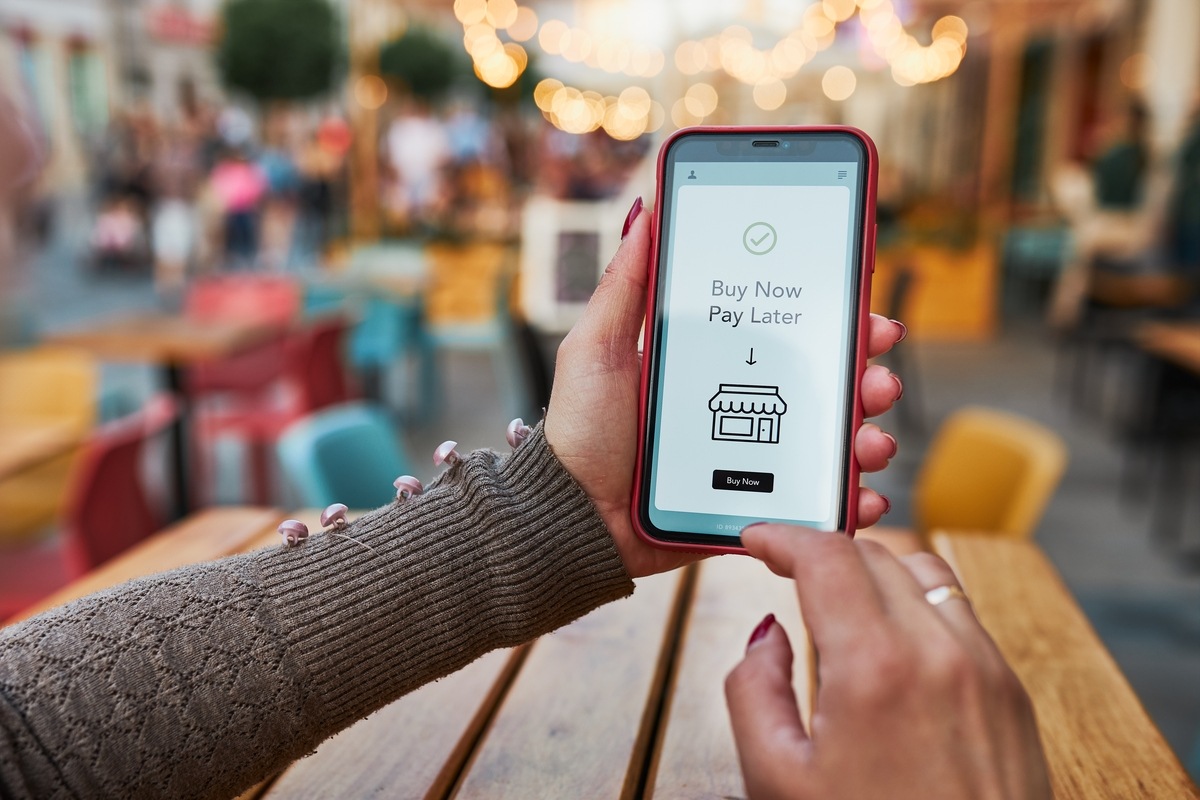
The Buy Now, Pay Later payment model is designed simply. It allows customers to choose BNPL at checkout, receive their purchases immediately, and pay in installments. For sellers, this means smoother transactions, reduced payment friction, and increased customer satisfaction. It’s a win-win situation that encourages repeat business.

Buy Now, Pay Later

Is BNPL a viable business model?

Absolutely! BNPL is not just a trend; it’s a thriving strategy for sellers. It’s all about adapting to the changing preferences of today’s shoppers. By offering BNPL, you can cater to a broader audience, enhance the shopping experience, and drive revenue growth. It’s a strategy that aligns with the demands of the modern marketplace.

What is the future of the BNPL market?

The future of the BNPL market holds immense promise for sellers. With technological advancements and changing consumer behaviors, BNPL is expected to continue evolving and expanding. Sellers who embrace this payment model early can position themselves as industry leaders, staying ahead of the curve and meeting the demands of their customers.

What is the success of BNPL?

BNPL’s success is rooted in its ability to meet the evolving needs of consumers. It offers simplicity, flexibility, and control over spending, making it a valuable addition to any seller’s payment options. Integrating BNPL allows you to tap into a broader customer base, increase sales, and improve customer loyalty. It’s more than just a payment method; it’s a response to the changing dynamics of modern commerce.

In conclusion, Buy Now, Pay Later is not just a payment option; it’s a strategic approach for sellers looking to enhance their business. Understanding its complexities. and benefits can position you as a forward-thinking seller in a dynamic and competitive market.

Embrace global expansion with Gr4vy

Expanding your business into new global markets can be both challenging and rewarding. Gr4vy is here to simplify the process for sellers like you. Our cloud-native platform offers immediate access to a wide range of payment providers and methods, making it easy to expand your business globally with just a few clicks. With Gr4vy, you can choose the payment solutions that align with your business strategy and adapt to market changes.

Ready to transform your payment experience?

  • Explore with freedom: Break free from limitations and enjoy the flexibility to choose or switch between Payment Service Providers (PSPs) based on your business’s unique needs.
  • Expand confidently: Seamlessly enter new markets with the support of a powerful, cloud-native platform that streamlines your global payment processes.
  • Engage with Gr4vy: Partner with a platform that’s more than just a tool; join a community focused on overcoming the complexities of global commerce together.

Begin your journey of global expansion with Gr4vy today. The world is your marketplace, and with Gr4vy, you can redefine how you handle payments, one transaction at a time. Contact us to get started.

What is shopping cart abandonment?

Understanding how customers behave is super important, especially in online shopping. A big challenge for online shops is when people put items in their shopping carts but don’t buy them. We call this shopping cart abandonment. In 2024, it’s still a big deal for businesses, and they’re always trying to improve their online stores to make customers happy. Let’s dive into shopping cart abandonment, why it happens, and what can be done.

What is the abandoned shopping cart theory?

The Abandoned Shopping Cart Theory examines why shoppers add items to their online carts but leave without completing the purchase. It’s not just about missing out on sales; it’s about understanding the shopper’s journey. Perhaps they’re put off by unexpected costs, complicated navigation, or security concerns. Recognizing these issues helps online stores refine their user experience and smooth the shopping process.

What happens when you abandon an online shopping cart?

Leaving an online shopping cart without buying is not just a lost sale for the store. It’s a cue for the store to analyze what went wrong. Ecommerce sites often track these incidents to identify patterns and improve the shopping experience. For you, the shopper, it might lead to the store reaching out with a discount or further assistance to encourage you to complete the purchase.

Why is shopping cart abandonment a problem for retailers?

For retailers, shopping cart abandonment is a direct hit to potential sales. It also signals possible site user-friendliness, pricing transparency, or trustworthiness issues. High abandonment rates prompt retailers to reassess their website’s functionality, competitive pricing, and security, ensuring a better shopping experience.

What is true about shopping cart abandonment?

Shopping cart abandonment is a complex issue. It’s an inevitable part of online shopping but also a rich source of insight. Understanding why shoppers abandon their carts—whether due to hidden fees, mandatory account creation, or something else—helps retailers smooth out the bumps in the shopping journey.

Why is abandoning a shopping cart bad?

Abandoning a shopping cart can be seen as negative because it’s a lost opportunity for a sale and can disrupt inventory management. For the shopper, it might be due to hesitation or an issue with the process. For retailers, it’s a signal to investigate and address any barriers, ultimately enhancing the shopping experience.

shopping cart abandonment

How do you deal with abandonment shopping carts?

Dealing with abandonment shopping carts involves a few strategies. Simplifying the checkout process can significantly reduce abandonment rates. This means offering diverse payment options, clear instructions, and transparent pricing. Following up with customers after abandonment with targeted communication can also encourage them to complete their purchase.

What is the difference between shopping cart abandonment and checkout abandonment?

Shopping cart abandonment occurs when a shopper adds items to their cart but leaves the site without proceeding to checkout. On the other hand, checkout abandonment happens when a shopper starts the checkout process but leaves before completing the purchase. Understanding the difference helps retailers pinpoint specific issues at different stages of the shopping process.

What is a good abandonment rate for checkout?

A good checkout abandonment rate varies by industry but is generally lower than the overall cart abandonment rate. A rate below the industry average is favorable, indicating that the checkout process is smooth and efficient, encouraging more completed purchases.

Does shopping cart abandonment happen more frequently?

Shopping cart abandonment rates can fluctuate based on factors such as the industry, market trends, and changes in consumer behavior. Keeping an eye on these trends helps retailers adapt and address their customers’ specific needs and concerns.

What is a good checkout abandonment rate?

A good checkout abandonment rate is below the industry average, indicating a checkout process that’s streamlined and user-friendly. Achieving a lower rate signifies a smooth, hassle-free checkout experience, which can lead to higher conversion rates and customer satisfaction.

Use real-time data to understand your customers

Harnessing the power of real-time data is crucial in understanding and catering to your customers’ preferences. With Gr4vy Flow, you can access an intuitive platform that simplifies rule setting, even if you’re not tech-savvy. This robust tool allows you to tailor the shopping experience based on various parameters such as geographic location, cart contents, currency, or any unique criteria specific to your business.

Gr4vy Flow is adept at addressing the issue of shopping cart abandonment. It empowers you to engage with your customers more effectively, offering them payment options and experiences that resonate with their needs and preferences. Don’t let the challenge of abandoned carts hinder your business growth. Embrace the capabilities of Gr4vy Flow to enhance your online store’s performance. Contact us to explore how we can assist you in transforming abandoned carts into successful transactions and fostering lasting customer loyalty.