GR4VY

Buy Now, Pay Later (BNPL): The Merchant’s Guide for 2025

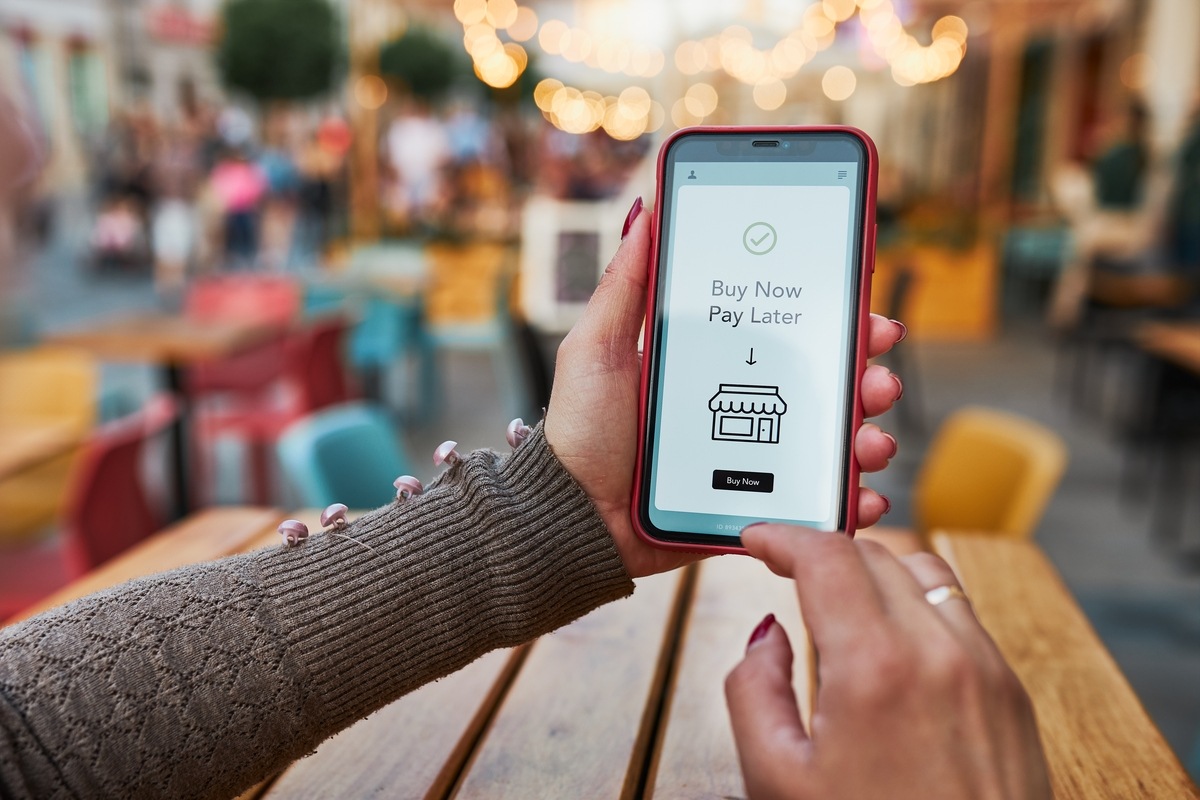
In today’s fast-paced market, Buy Now, Pay Later (BNPL) has become a game-changer, catching the attention of both savvy sellers and discerning shoppers. This innovative model is more than just a passing trend; it’s reshaping the way businesses think about payments and customer engagement. In this guide, we’ll dive into the BNPL universe, explore its potential benefits for sellers, and address key questions.

What is the catch with Buy Now, Pay Later?

When you hear about Buy Now, Pay Later, it might sound like a dream come true for both you and your customers. But, as a merchant, it’s essential to dig deeper. BNPL allows customers to make purchases and defer payments, which can be a win-win. However, there’s a catch. Late payments can lead to additional charges for customers. As a seller, understanding these nuances is crucial to offering BNPL effectively.

Is Buy Now, Pay Later good or bad?

The effectiveness of Buy Now, Pay Later for your business depends on your specific circumstances. For sellers who understand their customer base and have a well-defined strategy, BNPL can be a valuable tool. It can increase sales, attract new customers, and improve customer loyalty. However, if not implemented thoughtfully, it can also pose risks. Sellers must strike the right balance to make BNPL work in their favor.

How does the Buy Now, Pay Later model work?

The Buy Now, Pay Later model can significantly benefit sellers. It’s like having a payment partner that allows your customers to enjoy immediate gratification while spreading their payments over time. You can experience increased conversion rates, higher average order values, and reduced cart abandonment rates as a seller. The model’s simplicity and convenience can enhance the overall shopping experience for your customers.

Do you need a credit score for Buy Now, Pay Later?

Unlike traditional credit-based systems, Buy Now, Pay Later is relatively lenient regarding customer credit scores. Most BNPL services perform soft credit checks that do not impact customers’ credit scores significantly. This makes BNPL an attractive option for a broader customer base, including those with lower credit scores or limited credit histories.

Is Buy Now Pay Later a business model?

Buy Now, Pay Later is not just a payment option; it’s a comprehensive business model. As a merchant, integrating BNPL into your operations can open up new revenue streams. Partnering with BNPL providers allows you to offer flexible payment solutions, which can set you apart from competitors. It’s not merely a way to get paid; it’s a strategy to boost sales and foster customer loyalty.

How does Buy Now Pay Later make money?

Sellers often wonder how Buy Now, Pay Later services generate revenue. In most cases, BNPL providers earn fees from merchants for each transaction. These fees are typically higher than those associated with traditional payment methods. The convenience and flexibility offered by BNPL can encourage customers to spend more, making it a mutually beneficial arrangement for both sellers and BNPL providers.

What is the Buy Now Pay Later payment model?

The Buy Now, Pay Later payment model is designed simply. It allows customers to choose BNPL at checkout, receive their purchases immediately, and pay in installments. For sellers, this means smoother transactions, reduced payment friction, and increased customer satisfaction. It’s a win-win situation that encourages repeat business.
Buy Now, Pay Later

Is BNPL a viable business model?

Absolutely! BNPL is not just a trend; it’s a thriving strategy for sellers. It’s all about adapting to the changing preferences of today’s shoppers. By offering BNPL, you can cater to a broader audience, enhance the shopping experience, and drive revenue growth. It’s a strategy that aligns with the demands of the modern marketplace.

What is the future of the BNPL market?

The future of the BNPL market holds immense promise for sellers. With technological advancements and changing consumer behaviors, BNPL is expected to continue evolving and expanding. Sellers who embrace this payment model early can position themselves as industry leaders, staying ahead of the curve and meeting the demands of their customers.

What is the success of BNPL?

BNPL’s success is rooted in its ability to meet the evolving needs of consumers. It offers simplicity, flexibility, and control over spending, making it a valuable addition to any seller’s payment options. Integrating BNPL allows you to tap into a broader customer base, increase sales, and improve customer loyalty. It’s more than just a payment method; it’s a response to the changing dynamics of modern commerce.

In conclusion, Buy Now, Pay Later is not just a payment option; it’s a strategic approach for sellers looking to enhance their business. Understanding its complexities. and benefits can position you as a forward-thinking seller in a dynamic and competitive market.

Embrace global expansion with Gr4vy

Expanding your business into new global markets can be both challenging and rewarding. Gr4vy is here to simplify the process for sellers like you. Our cloud-native platform offers immediate access to a wide range of payment providers and methods, making it easy to expand your business globally with just a few clicks. With Gr4vy, you can choose the payment solutions that align with your business strategy and adapt to market changes.

Ready to transform your payment experience?

  • Explore with freedom: Break free from limitations and enjoy the flexibility to choose or switch between Payment Service Providers (PSPs) based on your business’s unique needs.
  • Expand confidently: Seamlessly enter new markets with the support of a powerful, cloud-native platform that streamlines your global payment processes.
  • Engage with Gr4vy: Partner with a platform that’s more than just a tool; join a community focused on overcoming the complexities of global commerce together.

Begin your journey of global expansion with Gr4vy today. The world is your marketplace, and with Gr4vy, you can redefine how you handle payments, one transaction at a time. Contact us to get started.


What is shopping cart abandonment?

Understanding how customers behave is super important, especially in online shopping. A big challenge for online shops is when people put items in their shopping carts but don’t buy them. We call this shopping cart abandonment. In 2024, it’s still a big deal for businesses, and they’re always trying to improve their online stores to make customers happy. Let’s dive into shopping cart abandonment, why it happens, and what can be done.

What is the abandoned shopping cart theory?

The Abandoned Shopping Cart Theory examines why shoppers add items to their online carts but leave without completing the purchase. It’s not just about missing out on sales; it’s about understanding the shopper’s journey. Perhaps they’re put off by unexpected costs, complicated navigation, or security concerns. Recognizing these issues helps online stores refine their user experience and smooth the shopping process.

What happens when you abandon an online shopping cart?

Leaving an online shopping cart without buying is not just a lost sale for the store. It’s a cue for the store to analyze what went wrong. Ecommerce sites often track these incidents to identify patterns and improve the shopping experience. For you, the shopper, it might lead to the store reaching out with a discount or further assistance to encourage you to complete the purchase.

Why is shopping cart abandonment a problem for retailers?

For retailers, shopping cart abandonment is a direct hit to potential sales. It also signals possible site user-friendliness, pricing transparency, or trustworthiness issues. High abandonment rates prompt retailers to reassess their website’s functionality, competitive pricing, and security, ensuring a better shopping experience.

What is true about shopping cart abandonment?

Shopping cart abandonment is a complex issue. It’s an inevitable part of online shopping but also a rich source of insight. Understanding why shoppers abandon their carts—whether due to hidden fees, mandatory account creation, or something else—helps retailers smooth out the bumps in the shopping journey.

Why is abandoning a shopping cart bad?

Abandoning a shopping cart can be seen as negative because it’s a lost opportunity for a sale and can disrupt inventory management. For the shopper, it might be due to hesitation or an issue with the process. For retailers, it’s a signal to investigate and address any barriers, ultimately enhancing the shopping experience.

shopping cart abandonment

How do you deal with abandonment shopping carts?

Dealing with abandonment shopping carts involves a few strategies. Simplifying the checkout process can significantly reduce abandonment rates. This means offering diverse payment options, clear instructions, and transparent pricing. Following up with customers after abandonment with targeted communication can also encourage them to complete their purchase.

What is the difference between shopping cart abandonment and checkout abandonment?

Shopping cart abandonment occurs when a shopper adds items to their cart but leaves the site without proceeding to checkout. On the other hand, checkout abandonment happens when a shopper starts the checkout process but leaves before completing the purchase. Understanding the difference helps retailers pinpoint specific issues at different stages of the shopping process.

What is a good abandonment rate for checkout?

A good checkout abandonment rate varies by industry but is generally lower than the overall cart abandonment rate. A rate below the industry average is favorable, indicating that the checkout process is smooth and efficient, encouraging more completed purchases.

Does shopping cart abandonment happen more frequently?

Shopping cart abandonment rates can fluctuate based on factors such as the industry, market trends, and changes in consumer behavior. Keeping an eye on these trends helps retailers adapt and address their customers’ specific needs and concerns.

What is a good checkout abandonment rate?

A good checkout abandonment rate is below the industry average, indicating a checkout process that’s streamlined and user-friendly. Achieving a lower rate signifies a smooth, hassle-free checkout experience, which can lead to higher conversion rates and customer satisfaction.

Use real-time data to understand your customers

Harnessing the power of real-time data is crucial in understanding and catering to your customers’ preferences. With Gr4vy Flow, you can access an intuitive platform that simplifies rule setting, even if you’re not tech-savvy. This robust tool allows you to tailor the shopping experience based on various parameters such as geographic location, cart contents, currency, or any unique criteria specific to your business.

Gr4vy Flow is adept at addressing the issue of shopping cart abandonment. It empowers you to engage with your customers more effectively, offering them payment options and experiences that resonate with their needs and preferences. Don’t let the challenge of abandoned carts hinder your business growth. Embrace the capabilities of Gr4vy Flow to enhance your online store’s performance. Contact us to explore how we can assist you in transforming abandoned carts into successful transactions and fostering lasting customer loyalty.

PCI DSS v4.0: All you need to know as a merchant for 2025

Welcome to 2025, a pivotal year for payment security! With PCI DSS v4.0 now in effect, it’s crucial for every merchant to understand and adapt to these new guidelines. This update is more than just a set of rules; it’s an opportunity to enhance how you secure customer transactions. We’re here to demystify PCI DSS v4.0, offering straightforward insights and practical advice to help you embrace these changes smoothly and confidently.

What are the PCI 4 levels?

PCI DSS compliance is categorized into four levels based on the volume of transactions a business processes annually. These levels help in determining the intensity and rigor of compliance procedures required.

  • Level 1: Applies to merchants processing over 6 million transactions per year. They are required to undergo an annual on-site audit by a Qualified Security Assessor (QSA).
  • Level 2: For merchants processing 1 to 6 million transactions annually. They must complete a Self-Assessment Questionnaire (SAQ).
  • Level 3: Aimed at merchants handling 20,000 to 1 million transactions per year. These merchants also complete an SAQ.
  • Level 4: Includes merchants processing fewer than 20,000 ecommerce transactions or up to 1 million total transactions annually. They must complete an SAQ and may need to undergo a network scan by an Approved Scanning Vendor (ASV).

What is the correct name for PCI 4?

The correct name for the latest standard is “PCI DSS v4.0.” It stands for Payment Card Industry Data Security Standard version 4.0. This version is an update to the existing security standards, aimed at providing a more robust framework for protecting cardholder data.

What PCI DSS stand for?

PCI DSS stands for Payment Card Industry Data Security Standard. It’s a set of security standards designed to ensure that all companies that accept, process, store, or transmit credit card information maintain a secure environment.

What Does PCI stand for?

PCI stands for Payment Card Industry. It refers to the debit, credit, prepaid, e-purse, ATM, and POS cards and associated businesses. The term is often used in the context of PCI DSS, which is the regulatory standard for securing card transactions.

Is PCI DSS required by law?

While PCI DSS itself is not a law, it is a standard enforced by major credit card companies. Non-compliance can lead to severe penalties, including fines and restrictions from card brands. In some regions, the principles of PCI DSS may align with local or national data security laws.

What is an example of a PCI DSS?

An example of a PCI DSS requirement is the mandate for encryption of transmission of cardholder data across open, public networks. This means that any time credit card information is sent over the internet, it must be encrypted to protect it from unauthorized interception.

Can a merchant Level 4 Business have ecommerce card transactions?

Absolutely. Merchant Level 4 businesses, typically smaller in scale, can conduct ecommerce card transactions. They must adhere to PCI DSS standards, including the latest updates in v4.0, to ensure transaction security.

What is new in PCI DSS 4?

PCI DSS 4.0 introduces several updates, such as enhanced flexibility in compliance methods, a focus on continuous security processes, and the integration of new technologies to combat evolving digital threats.

What is PCI 4.0 in summary?

PCI DSS 4.0 is a comprehensive update to the existing payment security standards. It focuses on continuous security, offers greater compliance flexibility, and addresses modern digital payment challenges.

What is the purpose of requirement 4 of PCI DSS?

Requirement 4 of PCI DSS ensures the secure transmission of cardholder data across open networks. It mandates the use of strong encryption to protect data during transmission, reducing the risk of data breaches.

Do we need to implement PCI DSS 4.0 now?

While the official deadline for PCI DSS 4.0 compliance is in March 2024, starting the transition now is recommended. Early adoption aids in smoother implementation and better prepares businesses against security threats.

Has PCI DSS 4.0 been released?

Yes, PCI DSS 4.0 has been released, signifying an important advancement in payment security standards. It’s tailored to address the changing landscape of payment security and introduces more adaptable and robust security practices.

The origin and evolution of PCI DSS

Since its inception in 2006, PCI DSS has been pivotal in ensuring payment security. Originating from a consortium of major card networks, it has evolved to keep pace with the complexities of modern payment systems. PCI DSS 4.0, the latest version, aims to redefine payment security standards.

Why PCI DSS 4.0 compliance is vital for your business

Complying with PCI DSS 4.0 is crucial for protecting customer data, preventing fraud, aligning with regulatory requirements, maintaining trust and reputation, and minimizing financial risks. In the era of digital transactions, adherence to these standards is key to business integrity and customer confidence.

How PCI compliance builds competitive advantage in e-commerce

For ecommerce entities, compliance with PCI DSS 4.0 can lead to increased customer loyalty, broader market access, operational efficiency, and enhanced partnership opportunities. It positions businesses as secure, trustworthy, and customer-centric.

Enhancing PCI DSS 4.0 understanding in your organization

Improving awareness and understanding of PCI DSS 4.0 within your organization involves comprehensive training, real-life simulations, easily accessible resources, regular audits, and leadership commitment. This not only helps in compliance but fosters a culture of security.

Benefits of outsourcing PCI compliance

Outsourcing PCI compliance to technology providers can be advantageous, offering specialized expertise, cost efficiency, risk mitigation, and scalability. It allows businesses to focus on core activities while ensuring adherence to PCI standards.

Step into the future of payment security with Gr4vy

As the transition to PCI DSS 4.0 gains momentum towards the 2025 deadline, it’s crucial for merchants to align with platforms that ensure compliance and foster growth. Gr4vy stands at the forefront of this transition, offering a streamlined, secure, and scalable payment solution.

With Gr4vy’s cloud-based infrastructure, you are not only embracing PCI DSS 4.0 compliance but also unlocking potential for rapid business scaling. Integrating with Gr4vy means you are choosing a platform that inherently meets these new compliance standards, simplifying your journey towards a secure digital transaction environment. And most important, Gr4vy is ready for PCI DSS 4.0.

Take action now: To explore how Gr4vy can revolutionize your payment processes and align your business with PCI DSS 4.0, we invite you to reach out. Connect with us and let Gr4vy be your partner in navigating the evolving landscape of payment security. Embrace the future confidently with Gr4vy, where compliance meets innovation.

What is payment fraud: an updated guide for 2025

Navigating the world of online transactions in 2025 has become increasingly vital for businesses and everyday people. In a time where almost every transaction, from buying a cup of coffee to managing large-scale business operations, happens online, the risks associated with these transactions have also escalated. Simply put, payment fraud occurs when someone illegally uses your money or payment information. It can range from unauthorized credit card charges to complex scams designed to steal financial assets.

As technology continues to advance, so do the tactics of fraudsters. They are constantly finding new and more sophisticated ways to exploit online systems, which makes combating payment fraud a relentless and evolving challenge. This surge in fraudulent activities represents a significant threat not just to individual shoppers, but also to the integrity and financial health of businesses across the globe.

Types of payment fraud

Understanding the Types of payment fraud is essential in developing effective countermeasures. Payment fraud can manifest in various forms, each with unique challenges and implications.

Credit card fraud

Credit Card Fraud is one of the most prevalent types of payment fraud. It involves unauthorized use of someone’s credit or debit card information to make purchases or withdraw funds. Credit card fraud can occur through physical theft, online data breaches, or card skimming devices.

What is payment fraud and abuse?

The question what is payment fraud and abuse?” extends beyond unauthorized transactions. It also encompasses the misuse of payment systems in a way that’s not necessarily illegal but is deceptive or unethical, such as exploiting loopholes for financial gain.

What is regular payment fraud?

Regular payment fraud refers to common fraudulent activities conducted through standard payment channels, including credit and debit card misuse, bank fraud, and online transaction fraud.

Can you report payment fraud?

Victims often ask, can you report payment fraud? Yes, it’s imperative to report any suspected payment fraud to relevant authorities, financial institutions, and if applicable, the police.

What payments are considered improper payments?

In the context of fraud, “What payments are considered improper payments?” typically refers to transactions that don’t comply with legal, contractual, or administrative requirements. This might include overpayments, underpayments, or payments made to ineligible recipients.

Phishing

Phishing is a deceptive practice where fraudsters trick individuals into providing sensitive data like login credentials or credit card details. This is often done through seemingly legitimate emails or websites.

Identity theft

Identity Theft is a critical component of payment fraud. It involves fraudsters impersonating someone else to make unauthorized transactions or open new accounts using the victim’s personal information.

Chargeback fraud

Chargeback Fraud, also known as “friendly fraud,” occurs when a consumer makes an online purchase and then requests a chargeback from the issuing bank after receiving the purchased goods or services.

Expanding on various types of payment fraud

In addition to the above, let’s delve deeper into other prevalent types of payment fraud:

Friendly fraud

Often overlooked, Friendly Fraud happens when a customer makes an online purchase and then claims it as unauthorized, despite receiving the product or service. It’s a challenging issue for merchants as it’s hard to distinguish from genuine fraud.

Skimming

Skimming involves illegally capturing credit or debit card information through devices installed on card readers. ATMs and gas station pumps are common targets for skimmers.

Card testing fraud

Card Testing Fraud occurs when a fraudster uses stolen card information to make small transactions to test if the card is still active and not reported as stolen.

Account takeover

In Account Takeover, fraudsters gain unauthorized access to a user’s account and make transactions or changes without the account holder’s knowledge.

Wire transfer fraud

Wire Transfer Fraud involves tricking individuals or businesses into transferring money under false pretenses. It’s often executed via phishing or hacking into email accounts.

Man-in-the-Middle attacks

Man-in-the-Middle Attacks happen when fraudsters intercept communication between two parties to steal data or alter communications for fraudulent purposes.

Return fraud

Return Fraud includes various tactics where individuals defraud a store through the return process, such as returning stolen goods for cash or using counterfeit receipts.

Merchant identity fraud

In Merchant Identity Fraud, scammers create fake merchant profiles or websites to collect payment information from unsuspecting customers.

Counterfeit fraud

Counterfeit Fraud refers to the use of forged or fake payment instruments, like credit cards and checks, to make purchases or withdraw cash.

Triangulation fraud

Triangulation Fraud involves three parties: the unsuspecting customer, the fraudulent seller, and a legitimate online marketplace. Customers think they are purchasing through a legit site, but the fraudster uses stolen card information to buy the goods from the real seller.

What is payment fraud

EMV (Chip) card fraud

Despite the security of chip-enabled cards, EMV (Chip) Card Fraud still occurs, mainly through card-not-present transactions, like online purchases.

Pagejacking

Pagejacking is when fraudsters clone a legitimate website to redirect traffic to a fraudulent site, often used in phishing scams.

Affiliate fraud

Affiliate Fraud includes actions that inflate or falsify affiliate marketing transactions to generate unearned revenue.

Advanced fee fraud

Advanced Fee Fraud involves convincing someone to pay a fee upfront to receive something of greater value, like a loan or prize, which never materializes.

Overpayment fraud

In Overpayment Fraud, a scammer overpays for a product or service and then asks the seller to refund the excess amount, typically using a fraudulent check.

CEO fraud/business email compromise

CEO Fraud/Business Email Compromise is a sophisticated scam targeting businesses, where fraudsters pose as company executives to authorize fraudulent financial transfers.

As we conclude our guide on understanding and navigating the complex landscape of payment fraud in 2025, it’s important to focus on solutions that not only combat these fraudulent activities but also enhance your business’s overall performance and customer experience.

Increase conversion and drive profitability

In today’s competitive market, providing a personalized payment experience to every customer is key to increasing conversion rates and driving profitability. By offering a variety of payment options tailored to their preferences, you can significantly improve customer satisfaction and loyalty.

Enter Gr4vy – a revolutionary cloud-native payment orchestration platform that empowers you to route any transaction to your Payment Service Provider (PSP) of choice. Gr4vy is designed to help your business in several critical areas:

Reduce fraud and chargebacks: Gr4vy’s advanced system helps in identifying and preventing fraudulent transactions, thereby reducing the incidence of chargebacks.

Optimize processing fees: With Gr4vy, you have the flexibility to route transactions in a way that minimizes processing fees, ensuring more cost-effective payment processing.

Reduce transaction costs: By streamlining the payment process, Gr4vy aids in reducing overall transaction costs, contributing to better financial efficiency.

Restrict the sale of prohibited goods: The platform ensures compliance with regulations by restricting transactions involving prohibited goods, safeguarding your business.

And more: Gr4vy’s capabilities extend beyond these core areas, offering a comprehensive solution for modern payment processing needs.

Ready to transform your payment processing?

Are you looking to enhance your payment processing capabilities, reduce fraud, and drive more profitable transactions? Gr4vy is here to assist. Get in touch to learn more about how our platform can be tailored to meet your specific business needs. Our team of experts is ready to guide you through every step of the process, ensuring a seamless transition and an optimized payment experience.

Contact us today

Don’t let payment fraud hinder your business growth. Reach out to Gr4vy today and take the first step towards a more secure, efficient, and profitable payment process. Visit our website or drop us an email for more information or to schedule a consultation.

Remember, with Gr4vy, you’re not just choosing a payment platform; you’re choosing a partner dedicated to your business’s success in the dynamic world of digital transactions. Contact us now and elevate your payment processing!

What is an alternative payment method and how can your business benefit from it

Let’s talk about the changing face of business transactions. It’s an exciting time in the world of commerce, with alternative payment methods (APMs) opening up new possibilities for businesses big and small. This guide is crafted to walk you through these exciting developments in a straightforward and professional manner. Whether you’re a small startup or a well-established enterprise, understanding and leveraging APMs can be a real game changer for your business. So, let’s explore together how these alternative methods can unlock new potentials and drive your business forward.

Description of alternative payment methods

  1. Digital wallets (e.g., PayPal, Apple Pay, Google Wallet): These are electronic devices or online services that allow individuals to make electronic transactions. Users can link their bank accounts or credit cards to these wallets for seamless transactions.
  2. Bank transfers (e.g., Wire Transfers, ACH Payments): This method involves the direct transfer of funds from one bank account to another. It’s often used for larger transactions and can be facilitated online or in person at a bank.
  3. Cryptocurrency (e.g., Bitcoin, Ethereum): Cryptocurrencies are digital or virtual currencies that use cryptography for security. They are decentralized and operate on a technology called blockchain. Transactions are generally secure, fast, and can cross international borders without traditional banking fees.
  4. Buy now, pay later (BNPL) Services (e.g., Klarna, Afterpay): This method allows consumers to purchase goods immediately and pay for them over time, typically in installments. It’s a form of short-term financing and is becoming increasingly popular in ecommerce.
  5. Mobile payments (e.g., Venmo, Zelle): These are payments made through mobile devices. They are convenient for peer-to-peer transfers and are increasingly accepted by merchants.
  6. Prepaid cards: These are cards that are loaded with a set amount of money and can be used like a debit or credit card. They are beneficial for consumers who don’t have bank accounts or prefer not to use their credit or debit cards online.
  7. E-Invoices: This involves sending an invoice electronically and allowing the customer to pay through various online methods. It’s commonly used in B2B transactions.
  8. Direct debits: This method allows a business to take payments directly from a customer’s bank account with their permission. It’s commonly used for recurring payments, like subscriptions.

Benefits of Alternative Payment Methods for Businesses

  1. Wider customer reach: By offering multiple payment options, businesses can cater to a wider audience with diverse payment preferences.
  2. Enhanced convenience for customers: APMs like digital wallets and mobile payments offer a quick and seamless checkout process, improving customer satisfaction.
  3. Lower transaction costs: Some APMs, especially direct bank transfers and certain digital wallets, may have lower fees compared to traditional credit card transactions.
  4. Improved security: Methods like cryptocurrency and digital wallets often incorporate advanced security features, reducing the risk of fraud.
  5. Access to international markets: APMs facilitate cross-border transactions, making it easier for businesses to expand globally.
  6. Faster payment processing: Certain APMs offer quicker settlement times, which can improve cash flow for businesses.
  7. Adaptability to mobile commerce: With the rise of mobile shopping, having APMs like mobile payments is crucial for businesses to remain competitive.
  8. Valuable customer data: APMs can provide insights into customer behavior, which can be used for targeted marketing and business strategy.
  9. Environmentally friendly: Digital payment methods are often more sustainable than paper-based methods, aligning with the eco-friendly goals of many businesses.
  10. Flexibility in payments: Methods like BNPL offer customers flexible payment options, potentially leading to increased sales.

alternative payment method

What is the alternative to payment?

The alternative to traditional payment methods like cash and credit cards are the APMs. These methods, ranging from digital wallets to cryptocurrencies, represent the evolution of payment systems in the digital era. They offer versatility and cater to the modern consumer’s need for convenience and security.

What is an alternative method that can be used to make payments?

An alternative method to make payments encompasses a range of options like digital wallets, bank transfers, cryptocurrencies, and BNPL services. These methods provide flexibility and ease, catering to different consumer preferences and transaction types.

Why is payment method important in business?

The choice of payment method is vital in business as it directly affects customer experience, transaction security, and operational efficiency. Offering a variety of payment options is crucial in today’s market to ensure customer satisfaction and loyalty, ultimately impacting the business’s bottom line.

Which payment method is best and why?

The “best” payment method depends on the business’s specific needs and customer base. However, digital wallets and mobile payments are gaining popularity due to their convenience and speed, making them a preferred choice for many businesses.

What does payment method mean in business?

In business, the payment method signifies not just the way transactions are processed but also a tool for customer engagement and market expansion. It involves understanding and catering to customer preferences, ensuring secure and efficient transactions, and leveraging these methods for business growth.

Incorporating APMs into a business strategy can provide significant advantages, including reaching a broader audience, improving customer satisfaction, and enhancing operational efficiency. As the world moves further into the digital age, staying updated with these payment methods is crucial for the growth and success of any business.

Take Control of Your Payment Strategy with Gr4vy

In the world of business, having the right payment strategy is key. That’s where we at Gr4vy come in. We get how important it is to offer a variety of payment methods, work with different payment providers, and create payment workflows that make sense for your business. Our goal? To help you make the most of every transaction.

If you’re ready to step up your payment game, we’re here to help. Let’s talk about how we can work together to streamline your payment systems, keep your customers happy, and drive your business forward.

Reach out to us at Gr4vy. We’re excited to work with you and tailor a payment plan that fits just right with your business needs. Contact us now, and let’s get started on transforming your transaction experience.

How to maximize payment efficiency through payment orchestration

Today’s businesses face a real challenge: managing payments involves using up to five or six different services, from choosing payment methods to handling fraud and keeping track of it all in accounting software. Within this scenario, it’s no surprise that finding simpler, more efficient ways to handle these processes is high on the priority list for many. This is where payment orchestration comes in. It’s a smart way to bring all these different parts together, making the whole payment process smoother and easier to manage. Let’s delve into how payment orchestration works, why it’s so important, and how it can make a big difference for merchants looking to improve how they handle payments.

What is the difference between payment processing and payment orchestration?

First off, it’s essential to distinguish between payment processing and payment orchestration. Payment processing is about completing a sale – it’s the process that happens when a customer pays. On the other hand, payment orchestration is a bigger-picture approach. It involves managing and streamlining all the different ways payments can be processed. This includes not just choosing the best payment methods but also ensuring security and making sure everything runs smoothly and efficiently.

What is the benefit of an orchestration layer?

So, why add an orchestration layer to your payment systems? The biggest advantage is efficiency. With an orchestration layer, you can manage multiple payment methods and gateways in one place. This setup helps make smart decisions about which payment route to use for each transaction based on factors like cost, success rate, and customer preference. It’s like having a smart assistant that picks the best path for each payment, saving you time and money and often giving your customers a better experience.

What is the meaning of payment orchestration?

Payment orchestration is all about coordination and management. It means setting up your payment systems in a way that they work together seamlessly. Think of it like an orchestra where each instrument plays a different part, but together they create a harmonious sound. In payment orchestration, each payment method or service is an instrument, and the orchestration part makes sure they all work together to create a smooth, efficient payment process.

What are the use cases for payment orchestration?

When it comes to use cases for payment orchestration, there are several scenarios where it can be a game changer. For instance, if you’re selling globally, you need to handle different currencies and payment methods preferred in different countries. Orchestration helps in managing these varied options efficiently. It’s also great for subscription-based services, where regular billing and payment updates are needed. In ecommerce, where quick and hassle-free payments are crucial, orchestration can streamline the process, reducing cart abandonment.

What are payment orchestrators responsible for?

Payment orchestrators have a big role. They are responsible for managing the entire payment ecosystem. This includes choosing the right payment gateways, ensuring transactions are secure, dealing with transaction failures, and providing data analytics. They’re like the conductors of the payment process, making sure everything runs smoothly from start to finish.

How to improve payment efficiency through payment orchestration

Now, let’s expand on the strategies to maximize payment efficiency through payment orchestration:

  1. Integrating multiple payment methods: By offering a variety of payment options, you cater to every customer’s preference. This isn’t just about convenience; it’s about providing a service that meets everyone’s needs, leading to better customer satisfaction and fewer lost sales.
  2. Automating payment processes: Automation is a key factor in efficiency. It means less manual work and fewer errors. Automating things like updating payment information and managing recurring billing not only saves time but also ensures a smooth experience for your customers.
  3. Using smart routing: Smart routing is about choosing the best path for each payment. It considers things like which gateway is most reliable or cost-effective for a specific transaction. This can help you save on fees and increase the chances of successful transactions.
  4. Implementing fraud detection and security measures: Security is non-negotiable. By using the latest in fraud detection and sticking to high security standards, you protect not just your business, but also your customers. This builds trust, which is crucial for any business.
  5. Optimizing for mobile payments: With more and more people shopping on their phones, your payment process must be mobile-friendly. A smooth mobile payment experience can keep customers coming back.
  6. Leveraging data analytics: Data is powerful. By analyzing your payment data, you can spot trends, identify issues, and make informed decisions to improve your payment process.
  7. Scalability and flexibility: As your business grows, your payment system should grow with it. Choosing scalable and flexible payment solutions means you can easily add new payment methods or expand to new markets without a hitch.
  8. Effective vendor management: Good relationships with payment vendors are key. Regularly evaluating their performance and negotiating better terms can lead to more favorable deals and improved services.
  9. Focusing on user experience: A quick and easy checkout process is a must. Making sure your payment process is user-friendly can significantly cut down on abandoned carts and boost sales.
  10. Staying compliant: Keeping up with payment regulations is crucial. Compliance not only keeps you out of legal trouble but also assures your customers that you’re a responsible and trustworthy merchant.

By adopting these strategies, you can make your payment process more efficient, cost-effective, and customer-friendly, leading to a better overall performance for your business. Payment orchestration isn’t just a technical upgrade; it’s a strategic move toward a more successful and customer-centric business model.

Maximize efficiency with Gr4vy

Gr4vy revolutionizes your payment process by intelligently directing transactions to the most suitable PSP, reducing fraud, chargebacks, and optimizing processing fees. This efficiency translates into cost savings for your business and a seamless experience for your customers.

Our commitment to customization ensures that your unique business needs are met. With Gr4vy, you gain a partner who understands the nuances of ecommerce and offers tailored solutions to enhance both security and customer satisfaction.

To experience the full benefits of optimized payment orchestration, connect with Gr4vy today. Let us help you transform your payment process into a more profitable, secure, and customer-focused operation.

7 key actions to optimize your payment strategy

In the competitive landscape of digital commerce, an effective payment strategy is more than a necessity—it’s a driver of success. For businesses looking to streamline their operations and enhance customer satisfaction, understanding the nuances of payment optimization is key. This article breaks down the process into digestible steps, answering critical questions and providing actionable insights.

How do you optimize payments?

Optimizing payments is about enhancing the efficiency and effectiveness of how your business handles transactions. It’s a strategic process of evaluating and improving your payment methods and systems. This involves assessing transaction costs, analyzing payment success rates, and ensuring robust security measures. An optimized payment process can lead to cost reductions, increased customer satisfaction, and improved cash flow.

How do you create a payment strategy?

Creating a payment strategy involves a thorough assessment of your business needs and customer preferences. Consider the nature of your products or services, the locations of your customers, and their preferred payment methods. The goal is to integrate a mix of payment solutions and technologies that cater to these factors, ensuring a smooth transaction process for both your business and your customers.

Why is a payment strategy important?

A payment strategy is crucial as it directly impacts the customer experience and your business’s operational efficiency. A well-crafted strategy ensures that transactions are secure, fast, and convenient for customers, which can significantly influence their decision to complete a purchase. For the business, an efficient strategy means lower transaction costs, reduced errors, and better cash flow management.

Key Actions to Optimize Your Payment Strategy

  • Leverage intelligent routing for efficiency and cost savings: Utilize intelligent routing to direct transactions to the most suitable Payment Service Provider (PSP). This approach helps reduce transaction costs, increase success rates, and ensure business continuity during PSP downtimes.
  • Personalize payment options with dynamic rules: Tailor your payment methods to customer preferences based on location, cart contents, and transaction value. This personalization can significantly boost customer satisfaction and conversion rates.
  • Implement sophisticated retry logic to minimize failed payments: Advanced retry logic is essential in reducing the occurrence of failed payments. This not only enhances the customer experience but also minimizes lost sales.
  • Optimize transactions with customizable workflows: Use customizable workflows to ensure each transaction is processed efficiently. This involves creating and designing payment workflows that best suit your business model.
  • Use data analytics for continuous improvement: Regular analysis of payment data is crucial. It helps gain insights into customer preferences and successful transaction patterns, guiding continuous improvement in your payment strategy.
  • Stay compliant and secure: Emphasize the importance of security and compliance in transaction handling. Ensure your payment solutions are up to date with industry standards to protect both your business and your customers.
  • Embrace multi-currency and cross-border transactions: Expand your reach by facilitating multi-currency and cross-border transactions. This approach is key for businesses aiming for a global presence.

What is a payment strategy?

Payment strategy is the comprehensive approach a business takes to manage its transaction processes. This includes choosing suitable payment methods, integrating appropriate technologies, and establishing effective transaction management policies. A well-devised strategy caters to the specific needs of a business and its customers, ensuring transactions are smooth, secure, and cost-effective.

What are the advantages of faster payment services?

The advantages of faster payment services include enhanced cash flow, increased customer satisfaction, and improved operational efficiency. Fast transactions enable businesses to reinvest funds quickly, adapt to market changes, and offer customers the immediacy they often seek in today’s digital world.

What are the benefits of payments as a service?

Payments-as-a-service (PaaS) provides scalability, technological advancement, and compliance ease. It’s particularly advantageous for small to medium-sized businesses that need flexible and innovative payment solutions without heavy investment in infrastructure.

In summary, optimizing your payment strategy involves a blend of technological integration, strategic planning, and continuous improvement. By following these key actions and understanding the underlying principles, businesses can achieve a seamless payment process that not only satisfies their customers but also drives growth and efficiency.

Elevating Your Payment Strategy with Gr4vy

As we wrap up our discussion on optimizing payment strategies, it’s essential for us at Gr4vy to share how our platform can transform your approach. We’ve designed Gr4vy with the capability to route cards, wallets, and other payment methods to different PSPs, ensuring efficiency and reliability, especially with our failover routing during PSP downtimes. This adaptability is crucial in providing uninterrupted customer service, a core value we uphold at Gr4vy.

We understand the importance of personalization in payment processing. That’s why our platform allows you to create rules and dynamic filters tailored to specific variables such as country, shopping cart content, and currency. This level of customization ensures that every customer experiences a payment process that aligns with their preferences, increasing satisfaction and boosting conversion rates.

At Gr4vy, we’re not just about accepting multiple payment methods; we’re about creating an optimized, customer-centric transaction experience. If enhancing your payment processes and providing a seamless experience for your customers is your goal, we invite you to explore what Gr4vy can offer. Our platform’s flexibility to work with a wide range of payment providers and the ability to design your own payment workflows put your business at the cutting edge of payment innovation. For more information or to discover how Gr4vy can elevate your business’s payment strategy, feel free to contact us at Gr4vy

Optimizing your checkout to accept payments globally

In the ever-expanding world of ecommerce, the ability to cater to a global audience is not just an advantage but a necessity. As businesses strive to reach customers across different continents, optimizing the checkout process for international transactions becomes crucial. This comprehensive guide will explore how you can refine your checkout to accept global payments efficiently, enhancing user experience and boosting conversion rates.

What is checkout optimization?

Checkout optimization is the process of streamlining the online checkout experience to make it as efficient, user-friendly, and secure as possible. This involves reducing friction points that can lead to cart abandonment, ensuring the checkout process is straightforward, and accommodating the diverse needs of a global customer base. By optimizing the checkout process, businesses can significantly increase their sales and customer satisfaction levels.

How can you improve my checkout process?

Improving your checkout process requires a combination of strategic planning and understanding your customers’ needs. Here are some key strategies:

  1. Simplify the checkout flow: Aim for a checkout process that is intuitive and straightforward. Minimize the number of steps required to complete a purchase.
  2. Offer multiple payment options: Cater to various preferences by providing different payment methods such as credit/debit cards, PayPal, and other region-specific options.
  3. Enhance mobile compatibility: With a growing number of consumers shopping on mobile devices, ensure your checkout is optimized for mobile users.
  4. Provide clear information: Be transparent about costs, shipping options, and return policies. Uncertainty can deter customers from completing their purchases.
  5. Prioritize security: Implement and highlight robust security measures to protect customer data, building trust and confidence.

How do you optimize payments?

Optimizing payments involves making the payment process as seamless and flexible as possible. It includes offering a range of payment methods, supporting multiple currencies, and ensuring the payment gateway is reliable and secure. Understanding and implementing the most preferred payment methods in different regions can significantly impact your global reach and customer satisfaction.

How do I optimize my ecommerce checkout page?

To optimize your ecommerce checkout page, focus on the user experience. The goal is to design a checkout process that is intuitive, fast, and reassuring. This includes:

  • A clean, distraction-free design.
  • Clear calls to action.
  • Reassuring trust signals like security badges.
  • Real-time support options such as chatbots or customer service links.

Optimizing checkout

How can I improve my ecommerce checkout?

Improving your ecommerce checkout goes beyond the design and technical aspects. It’s about understanding the customer’s journey and removing any hurdles that might impede the completion of a sale. Some effective strategies include:

  • Streamlining form fields: Only ask for essential information.
  • Offering guest checkout options: Not every customer wants to create an account.
  • Showing progress indicators: Let customers know how many steps are involved in the checkout process.

Optimizing checkout for global payments

When you’re dealing with a global customer base, your checkout needs to address various international payment preferences and standards. Here’s an expanded look at the tips mentioned earlier:

  1. Use a single-page checkout process: Simplify the checkout process with a single-page layout. This approach reduces the time and effort required to complete a purchase, which is especially beneficial for international customers who might be dealing with language barriers or different payment methods.
  2. Provide multiple payment options: Diverse payment methods cater to a global audience. While credit cards are widely accepted, alternative payment methods like digital wallets and bank transfers are preferred in many countries.
  3. Stored payment information: For returning customers, the ability to save payment information (with robust security measures) can expedite the checkout process, making it more convenient and encouraging repeat business.
  4. Choosing the right payment gateway: The payment gateway should not only be secure and reliable but also support multiple currencies and payment methods. This flexibility is key to accommodating international customers.
  5. Multi-currency support: Customers are more likely to complete a purchase if they can see prices and pay in their local currency. This feature can significantly enhance the shopping experience for international buyers.
  6. Localized payment options: Offer payment methods that are popular in the customer’s region. For example, integrating Alipay can be a wise choice for customers in China.
  7. Language localization: Providing multiple language options on your checkout page can greatly enhance the customer experience for non-English speakers.
  8. Mobile-friendly design: A significant portion of global online shopping is done via smartphones. Ensuring that your checkout process is optimized for mobile devices is critical.
  9. Transparent pricing: Include all costs, such as taxes and shipping upfront. Hidden costs are a major deterrent for customers at the checkout.
  10. Security and trust signals: Displaying security badges and using SSL encryption helps in building trust, especially with international customers who might not be familiar with your brand.

By implementing these strategies, you can create a checkout experience that not only caters to a diverse global audience but also boosts your brand’s credibility and customer loyalty. Remember, the key to a successful global ecommerce business lies in understanding and addressing the unique needs of customers from different regions. A well-optimized checkout process is an integral part of this strategy.

Secure optimal pricing and reliability with Gr4vy

In conclusion, while optimizing your checkout process for global payments, it’s essential to consider not just the user experience but also the cost-effectiveness and reliability of the payment platform you choose. This is where Gr4vy comes into play, offering an innovative solution for businesses looking to enhance their transaction efficiency and pricing.

Get better pricing for your payments: One of the standout features of Gr4vy is its ability to offer least-cost routing. This means that for every transaction, Gr4vy intelligently routes the payment through the most cost-effective channel. By doing this, your business can save on transaction fees and ensure that you are getting the best possible pricing for each payment processed.

Securing platform reliability: In the digital payment landscape, reliability is as crucial as cost efficiency. Gr4vy understands this and offers a platform that is not only reliable but also robust and secure. With Gr4vy, you can rest assured that your global transactions are processed smoothly, minimizing downtimes and technical difficulties that can affect customer experience.

Optimal pricing and increased approval rates: Gr4vy’s platform is designed to optimize pricing on a transaction level. This tailored approach can lead to increased approval rates for payments. By efficiently managing payment processing, Gr4vy helps in reducing declined transactions, which is a significant benefit for businesses operating on a global scale.

Integrating Gr4vy into your checkout process means embracing a solution that offers both financial efficiency and reliable performance. As the global market continues to evolve, having a payment processing partner that can provide optimal pricing and high approval rates is invaluable. Gr4vy represents a step forward in achieving a seamless, cost-effective, and reliable checkout process for businesses aiming to thrive in the global marketplace.

Take your payments global with ease: Looking for a smarter way to handle your online payments? Check out our service, which streamlines your checkout process, making it easier for customers around the world to buy from you. Plus, we help you save money on each transaction. Ready to get started? Click here to learn more about Gr4vy and see how we can help boost your business!

Benefits of payment orchestration for businesses

Payment orchestration is revolutionizing how businesses manage their payment stack.. By offering an integrated and streamlined approach, it addresses the complexities and challenges of modern payment processing. Let’s delve deeper into the aspects of payment orchestration that make it a crucial tool for businesses of all sizes. This concept, although relatively new, is transforming how businesses handle their payment systems, making it a crucial aspect to understand and implement.

Payment orchestration meaning

At its core, payment orchestration refers to the methodical integration and management of various payment processing systems and services within a unified platform. This method allows businesses to handle a multiplepayment processes in a streamlined and cohesive manner. It’s a strategic approach that aligns different payment gateways, methods, and currencies, providing a seamless experience for both the business and its customers. By simplifying the complexities associated with managing multiple payment systems, payment orchestration ensures that transactions are smooth, secure, and efficient.

What are payment orchestrators responsible for?

Delving deeper into the role, payment orchestrators are pivotal in managing the varied nature of digital payments. Their responsibilities cover a broad range of functions including the integration of diverse payment processors, strategic routing of transactions to optimize success rates, adhering to compliance and security standards, and implementing fraud prevention mechanisms. By effectively managing these components, payment orchestrators enable businesses to focus on their core operations without being bogged down by the difficulties of payment processing.

Why is the payment process important to a business?

It is a critical element that impacts customer satisfaction, operational efficiency, and ultimately, the bottom line. A streamlined and secure payment process enhances the overall customer experience, increasing trust and loyalty. Furthermore, it reduces instances of cart abandonment and fosters higher conversion rates. In a world where customers seek convenience and security, having an efficient payment process is a significant competitive advantage.

What is the benefit of orchestration layer?

The benefit of the orchestration layer in payment processing is multi-fold. This layer acts as a central hub, bringing together various payment services, risk providers and alternative payment methods under one roof. This consolidation results in improved operational efficiency, as businesses can manage all their payment needs through a single interface. It also offers enhanced data analytics and insights, which are crucial for making informed business decisions. Moreover, the orchestration layer facilitates better risk management and compliance adherence, ensuring that all transactions are secure and up to standard.

What is a payment orchestration platform?

A payment orchestration platform represents a comprehensive solution that integrates different payment services, acquires, fraud providers, and alternative payment methods  into a singular, manageable framework. This platform allows businesses to handle various payment methods, currencies, and transaction types efficiently. It is especially beneficial for businesses operating globally, as it provides the versatility needed to cater to a diverse customer base. Such platforms often come equipped with advanced features like smart routing, fraud detection, and real-time analytics, further enhancing their utility.

What are the features of payment orchestration?

The features of payment orchestration are diverse and cater to various aspects of payment processing. Key features include integration with multiple payment providers, sophisticated routing algorithms to ensure transaction success, advanced fraud prevention mechanisms, compliance and security management, and comprehensive analytics. These features collectively contribute to making payment orchestration a robust and indispensable tool for businesses looking to optimize their payment processes.

What is the difference between payment gateway and payment orchestration?

Understanding the difference between a payment gateway and payment orchestration is crucial. A payment gateway is a tool that facilitates the processing of online transactions, acting as a bridge between a merchant and the financial institutions involved. In contrast, payment orchestration encompasses a broader scope, managing not just a single gateway but multiple payment services and platforms. It provides businesses with greater flexibility, control, and insight into their payment operations, which is not possible with a standalone payment gateway.

What is the difference between payment instrument and payment system?

Distinguishing between a payment instrument and a payment system is essential. A payment instrument is the means through which a payment is made, such as credit cards, debit cards, digital wallets, and bank transfers. On the other hand, a payment system refers to the entire infrastructure that facilitates the processing of these payments. This includes the payment gateways, financial institutions, and the networks that connect them. While payment instruments are the front-end tools used by customers, the payment system is the backend framework that ensures the smooth execution of transactions.

What is a payment aggregator vs a payment gateway?

When comparing a payment aggregator with a payment gateway, it is important to note their distinct roles. A payment aggregator allows businesses to accept various forms of payments under one account, simplifying the process of managing multiple payment methods. It acts as an intermediary, aggregating transactions from different customers and processing them through a single channel. A payment gateway, however, is focused on facilitating individual transactions between a merchant and the bank or financial institution. It is a more direct link in the payment processing chain, without the aggregation aspect.

Is payment orchestration suitable for small businesses?

When considering payment orchestration for small businesses, it’s important to recognize that these systems are not just for large enterprises. Small businesses can greatly benefit from payment orchestration as it can simplify their payment processes, reduce overhead costs associated with managing multiple payment systems, and provide access to advanced analytics and reporting. For small businesses aiming to expand their market reach and streamline their payment systems, payment orchestration offers a scalable and efficient solution.

Payment orchestration and security

Payment orchestration and security are inseparably linked. One of the major advantages of using a payment orchestration platform is the enhanced security it provides. These platforms are designed to be compliant with industry standards like PCI DSS, ensuring that sensitive customer data is handled securely. Furthermore, they often include advanced security features like fraud detection algorithms and encryption, providing an additional layer of protection against cyber threats.

Smart routing

Smart routing is a key feature of payment orchestration platforms. It refers to the intelligent routing of transactions through the most optimal route based on certain criteria such as transaction success rates, processing fees, and customer location. This not only increases the likelihood of successful transactions but also can result in cost savings for the business. Smart routing ensures that each transaction is processed in the most efficient and cost-effective manner possible.

Integration cost

The integration cost of a payment orchestration platform can vary depending on the complexity of the business’s existing payment infrastructure and the specific features required. However, it’s important to consider this as an investment in the business’s operational efficiency. While there might be an upfront cost, the long-term benefits such as improved conversion rates, lower transaction fees, and enhanced customer satisfaction can outweigh the initial expenditure. Businesses should conduct a thorough cost-benefit analysis to understand how payment orchestration can provide a return on investment.

Upgrade your payment processes with Gr4vy

As your business navigates the complexities of digital payments, having a reliable and efficient payment orchestration platform is key. This is where Gr4vy comes in – a platform designed to simplify and enhance your payment processing experience.

With Gr4vy, you gain access to a powerful tool that allows you to manage all your payment needs through a single, easy-to-use integration. Its unique cloud-based infrastructure offers the flexibility and scalability necessary for businesses of any size. Whether you’re expanding your product line, entering new markets, or just looking for a more efficient way to handle transactions, Gr4vy has got you covered.

Interested in making your payment processes more efficient with Gr4vy? Contact Gr4vy for more information and start your journey towards streamlined payment management today.

What is an agnostic vault?

The world of online payments and data security is constantly evolving, and understanding technologies like agnostic vaults is vital for businesses. This technology offers robust security while being adaptable across various payment platforms. Let’s explore this concept in detail, especially focusing on its application in payment processing and data security.

What is payment tokenization?

Payment tokenization is a method used to protect sensitive payment data. It replaces payment details, like credit card numbers, with unique identification symbols (tokens) that retain all the essential information without compromising security. This process significantly reduces the risk of data breaches and fraud, ensuring that customer data remains secure during transactions. Tokenization is crucial for businesses looking to enhance their security measures and protect customer data.

PSP-Agnostic payment token vaults

PSP-agnostic payment token vaults represent a new wave in payment processing technology. These vaults are independent of Payment Service Providers (PSPs), meaning they can operate across different platforms without being tied to a single PSP. This flexibility is vital for businesses seeking to streamline their operations and enhance security. By being PSP-agnostic, these vaults offer a universal solution for tokenizing and storing payment data, simplifying the process for merchants.

The role of tokenization and vaulting in payment security

Tokenization, a key aspect in payment processing, involves substituting a customer’s real payment details with unique tokens. These tokens are equipped with distinct codes that symbolize the customer’s payment data, such as credit card numbers, enhancing the overall security of the transaction.

For the success of tokenization, maintaining current and accurate customer payment information is crucial. This leads us to two essential elements in the payment process: vaulting and account updating.

Understanding payment vaults

Payment vaults are specialized solutions for securely storing payment details like card numbers, thereby alleviating the complexities of regulatory PCI compliance. Managed by third-party service providers, these vaults allow businesses to forego the responsibility of direct card storage. Choosing a standalone vault solution can significantly increase business flexibility, enabling seamless integration with various payment gateways and services.

On the other hand, utilizing a vault provided by a specific payment gateway can restrict your ability to work with other payment service providers, thus limiting your payment processing flexibility. This also affects the portability of your vault, potentially hindering your ability to adapt your payment strategies as your business and vendor needs evolve.

The importance of up-to-date payment information

Particularly for merchants and platforms that depend on recurring payments, keeping payment information current is invaluable. Accurate and updated card information is crucial for smooth transactions and maintaining customer satisfaction. Expired card details can disrupt your transaction capabilities, negatively affecting customer relationships and potentially impacting revenue.

To address this, implementing an account updating tool is vital. Such tools automatically refresh and update payment information, ensuring that all stored payment details, like Visa, MasterCard, and Discover card information, remain accurate and current. This feature, being automated, requires no additional effort from you to maintain up-to-date tokens.

The benefits of payments orchestration

Maximizing the benefits of tokenization requires a system that not only simplifies the creation of tokens and network tokens but also provides easy access to a standalone vault. Payments orchestration is a strategy that consolidates your payment technology stack, offering a unified approach to managing payment processes.

When choosing a payment orchestration provider, businesses face two main options: agnostic providers and augmented providers. Augmented payment orchestration is typically associated with a specific payment service provider, limiting you to their products and services. In contrast, agnostic payment orchestration opens doors to a wider range of payment service providers, enabling the construction of a more comprehensive payment infrastructure.

Agnostic orchestration allows for the storage of payment data in a universal vault, easily accessible via secure integrations with almost any payment service. It is also beneficial to partner with a payment orchestration provider that includes account updating tools, ensuring maximized revenue and a smooth, secure checkout experience.

Overall, payment orchestration is a critical solution for effective tokenization, vaulting, and account updating, integral to modern payment security strategies.

What is a secret vault?

A secret vault is a secure digital repository designed to store sensitive data, such as encryption keys, passwords, and other confidential information. Unlike regular storage, a secret vault uses advanced encryption and security protocols to protect data from unauthorized access. In the context of payment processing, secret vaults play a critical role in safeguarding the keys used in the tokenization process, thereby ensuring the overall security of the transaction system.

What is a tokenized vault?

A tokenized vault is an advanced security solution where sensitive data is stored as tokens instead of actual data. This approach enhances security by ensuring that even if the vault is breached, the data within remains indecipherable and secure. Tokenized vaults are increasingly used in payment processing systems to store tokenized payment information, adding an extra layer of security to sensitive financial data.

What is the difference between vaultless and vaulted tokenization?

Understanding the difference between vaultless and vaulted tokenization is crucial for choosing the right security strategy. Vaulted tokenization involves storing tokens and their corresponding real data in a secure vault. In contrast, vaultless tokenization uses algorithms to generate tokens without storing the original data in a vault. Each method has its advantages, with vaulted tokenization being more secure but potentially less scalable, and vaultless tokenization offering more flexibility and scalability.

How do token vaults work?

Token vaults are essential components in the tokenization process. They securely store tokenized data and manage the mapping between tokens and their original data. When a transaction occurs, the token vault retrieves the necessary information without exposing actual sensitive data. This mechanism not only secures data but also ensures smooth and efficient transaction processing.

The world of online payments and data security is constantly evolving, and understanding technologies like agnostic vaults is vital for businesses. Whether it’s through using PSP-agnostic payment token vaults, understanding the role of secret and tokenized vaults, or choosing between vaultless and vaulted tokenization, the goal remains the same: to ensure secure, efficient, and flexible payment processing. By embracing these technologies, businesses can provide their customers with the security they deserve while staying ahead in the digital marketplace.

Elevate your payment security with Gr4vy’s Cloud Vault

Navigating the world of online payments can be challenging, but with the right tools, it becomes much easier and safer. That’s where Gr4vy’s Cloud Vault steps in, offering a solution that’s both powerful and user-friendly.

Store and manage your card data with ease

Gr4vy’s Cloud Vault is designed to give you complete control over your card data. Whether you’re dealing with a handful of transactions or thousands, our Cloud Vault adapts to your needs. It’s all about storing and managing your card data the way you want, without any unnecessary complications.

Experience PSP independence and data portability

One of the standout features of Gr4vy’s Cloud Vault is its independence from specific Payment Service Providers (PSPs). This independence means you’re never tied down to one provider, giving you the freedom to choose what works best for your business. Plus, with data portability, you can move your information seamlessly as your business needs change.

Ready to take the next step?

If you’re looking to upgrade your payment processing capabilities and want a solution that offers flexibility, security, and scalability, Gr4vy’s Cloud Vault is here for you. 

For more information or to get started with Gr4vy’s Cloud Vault, don’t hesitate to reach out. We’re here to help you make your payment processing as smooth and secure as possible. Contact us today and take the first step towards a better payment processing experience.