GR4VY

Payment trends in the US (updated for 2025)

As we navigate through 2025, the payment landscape in the US continues to evolve at a rapid pace, influenced by technological advancements and shifting consumer expectations. Businesses are adapting to a dynamic environment where staying current with the latest payment trends is beneficial and essential. Innovations such as mobile payments, digital wallets, and AI-driven solutions are significantly reshaping transaction processes, presenting both opportunities for growth and challenges in implementation.

This article delves into the most significant payment trends in 2025. From the growing adoption of buy now, pay later services to the increasing acceptance of crypto payments, these trends offer valuable insights into how businesses can adapt and thrive. Understanding these developments is crucial for companies looking to enhance their payment processes, improve customer satisfaction, and maintain a competitive edge in a fast-paced market.

Mobile payments

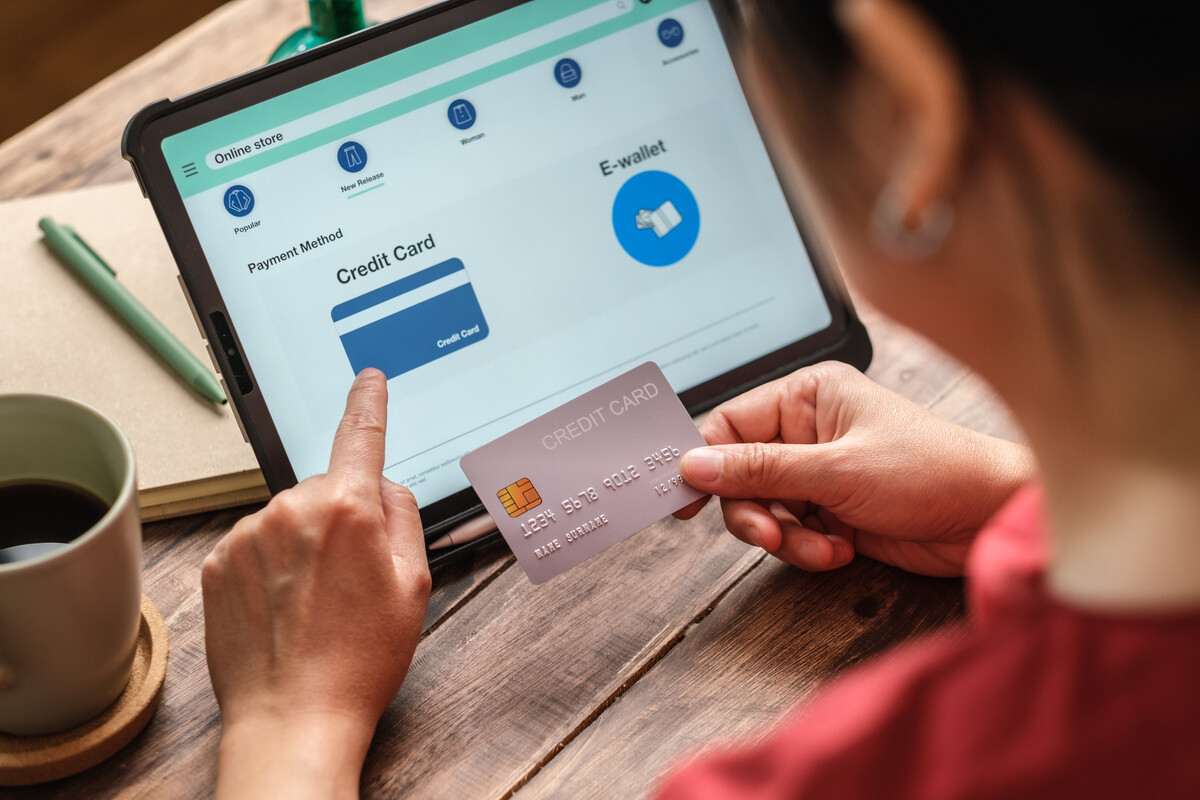
Mobile payments are becoming increasingly popular as smartphones become integral to daily life. Consumers opt for the convenience of paying directly from their mobile devices, whether through apps or mobile-optimized websites. This trend is driven by the widespread adoption of mobile wallets and the improvement in mobile payment security features.

The use of mobile payments streamlines the checkout process, reduces friction and makes it easier for customers to complete purchases. This enhances the shopping experience and boosts sales by reducing cart abandonment rates. Businesses that embrace mobile payments can stay ahead of the curve and meet consumer expectations for fast and convenient transactions.

Buy now, pay later

The buy now, pay later (BNPL) trend is gaining traction as more consumers seek flexible payment options. This model allows customers to split their purchases into manageable installments, often without interest or fees if paid on time. BNPL services appeal to younger consumers who prefer not to use credit cards.

Offering buy now, pay later options can increase average order values and attract customers who might otherwise be hesitant to purchase. As this trend continues to grow, integrating BNPL into the checkout process can provide a competitive edge and improve customer satisfaction.

Digital wallets

Digital wallets such as Apple Pay, Google Wallet, and Samsung Pay are becoming mainstream payment methods. These wallets store payment information securely, allowing users to make purchases with a simple tap or click. The convenience and security offered by digital wallets are significant factors driving their adoption.

By accepting digital wallets, businesses can cater to a tech-savvy customer base that values quick and secure transactions. Additionally, digital wallets often come with added security measures such as tokenization, which reduces the risk of fraud and enhances customer trust.

Open banking

Open banking is transforming the financial services industry by enabling third-party providers to access bank account information with customer consent. This access allows for developing innovative financial products and services that can improve the customer experience.

Open banking means more opportunities for businesses to offer personalized services and streamlined payment processes. By leveraging open banking, companies can provide customers with seamless payment experiences and better financial insights, fostering loyalty and engagement.

Curious about handling disputes and returns? Check out our detailed guide on Refund vs. Chargeback: Learning the Difference to understand how to manage these processes effectively and keep your business running smoothly. Click to learn more!

Crypto payments

Crypto payments are rising as cryptocurrencies become more accepted in mainstream commerce. Bitcoin, Ethereum, and other digital currencies offer an alternative to traditional payment methods, appealing to a growing number of tech-savvy consumers and investors.

Accepting crypto payments can differentiate a business and attract a new segment of customers who prefer using digital currencies. While the volatility of cryptocurrencies can be a concern, using payment processors that convert crypto to fiat currency instantly can mitigate this risk.

Peer-to-peer payments

Peer-to-peer payment (P2P) systems like Venmo, PayPal, and Cash App are revolutionizing how people send and receive money. These platforms offer a convenient way to transfer funds between individuals, often with minimal fees and real-time processing.

Businesses can benefit from peer-to-peer payments by enabling quick and easy transactions for their customers. P2P payment options can enhance the overall payment experience and reduce the need for traditional banking methods, making transactions more accessible and efficient.

Currency

In 2025, businesses must also consider the implications of currency fluctuations and the increasing use of digital and alternative currencies. Managing multiple currencies efficiently is crucial for companies operating internationally or dealing with cross-border transactions.

Adopting technologies that simplify currency conversions and provide real-time exchange rate updates can help businesses stay competitive and reduce the costs associated with international payments. Tools like multi-currency wallets and cross-currency sweeps can offer significant advantages in managing global finances.

Contactless payments

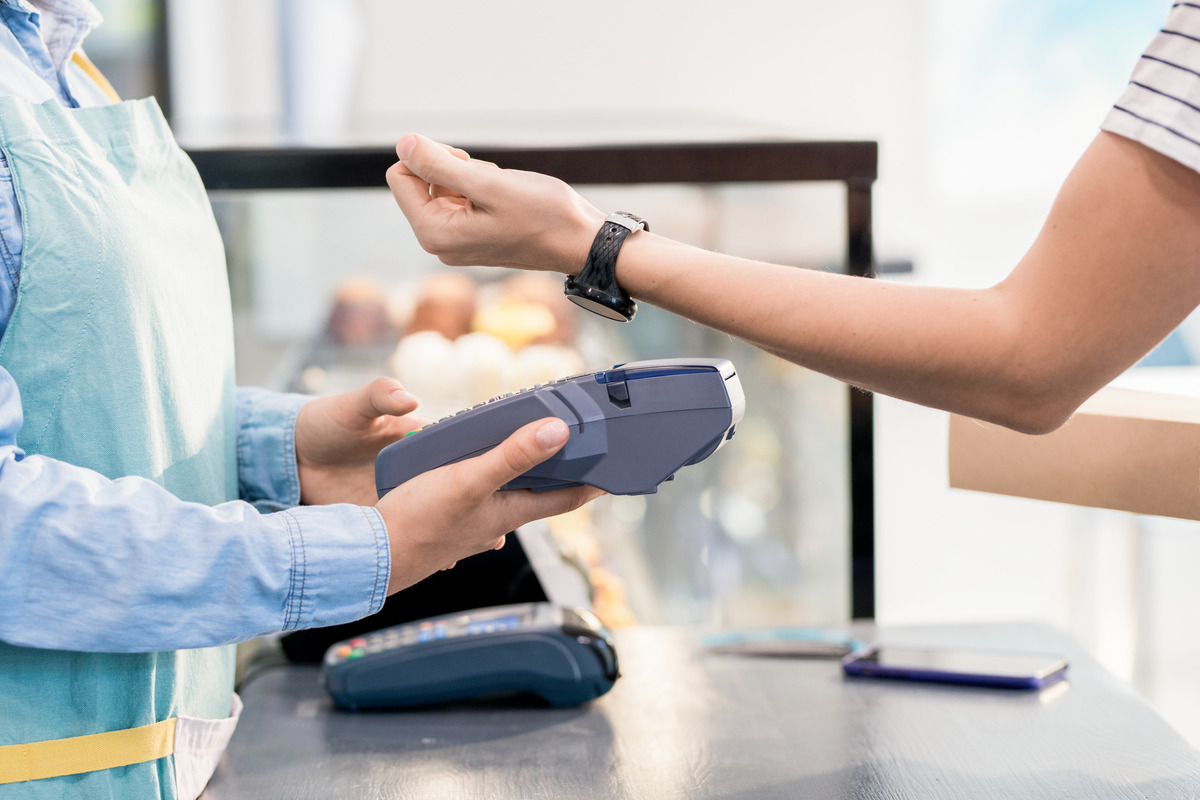
Contactless payments have surged in popularity, especially following the COVID-19 pandemic. Consumers appreciate the speed and hygiene benefits of tapping their card or mobile device to pay without touching a payment terminal.

Contactless payments can enhance customer experience by reducing wait times and streamlining checkout. As contactless technology becomes the norm, businesses that offer contactless payments will likely see higher customer satisfaction and loyalty.

FAQ about payments in the US

What is the payment industry outlook for 2025?

The payment industry is expected to continue growing and innovating in 2025. Key trends include the increased adoption of mobile payments, digital wallets, and contactless payments. Additionally, emerging technologies like AI and blockchain are set to transform the industry further, making transactions more secure and efficient.

In 2025, cash management trends will focus on improving visibility and efficiency. This includes advanced analytics, real-time cash reporting, and automated cash flow forecasting. Open banking and integrated financial platforms will also play a significant role in enhancing cash management strategies.

Want to know if gift cards can boost your sales? Learn all about using gift cards as a payment method in our latest article: Can Gift Cards Be Used as a Payment Method?. Click here to read more!

What is the trend in BNPL in 2025?

The buy now, pay later (BNPL) trend will continue to grow in 2025, with more consumers seeking flexible payment options. BNPL services are expected to expand their market reach and integrate more deeply into e-commerce platforms, offering consumers an alternative to traditional credit options.

What is the retail outlook for 2025?

The retail sector is expected to focus heavily on enhancing the customer experience through digital transformation in 2025. This includes adopting omnichannel strategies, embedded banking, and advanced payment solutions like contactless and digital wallets. Retailers will also leverage data analytics to understand consumer behavior better and personalize shopping experiences.

What is the growth of buy now, pay later in the US?

In the US, buy now, pay later (BNPL) is experiencing significant growth. The flexibility and convenience of BNPL options are attracting many consumers, particularly millennials and Gen Z. This growth is expected to continue as more retailers and online platforms offer BNPL solutions.

What is the strongest current trend in payment processing?

The strongest current trend in payment processing is the shift towards contactless payments and digital wallets. Consumers increasingly prefer quick, secure, and convenient payment methods. The adoption of mobile payments and the integration of AI for fraud detection and transaction efficiency are also prominent trends driving the payment processing industry forward.

The payment trends for 2025 highlight the importance of staying current with technological advancements and consumer preferences. By embracing trends such as mobile payments, buy now, pay later, digital wallets, open banking, crypto payments, peer-to-peer payments, currency management, and contactless payments, businesses can meet their customers’ evolving needs and stay competitive in a dynamic market.

Adapting to these trends requires a proactive approach and a willingness to invest in new technologies. However, the payoff in terms of customer satisfaction, increased sales, and operational efficiency makes it worthwhile. As the payment landscape evolves, staying informed and flexible will be key to success.

What is a card issuer?

Credit cards are a fundamental part of everyday transactions. Whether you’re shopping online or swiping at a physical store, the convenience and security they offer are undeniable. Have you ever wondered who stands behind these pieces of plastic? This article will delve into what a card issuer is, its role in the payment ecosystem, and how it benefits consumers and businesses alike.

Understanding the entities involved in issuing and managing credit cards can help both consumers and businesses make informed decisions. From the financial institutions that provide these cards to the networks that facilitate transactions, the ecosystem is complex and interwoven. This comprehensive look at card issuers will illuminate their crucial role in ensuring smooth and secure transactions.

What is the meaning of a card issuer?

A card issuer is a financial institution, such as a bank or credit union, that provides credit or debit cards to consumers. These institutions are responsible for the underwriting, approval, and issuance of cards. For example, if you apply for a credit card with Chase Bank and are approved, Chase becomes your card issuer. They determine your credit limit, set your interest rates, and manage your account.

Card issuers also handle the ongoing maintenance of your account:

  1. Monthly statements: Issuers send detailed statements of your transactions and account status.
  2. Payment processing: They process your payments, whether made online, by mail, or over the phone.
  3. Customer service: Issuers provide support for inquiries or issues, such as lost or stolen cards.
  4. Account upgrades: If your card expires or if you qualify for a card with better rewards, the issuer handles the upgrade.

For instance, if your credit history improves, your issuer might offer a card with enhanced benefits, demonstrating the dynamic relationship between issuers and cardholders.

What is the role of a card issuer?

The role of a card issuer extends beyond just providing the card. They assess the creditworthiness of applicants by evaluating their credit scores, income, and other financial factors. For example, if you have a strong credit history, you might receive a card with a high credit limit and lower interest rates from your issuer. This initial evaluation is crucial for determining the terms of your card.

In addition to underwriting, card issuers offer various services designed to enhance the user experience:

  1. Fraud protection: Monitoring transactions for suspicious activity and offering zero-liability policies on unauthorized charges.
  2. Rewards programs: Providing points, cashback, or travel miles for every dollar spent.
  3. Customer support: Offering assistance through call centers, online chat, and email.
  4. Perks and benefits: Additional perks like travel insurance, purchase protection, and extended warranties on purchases.

For instance, if your card is used in a different city without prior notice, your issuer might flag the transaction and notify you immediately. These services ensure cardholders have a secure and rewarding experience.

Is a Visa a card issuer?

Visa itself is not a card issuer. Instead, Visa is a payment network that facilitates transactions between consumers, merchants, and financial institutions. Visa partners with banks and other financial institutions that issue Visa-branded cards to consumers. For example, if you have a Visa card from Wells Fargo, Wells Fargo is the card issuer, while Visa provides the network that processes the transactions.

Visa’s role as a payment network involves:

  1. Transaction processing: Ensuring transactions are carried out swiftly and securely.
  2. Infrastructure management: Maintaining the systems that allow Visa cards to be accepted worldwide.
  3. Security protocols: Implementing measures to protect against fraud and ensure data security.

For instance, when you swipe your Visa card at a local café, Visa’s network ensures the transaction is processed quickly and securely, while the financial institution that issued the card handles the actual issuance and account management.

Is Mastercard an issuer or acquirer?

Mastercard is similar to Visa in that it is a payment network, not a card issuer. Mastercard partners with financial institutions that issue Mastercard-branded cards. For example, if you have a Mastercard credit card from Citibank, Citibank is the issuer, and Mastercard is the network facilitating the transactions. This distinction is crucial for understanding how payment processing works.

On the other hand, acquirers are financial institutions that process card payments on behalf of businesses. Unlike issuers, acquirers work with businesses to ensure they can accept credit and debit card payments. For instance, if a business wants to accept Mastercard payments, they would work with an acquiring bank to set up the necessary systems. While Mastercard is not an acquirer, it collaborates closely with acquirers to enable seamless payment processing for businesses.

How Does a Credit Card Scheme Work?: Curious about the inner workings of credit card transactions? Click to discover how a credit card scheme operates from start to finish.

What benefits do credit card issuers offer cardholders?

Credit card issuers provide a range of benefits to cardholders, making credit cards attractive and useful. One of the most popular benefits is rewards programs. Issuers offer points, cashback, or travel miles for every dollar spent. For example, a cardholder might earn 2% cashback on all purchases or accumulate points that can be redeemed for travel or merchandise.

Another significant benefit is fraud protection. Issuers implement advanced security features, such as real-time transaction monitoring and alerts, to protect against unauthorized transactions. For instance, if your card is used in a different city without prior notice, your issuer might flag the transaction and notify you immediately. Additional perks often include travel insurance, purchase protection, and extended warranties, adding value to the cardholder’s experience.

Issuers also provide credit-building opportunities. Responsible use of credit cards can help improve your credit score over time. For example, by paying your bill on time and keeping your balance low, you demonstrate good credit habits, which can lead to higher credit limits and better interest rates in the future. This ability to build and improve credit is a significant advantage for many cardholders.

What is card issuing and acquiring?

Card issuing refers to the process where financial institutions provide consumers with credit or debit cards. For example, when you apply for a credit card from Bank of America and get approved, Bank of America becomes the card issuer. They handle everything from setting your credit limit to managing your account.

Card acquiring, on the other hand, involves financial institutions that manage the process of accepting and processing card payments on behalf of businesses. For instance, if a business wants to accept credit card payments, they would work with an acquiring bank like First Data to set up the necessary systems. While issuers deal with consumers, acquirers work with businesses to ensure they can accept card payments smoothly, facilitating the entire transaction process.

In practical terms, this means that when a customer uses their card to make a purchase, the acquirer processes the payment and ensures the merchant receives the funds. For example, when you buy a coffee using your credit card, the acquiring bank handles the transaction’s backend, ensuring the coffee shop gets paid. This collaboration between issuers and acquirers is essential for the seamless operation of the payment ecosystem.

What role do issuers play in payment networks?

Issuers play a pivotal role in payment networks. They are responsible for authorizing transactions, ensuring that sufficient funds or credit are available, and approving the purchase. For example, when you swipe your card at a store, the issuer verifies your account and approves the transaction within seconds.

This process involves complex communication between the issuer, the payment network (like Visa or Mastercard), and the acquirer. The issuer ensures the cardholder has sufficient credit or funds, and once the transaction is approved, the payment network processes it, and the acquirer ensures the merchant receives the payment. This seamless collaboration ensures secure and efficient transactions for both consumers and businesses.

Issuers also play a crucial role in maintaining the security of the payment network. They implement various fraud detection and prevention measures, such as monitoring for unusual activity and requiring additional authentication for suspicious transactions. For instance, if your card is used in a location far from your usual spending area, the issuer might flag the transaction and require you to verify your identity. This vigilance helps protect both cardholders and businesses from fraud.

Credit Card Decline Codes: Updated List and How to Fix Them (2024): Frustrated by credit card declines? Click to check out the updated list of decline codes for 2024 and learn how to fix them.

How do card issuers work with businesses?

Card issuers work closely with businesses to facilitate smooth and secure transactions. They provide the necessary infrastructure and support to ensure that businesses can accept credit and debit card payments. For example, issuers offer authorization services that verify transactions in real time, ensuring they are legitimate and approved.

Additionally, issuers implement fraud detection measures, using advanced algorithms to identify and prevent fraudulent activities. This not only protects cardholders but also helps businesses avoid losses from fraudulent transactions. For example, if a business experiences a high volume of suspicious transactions, the issuer can provide tools and support to enhance security measures. Issuers also offer customer support to resolve any issues that may arise during transactions, ensuring a smooth experience for both the business and the consumer.

Issuers also provide valuable data insights to businesses. By analyzing transaction data, issuers can offer businesses information about consumer spending patterns and preferences. For instance, a retailer might learn that customers using a particular credit card are more likely to shop during certain times of the year, allowing the retailer to tailor their marketing efforts accordingly. These insights can help businesses make informed decisions and improve their overall operations.

Unlock easy payment solutions with Gr4vy

Understanding card issuers and their benefits is key to smooth, secure transactions. For businesses wanting to streamline payment processing, Gr4vy offers a simple solution. With unlimited providers and one easy integration, Gr4vy makes payment integration straightforward.

Using a single, low-code API, your development team will only need to integrate once to access everything Gr4vy offers. Adding new payment services is as easy as flipping a switch. Contact Gr4vy today to simplify your payment processes and enhance your business.

Payment Trends in Australia in 2025: A comprehensive guide

In recent years, the way Australians handle transactions has undergone significant transformations, a trend captured vividly in the Reserve Bank’s latest Consumer Payments Survey. This comprehensive survey provides a detailed snapshot of how payment behaviors have evolved, driven by technological advancements, changing consumer preferences, and external factors like the global pandemic. The decline in cash usage, the rise of digital and contactless payments, and the increasing prevalence of online shopping are just a few indicators of this ongoing shift. These changes reflect broader global trends while also highlighting unique aspects of the Australian market.

As we move into 2025, several key trends from the survey highlight the dynamic nature of the Australian payments ecosystem. The growing preference for convenience and speed is evident in the widespread adoption of contactless cards and mobile wallets. Additionally, the shift towards online transactions, accelerated by the pandemic, continues to reshape retail and service sectors. Innovations such as Buy Now, Pay Later (BNPL) services and QR code payments are gaining traction, offering consumers more flexibility and options than ever before. Together, these trends paint a picture of a rapidly evolving landscape where traditional payment methods are increasingly giving way to more efficient and technologically advanced alternatives.

Embracing digital over cash

The shift from cash to digital payments continues to be a defining feature of the Australian economy. Historically, cash was the king of convenience, especially for smaller, everyday purchases. However, the narrative has changed dramatically, with digital options taking the lead. In 2022, a mere 13% of transactions were conducted in cash, a steep decline from previous years. This trend is partly fueled by the global health crisis, which not only prompted a surge in remote transactions due to social distancing but also raised concerns over the hygiene of physical currency.

Example: Imagine going to a local café. A few years ago, you might have paid for your coffee with a $5 bill. Today, you’re more likely to tap your card or phone, completing the transaction in a fraction of the time it would take to handle cash and change.

The rise of card and contactless payments

Credit and debit cards are not just surviving; they’re thriving. With their ease of use and widespread acceptance, card payments accounted for three-quarters of all transactions in 2022. Contactless technology, in particular, has become a staple at checkouts, offering a quicker, tap-and-go solution that aligns with the fast-paced lifestyle of consumers.

Key points:

  • Convenience: Contactless payments speed up transactions significantly.
  • Security: These methods reduce the need to carry large amounts of cash, lowering the risk of theft.
  • Integration: Many cards can now be stored digitally in mobile wallets, further enhancing ease of use.

Example: At a busy supermarket, instead of inserting your card and entering a PIN, you simply tap your card or smartphone on the terminal, and the transaction is done almost instantly. This reduces queue times and makes shopping more efficient.

Online shopping: from niche to norm

The digital boom has also propelled online shopping to new heights. In 2022, 18% of retail payments were made online, up from 12% in 2019. This growth reflects an ongoing shift in consumer behavior, as more Australians embrace the convenience and breadth of choice available through e-commerce.

Key points:

  • Variety: Online stores often offer a wider range of products than physical stores.
  • Accessibility: Consumers can shop from the comfort of their homes at any time.
  • Pandemic influence: Lockdowns and social distancing measures have accelerated this shift.

Example: During a typical weekend, many Australians now prefer to order groceries online for home delivery instead of visiting the store. This trend is supported by the increasing reliability and speed of delivery services.

Interested in learning how gift cards can broaden your payment options? Check out our article,Can Gift Cards Be Used as a Payment Method?to uncover the benefits and practicalities of integrating gift cards into your business strategy.

Alternative payment methods on the rise

Innovation in payment methods continues to diversify how Australians spend. Services like PayPal and various Buy Now, Pay Later (BNPL) options are becoming commonplace. The latter, despite being a relatively new entrant, has seen significant adoption, particularly among the younger demographic. However, it’s important for users to consider the higher costs these platforms may impose on transactions compared to traditional methods.

Key points:

  • PayPal: Widely recognized and trusted for online transactions.
  • BNPL: Allows consumers to purchase items on credit and pay in installments, although often at a higher cost to merchants.

Example: A young professional might buy a new laptop using BNPL services like Afterpay or Zip. They take the laptop home immediately and pay for it in four interest-free installments over the next few months.

The QR Code revolution

A notable newcomer in payment technology is the use of QR codes. These allow for seamless transactions by linking directly to a user’s mobile wallet or bank account. Although adoption was just budding in 2022, the potential for QR codes to offer a low-cost, efficient payment method is immense, particularly in reducing the reliance on physical cards.

Key points:

  • Ease of use: Scanning a QR code with a smartphone is quick and straightforward.
  • Security: Transactions are secure and can be tracked easily.
  • Cost-Effective: Often lower transaction fees compared to card payments.

Example: At a small boutique store, instead of swiping your card, you scan a QR code displayed at the checkout. Your phone prompts you to confirm the payment, and within seconds, the transaction is complete.

The future with PayID

PayID has revolutionized bank transfers by simplifying the process down to a recognizable identifier like a mobile number or email. This method not only speeds up transactions but also enhances security by confirming the recipient’s details before completing a transfer. While adoption has been gradual, the integration of PayID into more Australian bank accounts could significantly influence future payment behaviors.

Key points:

  • Simplicity: Eliminates the need for lengthy BSB and account numbers.
  • Speed: Transfers are near-instant.
  • Security: Reduces the risk of errors and fraud.

Example: Splitting a restaurant bill with friends becomes easier. Instead of fumbling for cash or exchanging bank details, you simply enter your friend’s mobile number linked to their PayID, and the amount is transferred instantly.

Co-branded card regulations in Australia

In Australia, the rise in contactless payments has significantly boosted the use of debit cards for in-person transactions, processed through EFTPOS, Debit Mastercard, or Visa Debit networks. Dual-network debit cards, or co-branded cards, incorporate two payment networks on a single card, offering consumers and merchants greater flexibility. Transactions typically default to one network, but merchants can implement Least-Cost Routing (LCR) to route transactions through the network with the lowest fees. Initially for in-person use, LCR now extends to online transactions, helping merchants reduce costs across all sales channels.

The Reserve Bank of Australia’s Payments System Board actively supports the issuance of dual-network cards and the implementation of LCR. This regulatory framework aims to foster a more competitive and efficient payments market, benefiting both merchants and consumers. Merchants can lower their transaction fees through LCR, while consumers enjoy the convenience and flexibility of choosing between networks. For example, a small retail store can route payments through the least expensive network, thanks to LCR, leading to significant cost savings over time.

Explore the convenience of the “Click to Pay” feature in our detailed article, Click to Pay: How Does It Work?” This efficient payment solution enhances security and user experience at checkout, making transactions smoother for customers and businesses alike.

The most popular payment method in Australia is card payment. According to the latest Consumer Payments Survey conducted by the Reserve Bank, three-quarters of all transactions in 2022 were made using debit or credit cards. The convenience of contactless payments, which allow users to tap their card or mobile device for quick transactions, has greatly contributed to the dominance of card payments. This trend has been driven by advancements in payment technology and changing consumer preferences, especially following the COVID-19 pandemic.

What is the payment regulation in Australia?

Payment regulation in Australia is overseen by the Reserve Bank of Australia (RBA) and the Australian Payments Network (AusPayNet). The RBA is responsible for ensuring the stability and efficiency of the payment system, which includes setting standards and regulations for payment providers and financial institutions. The Payment Systems (Regulation) Act 1998 grants the RBA the authority to regulate payment systems in Australia. AusPayNet sets rules and standards for payments, focusing on security, innovation, and the interoperability of payment systems to ensure a seamless experience for users.

How are payments made in Australia?

Payments in Australia are made through various methods, reflecting the diverse preferences of consumers. The most common methods include:

  • Card Payments: Both debit and credit cards are widely used, with contactless payments being particularly popular for their speed and convenience.
  • Online Payments: Many Australians make purchases online using credit/debit cards or payment services like PayPal.
  • Mobile Payments: Increasingly, Australians are using mobile wallets (e.g., Apple Pay, Google Pay) to store their card information and make payments via smartphones.
  • Bank Transfers: Traditional bank transfers remain common, especially for bill payments and larger transactions. Services like PayID have simplified this process.
  • Buy Now, Pay Later (BNPL): BNPL services like Afterpay and Zip allow consumers to make purchases on credit and pay in installments.

How do people pay in Australia?

People in Australia pay using a mix of traditional and modern methods. The dominant method is card payments, particularly contactless cards, which are favored for their convenience. Online and mobile payments are also prevalent, driven by the growth of e-commerce and the adoption of digital wallets. Bank transfers, including the use of PayID, are common for direct person-to-person transactions and bill payments. While cash usage has declined significantly, it is still used for some transactions, particularly smaller, everyday purchases.

Is Australia mainly cashless?

Australia is increasingly becoming a cashless society. The use of cash for day-to-day transactions has been declining steadily. In 2022, only 13% of all transactions were conducted in cash, down from around 70% in 2007. This shift towards cashless payments has been accelerated by the pandemic, which encouraged more people to use contactless and online payment methods due to hygiene concerns and social distancing measures.

What percentage of Australians use cash?

As of the latest Consumer Payments Survey in 2022, about 13% of all transactions in Australia were made using cash. This represents a significant decline from previous years, reflecting the broader trend towards digital and contactless payments. The decreasing reliance on cash is indicative of the growing preference among Australians for more convenient and secure payment methods.

As you consider expanding your business into new global markets, the right tools and support can streamline the process and enhance your success. Gr4vy is designed to make your international expansion swift and efficient. Our cloud-native platform simplifies the launch into new markets, providing you with immediate access to a diverse range of payment providers and methods. With just a few clicks, you can deploy the solutions that best fit your needs.

Ready to take your business global with ease and confidence? Contact Gr4vy today to learn how our innovative payment solutions can help you expand your market reach and grow your business.

Credit card account updater: All you need to know

Imagine a world where subscription-based services and membership fees are processed without a hitch, regardless of credit card renewals or replacements. This isn’t a distant utopia but a reality that a credit card account updater can help create. The real challenge that businesses face is managing the constant flow of new card details—whether due to card expirations, upgrades, or customer changes.

Account updaters take on this burden quietly in the background, ensuring transactions go through seamlessly by updating card information automatically. The process minimizes payment declines and keeps the customer experience intact, providing businesses with a simple yet powerful tool to nurture loyalty and trust while maintaining revenue predictability.

What is a card account updater?

A card account updater is a service designed to automatically update stored credit card details when customers receive new cards due to various circumstances like expiration, theft, fraud, or card upgrades. This service ensures that businesses have accurate and current payment information, allowing recurring transactions to continue without requiring customers to manually update their card details.

For example, if a customer is subscribed to a monthly fitness streaming service and their old card is replaced, the card account updater will automatically provide the business with the new card information. This proactive measure minimizes interruptions in service and prevents declined transactions due to outdated card data.

Key features of a card account updater include:

  1. Automatic updates: The system automatically retrieves new card details from the issuing bank and updates the merchant’s database, eliminating the need for customers to log in and change their payment information.
  2. Security: Sensitive card data is shared securely between issuing banks, payment processors, and merchants, ensuring compliance with data protection standards.
  3. Seamless transactions: The updated card data keeps recurring payments flowing, reducing the risk of failed transactions due to expired or lost cards.
  4. Enhanced customer experience: Customers remain satisfied when their subscriptions and services continue uninterrupted, enhancing loyalty and reducing churn.

Overall, card account updaters are a behind-the-scenes solution that ensures businesses can provide consistent service to their customers, maintaining reliable revenue streams while improving user satisfaction.

How do card account updaters work?

Card account updaters work through a secure collaboration between issuing banks, credit card networks, and merchants. Their purpose is to ensure that businesses receive the most current payment data without requiring customers to manually update their information. Here’s a detailed look at how the process unfolds:

  1. Customer receives new card: Customers receive new credit cards due to various reasons such as expiration, loss, upgrades, or fraudulent activity.
  2. Issuing bank shares data: The issuing bank, responsible for the new card, shares the updated information (new card numbers, expiration dates, etc.) with the card network. This step is crucial as it ensures that the credit card network has the latest details associated with a customer’s account.
  3. Network updates the service: The credit card network, such as Visa or Mastercard, integrates this updated data into their account updater service. This central repository of information becomes available for merchants who subscribe to the updater service.
  4. Merchants receive updates: Merchants using the account updater service can request updated payment information periodically or automatically, depending on the provider’s capabilities. This means that when customers use their new cards, the merchant’s billing system already has the updated details in place.
  5. Billing system integration: Once the merchant receives the new payment information, their billing system is automatically updated with the latest card numbers, expiration dates, and other crucial data. This ensures that all future recurring transactions, like subscription renewals or installment payments, proceed without interruption.
  6. Secure and compliant: Throughout the process, sensitive cardholder data is handled securely to ensure compliance with industry standards such as PCI DSS (Payment Card Industry Data Security Standard). Encryption and other security measures protect this sensitive data as it’s transferred between parties.
  7. Seamless continuity: With updated card data now embedded in the merchant’s system, future transactions proceed without a hitch, reducing the number of declined payments due to outdated information. This results in seamless transaction continuity for the customer and steady revenue for the business.

Ultimately, collaboration between issuing banks, card networks, and merchants provides a streamlined way to ensure that all payment information remains up-to-date. This removes the need for customers to take extra steps while reducing administrative hassles for businesses.

Want to understand How does a credit card scheme work?Click to learn how payment networks securely connect merchants and cardholders for seamless transactions!

What are the benefits of using card account updaters?

  1. Reduced declined transactions: One of the most immediate benefits of card account updaters is a reduction in the number of declined transactions. When customers receive new cards due to expiration, upgrades, or theft, their old card information often leads to payment failures. By providing businesses with up-to-date data, the updater service helps ensure that transactions go through without a hitch, reducing the frustration and inconvenience caused by declined charges.
  2. Customer retention: Accurate payment information keeps customers subscribed to their favorite services, increasing loyalty and reducing churn. When customers don’t have to manually update their card information, they’re less likely to experience service interruptions. This smooth billing process improves customer satisfaction and loyalty, leading to longer-term relationships with businesses and better retention rates.
  3. Improved cash flow: Declined transactions can cause unpredictable cash flow, which complicates revenue forecasting and operational planning. Fewer failed payments lead to a steadier and more predictable cash flow, which allows businesses to manage their finances more efficiently. Whether it’s planning inventory purchases, payroll, or marketing budgets, predictable revenue makes strategic decision-making easier.
  4. Reduced administrative burden: Manually tracking down updated card information from customers is time-consuming and labor-intensive. By automating this process with a card account updater service, businesses can significantly cut down on administrative tasks. Staff can then focus on more value-added activities such as customer support and business development instead of chasing down customers for payment information.
  5. Enhanced customer experience: A positive billing experience is crucial for customer satisfaction. With fewer disruptions due to payment declines, customers can enjoy uninterrupted access to their subscriptions or memberships. This reliability in service delivery reinforces their trust in the business, encouraging continued usage and positive word-of-mouth recommendations.

By leveraging these advantages, businesses can streamline their billing processes, reduce revenue leakage, and enhance overall customer satisfaction.

Use cases for credit card account updaters

  1. Subscription services: Subscription-based businesses, including streaming platforms, gym memberships, and software services, rely heavily on recurring payments to generate consistent revenue. Outdated credit card information often results in declined transactions and customer churn. By implementing credit card account updaters, these businesses ensure that customer payment details are always current, minimizing disruptions. Whether it’s your favorite video streaming platform or the gym membership you’ve signed up for, updated card information keeps subscriptions active, enabling customers to enjoy uninterrupted service.
  2. Nonprofits: Nonprofits rely on recurring donations for sustainable funding. Automatic billing through credit card account updaters allows charities to secure steady contributions from their supporters even when cards are updated due to expiration or replacement. By minimizing transaction declines, nonprofits can focus on their mission rather than chasing down donors for updated card details.
  3. Utilities and telecommunications: Utility companies and telecommunications providers often deal with recurring billing, where customers expect their services to continue seamlessly. With card account updaters, bill payments can continue uninterrupted even when customers receive new cards. This ensures that utility bills, internet services, and phone plans are paid on time, preventing service disruption and potential late fees.
  4. Online retail: E-commerce platforms often save payment information to provide a streamlined checkout experience for returning customers. An account updater ensures that payment details remain up-to-date when customers change cards. This allows online stores to process purchases without interruptions, reducing cart abandonment rates and ensuring a consistent shopping experience.
  5. Membership programs: Membership programs for clubs, associations, and other organizations often involve regular payments to maintain access or benefits. Credit card account updaters help guarantee that members can enjoy continued participation, reducing the risk of lapsed memberships due to declined payments.
  6. Insurance providers: Insurance companies depend on recurring billing for premiums. An account updater ensures policyholders’ payment information remains accurate, preventing lapses in coverage due to outdated card details. This consistency allows policyholders to maintain their insurance protection without interruptions.
  7. Education and training: Institutions offering educational subscriptions or ongoing training programs can also benefit from automated card updates. This ensures that student access remains uninterrupted, and payments for courses or training modules continue seamlessly.

These use cases illustrate the broad utility of credit card account updaters across multiple sectors, providing a vital service that enhances the billing experience for both businesses and their customers.

What is the Visa account updater in Europe?

In Europe, the Visa account updater functions similarly to its global counterparts, providing merchants and customers with seamless transaction continuity. The service automatically updates merchant billing systems with current card details whenever customers receive new Visa cards due to expiration, upgrades, or fraud prevention. For instance, a customer with a monthly streaming subscription won’t need to manually update their payment information if their Visa card expires; the account updater ensures the service continues uninterrupted.

Moreover, the European Visa account updater complies with the stringent General Data Protection Regulation (GDPR) and local data protection laws. For example, a travel agency offering recurring billing plans can confidently handle sensitive cardholder data while adhering to these rules, ensuring customer data is securely managed. By meeting these high standards, Visa provides peace of mind for both merchants and customers while preventing payment declines and preserving customer loyalty.

Does MasterCard have an account updater?

Yes, Mastercard has an automatic updater service known as the Mastercard Automatic Billing Updater (ABU). This service maintains uninterrupted billing cycles by updating merchants with the latest card data when customers receive new Mastercard credit or debit cards.

For instance, a customer who uses their Mastercard for their gym membership might forget to update their card information when a new card is issued. The ABU system steps in and provides the gym’s billing system with the updated card number and expiration date, preventing the membership from lapsing due to declined payments.

This automatic system also benefits online retailers that depend on recurring payments, allowing them to maintain customer subscriptions without requiring each client to re-enter their card data manually. By doing so, Mastercard ABU minimizes declined payments and the potential for customer churn while helping businesses streamline their billing process.

American Express account updater

The American Express account updater service provides a similar solution for Amex cardholders and businesses that accept Amex payments. When a customer receives a new card due to expiration or a replacement, the service automatically communicates updated card data to the merchant’s billing system.

For example, an educational platform that offers recurring billing for its online courses would receive up-to-date Amex card information whenever their subscribers receive new cards. This allows the platform to process course fees without interruption, providing students with continuous access to their learning materials.

The American Express account updater reduces administrative hassles by eliminating the need for customers to update their card details manually. It also ensures merchants can accurately bill their customers, minimizing the risk of lost revenue from declined transactions and ensuring predictable cash flow for businesses reliant on subscriptions.

Looking to expand your payment options? Click to learn “How to accept alternative payment methods” and offer your customers more ways to pay!

How to integrate an account updater with your gateway

Integrating a card account updater with your payment gateway is a critical step for businesses looking to maintain uninterrupted billing. Here’s a detailed guide on how to get started:

  1. Verify compatibility: Start by ensuring your current payment gateway or processor supports the card account updater service you intend to use. Different networks, such as Visa, Mastercard, and American Express, each have unique updater services. Contact your payment gateway provider or consult their documentation to confirm they can seamlessly integrate with the updater service. For instance, a software company might use a popular payment processor that already supports Visa’s Account Updater, making it easier to integrate the system.
  2. Enroll in the service: Once compatibility is confirmed, enroll your business in the desired account updater service. This might involve contacting your payment network directly or working with your payment processor. During this stage, you’ll receive the necessary credentials and configurations to connect your system to the updater. For example, a gym offering recurring memberships would contact their processor to gain access to Mastercard’s Automatic Billing Updater (ABU).
  3. Test the integration: After completing enrollment, thoroughly test the integration to ensure that updated card details are correctly received and processed. This step often involves setting up test accounts with expired or invalid cards to verify that the system retrieves and integrates the new card information accurately. For instance, an e-commerce store might simulate expired card data to see if their billing system receives fresh card details from the updater and successfully processes payments.
  4. Monitor and refine: Once the integration is live, regularly monitor transactions to ensure smooth operation and address any issues. This process involves tracking declined transactions to determine if the account updater successfully retrieved updated card details or if a customer needs additional assistance. For example, a nonprofit using recurring donations might notice a drop in successful transactions and investigate whether an issue with the updater integration or a new trend in card expirations is causing the decline.

Additionally, refine the process by collecting feedback from billing staff and customers to identify gaps or delays in the updater service. Adjust the frequency of card detail updates based on your specific business needs and industry norms. Maintaining this proactive approach will help you make the most of the account updater service while minimizing disruptions.

Batch account updater: Reducing payment declines 

Are monthly declines due to expired cards disrupting your subscription service? Gr4vy has the solution with our Batch Account Updater, which ensures smooth continuity in your payment cycle. Without requiring customers to re-enter their card details, this service reduces declines, improves cash flow, and maintains uninterrupted transactions.

Gr4vy’s Batch Account Updater integrates seamlessly with your payment gateway, minimizing your team’s workload while providing your customers with a hassle-free payment experience. Say goodbye to preventable declines and safeguard your revenue with a solution that prioritizes efficient billing.

Ready to optimize your payment processing? Contact Gr4vy today and discover how our Batch Account Updater can enhance your billing operations.

How to lower online payment processing fees

Online payment processing fees can be a significant hurdle for anyone navigating the world of e-commerce. Whether you’re running a small business or managing a high-volume enterprise, the growing array of fees—ranging from transaction costs to gateway charges—can quickly erode your profits. It’s essential to analyze your payment processing structure to identify opportunities for reducing these fees. This allows you to maintain a healthy bottom line and ensures your pricing strategy remains competitive in an increasingly crowded online marketplace.

We’ll explore why these costs can seem disproportionately high and what defines an acceptable processing fee in today’s market. By understanding the various components of these charges, you’ll be better equipped to negotiate better terms with your payment processor, choose cost-effective payment methods, and optimize your overall fee structure. Ultimately, this comprehensive guide will help you save money while providing a seamless payment experience for your customers.

How to reduce online payment processing fees

Reducing fees starts with understanding your current rates and comparing them with industry standards. Not all payment processors are created equal, and switching to a provider that caters to your business model can help you reduce online payment processing fees. Here are a few strategies:

  1. Evaluate pricing models: Some processors offer flat rates, while others charge per transaction. Flat rates are predictable, while transaction-based models can be advantageous if you deal with high-volume, low-value transactions.
  2. Negotiate rates: If your business handles a significant transaction volume, you have leverage to negotiate lower fees with your processor. This can lead to substantial savings.
  3. Choose the right payment methods: Some methods carry higher fees than others. For instance, credit cards tend to be costlier than ACH transfers.
  4. Streamline transaction details: Processors often charge extra for handling transactions with incomplete data. Ensure transactions are accurate to avoid additional costs.
  5. Audit your transaction data: Regularly review your monthly statements and compare them with internal records to identify discrepancies, hidden charges, or outdated terms that could be costing you. Keep an eye on your chargeback rates and dispute management processes to ensure you’re not incurring excessive costs due to returns or errors. If you find irregularities or unnecessary expenses, address them with your processor and negotiate adjustments to save on costs.

To further reduce online payment processing fees, consider leveraging technology to optimize transaction workflows. Implement tools like virtual terminals or integrated payment gateways that provide advanced fraud protection and customer data verification. Such tools can significantly reduce the risk of fraudulent transactions, which often lead to costly chargebacks and higher fees. Additionally, adopting automated reconciliation and reporting systems can help you monitor and analyze transaction patterns, enabling you to identify irregularities or inefficiencies in real-time. This proactive approach allows you to adapt quickly to changing fee structures and optimize your payment processing methods.

From simple errors to hidden policies, here are 27+ reasons your credit card might be declined and what to do next.

How can you reduce the cost of a specific payment method?

Different payment methods come with varied costs. To reduce the cost of a specific payment method, consider the following strategies:

Credit cards

Credit cards can be one of the more expensive payment methods due to interchange fees, network charges, and higher risks associated with certain transactions. Here’s how to control credit card fees:

  • Limit high-risk transactions: Avoid transactions that are likely to result in chargebacks or disputes, as these will increase your processing rates. This includes international transactions, recurring billing with inconsistent customer history, and card-not-present payments where security measures aren’t fully in place.
  • Choose major cards: Focus on accepting credit cards with lower interchange fees. For instance, Visa and Mastercard generally offer more favorable rates than some other card networks. Ensure your processor provides clear information on these fees.
  • Promote debit cards: Debit card transactions often come with lower fees than credit cards. Encourage customers to opt for debit whenever possible.

ACH transfers

ACH transfers, or Automated Clearing House transfers, are often a cost-effective alternative to credit cards:

  • Encourage ACH payments: Offer incentives for customers who use ACH, like discounts or rewards. Direct bank transfers can significantly reduce the overall fees since these transactions are often charged at a flat rate.
  • Minimize return rates: Implement validation tools to verify customer account details, reducing the likelihood of failed transactions and costly return fees.
  • Adopt recurring billing: ACH is ideal for subscription-based services or recurring payments. Set up automated billing to streamline the payment process.

Mobile payments

Mobile payments using digital wallets like Apple Pay or Google Pay are increasingly popular, but some providers charge high fees for these transactions. Here’s how to keep costs down:

  • Choose a processor with favorable rates: Ensure that your payment processor charges reasonable fees for mobile transactions. This way, you can cater to tech-savvy customers without breaking the bank.
  • Offer multiple wallet options: Providing a variety of mobile payment methods helps capture a broader customer base, potentially increasing transaction volume and lowering your processing rates through negotiation.

Buy now, pay later (BNPL)

The buy now, pay later model appeals to customers who prefer flexible payments, but it can also come with high fees:

  • Offer selectively: BNPL can be beneficial but limit its use to high-value items where customers are more likely to commit to installment plans. Implement policies that ensure customers are responsible payers.
  • Negotiate terms: Work with your BNPL provider to establish reasonable rates and terms. If the fee structure is too steep, it might be worth reconsidering this option or choosing a different provider.

By carefully evaluating each payment method and making strategic adjustments, you can effectively reduce the cost of specific payment methods, ultimately lowering your overall processing fees.

How to save on processing fees

To save on processing fees, you’ll need to take a proactive approach. Here are some effective strategies:

Encourage bulk purchases

Fees are often charged per transaction, meaning that processing a greater number of smaller transactions typically results in higher overall costs. To encourage fewer, larger transactions:

  • Incentivize bulk buying: Offer discounts or rewards to customers who purchase in larger quantities or increase their average transaction size.
  • Bundle products: Create bundles or packages that offer value and naturally lead customers to spend more in a single purchase.
  • Minimum purchase thresholds: Introduce a minimum purchase amount that customers must meet to qualify for special deals or free shipping.

Utilize surcharge programs

In some regions, businesses can legally pass a portion of the payment processing costs to customers through a small surcharge. Here’s how to approach it:

  • Understand local laws: Make sure surcharging is legal in your state or region. Some jurisdictions restrict or outright ban the practice.
  • Be transparent: Clearly communicate surcharges to customers before they complete their transaction. Transparency helps avoid negative feedback and builds trust.
  • Reasonable surcharge: Ensure that your surcharge amount is reasonable and within permissible limits to avoid deterring customers.

Regularly review statements

Payment processors may introduce new fees or change existing ones over time. By reviewing statements regularly, you can identify potential savings:

  • Hidden fees: Look for extra fees that may not be immediately apparent, such as currency conversion fees, PCI compliance charges, or unexpected gateway fees.
  • Outdated terms: Your business might be eligible for better rates due to increased transaction volumes or industry changes. Contact your processor to renegotiate more favorable terms.

Work with a trusted processor

A good payment processor should be transparent about its fees and pricing structure:

  • Transparent pricing: Seek a processor that provides detailed explanations of fees and is upfront about additional charges.
  • Industry alignment: Find a processor that understands your business type and provides solutions tailored to your transaction patterns, helping minimize costs.
  • Support and flexibility: Your processor should offer reliable customer support and flexible terms that allow you to adapt as your business changes.

By implementing these strategies and working with a trusted partner, you can save on processing fees while maintaining a seamless payment experience for your customers.

Why are payment processing fees so high?

Payment processing fees often seem inflated because of the various parties involved in facilitating a transaction. From banks to card networks to security services, each participant charges for their contribution, which accumulates into significant costs for merchants. Here’s a closer look at why fees are high:

Interchange fees

Card networks like Visa and Mastercard impose interchange fees, which can account for the majority of the costs involved in processing card payments. These fees are used to compensate issuing banks for the risks associated with transactions and to support infrastructure development for secure, reliable transactions. The rates vary based on factors like transaction type, card type, and industry, leading to complex fee structures that are hard to navigate.

Risk management

Payment processors build in costs to handle the risks of fraudulent transactions. This involves fraud detection tools, monitoring systems, and underwriting processes, all designed to reduce the likelihood of chargebacks or disputes. Merchants operating in high-risk industries or with higher chargeback rates are often charged higher fees to account for this additional risk.

Compliance costs

Payment processors must comply with industry security standards such as PCI DSS (Payment Card Industry Data Security Standard) to ensure customer data is protected. This compliance involves significant investment in security protocols, software updates, and regular audits. The costs of maintaining compliance are often passed on to merchants in the form of higher processing fees.

Specialized services

Specialized services like cross-border transactions or high-volume payment gateways add another layer of cost. Cross-border transactions may include foreign exchange fees or additional security checks, making them more expensive than domestic transactions. Similarly, high-volume payment gateways offer advanced features like automated reconciliation, customizable reporting, and multi-currency support that come at a premium.

Operational overheads

Payment processors and financial institutions maintain significant operational infrastructure, including customer support, technology systems, and transaction monitoring. These costs are often embedded in processing fees to ensure efficient transaction handling, especially during peak periods like holidays and promotional events.

Changing regulatory environment

Payment processors also face increased scrutiny from regulators to ensure transparent and fair practices. New regulatory requirements, such as those governing consumer protection or anti-money laundering, necessitate updates to internal processes and systems, which increase costs and ultimately impact processing fees.

Understanding these layers of costs can help merchants negotiate better terms with their payment processors and choose the most suitable provider for their needs.

Click here for Approval Rates in Payments: Meaning and Deep Dive for 2024 to better understand this critical metric and increase approvals.

What is a good processing fee?

While a good processing fee can vary by business, you generally want to keep your total fees below 2.5% of the transaction value. Lower is always better, but consider your volume, the risk profile of your transactions, and the value of services provided when evaluating what’s acceptable.

What is the formula for processing fees?

The formula for processing fee typically involves a combination of factors:

  • Flat Fee: A fixed fee per transaction.
  • Percentage Fee: A percentage of the transaction amount.
  • Additional Charges: Such as interchange fees, assessment fees, and gateway fees.

A simple formula might look like:
Processing Fee = Flat Fee + (Percentage Fee * Transaction Value) + Additional Charges

What is the average payment processing fee?

The average payment processing fee varies based on the type of payment method used, the industry, and the volume of transactions. Here’s a more detailed breakdown:

Credit cards

Credit card fees typically range from 1.5% to 3.5% per transaction. The exact rate depends on several factors:

  • Card type: Premium credit cards offering rewards tend to have higher interchange fees compared to standard cards.
  • Transaction type: Card-present transactions are generally cheaper than card-not-present transactions, which involve more risk and require additional security measures.
  • Business category: Some industries are classified as high-risk, leading to higher fees due to an increased likelihood of chargebacks.

Debit cards

Debit card fees are generally lower than credit cards, ranging between 0.5% and 2.5%. Debit transactions involve direct deductions from a customer’s bank account and tend to be safer due to PIN verification. Some processors offer reduced fees for PIN-authorized debit card transactions versus signature-authorized ones.

ACH transfers

ACH (Automated Clearing House) transfers are a cost-effective alternative for businesses because they involve lower processing fees, generally around 0.5% to 1.5%. These are direct transfers between banks and are particularly suitable for recurring payments, reducing the overall transaction costs. However, they can have longer settlement times than credit or debit card transactions.

Mobile wallets

Fees for mobile wallets like Apple Pay or Google Pay vary but are often slightly higher than debit cards yet remain lower than credit card fees. They range from 1% to 3% of the transaction value. The cost is influenced by the underlying card or bank account linked to the mobile wallet, along with security protocols implemented by the wallet provider.

Factors influencing fee variation

  • Industry: Some industries, such as travel, adult entertainment, and gambling, are considered high-risk, leading to higher processing fees due to fraud potential.
  • Transaction volume: High transaction volumes may qualify a business for volume-based discounts, significantly reducing the overall fees per transaction.
  • Cross-border transactions: International payments often include currency conversion and additional security checks, resulting in higher fees than domestic transactions.

Understanding the average processing fees can help businesses identify the most cost-effective payment methods and negotiate better rates with their processors, ultimately saving on overall processing costs.

How much do banks charge for processing fees?

When it comes to processing fees charged by banks, the exact amount can vary widely depending on the institution, transaction type, and region. Here’s what to expect on average:

ACH transfers

Banks generally charge minimal fees for ACH (Automated Clearing House) transfers:

  • Standard transactions: Fees typically range from $0.20 to $1.50 per transaction. They are particularly useful for businesses handling recurring billing, payroll, or direct deposits.
  • Same-day ACH: This service offers faster processing but at a higher cost. Fees can increase slightly, ranging from $1 to $5.

Wire transfers

Wire transfers involve immediate electronic funds transfer and often carry higher fees:

  • Domestic wire transfers: Sending money domestically via wire transfer can cost anywhere between $15 to $30 per transaction. The fee structure depends on the bank and the urgency of the transfer.
  • International wire transfers: Sending money across borders is more expensive, with fees typically ranging from $35 to $50. Additional costs may include currency conversion fees if different currencies are involved, which could increase the overall expense.

Credit card payments

Banks may also charge additional fees if their credit card services are involved in the transaction:

  • Interchange fees: Banks charge interchange fees ranging from 2% to 4% of the transaction value. These fees are shared with the card networks (Visa, Mastercard) and vary based on card type, transaction method (card-present or card-not-present), and merchant category.
  • Assessment fees: Card networks impose assessment fees for processing credit card transactions, which banks then pass on to merchants. These are often fixed percentages based on monthly transaction volume.

Other fees and considerations

  • Account fees: Some banks charge monthly account fees, especially for business accounts, which may include a certain number of free transactions before additional fees apply.
  • Overdraft fees: In cases where an ACH transfer leads to an overdrawn account, banks may impose significant overdraft charges, increasing the cost of the transaction.
  • Minimum balance: Certain accounts require maintaining a minimum balance. Falling below this threshold can result in penalty fees.

Understanding the fees banks charge is crucial for making informed decisions on which payment methods to use. Evaluating the cumulative costs across different transaction types can help businesses optimize their payment strategies to minimize expenses while ensuring smooth financial operations.

Optimize your payment processing with Gr4vy

Adopting a proactive approach to optimize your payment structure can yield significant savings. Implementing strategies like reviewing fee structures, negotiating better rates, and choosing the right payment methods can help reduce unnecessary costs and streamline your financial operations.

To achieve payment optimization, consider partnering with Gr4vy. With Gr4vy, you can secure optimal pricing through least-cost routing, ensuring each transaction is processed through the most cost-effective path. Our platform also enables you to:

  • Increase approval rates: Our intelligent system analyzes each transaction and strategically routes it to maximize approval, ensuring fewer declines and higher customer satisfaction.
  • Maintain platform reliability: We provide a seamless, reliable infrastructure that scales with your business while ensuring secure transactions and compliance with industry standards.
  • Simplify payment management: Our intuitive dashboard lets you efficiently manage your payment infrastructure, offering clear visibility into each transaction to help identify patterns and minimize fees.

Take control of your payment processing fees today. Contact Gr4vy to learn more about how our comprehensive payment orchestration platform can help you achieve optimal pricing and enhanced reliability.


Refund vs. chargeback: Learning the difference

Understanding the differences between refunds and chargebacks is crucial for both consumers and merchants. While both processes aim to return money to a dissatisfied shopper, they differ significantly in their procedures, implications, and effects on merchants. This guide will navigate these differences and answer common questions related to these financial remedies.

Exploring the differences between refunds and chargebacks reveals how critical they are for maintaining business efficiency and protecting reputation. This section adds key insights to help you manage these processes smoothly, ensuring both customer satisfaction and the stability of your business.

What is the difference between a refund and a chargeback?

A refund and a chargeback may seem like they achieve the same end — returning money to a customer — but they go about it in very different ways. A refund is when the merchant directly returns the customer’s money for a product or service that didn’t meet expectations. This process is generally straightforward: the customer requests it, and the merchant processes it, aiming to maintain a good relationship with the customer.

On the other hand, a chargeback is more like a forced transaction reversal initiated by the customer’s bank or card issuer, not the merchant. This usually happens when a customer feels their issue hasn’t been resolved satisfactorily after contacting the merchant, or in cases of fraudulent transactions. Chargebacks can be costly for merchants, not just in refunded revenue but also in fees and administrative costs, making them a less desirable outcome for business owners.

What is the difference between a refund and a cashback?

When talking about refunds and cashbacks, it’s easy to get tangled in the terminology, but each serves a distinct purpose. A refund is the return of money from a merchant to a customer due to dissatisfaction with a product or service or because of a return. Refunds are straightforward resolutions where the customer and merchant work out the details directly, usually resulting in the customer getting their money back because the product was returned or the service didn’t meet expectations.

A cashback, however, is a completely different concept often tied to credit card transactions. It refers to earning back a small percentage of the amount spent on purchases, which is credited back to the account. This is typically seen as a perk offered by credit card companies to encourage the use of their card for purchases. Unlike refunds, cashbacks are not related to dissatisfaction with a purchase but are more about incentivizing certain payment methods and enhancing customer loyalty.

Looking to optimize your payment system? Read our guide ‘20 Tips to Improve Your Payments Performance‘ for practical strategies that enhance efficiency, security, and reliability in your transaction processes. Click here to access expert advice and elevate your payment performance today.

What is the difference between a chargeback and a returned item?

The concepts of a chargeback and a returned item might appear related at first glance, as both involve unsatisfied customers wanting to rectify issues with their purchases. However, the processes and implications for each are quite different. A returned item typically involves a customer physically sending back a product to the merchant in exchange for a refund, credit, or another product. This is a direct and usually straightforward process managed by the merchant’s return policy.

On the other hand, a chargeback occurs when a customer bypasses the merchant and directly contacts their bank or credit card issuer to dispute a transaction. This could happen for a variety of reasons, including dissatisfaction with a product that cannot be returned, service issues, or unauthorized charges. Unlike a simple return, a chargeback can have significant negative consequences for merchants, including fees, increased scrutiny from payment processors, and even penalties.

Is a chargeback worse than a refund?

Many merchants would argue that chargebacks are indeed worse than refunds. A refund is generally seen as a straightforward, mutually agreeable resolution between a customer and a merchant when a product or service fails to meet expectations. This process allows the merchant to maintain a positive relationship with the customer, manage the financial implications directly, and swiftly resolve the issue.

In contrast, a chargeback can be a much more contentious and damaging process. It typically occurs without prior direct communication between the customer and the merchant, as the customer goes directly to their bank or card issuer to dispute a charge. This not only results in the merchant losing the revenue from the sale but also often includes additional fees and a potential hit to their reputation with payment processors. Frequent chargebacks can lead to higher transaction fees and stricter processing conditions, which can be detrimental to a business’s operational health.

Why do merchants hate chargebacks?

Merchants have a strong aversion to chargebacks for several compelling reasons. Firstly, chargebacks are costly. Every chargeback a merchant faces not only potentially strips them of the sale revenue but also incurs administrative fees. For instance, if a customer disputes a charge due to dissatisfaction or fraudulent activity, the merchant not only loses the money from that sale but might also pay a chargeback fee that can range anywhere from $20 to $100 per transaction.

Additionally, chargebacks involve a lengthy and often cumbersome dispute resolution process that can drain resources. Merchants must spend time gathering evidence to contest chargebacks, including sales receipts, proof of delivery, customer communications, and more. This administrative burden is both time-consuming and detracts from other business activities.

Another critical reason merchants despise chargebacks is the impact on their relationships with payment processors and banks. Excessive chargebacks can flag a merchant as high-risk, which might lead to higher processing fees or even the termination of their ability to accept credit cards. Such outcomes not only affect a merchant’s current financial status but can also jeopardize their future business operations and reputation in the industry. This makes chargebacks a dreaded occurrence for any merchant focused on long-term sustainability and customer trust.

Ever wondered about payment orchestration? Our guide, ‘What is Payment Orchestration? All You Need to Know in 2024,‘ has all the answers. Learn how this strategy can simplify your payments and even cut down on chargebacks. 

Do merchants ever win chargeback disputes?

Yes, merchants can and do win chargeback disputes, although the process can be challenging. Success often hinges on the merchant’s ability to provide compelling evidence that the transaction was valid and fulfilled according to the agreed terms. Here are some itemized examples of how merchants can successfully contest chargebacks:

  1. Proof of delivery: For shipped goods, merchants can provide tracking numbers and delivery confirmations from shipping companies. This proves that the item was delivered to the customer’s address as agreed.
  2. Detailed documentation: Including signed contracts, receipts, or terms of service agreed upon at the time of purchase. This documentation can demonstrate that the customer approved the transaction and understood what they were purchasing.
  3. Communication logs: Showing email exchanges, customer service call logs, or any other communication with the customer can help prove that the merchant attempted to resolve any issues and provided clear information.
  4. Digital evidence: For digital goods or services, access logs, IP addresses, and timestamps can prove that the customer accessed or downloaded the purchased digital products.
  5. Signed proof: In some cases, especially with high-value transactions, merchants might require customers to sign for goods upon delivery, providing an additional layer of evidence that the goods were received and accepted.

When merchants present such detailed evidence, they significantly enhance their chances of winning the dispute. Winning not only helps recover the transaction value but also maintains the integrity of the merchant’s relationship with their payment processors and banks, ensuring continued operational stability.

Streamline your payment processes with Gr4vy

Managing transaction disputes effectively is crucial for any business looking to reduce chargebacks, fraud, and extra costs. Gravy equips you with powerful tools to oversee your transaction lifecycle. By integrating top-tier risk providers and controlling 3D Secure (3DS) authentication, you can proactively manage how transactions are handled from start to finish.

Setting custom rules allows for precise control, enabling you to decline transactions early and decide when to activate anti-fraud services. This strategic approach minimizes financial losses and protects your business’s reputation. If you’re looking to enhance your payment processing capabilities and reduce operational headaches, contact Gravy today. Discover how we can tailor our services to meet your business’s unique needs.

Data privacy in payments: essential insights for merchants

Protecting sensitive payment information is more than a compliance requirement; it’s a fundamental aspect of building trust and ensuring the security of every transaction. Merchants are finding themselves at the forefront of this challenge as the volume of digital payments continues to grow at an unprecedented rate.

This push towards digital payments underscores the necessity for robust data privacy frameworks. Safeguarding customer information goes beyond compliance—it’s essential for maintaining business continuity and building lasting trust with consumers.

What is data privacy?

Data privacy is a fundamental concept that revolves around the control and management of personal information by both individuals and companies. It’s the principle that empowers consumers to have a say in how their personal details are gathered, utilized, and disseminated. This concept is particularly crucial in the financial sector where sensitive data such as names, addresses, and payment information are frequently handled. Effective data privacy practices ensure that such details are not only collected and used lawfully but also safeguarded from unauthorized access and breaches.

In the context of payment transactions, the scope of data privacy extends to several layers of information management. For example, when a customer makes an online purchase, their financial details must be encrypted and securely transmitted to prevent interception by third parties. Merchants are also required to adhere to privacy policies that limit the use of this data strictly for the purposes consented to by the customer, such as processing the transaction and providing customer support. Additionally, data retention policies play a critical role here, dictating how long customer information can be held before it must be securely disposed of, ensuring it doesn’t become vulnerable over time. These practices are not just about legal compliance; they’re about building a framework of trust that customers can rely on.

What are the 4 types of data privacy?

Data privacy can be segmented into four distinct types, each addressing different aspects of information security and control. Understanding these categories helps organizations tailor their data protection strategies to cover all potential vulnerabilities.

Personal data privacy: This type revolves around safeguarding data that can identify an individual. From names and addresses to more sensitive information like social security numbers and financial details, personal data privacy is about preventing unauthorized access and misuse of these identifiers.

Behavioral privacy: Often overlooked, behavioral privacy focuses on protecting the data that outlines an individual’s actions, preferences, and habits. This includes browsing histories, purchase patterns, and even movement tracks in physical and digital spaces. Protecting this data is crucial to preventing invasive advertising practices and potential profiling.

Communications privacy: This type ensures that private communications remain confidential between the intended parties. Whether it’s emails, phone calls, or instant messages, communications privacy protects the content of these interactions from interception and surveillance.

Territorial privacy: The last type concerns the physical and digital realms where personal activities occur. Territorial privacy defends against unauthorized surveillance in homes, offices, and public spaces, as well as in digital environments like personal cloud storage or virtual private networks (VPNs).

Each plays a critical role in the comprehensive data privacy framework that organizations must establish to protect themselves and their clients effectively.

Examples of data privacy

Examples of data privacy measures are diverse and cater to various aspects of protecting personal information across different platforms and interactions. Implementing these practices is crucial for maintaining the confidentiality, integrity, and availability of data.

Encryption: A fundamental data privacy measure, encryption transforms readable data into a secure format that can only be read or processed after decryption. It is commonly used to secure emails, online transactions, and stored data to prevent unauthorized access.

Data masking: This involves obscuring specific data within a database so that it remains usable but cannot be identified to protect sensitive information. Data masking is often employed in environments where developers or analysts need access to operational data without compromising its confidentiality.

Access controls: Limiting who can view or use data based on their roles is an essential aspect of data privacy. Access controls ensure that only authorized personnel have access to sensitive information, significantly reducing the risk of data breaches.

Secure audits: Conducting regular audits helps organizations track access and modifications to sensitive data, ensuring that any unauthorized actions can be quickly identified and addressed. This also helps in maintaining compliance with data protection regulations.

Privacy policies: Clearly defined privacy policies are critical in informing users about how their data is collected, used, and protected. These policies are not just legal requirements; they are also a part of ethical business practices, enhancing transparency and trust with customers.

By integrating these measures, businesses can create a robust data privacy framework that safeguards against threats and fosters a secure environment for handling sensitive information.

For a deeper dive into safeguarding customer payment details, explore our comprehensive guide, “How to Store Card Data Safely: The Ultimate Guide for 2024.” Discover the latest techniques and technologies designed to protect card information and ensure your business remains secure and compliant. Click here to stay ahead of the curve in payment security!

Is payment information personal data?

Indeed, payment information is considered personal data as it contains specific details that can identify an individual either directly or indirectly. This type of information typically includes credit card numbers, bank account details, and even comprehensive transaction histories, which can reveal a person’s buying behaviors, frequent locations, and financial preferences. Due to its sensitive nature, such information is heavily guarded under privacy laws to prevent any potential misuse or unauthorized access.

To safeguard this critical data, various international and national regulations such as the General Data Protection Regulation (GDPR) in Europe and the California Consumer Privacy Act (CCPA) in the U.S. have been established. These regulations enforce strict guidelines on how businesses should handle personal data, including the necessity for adequate security measures and clear consent mechanisms. Compliance is not only a legal obligation but a crucial aspect of maintaining trust and integrity in the digital transaction ecosystem.

What are the privacy and security risks of digital payments?

Digital payments, while convenient and efficient, introduce several privacy and security risks that must be diligently managed. One of the primary concerns is data breaches, where sensitive information such as credit card details and personal identification numbers can be exposed to unauthorized parties. These breaches not only compromise individual privacy but can also lead to significant financial fraud.

Another significant risk involves identity theft. Cybercriminals can use stolen data from digital payment platforms to impersonate individuals and access their financial accounts, make unauthorized purchases, or open new accounts in their name. This type of fraud can have long-lasting effects on victims’ financial health and credit status. Additionally, phishing attacks are common in the digital payments space, where attackers deceive users into providing their personal and payment information under the guise of legitimate requests.

The integration of payment systems with broader network infrastructures can increase vulnerability to security risks such as ransomware attacks and malware. These risks are exacerbated when payment systems are connected to less secure networks or when outdated software is used. To mitigate these threats, it is crucial for digital payment platforms to implement strong encryption methods, regularly update security protocols, and educate consumers about the risks and precautions necessary when engaging in digital transactions.

Discover the latest strategies to combat payment fraud in our comprehensive guide, “What is Payment Fraud: An Updated Guide for 2024.” Stay informed about the ever-changing landscape of fraudulent activities and arm yourself with proactive solutions to protect your business and customers.

How secure are digital payments?

Digital payments have evolved to incorporate robust security measures designed to protect both the integrity and confidentiality of transactions. Technologies such as encryption ensure that data sent over networks is converted into a secure format that only authorized parties can decode. Furthermore, tokenization replaces sensitive data elements, like credit card numbers, with non-sensitive equivalents, which are useless outside of the specific transaction context. These security measures are complemented by multifactor authentication (MFA), which requires users to provide two or more verification factors to gain access to a device, network, or database, thereby reducing the risk of unauthorized access.

Despite these protections, the level of security in digital payments also heavily depends on the security protocols adopted by the payment service providers and the vigilance of the end-users. Regular updates to payment software can patch vulnerabilities, and user education on secure practices plays a critical role. The overall security of digital payment systems, thus, is a collaborative effort between technology providers, service platforms, and users, each upholding their part in the security chain.

What are the risks of digital payments?

In spite of the advanced security measures in place, digital payments are not without their risks. Cyber threats are a constant concern, with hackers continuously developing new techniques to exploit vulnerabilities in payment systems. One of the prevalent risks is the interception of data during transmission, where unencrypted data can be captured by cybercriminals. Additionally, the growing sophistication of social engineering tactics, including phishing and spear-phishing attacks, poses significant threats where users are manipulated into providing confidential information.

Another risk comes from the potential for service disruptions caused by technical failures or cyber-attacks such as Distributed Denial of Service (DDoS) attacks, which can cripple payment networks and prevent transactions. Furthermore, the interconnectedness of payment systems with other financial and retail services increases the potential impact of breaches, as a single point of failure can lead to cascading effects across multiple systems. To combat these risks, continuous monitoring, updating security practices to address emerging threats, and user education are essential for maintaining the reliability and security of digital payment systems.

Take charge of your payment solutions with Gr4vy

Harness the power of intelligent payment routing and customization with Gr4vy. Tailor the checkout experience to the unique needs of each transaction by dynamically selecting payment methods based on real-time purchase data. With Gr4vy, you can ensure that every transaction is routed to the most suitable service provider, optimizing payment efficiency and security globally. This strategic approach not only enhances the security of your transactions but also boosts customer satisfaction by providing flexible payment options.

Contact us today to explore how Gr4vy can transform your payment systems. Discover the benefits of advanced transaction routing and take your business to the forefront of payment technology.

What is credit card data portability?

In the interconnected world of finance, the concept of credit card data portability is pivotal, offering consumers the freedom to move their financial data between providers. This flexibility can drive competition among banks and enhance service quality for consumers. Below, we delve deeper into the nuances of credit card data portability, shedding light on its significance and implementation across various facets of the financial industry.

What is credit card network portability?

Credit card network portability refers to the ability to move credit card data across different credit card networks. For example, imagine a business that initially accepts payments only through Visa and decides to switch to MasterCard. Network portability would facilitate this switch by allowing the seamless transfer of all stored credit card data from Visa to MasterCard, thereby minimizing disruptions in customer transactions and business operations.

What is an example of data portability?

A practical example of data portability can be seen when an individual switches mobile phone providers but keeps their old phone number. Similarly, in the financial world, if a customer decides to switch banks, data portability would allow them to transfer their credit card transaction history and personal information to the new bank effortlessly. This ensures continuity in the customer’s financial records and access to services without the need to start afresh.

How is credit card data used?

The utilization of credit card data goes far beyond merely facilitating transactions; it provides critical insights that significantly influence consumer behavior and business strategies. This data serves as a backbone for several operational, marketing, and strategic functions across various industries.

Banks, for instance, utilize transaction data to fine-tune their financial products. By analyzing spending habits, banks can offer customized loan conditions and special credit card offers that cater specifically to the individual needs of their customers. For example, if transaction data reveals that a customer frequently shops at home improvement stores, the bank might offer them a credit card with rewards tailored to such purchases.

Furthermore, credit card data is pivotal in risk assessment and fraud prevention. Financial institutions monitor transaction patterns to detect anomalies that may indicate fraudulent activity or credit risk. An unexpected large transaction or a sudden flurry of overseas purchases can trigger automated security protocols, protecting both the customer and the institution from potential losses.

Retailers also derive significant benefits from analyzing credit card transaction data. They use this data to track consumer buying trends, which can inform decisions on everything from inventory stocking to store hours. For example, a retailer noticing a high volume of purchases made in the late evening might extend store hours to accommodate this buying pattern. Moreover, retailers can optimize their marketing campaigns based on purchasing data, targeting consumers with promotions and advertisements that align with their buying habits.

Credit card data enhances operational efficiency and customer targeting and supports strategic decision-making within companies. By understanding the detailed preferences and spending patterns of their customer base, businesses can develop new products or services that better meet the needs of their markets. This data-driven approach ensures that innovations are well-aligned with actual consumer behaviors, increasing the likelihood of market success.

Discover the essentials of credit card data portability in our latest guide. How will this affect you under the new ‘Are you ready for co-badged card regulations?‘ Find out more!

What is the meaning of credit card data?

Credit card data indeed encompasses a range of information critical for executing financial transactions. This includes not only the cardholder’s name, card number, expiration date, and CVV code but also other pertinent details like billing address and transaction history. The primary use of this data is to facilitate purchases and payments, ensuring that transactions are both swift and secure.

Beyond its transactional utility, credit card data plays a vital role in maintaining the security and integrity of financial systems. Financial institutions leverage this data to implement robust security measures that protect both their interests and those of their customers.

Here are some specific ways in which credit card data enhances security:

  1. Fraud detection algorithms: Banks and credit card companies use sophisticated algorithms to analyze transaction patterns and flag anomalies that might indicate fraudulent activities. For example, if a card that has been predominantly used in Texas suddenly logs multiple transactions in Germany within a few hours, this unusual pattern might trigger a fraud alert. The account can be temporarily frozen, and the customer contacted to confirm whether they authorized the transactions.
  2. Enhanced verification procedures: Credit card data helps in implementing enhanced verification procedures for online and high-risk transactions. For instance, when a purchase is made online, the system may require additional verification through two-factor authentication, ensuring that the person making the transaction is indeed the cardholder. This might involve sending a code to the cardholder’s phone or email, which must be entered to complete the transaction.
  3. Customizable spending limits and alerts: Customers can often set up customizable alerts based on their spending habits and typical transaction locations. For example, a customer can set an alert for any charges over a certain amount or for any transactions that occur outside of their home country. These alerts allow both the customer and the bank to promptly identify and respond to potential unauthorized activities.
  4. Geographic and behavioral analysis: Banks also use geographic and behavioral analysis to enhance security. If a cardholder frequently travels internationally, the bank’s system might adapt to recognize international transactions as typical for that account. Conversely, for a cardholder who rarely travels abroad, international transactions might be scrutinized more closely or even blocked until manually authorized by the cardholder.

Can a credit card be transferred to another bank?

Transferring a credit card to another bank is not straightforward, as credit cards are issued based on an individual’s credit relationship with a specific bank. However, balance transfers are a common practice where the debt carried on one credit card can be moved to another card, typically to take advantage of a lower interest rate. For example, if Bank A offers a 0% interest rate on balance transfers for the first 12 months, a consumer might transfer their balance from Bank B to save on interest payments.

What is the data type of credit card number?

The data type of a credit card number is intricately structured to ensure both functionality and security within the global financial transaction network. Essentially, a credit card number is a numeric string designed according to the ISO/IEC 7812 standard, which assigns a unique identifier to each card that links it to the card issuer, cardholder account, and security checks.

Here’s a breakdown of the components of a credit card number and how they function:

  1. Issuer Identification Number (IIN): The first six digits of a credit card number are known as the Issuer Identification Number, previously known as the Bank Identification Number (BIN). This sequence identifies the institution that issued the card to the cardholder. For example, cards issued by major banks or financial services like American Express might have distinct IINs that distinguish them from other issuers.
  2. Account number: Following the IIN, the subsequent sequence of digits represents the cardholder’s individual account number. This number is unique to each card issued and is crucial for linking the card to the cardholder’s personal financial records. The length of this portion varies depending on the card issuer but typically makes up the bulk of the digits on the card.
  3. Check digit: The final digit of a credit card number is known as the check digit. This single digit is derived using the Luhn algorithm—a simple checksum formula used to validate a variety of identification numbers, including credit card numbers. This algorithm helps determine the number’s validity by catching any errors that might have been made in its transcription.

Here are some examples that illustrate the use of this structured data type:

  • Visa: Visa credit card numbers start with a ‘4’. The typical format might look like this: 4123456789012. The “4” signifies Visa as the issuer, followed by the account number and ending with a check digit calculated to verify the number’s correctness.
  • MasterCard: MasterCard numbers usually start with a ‘5’. A MasterCard might be formatted like this: 5123456789012345. Again, the “5” identifies the issuer as part of the MasterCard network, followed by the cardholder’s unique account number and a check digit.
  • Discover: Discover cards often begin with ‘6011’ or other numbers in the 65 range. An example might be 6011123456789123, where “6011” identifies the Discover network, followed by the individual’s account number and a check digit.

This structured numeric string approach ensures that credit card transactions can be securely and accurately processed worldwide while also providing mechanisms to prevent and detect errors and fraud through the built-in check digit.

What are the levels of credit card data?

The levels of credit card data security are categorized under the Payment Card Industry Data Security Standard (PCI DSS), a set of guidelines and security measures intended to ensure that all companies that accept, process, store, or transmit credit card information maintain a secure environment. The PCI DSS classification levels are designed to match the volume of transactions a merchant handles, reflecting the varying risk levels and the corresponding security requirements necessary to protect sensitive cardholder data.

Stay ahead in 2024 with our comprehensive overview on PCI DSS v4.0. Understand what the latest standards mean for merchants and ensure your business is fully compliant. Explore the details inPCI DSS v4.0: All You Need to Know as a Merchant for 2024

PCI DSS Merchant Levels

Level 1

This is the highest and most stringent level of PCI DSS compliance. Level 1 is designated for merchants processing over 6 million Visa or MasterCard transactions per year. Merchants at this level are required to undergo an annual on-site review by a qualified security assessor (QSA) and to complete a formal Report on Compliance (ROC). They must also perform quarterly network scans by an Approved Scanning Vendor (ASV). Major companies like Amazon and Walmart fall into this category, necessitating robust security measures due to the volume of transactions they handle.

Level 2

Level 2 merchants process between 1 million and 6 million Visa or MasterCard transactions annually. They are not required to have an on-site audit by a QSA but must complete a Self-Assessment Questionnaire (SAQ) to demonstrate compliance. Additionally, they must conduct quarterly network scans by an ASV. A company like a large regional retail chain, processing millions but not tens of millions of transactions, would typically fall into this level.

Level 3

Level 3 is designated for merchants processing 20,000 to 1 million Visa or MasterCard e-commerce transactions per year. These merchants must also complete an SAQ and undergo quarterly ASV scans. This level typically includes medium-sized online retailers who handle a significant volume of transactions but are not at the scale of larger chains or multinational enterprises.

Level 4

Level 4 applies to merchants processing fewer than 20,000 Visa or MasterCard e-commerce transactions annually or those processing up to 1 million transactions of any type per year. Despite handling fewer transactions, these merchants are still required to adhere to PCI DSS standards, although the requirements are less rigorous. They must complete an SAQ and may need to undergo ASV scans, depending on the specific circumstances and advice from their acquiring bank. Small businesses and local stores often fall into this category.

Examples of compliance requirements

For Level 1 merchants like a multinational corporation, adherence to PCI DSS includes maintaining a secure network through firewalls, protecting cardholder data, maintaining a vulnerability management program, implementing strong access control measures, regularly monitoring and testing networks, and maintaining an information security policy.

For a Level 4 merchant, such as a small local bookstore or coffee shop, the focus would be on simpler tasks like ensuring their point-of-sale (POS) systems are secure, using strong passwords, and possibly conducting an annual SAQ to review their compliance status.

Understanding these levels helps businesses of all sizes to implement the appropriate security measures based on the volume of transactions they process. This tailored approach ensures that all merchants can adequately protect their customers’ sensitive credit card information, reducing the risk of data breaches and fraud.

Ensuring the security of credit card data not only complies with regulatory standards but also builds trust with your customers, safeguarding their sensitive information.

For businesses seeking an efficient and secure way to manage credit card data, Gr4vy offers a compelling solution. Gr4vy’s centralized vault streamlines the process of storing, updating, and distributing card data. This modern approach simplifies compliance, ensuring that you remain abreast of local and international data regulations without the usual hassle.

Implementing Gr4vy can revolutionize how your business handles payment data. By centralizing your card data management, you can reduce the risk of breaches, improve operational efficiency, and stay compliant with ease.

Take Action Now

Are you ready to enhance your data security and simplify your compliance processes? Consider exploring how Gr4vy can tailor its services to meet your specific needs. To learn more about Gr4vy’s solutions or to schedule a demo, visit our website or contact our expert team directly. Let Gr4vy help you navigate the complexities of payment security with confidence and ease.

What is payment authentication?

Payment authentication is a critical process that ensures transactions are authorized by the rightful account holder and secure from fraudulent activities. This process is especially vital in the digital era, where the volume and frequency of online transactions have dramatically increased. Understanding payment authentication is crucial for anyone involved in the processing of electronic payments.

In addition to enhancing security, effective payment authentication methods also contribute to a smoother customer experience. By minimizing the risk of fraud, businesses can reduce the occurrence of transaction disruptions and declined payments, which often frustrate customers. This support of a seamless transaction flow is crucial in today’s fast-paced market, where consumers expect quick and hassle-free payment processes. Thus, payment authentication not only protects against security breaches but also helps maintain customer satisfaction and loyalty.

How does payment authentication work?

At its core, payment authentication works by verifying the identity of the person initiating the transaction. This is done through various methods that confirm whether the payment details provided by a user are valid and that the person using them is authorized to do so. The process involves multiple checks and balances, which can include password verification, biometrics, one-time passwords (OTPs), or even behavioral analytics.

For instance, when a transaction is initiated, the payment gateway may send an OTP to the registered mobile number of the cardholder. This simple step adds an extra layer of security by ensuring that the person attempting the transaction has access to the physical device associated with the account.

What does it mean to authenticate a payment?

To authenticate a payment means to verify the legitimacy of the transaction by confirming the identity of the person making the payment. This step is essential in preventing unauthorized access and reducing the risk of fraud. Authentication can occur at various stages of a transaction, depending on the security protocols of the issuing bank or financial institution.

Authentication serves as a crucial barrier against potential security threats, ensuring that the individual attempting the transaction has the right to use the payment method being presented. This could be as straightforward as entering a PIN during a debit card transaction at a retailer, or as advanced as providing a fingerprint for a mobile payment through a smartphone. Each method of authentication is designed to confirm that the user initiating the payment is the true owner of the funds or credit being accessed.

The necessity for such verification becomes increasingly important in an age where digital transactions can be initiated remotely and across borders. Banks and financial institutions continuously update and enhance their authentication processes to address new and evolving security challenges. These measures not only protect individuals’ financial assets but also maintain the integrity of the financial system as a whole.

What is payment authorization?

Payment authorization is a different yet closely related process to authentication. It involves checking whether the cardholder has sufficient funds and whether the card is valid for the transaction. Once a payment is authenticated, it must then be authorized before the transaction can be completed. This ensures that payments are not only secure but also feasible.

Authorization is a critical step in the payment process because it directly involves the financial institutions that manage the accounts. When a transaction is initiated, the merchant sends a request to the cardholder’s bank or credit card issuer to confirm that the account has the necessary funds or credit limit available. This request includes verifying that the card is active and not reported lost or stolen.

In addition to confirming financial capabilities, payment authorization also includes applying various checks for any anomalies or suspicious patterns that might suggest fraudulent activity. For example, if a card that is typically used in one geographic location suddenly makes a purchase in a very distant location, this may trigger additional security checks or require further verification before the transaction is approved.

For a deeper understanding of optimizing your payment processes, don’t miss our related article, “How to Maximize Payment Efficiency Through Payment Orchestration“. Discover strategies to streamline your transactions and enhance your authorization rates effectively.

What are the top payment authentication tools?

Several tools and technologies are at the forefront of securing online payments, playing a critical role in preventing fraud and unauthorized access. Let’s delve deeper into some of the top payment authentication tools currently in use:

  • Two-Factor Authentication (2FA): This method enhances security by requiring two distinct forms of identification before granting access to an account or validating a transaction. Typically, this involves something the user knows (like a password or PIN) combined with something the user has (such as a mobile device to receive an OTP) or something the user is (using biometric data). For example, after entering a password, a user may need to enter a code sent via SMS or generated by an authentication app.
  • Biometric Authentication: As technology advances, so does the use of unique biological characteristics for authentication purposes. Biometric authentication includes fingerprint scanning, facial recognition, voice recognition, and even iris scanning. This technology offers a high level of security as these traits are nearly impossible to replicate or steal, making it an excellent tool for securing mobile and digital payments.
  • Tokenization: This technology enhances payment security by substituting sensitive card details with a randomly generated number known as a token. These tokens can then be used without exposing actual bank details or credit card numbers. Tokenization is crucial for online transactions and services like Apple Pay, Google Wallet, and other digital payment platforms where maintaining the confidentiality of user data is paramount.
  • Risk-Based Authentication (RBA): This adaptive approach evaluates the risk level of a transaction based on various factors, such as the user’s location, device identification, and behavior patterns. If the transaction is deemed high-risk, additional authentication steps are triggered. This method allows for a dynamic and responsive authentication process that aligns the level of security with the level of risk.
  • SMS and Email One-Time Passwords (OTPs): This method involves sending a one-time code to the user’s registered phone number or email address, which they must enter to complete the transaction. OTPs are easy to implement and widely used, providing an effective layer of security by ensuring that the transaction is authorized by the rightful owner of the account.
  • Authentication Apps: Apps like Google Authenticator, Microsoft Authenticator, and Authy provide a more secure alternative to SMS-based OTPs. These apps generate time-sensitive codes that sync with your account settings to facilitate secure logins. They are particularly useful for users who seek an additional layer of security, as they do not rely on potentially interceptable SMS messages.

By integrating these advanced tools, businesses can significantly bolster the security of their transaction processes. This not only minimizes the risk of fraudulent activities but also builds trust with customers, ensuring a safe and secure environment for conducting digital transactions.

To further secure and streamline your payment processes, delve into our detailed exploration of “What is Vaulting and Tokenization?“. Understanding these critical techniques will enhance your knowledge of secure payment handling and improve your overall authorization strategy.

Which methods do banks use to authenticate your payments?

Banks use a variety of robust methods to authenticate your payments, ensuring the security and integrity of each transaction. Here’s a closer look at each of these methods:

  • PINs (Personal Identification Numbers): This is one of the most fundamental forms of authentication. A PIN is a secret number that a bank issues to the account holder. When you perform a transaction, especially at ATMs or during debit transactions at point-of-sale (POS) terminals, you are required to enter this number. Only the correct entry of your PIN allows the transaction to proceed, acting as a first line of defense against unauthorized access.
  • Challenge Questions: Also known as security questions, these are personalized questions selected by the user or the bank and answered when the account is set up. These questions are designed to be answerable only by the account holder. Common examples include the name of your first pet, your mother’s maiden name, or the city where you were born. This method is often used for recovering access to an account or for further verification during unusual or high-value transactions.
  • Transaction Signing: This advanced method is used particularly in the context of online banking and high-value transactions. Transaction signing involves generating a unique, one-time code for each transaction. This code must be entered as part of the transaction process and is usually generated by a secure physical device (known as a hardware token) or a software application. The unique nature of the code ensures that even if transaction details are intercepted, they cannot be reused fraudulently.
  • Biometric Verification: Increasingly, banks are employing biometric verification as part of the authentication process. This involves using physical or behavioral human characteristics as an identity check. Common forms include fingerprint scans, facial recognition, voice recognition, and even iris scans. Because these attributes are unique to each individual, they offer a high level of security.
  • Two-Factor Authentication (2FA): Many banks now require two-factor authentication for online banking transactions. This method requires the user to provide two different authentication factors to verify themselves. This could be something the user knows (like a password or PIN), something the user has (like a smartphone or a hardware token), and/or something the user is (like a fingerprint or facial recognition). This layered defense makes it much more difficult for unauthorized users to gain access to your accounts.

These methods collectively enhance the security of bank transactions, making it considerably harder for fraudsters to gain unauthorized access. By requiring multiple forms of verification, banks can better protect both their customers and their own systems from the growing threat of cyber attacks and fraudulent activities.

What is an example of transaction authentication?

A practical example of transaction authentication can be seen in the use of EMV chip technology in credit and debit cards. When you insert your chip card into a terminal, the chip generates a unique transaction code. This code cannot be used again and is different from what would be generated if someone attempted to copy your card’s magnetic stripe. This technology shows how dynamic authentication methods can help secure each transaction uniquely and effectively.

Another example of transaction authentication is the use of one-time passwords (OTPs) in online banking. When a customer attempts to transfer funds or make a payment online, the bank sends a unique code to the customer’s registered mobile phone or email. The customer must then enter this OTP into the banking portal to complete the transaction. This ensures that even if someone has stolen the user’s password, they would still need access to the OTP to proceed, significantly enhancing security.

Additionally, biometric authentication is becoming increasingly common, particularly in mobile payment platforms like Apple Pay and Samsung Pay. These systems use fingerprint scans, facial recognition, or even voice commands to authenticate transactions. For instance, when making a payment with Apple Pay, the user must authenticate the transaction using Touch ID (fingerprint) or Face ID (facial recognition). This type of biometric verification leverages unique personal attributes that are difficult to replicate, ensuring that the transaction is being authorized by the genuine account holder.

For businesses looking to enhance their payment security further and manage card data with maximum flexibility, Gr4vy’s Cloud Vault offers an exemplary solution. With Gr4vy’s Cloud Vault, businesses can store and manage their card data exactly how they want, enjoying PSP (Payment Service Provider) independency and data portability. This robust and scalable cloud infrastructure provides not only security but also the adaptability to meet the evolving needs of modern commerce.If you’re interested in enhancing your payment systems and ensuring that your transaction processes are as secure, efficient, and customer-friendly as possible, don’t hesitate to reach out to Gr4vy. Explore how Gr4vy can empower your business with advanced payment solutions tailored to your unique needs. Contact Gr4vy today to learn more about the Cloud Vault and take your payment security to the next level.

What is payment routing and how does it work?

Payment routing is an integral part of modern commerce, facilitating both online and in-store transactions. This critical system ensures that money flows seamlessly and securely from buyers to sellers, utilizing a complex network of financial institutions and technologies. Understanding how payment routing works can empower businesses to streamline operations and enhance transaction efficiency.

The concept of payment routing might seem straightforward. However, complex processes are involved in transactions that handle not only the transfer of funds but also maintain the security and integrity of data. For business owners, a robust grasp of payment routing mechanisms translates to better decision-making regarding payment partners and technologies, ultimately affecting everything from customer satisfaction to the bottom line.

How does payment routing work?

Payment routing is the process that directs electronic payments from a payer to a recipient across various financial networks. This system involves multiple parties, including banks, payment processors, and payment gateways, each playing a crucial role in securing and facilitating the transaction. Effective payment routing also incorporates strategies for payment optimization, ensuring that each transaction is processed in the most efficient and cost-effective manner possible.

When a customer makes a payment, their transaction details are sent to a payment gateway. This gateway serves as the intermediary, forwarding these details to the payment processor. The processor then sends the transaction to the relevant bank or card network for authorization. After approval, funds are transferred from the customer’s bank to the merchant’s account, finalizing the transaction. This seamless coordination not only ensures that transactions are both secure and efficient but also optimized for speed and cost, enhancing the overall payment experience.

What is the meaning of transaction routing?

Transaction routing refers to the specific path transaction data takes through electronic systems during payment. This term emphasizes the movement of data, including sensitive information like credit card numbers and transaction amounts, through secure channels to prevent fraud and ensure data integrity.

This routing mechanism is vital for protecting data and smoothing out payment processes. It ensures that each part of the transaction is verified and authenticated, reducing the risk of errors and fraud. Effective transaction routing enhances customers’ trust in a merchant’s payment system.

Types of payment routing

There are several types of payment routing available, each tailored to meet specific operational needs and transaction characteristics. Understanding these different types can help businesses choose the most suitable routing strategy to optimize their transaction processing and approval rates.

  • Direct routing: This method sends transactions directly from the payment gateway to the processor with no intermediaries involved. It is fast and efficient, making it ideal for straightforward transactions where speed is critical. However, its simplicity may not suit more complex payment scenarios that require specialized handling.
  • Dynamic routing: Dynamic routing adjusts the path of transactions based on various criteria such as transaction size, type, or the geographic location of the customer. This flexibility helps optimize both approval rates and transaction costs, making it a popular choice for businesses dealing with diverse transaction demands.
  • Fallback routing: Used primarily as a contingency method, fallback routing activates when a primary route fails. Transactions are automatically rerouted to an alternative processor, thereby increasing the likelihood of successful processing. This method is crucial for maintaining service continuity and customer satisfaction during payment processing disruptions.
  • Intelligent routing: Intelligent routing leverages sophisticated algorithms to analyze transaction data in real time. It selects the most effective processing route based on the current network conditions, fraud potential, and cost-effectiveness. This type is highly adaptive and is particularly useful in environments where transaction conditions can change rapidly.
  • Cost-Effective routing: Specifically designed to minimize transaction costs, this type of routing evaluates the fees associated with different processing paths and chooses the least expensive option. It is particularly beneficial for businesses looking to reduce operational costs associated with high-volume transaction processing.
  • Security-Focused routing: This routing type prioritizes the security of the transaction pathways. It directs transactions through the most secure networks and processors, minimizing the risk of data breaches and fraud. Security-focused routing is essential for transactions involving sensitive information or high-value amounts.

By integrating these various types of payment routing into their operations, businesses can enhance their transaction processing efficiency, reduce costs, and improve overall customer satisfaction. Each routing type offers unique benefits, and the choice depends on the specific needs and strategic goals of the business.

What is smart payment routing?

Smart payment routing is an advanced approach that employs sophisticated algorithms to determine the best routing path for each transaction dynamically. This method not only optimizes transaction costs and processing speeds but also significantly improves approval rates. By focusing on increasing the likelihood of transaction acceptance, smart payment routing plays a critical role in minimizing declines and enhancing revenue opportunities.

By intelligently selecting the most effective route for each transaction, smart payment routing greatly enhances transaction processing efficiency. This is especially beneficial in high-volume transaction environments, where even minor improvements in efficiency and approval rates can lead to substantial gains in overall transaction success and customer satisfaction. The ability to automatically choose routes that maximize approvals while minimizing costs and time is a key advantage for businesses aiming to optimize their payment systems.

Don’t miss out on maximizing your transaction success! Read our article Approval Rates in Payments: Meaning and Deep Dive for 2024 to uncover key strategies and insights for improving your payment approval rates this year.

What is a payment gateway router?

A payment gateway router is a component that directs transactions to various processors or financial networks based on predefined rules or algorithms. This routing is critical for managing the flow of transactions efficiently and effectively.

The router evaluates each transaction against these rules, choosing routes that maximize security and minimize costs and processing times. This capability is integral to maintaining a smooth and reliable payment experience, crucial for sustaining customer trust and satisfaction.

Benefits of payment routing

Efficient payment routing provides substantial benefits to a business, including enhanced security, cost efficiency, and improved customer experience:

  • Increased transaction approval rates: Businesses can reduce transaction declines significantly by optimizing routing paths.
  • Enhanced security: Secure routing channels minimize the risks associated with data breaches and fraud.
  • Cost efficiency: Intelligent routing decisions help reduce transaction fees and other costs associated with payment processing.

Moreover, payment routing improves customer experience by ensuring quick and reliable processing. This is crucial in retaining customer satisfaction and fostering loyalty.

How can payment routing affect my business?

Payment routing significantly influences a business’s efficiency and cost-effectiveness. By utilizing sophisticated routing techniques, businesses can minimize processing fees and enhance transaction approval rates.

An effective payment routing system also improves the customer experience by ensuring a seamless transaction process. This not only helps retain customers but also attracts new ones due to the reliability and speed of transactions. Thus, optimizing payment routing is not just about cost savings—it’s about enhancing overall business performance and customer satisfaction.

In summary, payment routing is a crucial aspect of modern business operations. Understanding and implementing advanced payment routing strategies can give businesses a significant competitive advantage, ensuring efficient, secure, and cost-effective transactions.

Explore the future of financial transactions with our latest article, What is Intelligent Payment Routing? Dive into how cutting-edge technology can streamline your payment processes and enhance efficiency.

Optimize payments with Gr4vy’s smart routing

Optimizing your payment routing with Gr4vy’s advanced smart routing technology can transform how your business handles transactions. By leveraging Gr4vy’s no-code rules engine, you can easily create customized workflows and set rules that ensure each transaction is routed for the highest approval rates and lowest transaction costs. This level of control and efficiency is essential for businesses looking to improve their payment systems and reduce operational overhead.

Contact Gr4vy today to learn more about how our smart routing solutions can tailor your transactions to meet your business’s unique needs. By detecting co-branded cards and directing them through the most advantageous routes, Gr4vy helps you capitalize on new debit card regulations, maximizing both customer satisfaction and your bottom line. Start enhancing your payment processes with Gr4vy now.