GR4VY

Artificial intelligence in payments: Top benefits and applications for 2025


Artificial Intelligence (AI) is revolutionizing various sectors, and the payment industry is no exception. From enhancing fraud detection to personalizing customer experiences, AI reshapes how transactions are processed and secured. This article explores the extensive use of AI in payments, focusing on its applications, benefits, and future trends.

How is AI Used in Payments?

AI is leveraged in multiple ways within the payments industry to improve efficiency, security, and customer experience. Here are some key applications:

Fraud Detection and Prevention

AI algorithms analyze transaction patterns in real time to detect suspicious activities. Machine learning models learn from historical data to identify potential fraud, reduce false positives, and improving security.

  • Real-time analysis: AI systems can analyze thousands of transactions per second, instantly identifying anomalies and flagging suspicious activity.
  • Pattern recognition: Machine learning algorithms can identify patterns in transaction data that might indicate fraud, such as unusual spending behaviors or deviations from typical transaction locations.

Personalized Customer Experience

AI helps tailor recommendations and offers based on customer behavior and preferences. This personalization enhances customer satisfaction and loyalty.

  • Behavioral analysis: AI systems can analyze customer spending patterns and preferences to offer personalized promotions and recommendations.
  • Chatbots: AI-powered chatbots provide instant customer support, addressing queries and issues without human intervention.

Automated Customer Support

AI-powered chatbots and virtual assistants provide instant support, resolving common queries and issues without human intervention.

  • 24/7 availability: AI chatbots are available round-the-clock, providing consistent and reliable customer service.
  • Multilingual support: AI can support multiple languages, catering to a global customer base.

Risk Management

AI models assess the risk of transactions, helping financial institutions make informed decisions quickly.

  • Credit scoring: AI algorithms can analyze a wide range of data, including non-traditional data sources, to assess the creditworthiness of individuals and businesses.
  • Risk assessment: AI systems can predict the likelihood of defaults or financial instability, enabling proactive risk management.

Process Automation

AI automates routine tasks such as invoice processing, reconciliation, and compliance checks, freeing up human resources for more strategic activities.

  • Invoice processing: AI can automatically extract information from invoices, verify details, and process payments.
  • Compliance monitoring: AI systems can continuously monitor transactions for compliance with regulatory requirements, reducing the risk of non-compliance.

Discover the transformative power of real-time payments and how they reshape the financial landscape. Learn more in our comprehensive guide on Understanding Real-Time Payments: Key Insights and Benefits.

How is AI Being Used in Financial Services?

AI’s impact on financial services extends beyond payments. Here are some examples:

Credit Scoring

AI algorithms analyze a wide range of data, including social media activity and transaction history, to assess creditworthiness more accurately.

  • Alternative data sources: AI can incorporate non-traditional data, such as social media activity and mobile phone usage, into credit scoring models.
  • Real-time updates: AI systems can continuously update credit scores based on new data, providing more accurate and up-to-date assessments.

Investment Management

Robo-advisors use AI to provide investment advice and portfolio management based on individual risk profiles and market trends.

  • Algorithmic trading: AI algorithms can execute trades based on predefined strategies, optimizing investment performance.
  • Portfolio management: AI systems can automatically rebalance portfolios to maintain optimal asset allocation.

Fraud Detection

In addition to payments, AI is used in broader financial fraud detection, including money laundering and identity theft.

  • AML compliance: AI systems can monitor transactions for signs of money laundering, flagging suspicious activity for further investigation.
  • Identity verification: AI-powered identity verification systems can quickly and accurately verify customers’ identities, reducing identity theft risk.

Customer Service

AI-driven chatbots and virtual assistants improve customer service by handling routine inquiries and providing personalized advice.

  • Personalized recommendations: AI systems can analyze customer data to provide tailored financial advice and product recommendations.
  • Proactive support: AI chatbots can proactively contact customers with relevant information and support based on their activity.

What is AI in Billing?

AI in billing refers to using artificial intelligence to automate and enhance the billing process. This includes:

Automated Invoicing

AI systems generate and send invoices automatically, reducing errors and ensuring timely billing.

  • Data extraction: AI can automatically extract information from contracts and purchase orders to generate accurate invoices.
  • Payment reminders: AI systems can send automated reminders to customers about upcoming or overdue payments, improving cash flow.

Payment Reminders

AI sends automated reminders to customers about upcoming or overdue payments, improving cash flow management.

  • Smart reminders: AI can tailor payment reminders based on customer behavior, sending reminders at optimal times to increase payment likelihood.

Dispute Resolution

AI assists in resolving billing disputes by analyzing transaction data and providing evidence-based solutions.

  • Automated case management: AI can automatically track and manage billing disputes, ensuring timely resolution.
  • Data analysis: AI systems can analyze historical transaction data to identify patterns and trends, providing insights into the root causes of disputes.

Dynamic Pricing

AI analyzes market conditions and customer behavior to adjust prices dynamically, optimizing revenue.

  • Market analysis: AI can analyze market trends and competitor pricing to set optimal prices.
  • Customer segmentation: AI systems can segment customers based on their behavior and preferences, offering personalized pricing and promotions.

Stay ahead of the curve by exploring the latest payment trends set to dominate the US market in 2025. For an in-depth analysis, check out our article on Payment Trends in the US for 2025.

How is Artificial Intelligence Used in Financial Services?

AI is transforming financial services in several ways:

Enhanced Security

AI enhances security by identifying and mitigating risks in real-time.

  • Fraud detection: AI systems can detect and prevent fraudulent transactions by analyzing transaction patterns and identifying anomalies.
  • Cybersecurity: AI can monitor network traffic for signs of cyberattacks, enabling quick response and mitigation.

Customer Insights

AI analyzes customer data to provide insights into behavior and preferences, helping financial institutions tailor their services.

  • Behavioral analysis: AI can analyze customer spending patterns and preferences to offer personalized financial products and services.
  • Customer segmentation: AI systems can segment customers based on their behavior and preferences, enabling targeted marketing and support.

Operational Efficiency

AI automates back-office functions, reducing operational costs and improving efficiency.

  • Process automation: AI can automate routine tasks such as data entry and reconciliation, freeing up human resources for more strategic activities.
  • Workflow optimization: AI systems can optimize workflows by identifying bottlenecks and inefficiencies, improving overall productivity.

Regulatory Compliance

AI ensures compliance with regulatory requirements by automating monitoring and reporting processes.

  • Compliance monitoring: AI can continuously monitor transactions for compliance with regulatory requirements, reducing the risk of non-compliance.
  • Reporting automation: AI systems can automatically generate compliance reports, ensuring timely and accurate reporting.

How Artificial Intelligence is Changing the Payment Gateway Industry?

AI is making significant changes in the payment gateway industry:

Real-Time Fraud Detection

AI-powered payment gateways can detect and prevent real-time fraudulent transactions, protecting merchants and customers.

  • Anomaly detection: AI systems can identify anomalies in transaction data, flagging suspicious activity for further investigation.
  • Behavioral analysis: AI can analyze customer behavior to identify patterns that might indicate fraud, such as unusual spending patterns or location changes.

Improved Transaction Speed

AI optimizes transaction processing, reducing latency and enhancing the user experience.

  • Transaction routing: AI can optimize the routing of transactions through different payment networks, reducing processing times and costs.
  • Load balancing: AI systems can balance the load across multiple servers and networks, ensuring smooth and efficient transaction processing.

Enhanced Security

AI strengthens security measures by identifying vulnerabilities and potential threats.

  • Threat detection: AI can monitor network traffic for signs of cyberattacks, enabling quick response and mitigation.
  • Vulnerability assessment: AI systems can continuously assess the security of payment systems, identifying and addressing vulnerabilities.

Personalization

AI helps payment gateways offer personalized services and recommendations based on user behavior and preferences.

  • Tailored recommendations: AI can analyze user behavior to provide personalized recommendations and offers, enhancing the user experience.
  • Dynamic content: AI systems can dynamically adjust the content and layout of payment interfaces based on user preferences, improving usability and engagement.

What is an Example of AI in Banking?

A prominent example of AI in banking is using chatbots for customer service. Banks like Bank of America use AI-driven chatbots to assist customers with inquiries, transaction history, and even financial advice. These chatbots provide quick, accurate responses, enhancing customer satisfaction and reducing the workload on human customer service agents.

  • Erica by Bank of America: Erica is an AI-powered virtual assistant that helps customers with various banking tasks, such as checking balances, paying bills, and providing financial advice.
  • J.P. Morgan’s COiN: COiN (Contract Intelligence) is an AI system used by J.P. Morgan to analyze legal documents and extract important information, reducing the time and effort required for document review.

Payment orchestration is a game-changer for businesses looking to streamline their payment processes. Dive into the details with our detailed article on What is Payment Orchestration? All You Need to Know.

How is AI Used in Digital Payments?

In digital payments, AI is used to:

Authenticate Transactions

AI systems verify user identities through biometrics and behavioral analysis.

  • Biometric authentication: AI can analyze biometric data, such as fingerprints and facial recognition, to authenticate users securely.
  • Behavioral analysis: AI systems can analyze user behavior, such as typing patterns and device usage, to verify identities and detect anomalies.

Detect Fraud

AI monitors transactions in real-time, identifying and flagging suspicious activities.

  • Real-time monitoring: AI can continuously monitor transactions for signs of fraud, such as unusual spending patterns or location changes.
  • Anomaly detection: AI systems can identify anomalies in transaction data, flagging suspicious activity for further investigation.

Optimize Payment Routes 

AI selects the most efficient and cost-effective routes for processing payments, reducing transaction costs.

  • Routing optimization: AI can analyze transaction data to determine the most efficient routing paths, reducing processing times and costs. By leveraging machine learning algorithms, payment processors can dynamically adjust routes to ensure the quickest and most reliable paths are used.
  • Cost reduction: By identifying the most cost-effective routes, AI helps minimize transaction fees and other related costs, making the payment process more economical for both merchants and consumers.

Benefits of AI in Payments

Increased Efficiency

AI-driven automation of routine tasks, such as invoice processing and transaction routing, significantly reduces manual workload, allowing businesses to allocate resources more effectively. This automation speeds up processes and minimizes errors, leading to more efficient operations.

Enhanced Security

AI enhances payment security by continuously monitoring transactions for fraudulent activities and identifying potential threats. This proactive approach to security helps quickly detect and mitigate risks, thus protecting businesses and customers from financial losses.

  • Real-time fraud detection: AI systems can identify and flag suspicious activities in real-time, preventing fraudulent transactions before they are completed.
  • Behavioral biometrics: AI analyzes user behavior patterns, such as typing speed and mouse movements, to detect anomalies that may indicate fraudulent activities.

Personalized Customer Experience

AI allows businesses to offer personalized experiences to their customers by analyzing transaction histories and preferences. This personalization can lead to higher customer satisfaction and loyalty.

  • Customized offers: AI can tailor promotions and discounts based on individual customer preferences and spending habits.
  • Enhanced support: AI-powered chatbots provide instant and personalized customer support, improving overall customer experience.

The integration of AI in payments is continuously evolving, with several emerging trends poised to shape the future of the industry:

Increased Adoption of AI-Powered Fraud Detection

As fraud techniques become more sophisticated, the reliance on AI for detecting and preventing fraud will increase. Future advancements in AI will enable even more accurate and efficient fraud detection mechanisms.

Expansion of AI in Cross-Border Payments

AI can optimize cross-border transactions by selecting the best currency conversion rates and minimizing processing fees. This will make international payments faster and more cost-effective.

AI-Driven Personalization

AI will continue to enhance personalization in payments by offering more tailored financial products and services. This will include personalized loan offers, investment advice, and payment plans based on individual financial behavior and needs.

Voice-Activated Payments

With advancements in voice recognition technology, AI will enable voice-activated payments, providing a seamless and hands-free payment experience. This will be particularly beneficial for smart home devices and wearable technology.

Integration with Blockchain

AI and blockchain technology will converge to provide more secure and transparent payment solutions. AI can help verify transactions and detect fraudulent activities on the blockchain, enhancing the overall security of digital payments.

FAQs

How does AI enhance payment security? 

AI enhances payment security by detecting and preventing fraud in real-time, using behavioral biometrics to identify anomalies, and continuously monitoring transactions for potential threats.

Can AI improve the customer experience in payments? 

Yes, AI improves customer experience by providing personalized recommendations, instant customer support through chatbots, and tailored promotions based on spending patterns.

What is AI in billing? 

AI in billing automates invoicing, sends payment reminders, resolves disputes through data analysis, and adjusts prices dynamically based on market conditions and customer behavior.

How is AI used in financial services besides payments? 

In financial services, AI is used for credit scoring, investment management, broader fraud detection (e.g., money laundering), and enhancing customer service through chatbots and personalized financial advice.

What is an example of AI in banking? 

Erica is Bank of America’s AI-powered virtual assistant, which helps customers with various banking tasks, such as checking balances, paying bills, and providing financial advice.

If you’re ready to elevate your payment processes, contact Gr4vy today. Discover how our payment orchestration platform can help you manage, customize, and optimize all your payments through one simple, universal integration. Book a demo with Gr4vy to see how we can transform your payment infrastructure, enhance security, and improve customer satisfaction. Don’t miss out on the opportunity to leverage cutting-edge technology to drive your business forward.
What is a payment orchestration layer?

Managing payments in today’s business environment can be complex and daunting. With numerous payment methods, gateways, and processors, businesses need a solution that can bring simplicity and efficiency. This is where a payment orchestration layer becomes invaluable. In this article, we’ll explore the concept of a payment orchestration layer, how it operates, its benefits, and its specific roles in fintech and banking.

What is an orchestration layer?

Definition and explanation

A payment orchestration layer is a technology solution that integrates and manages multiple payment service providers, gateways, and methods through a single, unified interface. It acts as a central hub that coordinates and routes payment transactions, ensuring they are processed efficiently and securely. By consolidating various payment services into one layer, businesses can simplify their payment infrastructure and enhance operational efficiency.

For businesses looking to streamline their payment operations, a payment orchestration layer provides the tools to manage diverse payment channels seamlessly.

Components

The key components of a payment orchestration layer typically include:

  • Integration engine: Connects various payment gateways and service providers.
  • Routing logic: Determines the optimal path for processing transactions.
  • Analytics and reporting: Provides insights and data on transaction performance.
  • Security measures: Ensures compliance with industry standards and protects sensitive information.

Each component is crucial in ensuring that payments are processed efficiently and securely. The integration engine enables seamless connectivity with multiple payment providers, allowing businesses to offer their customers a wide range of payment options. The routing logic ensures that transactions are directed through the most efficient and cost-effective paths, minimizing delays and reducing costs. Analytics and reporting provide valuable insights into payment performance, helping businesses optimize their strategies and improve their services. Security measures are essential for protecting sensitive data and ensuring compliance with industry regulations, safeguarding both businesses and their customers.

How an orchestrated payment works

Process overview

An orchestrated payment works by routing a transaction through the most efficient path based on predefined criteria such as cost, speed, and success rates. When a customer initiates a payment, the orchestration layer evaluates available payment options and selects the best route to complete the transaction.

Technical workflow

  1. Transaction initiation: The customer initiates a payment.
  2. Evaluation: The orchestration layer evaluates available payment gateways.
  3. Routing: The transaction is routed through the selected payment gateway.
  4. Processing: The payment is processed and confirmed.
  5. Settlement: Funds are settled to the merchant’s account.

This process ensures that each transaction is handled most efficiently and securely possible. By evaluating multiple payment gateways, the orchestration layer can identify the best option for each transaction, considering cost, speed, and success rates. This optimization helps businesses reduce processing times and costs, while also improving the overall customer experience.

Examples

For example, an e-commerce platform using a payment orchestration layer can automatically route transactions through the cheapest gateway, or choose a gateway with the highest success rate for specific regions. This ensures optimal performance and cost efficiency. Businesses can learn more about how to optimize their payment processes by exploring payment orchestration solutions.

Another example is a subscription-based service that uses a payment orchestration layer to manage recurring payments. The orchestration layer can automatically retry failed transactions through alternative gateways, reducing the risk of subscription cancellations and improving customer retention. By leveraging advanced analytics, the service can gain insights into payment patterns and optimize their strategies accordingly.

Benefits of payment orchestration

Efficiency

Payment orchestration layers streamline payment processes, reducing the need for manual intervention and minimizing errors. This leads to faster transaction processing and improved operational efficiency. Companies looking to enhance their efficiency can benefit from efficient payment solutions.

By automating the payment process, businesses can significantly reduce the time and effort required to manage transactions. This allows staff to focus on other important tasks, such as customer service and business development. Additionally, automation helps minimize human errors, ensuring that transactions are processed accurately and consistently.

Scalability

Orchestration layers allow businesses to effortlessly scale their payment operations by adding new payment providers and methods without significantly changing their existing infrastructure. This flexibility supports business growth and expansion. Discover more about achieving scalable payment solutions.

As businesses grow, their payment needs become more complex. A payment orchestration layer provides the flexibility to adapt to these changing needs, allowing businesses to add new payment methods and providers as required. This scalability ensures that businesses can continue to provide a seamless payment experience to their customers, regardless of their size or growth rate.

Flexibility

Businesses can easily switch between different payment providers and methods, optimizing their payment strategy based on performance, cost, and other criteria. This flexibility ensures that businesses adapt to changing market conditions and customer preferences.

For example, a business may route transactions through different gateways based on transaction volume, geographic location, or currency. This flexibility allows businesses to optimize their payment processes and provide a better customer experience. Additionally, it enables businesses to quickly respond to changes in the market, such as new regulations or shifts in customer preferences.

Cost savings

Payment orchestration layers can lead to significant business cost savings by optimizing payment routing and reducing processing fees. Efficient payment processing also minimizes failed transactions, reducing the cost of handling payment errors. Companies can see how these solutions contribute to cost-effective payment processing.

Businesses can reduce their processing fees by selecting the most cost-effective payment gateways for each transaction. Additionally, by minimizing failed transactions, businesses can avoid the costs of chargebacks and refunds. These cost savings can be reinvested in other business areas, such as marketing or product development, driving further growth and success.

What is the orchestration layer in fintech?

Role in fintech

In the fintech ecosystem, orchestration layers are crucial in integrating various financial services and payment methods. They enable fintech companies to offer comprehensive and seamless payment solutions to their clients, enhancing the overall customer experience. Fintech payment solutions are driving the adoption of orchestration technologies across the industry.

Orchestration layers provide the infrastructure to support various financial services, from traditional banking to innovative fintech solutions. By integrating multiple payment methods and providers, orchestration layers enable fintech companies to offer their clients a seamless and cohesive payment experience. This integration is essential for building trust and loyalty among customers, who expect a smooth and reliable payment process.

Innovations and trends

Current innovations in fintech include the development of more sophisticated orchestration layers that can handle complex payment scenarios and provide advanced analytics. These trends are driving the adoption of orchestration technologies across the industry.

One notable trend is using artificial intelligence (AI) and machine learning (ML) to enhance payment orchestration. These technologies can analyze vast amounts of data to identify patterns and optimize payment routing in real-time. This leads to improved transaction success rates and reduced processing times. Additionally, AI and ML can help detect and prevent fraud, further enhancing the security of the payment process.

Another trend is the increasing use of blockchain technology in payment orchestration. Blockchain provides a decentralized and secure platform for processing transactions, reducing the risk of fraud and improving transparency. By integrating blockchain with payment orchestration layers, fintech companies can offer their clients a more secure and efficient payment solution.

What is the difference between payment processing and payment orchestration?

Definitions

  • Payment processing: The act of handling a payment transaction from initiation to settlement, involving steps such as authorization, clearing, and funding.
  • Payment orchestration: Coordinating and managing multiple payment processors, gateways, and methods through a single interface to optimize payment transactions.

Key differences

Payment processing focuses on executing individual transactions, while payment orchestration manages the overall payment infrastructure, ensuring that each transaction is routed through the best possible path. Orchestration adds a layer of strategy and optimization to the payment process.

While payment processing is essential for completing transactions, payment orchestration provides the framework to manage and optimize the entire payment ecosystem. This includes selecting the most efficient payment gateways, managing transaction data, and ensuring compliance with industry standards. By taking a holistic approach to payment management, orchestration layers help businesses achieve greater efficiency and performance.

Use cases

Payment processing is used in straightforward transactions, while payment orchestration is beneficial for businesses dealing with high volumes of transactions across multiple providers and methods. To understand the nuances, compare payment solutions available in the market.

For example, a small online retailer may rely solely on payment processing to handle their transactions. However, a payment orchestration layer becomes necessary to manage this complexity as the business grows and starts accepting payments from multiple regions and currencies. By integrating multiple payment gateways and optimizing transaction routing, the retailer can provide a seamless payment experience to their customers and reduce processing costs.

What is orchestration in banking?

Definition and context

In banking, orchestration refers to coordinating various banking services and payment methods to provide a seamless experience for customers. This involves integrating different banking systems and processes through an orchestration layer.

Applications

Banks use orchestration layers to manage payments, transfers, and other financial services efficiently. This helps provide a unified customer experience for retail banking, corporate banking, or other services.

For example, a bank may use an orchestration layer to integrate its online banking platform with various payment gateways and service providers. This allows customers to make payments, transfer funds, and manage their accounts seamlessly through a single interface. Additionally, the orchestration layer can provide real-time data and analytics, helping the bank optimize its services and improve customer satisfaction.

Benefits for banks

Orchestration layers help banks improve operational efficiency, enhance security, and offer their customers more flexible and scalable services. Learn about banking payment solutions that can transform financial institutions’ operations.

By streamlining the payment process, banks can reduce the time and resources required to manage transactions. This leads to cost savings and improved operational efficiency. Additionally, orchestration layers provide advanced security measures, such as encryption and fraud detection, ensuring that customer data is protected. This is essential for maintaining trust and compliance with industry regulations.

Furthermore, orchestration layers offer the flexibility needed to adapt to changing market conditions and customer preferences. Banks can easily add new payment methods and services, ensuring that they remain competitive and responsive to customer needs. This scalability is crucial for supporting growth and innovation in the banking sector.

A payment orchestration layer is a powerful tool for businesses looking to simplify and optimize their payment processes. By integrating and managing multiple payment services through a single interface, businesses can achieve greater efficiency, flexibility, and cost savings. Whether in fintech or traditional banking, orchestration layers are crucial in enhancing the payment experience and driving business success.

If you want to learn more about how payment orchestration layers can benefit your business, contact Gr4vy to book a demo and explore our comprehensive payment orchestration solutions.

How does network tokenization work

Tokenization has become a crucial technology in enhancing payment security. It replaces sensitive data with unique identifiers or tokens, making it nearly impossible for unauthorized parties to access or use the information. Network tokenization takes this a step further by integrating these tokens into the payment networks, providing additional layers of security and functionality. In this article, we will explore how network tokenization works, its differences from other types of tokenization, and the benefits it offers to both businesses and consumers.

How does tokenization work?

Definition and explanation

Tokenization in payment security involves replacing sensitive data, such as credit card numbers, with unique identifiers known as tokens. These tokens have no exploitable value, meaning that even if intercepted, they cannot be used for fraudulent transactions.

Technical details

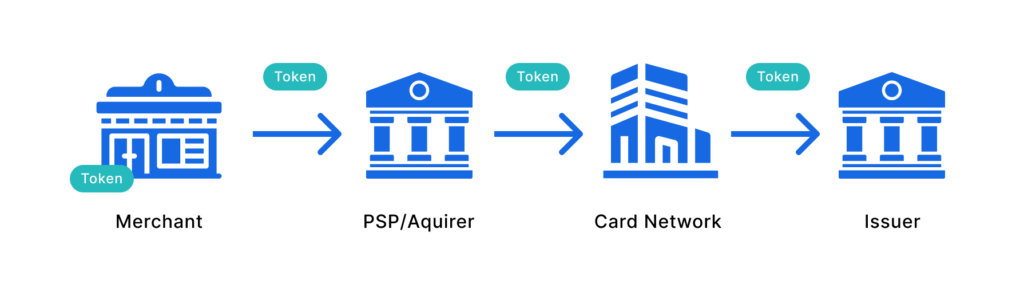
The process begins when a customer initiates a payment. Instead of sending the actual credit card number through the payment network, the system generates a unique token that represents the card number. This token is then used to complete the transaction, while the actual card number is securely stored in a token vault.

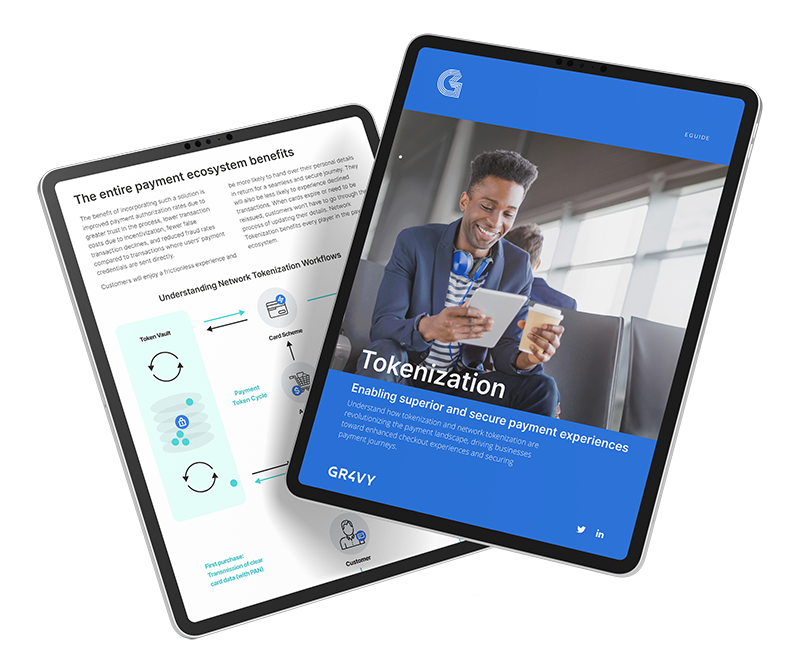
For instance, when a customer makes a purchase online, the payment processor generates a token to represent the card number. This token is sent through the payment network, ensuring that the actual card number remains secure. To dive deeper into how this works, download our free eGuide on network tokenization.

Examples

Tokenization is widely used in various industries to enhance security. In the retail sector, it protects customers’ credit card information during transactions. In healthcare, it safeguards sensitive patient data, ensuring compliance with regulations like HIPAA. Tokenization is also used in the financial industry to secure bank account details and other sensitive information.

For example, a large retailer might use tokenization to protect its customers’ payment information both in-store and online. When a customer swipes their card at a point-of-sale terminal, the card number is replaced with a token that is used to process the payment. Similarly, when a customer makes a purchase on the retailer’s website, their card number is replaced with a token that is used to complete the transaction. This ensures that the customer’s card number is never exposed, reducing the risk of fraud.

What is the difference between network tokenization and gateway tokenization?

Definitions

Network tokenization and gateway tokenization are two methods used to secure payment information, but they operate differently.

  • Network tokenization: This involves replacing sensitive card information with a token that is used across the entire payment network. The token can be used by multiple merchants and remains consistent across different transactions and channels.
  • Gateway tokenization: This type of tokenization occurs at the payment gateway level. The token is generated by the gateway and is typically used for a single merchant or a specific transaction. It is not shared across different payment networks or merchants.

Key differences

The primary difference between network tokenization and gateway tokenization lies in their scope and application. Network tokenization provides a broader scope, allowing tokens to be used across multiple merchants and transactions, enhancing security and user experience. Gateway tokenization, on the other hand, is limited to individual merchants or transactions, providing a more localized form of security.

For businesses seeking a comprehensive security solution, network tokenization offers greater flexibility and protection. Gateway tokenization, while effective, may be more suitable for smaller operations or specific use cases where broader tokenization is not required. To understand these differences in detail, download our comprehensive eGuide on network tokenization.

Use cases

  • Network tokenization: Ideal for large businesses and e-commerce platforms that process a high volume of transactions across multiple channels. It ensures consistent token use across various payment methods, providing a seamless and secure customer experience.
  • Gateway tokenization: Best suited for small to medium-sized businesses with lower transaction volumes. It offers targeted security for specific transactions or merchant operations.

For example, a global e-commerce platform might use network tokenization to ensure that customers’ payment information is protected regardless of where they are making a purchase. This means that whether a customer is shopping on the company’s website, mobile app, or in a physical store, their payment information is consistently tokenized and secure.

What is the difference between a network token and a payment token?

Definitions

  • Network token: A token that replaces sensitive card information and can be used across multiple merchants and transactions within a payment network.
  • Payment token: A more general term that refers to any token used to represent sensitive payment information, which can include both network tokens and tokens generated by payment gateways.

Key differences

Network tokens are specifically designed to work across different merchants and transactions within a payment network, providing a high level of interoperability and security. Payment tokens, on the other hand, may be limited to specific use cases or merchants, depending on how they are generated and managed.

Understanding the distinctions between these types of tokens is essential for businesses aiming to implement the most effective security measures. To explore these concepts further, download our free eGuide on network tokenization.

Use cases

  • Network tokens: Used in environments where transactions need to be secure and consistent across multiple merchants and channels. This includes large retailers and e-commerce platforms.
  • Payment tokens: Often used for specific transactions or by individual merchants, providing targeted security for their particular needs.

For instance, a large retail chain might use network tokens to ensure that customers’ payment information is consistently protected across all of its stores. This means that a customer can use their card at any location, and the same token will be used to process the payment, ensuring a seamless and secure experience.

Are network tokens PCI-compliant?

Explanation of PCI compliance

PCI compliance refers to the Payment Card Industry Data Security Standard (PCI DSS), which sets the requirements for protecting cardholder data. Compliance with PCI DSS is essential for any business that processes, stores, or transmits credit card information.

Compliance of network tokens

Network tokens are designed to meet PCI DSS requirements by replacing sensitive card information with tokens that have no exploitable value. This reduces the risk of data breaches and helps businesses maintain compliance with industry standards. To learn more about how network tokens ensure PCI compliance, download our eGuide on network tokenization.

Examples

Many major payment networks and financial institutions use network tokenization to enhance security and maintain PCI compliance. By implementing network tokens, businesses can reduce their PCI DSS scope, simplifying the compliance process and lowering costs.

For example, a major financial institution might use network tokenization to protect its customers’ card information during transactions. This ensures that even if a token is intercepted, it cannot be used for fraudulent activities, maintaining the security and integrity of the payment system.

How does network tokenization work?

Process overview

Network tokenization works by generating a unique token for each transaction that represents the customer’s card information. This token can be used across multiple merchants and channels within the payment network, providing a consistent and secure way to handle payments.

Technical workflow

  1. Token generation: When a customer initiates a payment, the payment processor generates a unique token to represent the card information.
  2. Token storage: The actual card information is securely stored in a token vault, ensuring it is protected from unauthorized access.
  3. Token usage: The generated token is used to process the payment, traveling through the payment network instead of the actual card information.
  4. Transaction completion: The token is validated and the payment is processed, completing the transaction securely.

By understanding the technical workflow of network tokenization, businesses can appreciate the complexity and security of the process. To get a detailed explanation and real-world examples, download our eGuide on network tokenization.

Examples

For instance, an online retailer using network tokenization can ensure that every transaction is securely processed using tokens. This protects customer data and reduces the risk of fraud. To see a detailed explanation and real-world examples, download our eGuide on network tokenization.

Another example is a subscription-based service that uses network tokenization to manage recurring payments. By generating a unique token for each transaction, the service can ensure that customers’ payment information is always secure. This reduces the risk of fraud and enhances the customer experience.

Benefits of network tokenization

Enhanced security

Network tokenization significantly enhances payment security by replacing sensitive card information with tokens that have no exploitable value. This reduces the risk of data breaches and unauthorized transactions.

For example, a business that uses network tokenization can ensure that its customers’ payment information is always protected. Even if a token is intercepted, it cannot be used for fraudulent activities, maintaining the security and integrity of the payment system.

Reduced fraud

By using tokens instead of actual card information, network tokenization helps prevent fraud. Even if a token is intercepted, it cannot be used to complete a transaction, protecting both businesses and consumers from fraudulent activities.

For example, an e-commerce platform that uses network tokenization can reduce the risk of fraud by ensuring that customers’ payment information is always protected. This enhances the security of the payment process and reduces the risk of fraudulent transactions.

Improved customer experience

Network tokenization provides a seamless and secure payment experience for customers. They can make transactions confidently, knowing that their sensitive information is protected. To learn how this can benefit your business, download our free eGuide on network tokenization.

For example, a customer who shops at a retailer that uses network tokenization can be confident that their payment information is always protected. This enhances their overall shopping experience and builds trust with the retailer.

Cost savings

Implementing network tokenization can lead to significant cost savings for businesses. By reducing the risk of fraud and data breaches, companies can lower their security-related expenses and avoid the costs associated with handling security incidents. Additionally, network tokenization can simplify PCI compliance, reducing the resources needed for compliance efforts.

For example, a business that uses network tokenization can reduce its PCI DSS scope, simplifying the compliance process and lowering costs. This allows the business to focus on other important aspects of its operations, driving growth and success.

Network tokenization is a powerful tool for enhancing payment security and improving the overall transaction experience. By understanding how it works and the benefits it offers, businesses can make informed decisions about implementing this technology.

If you’re interested in learning more about how network tokenization can benefit your business, download our comprehensive eGuide to explore the intricacies of this technology and see real-world examples of its application. Additionally, contact Gr4vy to book a demo and discover how our payment orchestration solutions can help you enhance security and efficiency in your payment processes.

What are variable recurring payments

Recurring payments have become integral to our financial lives, from monthly subscriptions to utilities and membership fees. These automated transactions ensure convenience and consistency, making it easier for both consumers and businesses to manage regular expenses. However, as the payment landscape evolves, a new form of recurring payment is gaining traction: variable recurring payments (VRPs). VRPs offer greater flexibility and adaptability compared to fixed recurring payments. In this article, we will delve into what VRPs are, how they work, and their benefits, along with the context of open banking and real-world use cases.

What is an example of a recurring payment?

Definition and explanation

Recurring payments are automated transactions where a customer authorizes a merchant to collect payments regularly, typically monthly. This setup ensures that payments are made consistently without requiring manual intervention each time.

Common examples

  • Subscription services: Popular services like Netflix, Spotify, and Amazon Prime charge customers a monthly fee automatically.
  • Membership fees: Gyms, clubs, and professional associations often use recurring payments for their monthly or annual membership fees.
  • Utility bills: Services such as electricity, water, and internet providers commonly use recurring payments to ensure timely bill payments.

These examples illustrate the widespread use of recurring payments in various sectors, making life easier for consumers by automating routine expenses.

How do you handle recurring payments?

Setting up recurring payments

Setting up recurring payments involves a few straightforward steps for both businesses and consumers:

  1. Customer Authorization: The customer agrees to the recurring payment terms, usually during the sign-up or purchase process.
  2. Payment Details: The customer provides their payment information, such as a credit card or bank account number.
  3. Schedule and Amount: The merchant sets up the payment schedule and amount according to the agreed terms.
  4. Confirmation: The customer receives a confirmation of the recurring payment setup, detailing the schedule and amount.

Tools and platforms

Various tools and platforms facilitate the setup and management of recurring payments. Some of the popular options include:

  • PayPal: Offers seamless recurring payment options for subscriptions and memberships.
  • Stripe: Provides robust APIs for businesses to set up and manage recurring payments.
  • Square: Simplifies recurring billing for small businesses and freelancers.

These platforms offer comprehensive solutions to manage recurring payments, ensuring reliability and security.

Management tips

Managing recurring payments effectively involves monitoring transactions, maintaining clear communication with customers, and ensuring data security. Here are some best practices:

  • Regular Monitoring: Keep an eye on recurring transactions to quickly identify and resolve any issues.
  • Customer Communication: Send reminders and confirmations to customers about upcoming and completed payments.
  • Security: Use encryption and secure payment gateways to protect customer payment information.

Implementing these practices helps businesses maintain trust and reduce payment-related issues.

Explore the benefits of network tokenization: Learn how network tokenization can enhance your payment security and efficiency. Dive deeper into the subject by downloading our comprehensive eGuide on network tokenization and discover the transformative potential for your business.

What are the disadvantages of recurring payments?

Potential drawbacks

While recurring payments offer many benefits, they also come with some potential drawbacks:

  • Accidental Charges: Customers may forget about a subscription or membership, leading to unexpected charges.
  • Difficulty in Cancellation: Some services make it challenging for customers to cancel recurring payments, leading to frustration.
  • Lack of Transparency: Customers may not always have clear visibility into the terms and conditions of recurring payments.

Consumer concerns

To address these concerns, businesses should ensure transparency and provide easy options for managing and canceling subscriptions. Clear communication and user-friendly interfaces can help mitigate these issues and enhance customer satisfaction.

What is a variable recurring payment?

Definition and explanation

Variable recurring payments (VRPs) are a type of recurring payment where the amount varies based on usage or other factors. Unlike fixed recurring payments, which remain constant, VRPs adjust to reflect actual usage or consumption.

Examples

Examples of VRPs include:

  • Utility Bills: Bills for electricity, gas, and water can vary each month based on consumption.
  • Usage-Based Subscriptions: Some software-as-a-service (SaaS) companies charge based on the number of users or the volume of data used.
  • Insurance Premiums: Premiums that adjust based on risk factors or coverage levels.

These examples illustrate how VRPs offer flexibility and align payments more closely with actual usage, providing benefits for both consumers and businesses.

Which banks offer variable recurring payments?

Bank adoption

Several banks have started offering VRPs as part of their services, integrating them into their digital banking platforms. Some of the leading banks in this area include:

  • HSBC: Offers VRPs for various services, providing customers with flexible payment options.
  • Barclays: Has integrated VRPs into its banking app, allowing customers to manage their payments easily.
  • Lloyds Bank: Provides VRPs for utilities and other variable expenses.

These banks are leading the way in adopting VRPs, offering innovative solutions to meet the evolving needs of their customers.

Future trends

As the demand for flexible payment options grows, more banks are expected to adopt VRPs. The integration of VRPs with digital banking and open banking platforms will likely drive further innovation and adoption in the financial sector.

Use cases for VRPs

Business applications

Businesses can leverage VRPs to enhance their payment processes and offer greater flexibility to their customers. Some use cases include:

  • Utility Companies: Charging customers based on their actual consumption of electricity, water, or gas.
  • Telecommunications Providers: Billing customers for variable usage of data, calls, and messages.
  • Subscription Services: Offering usage-based pricing models for SaaS products or media services.

These applications demonstrate how VRPs can align payments with actual usage, improving customer satisfaction and operational efficiency.

Consumer benefits

For consumers, VRPs offer several advantages:

  • Flexibility: Payments that vary based on usage provide greater control over expenses.
  • Transparency: Customers can see exactly what they are paying for, leading to better budgeting and financial planning.
  • Convenience: Automated VRPs eliminate the need for manual payments, reducing the risk of missed payments.

These benefits make VRPs an attractive option for consumers looking for more adaptable and transparent payment solutions.

Case studies

Many businesses have successfully implemented VRPs to improve their payment processes. For instance:

  • Energy Companies: Implementing VRPs to bill customers based on their monthly energy consumption, leading to more accurate and fair billing.
  • Telecom Providers: Using VRPs to charge customers for their actual data usage, resulting in more flexible and customer-friendly billing options.

These case studies highlight the practical benefits of VRPs for both businesses and consumers.

Optimize your payment processes: Understand the intricacies of payment orchestration and how it can streamline your payment methods. Check out our detailed insights on payment orchestration to see how you can improve your payment infrastructure.

VRPs and open banking

Integration with open banking

Open banking, which allows third-party financial service providers to access bank data with customer consent, is playing a crucial role in the adoption of VRPs. By integrating VRPs with open banking, financial institutions can offer more personalized and flexible payment solutions.

Benefits of integration

Integrating VRPs with open banking provides several benefits:

  • Enhanced Security: Open banking standards ensure secure data sharing and transaction processing.
  • Improved Customer Experience: Customers can manage their VRPs through a single interface, simplifying payment management.
  • Innovation: Open banking fosters innovation by allowing third-party providers to develop new VRP-based services.

These benefits highlight the potential of VRPs and open banking to transform the payment landscape.

Future outlook

The future of VRPs looks promising, especially with the continued growth of open banking. As more banks and financial institutions adopt these technologies, we can expect to see increased innovation and broader adoption of VRPs.

Variable recurring payments FAQs

What is the difference between fixed and variable recurring payments? 

Fixed recurring payments remain constant each billing cycle, while variable recurring payments fluctuate based on usage or other factors.

How can businesses ensure transparency with VRPs? 

Businesses can ensure transparency by providing clear billing statements and detailed usage information, allowing customers to see exactly what they are paying for.

What industries benefit most from VRPs? 

Industries such as utilities, telecommunications, and SaaS benefit greatly from VRPs, as they often involve variable usage and consumption.

Are VRPs secure? 

Yes, VRPs are secure, especially when integrated with open banking standards that ensure secure data sharing and transaction processing.

How do VRPs impact customer satisfaction? 

VRPs can improve customer satisfaction by offering flexible, transparent, and convenient payment options that align with actual usage and preferences.

Variable recurring payments (VRPs) represent a significant advancement in the world of payments, offering flexibility, transparency, and convenience. By understanding how VRPs work and their benefits, businesses can enhance their payment processes and improve customer satisfaction. As open banking continues to evolve, VRPs will play an increasingly important role in the financial ecosystem.

If you want to learn more about how variable recurring payments can benefit your business, contact Gr4vy to book a demo and discover how our payment orchestration solutions can help you enhance security and efficiency in your payment processes.

Tokenization in payments: Network vs PCI tokenization compared

Securing payment information is a critical concern for businesses and consumers in today’s digital economy. Tokenization stands out as a robust solution among the various strategies employed to protect sensitive data. However, tokenization is not monolithic; it encompasses different methods tailored to specific needs and regulatory requirements. Two key forms of tokenization are network tokenization and PCI tokenization. This article explores the nuances of these two methods, shedding light on their unique characteristics, benefits, and practical applications, helping businesses choose the best approach for their security needs.

What is network tokenization?

Definition and explanation

Network tokenization involves replacing sensitive card information with a unique token generated and managed by the payment network (e.g., Visa, MasterCard). This token can be used across multiple merchants and transactions, providing a consistent and secure way to handle payments.

In network tokenization, the payment network stores the actual card details securely. The network generates a token representing the card details when a transaction is initiated. This token is then used for the transaction, ensuring that the card information is not exposed during the process. This method enhances security by reducing the risk of data breaches and fraud.

Benefits

Network tokenization offers several advantages:

  • Enhanced security: Using tokens instead of actual card information significantly reduces the risk of data breaches and fraud.
  • Interoperability: Tokens can be used across multiple merchants and transactions, providing a seamless payment experience.
  • Compliance: Network tokenization helps businesses comply with various regulatory requirements, as sensitive data is not stored or transmitted during transactions.

For a deeper understanding of network tokenization, you can refer to our comprehensive eGuide on network tokenization.

What is PCI tokenization?

Definition and explanation

PCI tokenization involves replacing sensitive card information with a token generated and managed by a PCI-compliant service provider. This method focuses on helping businesses reduce their PCI DSS (Payment Card Industry Data Security Standard) scope by ensuring that card data is not stored or processed in their systems.

In PCI tokenization, the card details are stored in a secure token vault managed by the service provider. The provider generates a token representing the card details when a transaction is initiated. This token is then used for the transaction, ensuring that the card information is not exposed during the process. PCI tokenization helps businesses achieve compliance with PCI DSS requirements, reducing the burden of managing sensitive data.

Benefits

PCI tokenization provides several key benefits:

  • PCI DSS compliance: This service helps businesses meet PCI DSS requirements by ensuring that card data is not stored or processed in their systems.
  • Security: Reduces the risk of data breaches and fraud by using tokens instead of actual card information.
  • Simplified operations: By outsourcing the management of sensitive data to a PCI-compliant service provider, businesses can focus on their core operations.

What is the difference between PCI tokenization and network tokenization?

Key differences

While both PCI tokenization and network tokenization aim to enhance payment security by replacing sensitive card information with tokens, they differ in their scope and implementation:

  • Scope: PCI tokenization focuses on reducing businesses’ PCI DSS scope by ensuring that card data is not stored or processed in their systems. Network tokenization, on the other hand, provides a broader scope by allowing tokens to be used across multiple merchants and transactions.
  • Management: In PCI tokenization, tokens are managed by a PCI-compliant service provider, while in network tokenization, tokens are managed by the payment network.
  • Interoperability: Network tokens can be used across merchants and transactions, providing a seamless payment experience. PCI tokens are typically limited to specific use cases within a single merchant’s environment.

Use cases

  • PCI tokenization: Ideal for businesses that need to comply with PCI DSS requirements and want to reduce the burden of managing sensitive data.
  • Network tokenization: Suitable for businesses that operate across multiple merchants and require a consistent and secure payment experience.

What is the difference between network tokenization and gateway tokenization?

Definitions

  • Network tokenization: Involves replacing sensitive card information with a token generated and managed by the payment network, used across multiple merchants and transactions.
  • Gateway tokenization: Involves replacing card information with a token generated by the payment gateway, typically used within the context of a single merchant or transaction.

Key differences

  • Scope: Network tokenization provides a broader scope, allowing tokens to be used across multiple merchants and transactions. Gateway tokenization is more limited in scope, typically confined to a single merchant or transaction.
  • Management: The payment network manages network tokens, while the payment gateway manages gateway tokens.

network tokenization

For more detailed insights, download our comprehensive eGuide on network tokenization.

What is the difference between network tokenization and acquirer tokenization?

Definitions

  • Acquirer tokenization: Involves replacing card information with a token generated by the acquiring bank and used within the acquiring bank’s ecosystem.
  • Network tokenization: Involves replacing card information with a token generated by the payment network, used across multiple merchants and transactions.

Key differences

  • Scope: Acquirer tokenization is limited to the acquiring bank’s ecosystem, while network tokenization has a broader scope, allowing tokens to be used across multiple merchants and transactions.
  • Management: The acquiring bank manages acquirer tokens, while the payment network manages network tokens.

What is the difference between network token and merchant token?

Definitions

  • Merchant token: A token generated by the merchant or their payment processor, used within the merchant’s ecosystem.
  • Network token: A token generated by the payment network, used across multiple merchants and transactions.

Key differences

  • Scope: Merchant tokens are limited to the merchant’s ecosystem, while network tokens can be used across multiple merchants and transactions.
  • Management: Merchant tokens are managed by the merchant or their payment processor, while network tokens are managed by the payment network.

Tokenization in payments FAQs

How does tokenization enhance payment security?

 Tokenization enhances payment security by replacing sensitive card information with tokens without exploitable value, reducing the risk of data breaches and fraud.

Can network tokens be used across different merchants? 

Yes, network tokens can be used across different merchants and transactions, providing a seamless and secure payment experience.

What are the compliance benefits of PCI tokenization? 

PCI tokenization helps businesses meet PCI DSS requirements by ensuring that card data is not stored or processed in their systems, reducing the scope of compliance.

Is gateway tokenization more secure than network tokenization? 

Both methods offer security benefits, but network tokenization provides a broader scope and interoperability, making it suitable for use across multiple merchants and transactions.

How do businesses choose between different types of tokenization? 

When choosing between different types of tokenization, businesses should consider their specific needs, such as compliance requirements, scope of operations, and desired level of interoperability.

Understanding the differences between network tokenization and PCI tokenization is crucial for businesses looking to enhance their payment security and compliance. Each method offers unique benefits and serves different purposes within the payment ecosystem. By carefully evaluating their needs and the features of each tokenization method, businesses can make informed decisions to protect sensitive payment information.

If you want to learn more about how tokenization can benefit your business, contact Gr4vy to book a demo and discover how our payment orchestration solutions can help you enhance security and efficiency in your payment processes.

Alternative payment methods: examples and trends

As technology continues to evolve, so do the ways we conduct transactions. Alternative payment methods have emerged to cater to the diverse needs of modern consumers and businesses. These innovative solutions enhance convenience and offer improved security and flexibility. In this article, we will delve into what alternative payment methods are, explore their history, and examine the various types and trends shaping their adoption globally. Understanding these methods is crucial for payment professionals, business decision-makers, and developers aiming to stay competitive in today’s dynamic market.

What are alternative payment methods?

Definition and explanation

Alternative payment methods refer to any form of payment that differs from traditional cash, checks, or standard credit and debit cards. These methods include digital wallets, cryptocurrencies, buy now, pay later (BNPL) services, and mobile money solutions. They have been developed to provide more convenience, security, and efficiency in financial transactions, adapting to consumers’ changing needs and preferences.

Benefits

Alternative payment methods offer several advantages for both consumers and businesses. For consumers, they provide enhanced convenience and faster transaction times. Businesses can reduce transaction costs, increase security, and expand the customer base by accommodating various payment preferences.

The history of alternative payment methods

Early examples

The concept of alternative payment methods is not entirely new. Historically, bartering was one of the earliest non-cash transactions, exchanging goods and services without using money. As societies evolved, various forms of currency and trade emerged, paving the way for modern financial systems.

Digital evolution

The digital age has revolutionized the way we think about payments. The introduction of credit cards in the mid-20th century marked the beginning of electronic payments. However, it was the advent of the internet and mobile technology that truly transformed payment methods. PayPal, launched in 1998, was one of the pioneers in digital payments, allowing users to send and receive money online. This set the stage for developing a wide range of alternative payment methods we see today.

Types of alternative payment methods

Digital wallets

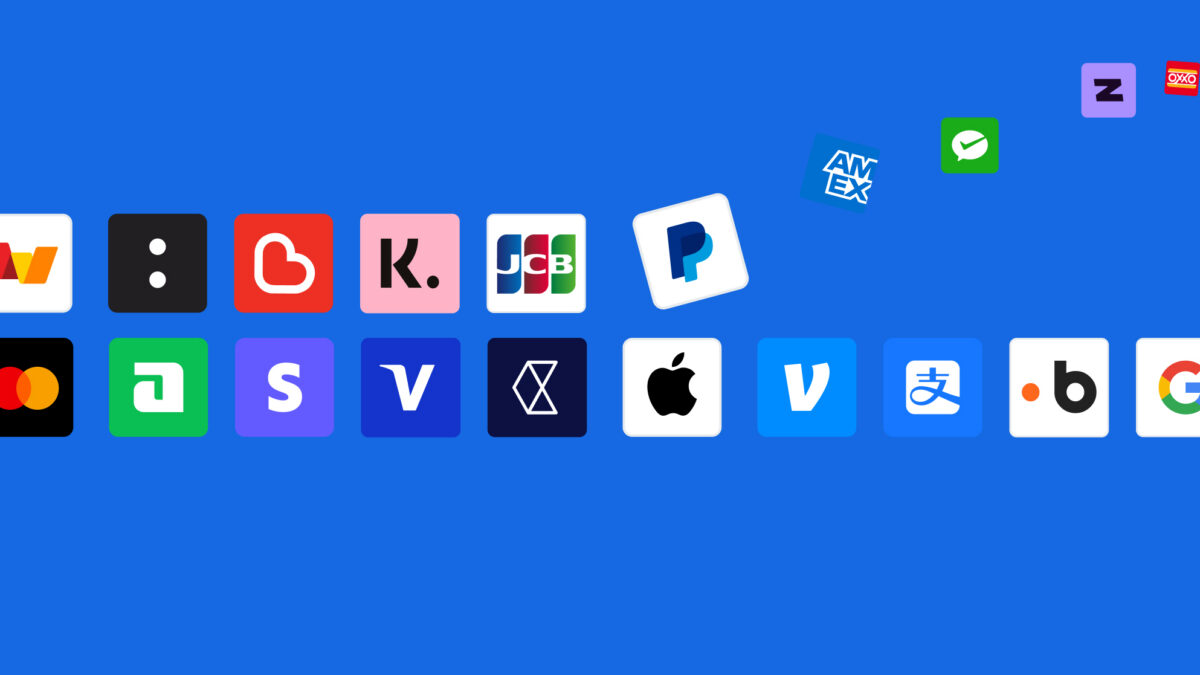
Digital wallets, such as Apple Pay, Google Wallet, and Samsung Pay, store payment information on mobile devices, enabling users to make payments through their smartphones. These wallets offer convenience and security, utilizing technologies like near-field communication (NFC) and biometric authentication.

Cryptocurrencies

Cryptocurrencies like Bitcoin, Ethereum, and Ripple use blockchain technology to facilitate secure and decentralized transactions. These digital currencies offer an alternative to traditional banking systems, providing users with more control over their finances and enabling cross-border transactions with lower fees.

Buy now, pay later (BNPL)

BNPL services, such as Klarna, Afterpay, and Affirm, allow consumers to purchase goods and services immediately and pay for them in installments over time. This payment method is popular for its flexibility and convenience, particularly among younger consumers.

Bank transfers and direct debit

Traditional bank transfers and direct debit payments have been enhanced by digital technology, making them more efficient and accessible. These methods are commonly used for recurring payments, such as subscriptions and utility bills.

Mobile money

Mobile money services like M-Pesa and Venmo enable users to store, send, and receive money using their mobile phones. These services have been particularly transformative in developing regions, where access to traditional banking infrastructure is limited.

Alternative payment methods around the world

North America

In North America, digital wallets such as PayPal, Venmo, and Apple Pay are widely used. The region has also seen significant adoption of BNPL services, driven by consumer demand for flexible payment options.

Europe

Europe has a diverse payment landscape, with methods like SEPA, Klarna, and various local solutions. Digital wallets and BNPL services are popular, reflecting the region’s advanced financial infrastructure and consumer preference for innovative payment solutions.

Asia

Asia is a leader in mobile payments, with platforms like Alipay and WeChat Pay. These mobile wallets offer services beyond payments, including social media integration and financial management tools.

Africa

Africa has pioneered mobile money services, with M-Pesa being a prime example. These services have revolutionized financial inclusion by providing access to banking for unbanked populations and facilitating economic growth.

Latin America

In Latin America, digital wallets and mobile payment methods are on the rise. Platforms like MercadoPago and PicPay are gaining traction, driven by increasing smartphone penetration and the need for secure, convenient payment options.

Criteria for popularity

Various factors, including user adoption, transaction volume, and geographic reach, can measure the popularity of an alternative payment method. Methods offering high convenience, security, and integration with other services are more popular.

Digital wallets and mobile payment platforms are among the most popular alternative payment methods globally. For instance, Alipay and WeChat Pay dominate in China, while PayPal and Venmo are widely used in the United States. To learn more about the rise of these payment methods, download our comprehensive eGuide on network tokenization.

Future predictions

As technology evolves, we can expect to see further innovations in alternative payment methods. Cryptocurrencies and blockchain technology, for example, have the potential to become mainstream as regulatory frameworks develop and consumer trust increases.

Examples

Case studies

Many businesses have successfully implemented alternative payment methods to enhance customer experience and streamline operations. For example, Starbucks has integrated its mobile payment system with its loyalty program, resulting in higher customer engagement and increased sales. Similarly, Amazon offers a variety of payment options, including Amazon Pay and installment plans, to cater to diverse customer preferences.

Consumer adoption

Statistics show that consumer adoption of alternative payment methods is on the rise. According to a survey by FIS, nearly 46% of global consumers use digital wallets, while BNPL services are expected to account for 4.2% of global e-commerce transactions by 2024.

Business benefits

Businesses that adopt alternative payment methods can benefit from increased sales, improved customer satisfaction, and reduced transaction costs. These methods also enable businesses to reach a wider audience, including customers who prefer non-traditional payment options.

Growth of mobile payments

Mobile payments are experiencing rapid growth, driven by increasing smartphone penetration and consumer demand for convenience. Platforms like Alipay, WeChat Pay, and Apple Pay are leading the way, offering services extending beyond payments.

Expansion of cryptocurrencies

Cryptocurrencies are gaining acceptance as legitimate payment methods, with more merchants and financial institutions recognizing their potential. Companies like Tesla and PayPal have started accepting Bitcoin for transactions, signaling a shift towards mainstream adoption.

Integration with e-commerce

Alternative payment methods are increasingly being integrated into e-commerce platforms, giving consumers more choices at checkout. This trend is particularly evident in the rise of BNPL services, which offer flexible payment options that can boost conversion rates.

Enhanced security features

Security remains a top priority for alternative payment methods. Innovations such as biometric authentication, tokenization, and blockchain technology are being used to enhance transaction security and protect consumer data.

Regulatory developments

As alternative payment methods are popular, regulatory frameworks are evolving to ensure their safe and fair use. Governments and financial institutions are working to develop standards and guidelines that protect consumers while fostering innovation.

FAQs

What are the risks associated with alternative payment methods? 

Alternative payment methods can pose risks such as fraud, data breaches, and regulatory challenges. However, advancements in security technology and regulatory compliance help mitigate these risks.

How do alternative payment methods impact transaction fees? 

Transaction fees for alternative payment methods can vary. Some methods, like digital wallets, may offer lower fees than traditional credit cards, while others, like cryptocurrencies, may have higher fees depending on network congestion.

Are alternative payment methods secure? 

Yes, alternative payment methods are generally secure, employing encryption, tokenization, and biometric authentication technologies to protect transactions and consumer data.

What should businesses consider when adopting alternative payment methods? 

Businesses should consider factors such as integration with existing systems, transaction fees, consumer preferences, and regulatory compliance.

How do alternative payment methods benefit consumers? 

They offer increased convenience, faster transaction times, enhanced security, and greater flexibility in managing their finances.

Alternative payment methods are reshaping how we conduct transactions, offering numerous benefits for consumers and businesses. By understanding the different types, trends, and regional preferences, payment professionals and business decision-makers can make informed decisions about integrating these methods into their operations.

If you’re interested in learning more about how alternative payment methods can benefit your business, download our comprehensive eGuide to explore the intricacies of these technologies. Additionally, contact Gr4vy to book a demo and discover how our payment orchestration solutions can help you enhance security and efficiency in your payment processes.

What is payment account reference?

Imagine a world where managing multiple payment methods across various platforms is seamless and secure. This is the promise of Payment Account Reference (PAR). Designed for payment professionals, business decision-makers, and developers, PAR provides a consistent and reliable way to track and manage payment accounts. In this article, we will uncover what PAR is, its significant benefits, various use cases, and how you can leverage PAR to enhance your company’s payment systems. Dive in to discover how PAR can transform your payment processes.

What is payment account reference (PAR)?

Definition and explanation

Payment Account Reference (PAR) is a unique identifier assigned to a cardholder’s payment account. Unlike traditional payment identifiers such as card numbers, PAR remains consistent across different cards issued for the same account, even if the number changes due to expiration or re-issuance. This consistency makes PAR a valuable tool for tracking and managing payment data without compromising security.

Historical context

The concept of PAR was introduced to address the limitations of traditional card numbers, which are prone to changes and can cause disruptions in payment tracking and data management. The development of PAR is part of a broader effort to enhance the efficiency and security of payment processing in an increasingly digital and interconnected world.

Technical details

Technically, PAR is a tokenized identifier that maps to the cardholder’s account but does not carry any sensitive card information itself. This ensures that PAR can be used for various payment-related purposes without exposing the cardholder’s actual card number. The structure of PAR is standardized, ensuring compatibility across different payment systems and platforms.

Industry standards

PAR is governed by industry standards such as those set by EMVCo, which ensures that it meets the stringent security and operational requirements of the payments industry. These standards help maintain the integrity and reliability of PAR, making it a trusted component of modern payment systems.

Benefits of payment account reference

Enhanced security

PAR improves transaction security by reducing the exposure of sensitive card information. Since PAR does not contain the actual card number, it minimizes the risk of fraud and data breaches. Learn more about payment security.

Improved data management

PAR enables better data tracking and management by providing a consistent identifier for the cardholder’s account, regardless of changes to the card number. This consistency is crucial for maintaining accurate transaction histories and customer profiles. Discover how to manage payment data effectively.

Increased efficiency

By using PAR, businesses can streamline their payment processes, reduce errors, and enhance operational efficiency. PAR simplifies the reconciliation of transactions and helps in the smooth handling of recurring payments. Explore efficient payment processing methods.

Customer experience

PAR enhances the customer experience by ensuring seamless and uninterrupted payment processes. Customers can enjoy a more reliable service, as their payment information remains consistent even if their card details change. Improve your customer payment experience.

Payment account reference use cases

Retail

In the retail sector, managing multiple transactions and payment methods can be challenging. PAR simplifies this process by providing a consistent identifier for each payment account. This helps retailers streamline their transaction processing and ensure accurate tracking of customer purchases. For instance, a customer can make a purchase using a new card issued for their existing account without any disruption in service, thanks to PAR. Retail payment solutions.

E-commerce

E-commerce platforms benefit significantly from the use of PAR. By using a consistent identifier, online merchants can enhance the customer experience by reducing payment friction. PAR helps in managing recurring payments, such as subscriptions, ensuring that even if a customer’s card details change, their subscription remains uninterrupted. This reduces churn and improves customer satisfaction. E-commerce payment optimization.

Financial institutions

Financial institutions use PAR to improve the accuracy and security of their payment processes. By linking multiple cards to a single PAR, banks and other financial institutions can offer better fraud detection and prevention measures. This consistent identifier also aids in compliance with regulatory requirements, providing a clear audit trail for all transactions. Financial services payment compliance.

Subscription services

For businesses that rely on recurring payments, such as streaming services or membership platforms, PAR is invaluable. It ensures that subscription payments continue seamlessly, even if a customer’s card is replaced or updated. This leads to fewer payment failures and an overall better customer experience, as users do not need to update their payment information manually. Managing recurring payments.

B2B transactions

PAR provides a reliable way to manage payments in the B2B space, where large transactions and complex payment processes are common. It helps businesses maintain accurate transaction records and ensures that payments are processed efficiently. PAR’s consistency reduces administrative overhead and streamlines financial operations, making managing accounts receivable and payable easier. B2B payment solutions.

How can you use PAR for your company?

Integration steps

Implementing PAR involves several steps:

  1. Assessment: Evaluate your current payment infrastructure and identify areas where PAR can add value.
  2. Integration: Use tools and APIs to connect PAR with your existing payment systems.
  3. Testing: Conduct thorough testing to ensure that PAR is working correctly and securely.
  4. Deployment: Roll out PAR across your payment systems and monitor its performance.

Customization

Customization allows businesses to tailor PAR to meet specific needs. This might include configuring PAR for different payment methods, handling recurring transactions, or managing complex payment flows. Customization ensures that PAR integrates seamlessly with your existing payment processes.

Implementation guide

Here’s a step-by-step guide to implementing PAR:

  1. Identify requirements: Determine your specific requirements for using PAR in your payment system.
  2. Select tools: Choose the appropriate tools and platforms that support PAR integration.
  3. Develop and test: Develop the necessary integrations and perform rigorous testing to ensure functionality.
  4. Deploy and monitor: Deploy the integration and continuously monitor its performance to make necessary adjustments.

FAQs about payment account reference

What is the difference between PAR and traditional payment identifiers?

PAR is a consistent identifier that remains unchanged even when card details change, unlike traditional card numbers that change with reissuance.

How secure is PAR?

PAR is highly secure as it does not contain sensitive card information, reducing the risk of fraud and data breaches.

Can PAR be used across multiple payment methods?

Yes, PAR can be used across various payment methods, providing a unified identifier for managing payments.

What are the costs associated with implementing PAR?

The costs vary depending on the complexity of your payment infrastructure and the tools you use for integration.

How does PAR affect compliance with payment regulations?

PAR helps maintain compliance with payment regulations by providing a clear audit trail and reducing exposure to sensitive card information.

Payment Account Reference (PAR) is a powerful tool for enhancing payment processes’ efficiency, security, and management. PAR helps businesses streamline their operations and improve customer experiences by providing a consistent identifier for payment accounts.

If you want to learn more about how PAR can benefit your business, contact Gr4vy to book a demo and explore our comprehensive payment orchestration solutions.

Payment timeout: Why it happens and how to avoid it

Imagine you’re running a business, and just as you’re about to close a major deal, you realize the payment from a previous transaction hasn’t come through yet. This scenario, known as payment timeout, can cause significant business headaches. Payment timeout happens when payments are delayed or fail to process, and it’s a common issue that can disrupt operations and strain relationships. Fortunately, businesses can manage and mitigate these delays with the right strategies and tools, especially through effective payment orchestration. Let’s dive into payment timeout, why it happens, and how businesses can keep their cash flow smooth and their partners happy.

What is payment timeout?

Payment timeout refers to the delay or failure to process payments within the expected timeframe. This can happen due to various reasons, such as technical glitches, administrative delays, or issues from the payer’s side. For businesses, particularly those dealing with large transactions, these delays can lead to cash flow challenges and strained relationships with partners and suppliers.

Causes of payment timeout

  1. Technical issues: Network failures, system errors, and payment gateway issues can all contribute to payment timeout. These technical problems often arise from outdated systems or insufficient payment orchestration, where the integration and management of different payment methods and gateways are not optimized.
  2. Administrative delays: Slow invoice processing, approval delays within the organization, and invoicing or payment details errors are common administrative causes. Effective payment orchestration can streamline these processes, reducing the likelihood of delays.
  3. Customer-related issues: Client late payments, payment disputes, and insufficient funds are typical challenges. Implementing clear communication and efficient dispute-resolution mechanisms within the payment orchestration framework can mitigate these issues.

Effects of payment timeout on businesses

When payments are delayed, businesses can face several challenges:

  • Cash flow problems: Delayed payments can disrupt cash flow, making it difficult for businesses to meet their financial obligations. Effective payment orchestration helps maintain a steady cash flow by ensuring smoother transaction processes.
  • Strained relationships: Regular payment delays can strain relationships with suppliers and partners, leading to potential loss of trust and business opportunities. An efficient payment orchestration system can help maintain these relationships by ensuring timely payments.
  • Impact on credit rating: Consistent payment delays can negatively impact a business’s credit rating, making it harder to secure loans and favorable terms in the future. Payment orchestration can improve payment reliability and consistency, thus protecting the business’s credit standing.

Discover the secrets behind approval rates in payments and learn how to optimize them for your business. Our in-depth article delves into what approval rates mean, why they matter, and effective strategies to improve them. Click here to read Approval Rates in Payments: Meaning and Deep Dive for comprehensive insights into enhancing your payment processes and ensuring smooth transactions.

Strategies to manage and reduce payment timeout

To mitigate the risks associated with payment timeout, businesses can adopt several strategies:

  • Implement robust invoicing systems: Ensure that invoicing systems are efficient and error-free. An effective invoicing system, often a key component of payment orchestration, helps generate and send out invoices promptly and accurately, reducing the chances of errors that could delay payments.
  • Automate payment reminders: Use automated systems to send reminders to clients about upcoming or overdue payments. Automation, an integral part of payment orchestration, ensures that clients are always aware of their payment obligations, thus reducing the likelihood of late payments.
  • Set clear payment terms: Clearly define payment terms and conditions in contracts to avoid misunderstandings. This strategy involves outlining payment expectations upfront, which can prevent disputes and delays. Payment orchestration platforms can help consistently apply these terms across all transactions.
  • Utilize payment processing tools: Leverage advanced tools and services to streamline transactions and reduce delays. Often part of a payment orchestration system, these tools can handle various payment methods, automate transaction processing, and provide real-time updates on payment statuses, minimizing delays and ensuring smoother transactions.

Implement robust invoicing systems

A reliable invoicing system is crucial in preventing payment timeout. A robust system ensures that invoices are generated and sent out accurately and promptly, reducing the chances of errors that could delay payments. Additionally, a good invoicing system can help track payment statuses, making it easier to follow up on overdue invoices. Invoicing systems are integrated with other payment processes within payment orchestration, enhancing overall efficiency.

Automate payment reminders

One effective way to reduce payment timeout is by automating payment reminders. Automated systems can send out reminders to clients before the payment due date, on the due date, and after the due date if necessary. This reduces the likelihood of late payments and ensures that clients are always aware of their payment obligations. Automation, a key aspect of payment orchestration, helps maintain regular communication and prompt payments.

Set clear payment terms

Setting clear and concise payment terms is another essential strategy. When payment terms are well-defined and agreed upon upfront, it minimizes the risk of misunderstandings that could lead to delayed payments. Businesses should ensure that these terms are included in contracts and communicated clearly to all parties involved. Payment orchestration platforms can standardize these terms, making them consistently enforceable across all transactions.

Utilize payment processing tools

Modern payment processing tools can significantly reduce the incidence of payment timeout. These tools streamline the payment process, making it faster and more efficient. They can handle various payment methods, automate transaction processing, and provide real-time updates on payment statuses. By leveraging these tools, businesses can minimize delays and ensure smoother transactions. Payment orchestration integrates these tools into a unified system, enhancing their effectiveness.

Curious about payment routing and its role in your business? Our detailed article breaks down what payment routing is, how it functions, and why it’s critical for optimizing your transactions. Learn how effective payment routing can enhance your payment process by reading What is Payment Routing and How Does It Work?.

Conclusion

Understanding and managing payment timeout is crucial for any business looking to maintain financial health and strong operational relationships. By adopting proactive strategies and leveraging modern tools within the framework of payment orchestration, businesses can significantly reduce the occurrence and impact of payment delays.For businesses seeking an advanced solution, Gr4vy offers a powerful platform to streamline your payment processes. With Gr4vy, you can easily build workflows for optimal approval rates and transaction costs. Our platform allows you to route card payments to any payment processor based on card type, BIN ranges, amount, or other custom metadata, offering unlimited customization options for your checkout process. Prevent failed payments by dynamically creating retry rules and timeout controls for each payment provider, all without writing any code. Book a demo with Gr4vy today to discover how our platform can transform your payment operations and enhance your business efficiency.

Understanding real-time payments: Key insights and benefits

Real-time payments (RTP) are transforming the way we handle financial transactions by enabling instant transfers of funds any time of the day. This guide will walk you through everything you need to know about RTP, from how they work to their benefits and risks. Whether you’re an individual or a business, understanding RTP can help you navigate the evolving landscape of digital payments.

How do RTP payments work?

RTP payments work by allowing money to be transferred between bank accounts instantly, without the delays typical of traditional banking methods. Here’s a step-by-step look at the process:

Initiation

The sender initiates a payment through their banking app or online platform. This step involves entering the recipient’s details, the amount to be transferred, and any reference or description for the transaction. Modern banking apps make this process user-friendly, often allowing users to select recipients from a contact list.

Authorization

The bank verifies the sender’s account and authorizes the transaction. This may involve multiple security checks, including password verification, biometric authentication, and sometimes even two-factor authentication to ensure that the transaction is legitimate.

Clearing

The payment information is sent to the recipient’s bank in real-time. Unlike traditional methods that rely on batch processing, RTP systems process transactions individually, ensuring that each transfer is handled immediately. This stage involves the interbank network that facilitates the transfer of payment information.

Settlement

The recipient’s bank receives the funds immediately and makes them available to the recipient. The entire process from initiation to settlement typically takes seconds to complete, providing instant confirmation to both parties involved. This speed is what sets RTP apart from traditional payment methods, offering a significant advantage for time-sensitive transactions.

How does RTP compare to other payment methods?

When comparing RTP to other payment methods, several key differences stand out. Understanding these differences can help you decide when to use RTP over other options like ACH, wire transfers, or credit card payments.

Speed

RTP transactions are completed in real-time, whereas traditional methods like ACH (Automated Clearing House) can take several days. For instance, an ACH transfer initiated on a Friday might not be completed until the following Monday, while an RTP transaction would be completed within seconds.

Availability

RTP systems operate 24/7, including weekends and holidays, unlike many traditional banking services that only process transactions during business hours. This availability ensures that you can make payments whenever needed, without worrying about banking hours.

Cost

While fees vary, RTP can be more cost-effective than credit card transactions, which often come with higher processing fees. Businesses, in particular, can benefit from lower transaction costs and quicker access to funds, improving cash flow management.

Certainty

RTP offers immediate confirmation and finality, reducing the risk of payment reversals or delays. Once a transaction is completed, it cannot be undone, providing certainty to both the sender and the recipient. This is particularly useful for transactions where immediate confirmation is crucial, such as online purchases or emergency payments.

Overall, RTP provides a faster, more reliable alternative to traditional payment methods, making it highly attractive for both personal and business use.

Are you prepared for the upcoming changes in the payment landscape? Our latest article, “Are You Ready for Co-Badged Card Regulations?”, provides a comprehensive guide on how these new regulations will affect your business and what steps you need to take to stay compliant. Stay informed and ahead of the curve by clicking to read more!

What is RTP vs ACH?

Understanding the difference between RTP vs ACH is crucial for making informed payment decisions. Both methods have their unique features and are suited for different types of transactions.

RTP: Real-Time Payments

Real-time payments are instant and available 24/7. They provide immediate transfer and confirmation of funds. RTP systems are designed for urgent transactions where speed and certainty are essential. For example, a small business can pay its suppliers instantly, ensuring quick restocking and avoiding delays.

ACH: Automated Clearing House

Automated Clearing House payments typically take 1-3 business days to process. ACH transactions are batch-processed, meaning they are grouped and processed at specific times rather than immediately. This method is often used for scheduled payments, such as payroll deposits, bill payments, and recurring transfers. While ACH is generally more cost-effective than RTP, the trade-off is the processing time.

While ACH is suitable for scheduled payments and payroll deposits due to its lower cost, RTP is ideal for urgent transactions requiring immediate confirmation.

What is the difference between faster payments and real-time payments?

Faster payments and real-time payments are often used interchangeably, but there are subtle differences that are important to understand.

Real-Time Payments (RTP)

These are transactions where the funds are transferred and settled instantly, usually within seconds. RTP systems are designed for immediate fund transfers and are available 24/7. They offer real-time processing and immediate availability of funds, making them ideal for urgent transactions and on-demand payments.

Faster Payments

This term generally refers to systems that process transactions more quickly than traditional methods but may not be instant. For example, the UK’s Faster Payments Service (FPS) processes transactions within minutes rather than seconds. While these payments are significantly faster than traditional methods, they may not offer the same level of immediacy as RTP.

The primary distinction lies in the speed and finality of the transaction, with RTP ensuring immediate settlement and availability of funds. Faster payments improve transaction speed but might not always provide the real-time settlement that RTP offers.

What are the risks associated with real-time payments?

While real-time payments offer numerous benefits, they also come with risks that users need to be aware of. Understanding these risks can help in making informed decisions and implementing appropriate safeguards.

Fraud

The speed of RTP can make it challenging to detect and prevent fraudulent transactions in time. Because transactions are completed within seconds, there is little time to flag and stop fraudulent activities. Financial institutions must invest in advanced fraud detection systems that can monitor transactions in real-time and identify suspicious patterns.

Errors

Immediate transfers mean that any mistakes, such as sending funds to the wrong account, are harder to rectify. Once a payment is processed, it cannot be reversed. This places a greater responsibility on users to double-check transaction details before initiating payments.

Security

Ensuring robust security measures is critical to protect against cyber threats and unauthorized access. As RTP systems operate 24/7, they are constantly exposed to potential cyber-attacks. Financial institutions must implement strong encryption, secure authentication methods, and regular security audits to safeguard against breaches.

To mitigate these risks, financial institutions must implement advanced fraud detection systems and provide users with secure authentication methods.

Curious about the latest in online payment innovations? Our article, “Click to Pay: How Does It Work?”, breaks down everything you need to know about this convenient and secure payment method. Learn how it streamlines transactions and enhances security for both businesses and customers. Click to read more and stay ahead in the digital payment game!

How many countries have RTP?

Real-time payments are gaining global traction, with many countries adopting or developing RTP systems. As of now, over 50 countries have implemented RTP systems, including:

United Kingdom

The UK’s Faster Payments Service (FPS) was one of the first RTP systems and has been in operation since 2008. It allows users to make instant payments 24/7, enhancing the efficiency of personal and business transactions.

United States

The Real-Time Payments (RTP) network in the US, launched by The Clearing House in 2017, provides instant settlement and availability of funds. It supports a variety of transactions, from consumer payments to business disbursements.

India

India’s Immediate Payment Service (IMPS) and Unified Payments Interface (UPI) are among the world’s leading RTP systems, offering instant fund transfers and a wide range of payment services.

Australia

Australia’s New Payments Platform (NPP), launched in 2018, enables real-time payments with data-rich capabilities, supporting both consumers and businesses.

European Union

The SEPA Instant Credit Transfer (SCT Inst) system allows for instant euro transfers across the Eurozone, enhancing cross-border payments within Europe.

These systems are helping to create a more interconnected global economy, where funds can be transferred instantly across borders.

What other types of payments could benefit from real-time payments?

Many types of payments can benefit from the efficiency of real-time payments. RTP can enhance the speed and reliability of various transaction types, providing significant advantages for both senders and recipients.

E-commerce Transactions

Immediate payment confirmation enhances the shopping experience. Customers receive instant confirmation of their purchases, reducing the risk of cart abandonment and increasing customer satisfaction.

Bill Payments

Utility and service providers can receive instant payments, reducing late fees and improving cash flow. Customers also benefit from avoiding late payment penalties and ensuring that their services are not interrupted.

Person-to-Person (P2P) Payments

Friends and family can transfer funds instantly, making splitting bills and sending gifts more convenient. RTP simplifies the process of sending and receiving money, making it easier for individuals to manage their finances.

Business-to-Business (B2B) Transactions

Companies can settle invoices instantly, improving liquidity and reducing the need for credit. Real-time payments can streamline supply chain operations, ensuring that businesses can operate more efficiently and respond quickly to market demands.

RTP is versatile and can enhance various payment scenarios by providing speed and certainty.

Real-time payments are revolutionizing the way we transfer money, offering unparalleled speed and convenience. By understanding how RTP works and how it compares to traditional methods like ACH, individuals and businesses can make more informed financial decisions. Despite the risks, the benefits of RTP are driving global adoption and transforming the payments landscape. As RTP continues to evolve, its potential applications will only expand, making it an essential tool for the modern economy.

How blockchain payments work: Everything you need to know

Blockchain technology has revolutionized the way we think about and use money. If you’re new to this concept, you might wonder, “What are blockchain payments?” This article will summarize it in simple terms, using real-world examples and addressing common questions. By the end, you’ll understand how blockchain payments work and why they’re gaining popularity.

What is a blockchain transaction?

A blockchain transaction transfers data from one party to another on a blockchain network. Unlike traditional transactions through banks or payment processors, blockchain transactions are peer-to-peer and do not require intermediaries. The transaction is recorded on a transparent and immutable digital ledger when you send or receive money through blockchain. This ledger is maintained by a network of computers (nodes) that validate and confirm each transaction.

To give you a clearer picture, imagine you want to send money to a friend. In a traditional setting, you’d need a bank to process this transfer. The bank checks if you have enough funds, approves the transaction, and then updates your and your friend’s account balances. With blockchain, this whole process happens without a bank. Instead, the blockchain network verifies the transaction, ensuring you have the funds and that the transfer is legitimate. Once verified, the transaction is recorded on the blockchain, visible to anyone who wants to check it, but secure and tamper-proof.

How does blockchain money work?

Blockchain money works by using cryptographic principles to secure transactions. The most popular form of blockchain money is cryptocurrency, like Bitcoin or Ethereum. When you own cryptocurrency, you essentially hold a private key to access your funds. This key is stored in a digital wallet, which can be software-based or hardware-based.

Here’s a simple way to understand it:

  1. Digital Wallet: Your cryptocurrency is stored in a digital wallet, much like how you might store cash in a physical wallet.
  2. Unique Address: Your wallet has a unique address, similar to a bank account number, which you use to receive funds.
  3. Private Key: To send money, you use a private key—a secret code known only to you—that authorizes transactions from your wallet.
  4. Blockchain Network: When you send money, the transaction is broadcasted to the blockchain network. Nodes (computers) in the network validate the transaction by solving complex mathematical problems.
  5. Verification: Once verified, the transaction is added to the blockchain, a public ledger that records all transactions.

This process ensures that transactions are secure and transparent. No one can alter a transaction once it’s been added to the blockchain, making fraud extremely difficult.

How do you transfer money using blockchain?

Transferring money using blockchain is straightforward. Here’s how you can do it:

  1. Open your digital wallet: This is where your cryptocurrency is stored. Most wallets are user-friendly, with interfaces similar to online banking apps.
  2. Enter the recipient’s wallet address: Make sure you have the correct address, as blockchain transactions are irreversible. Think of this like entering a bank account number—you want to get it right the first time.
  3. Specify the amount to transfer: Enter the cryptocurrency you wish to send. Transaction fees can vary depending on the blockchain network.
  4. Authorize the transaction: Sign off on the transfer using your private key. This step is crucial for security, ensuring that only you can approve transactions from your wallet.
  5. Wait for confirmation: The network will verify the transaction, which may take a few minutes to several hours, depending on the blockchain’s activity.

After these steps, the recipient will see the funds in their wallet. This method is quick and often more cost-effective than traditional bank transfers, especially for international payments.

What is blockchain used for?

Blockchain is used for much more than just payments. Here are some of its popular uses:

  • Cryptocurrencies: The most well-known use, enabling secure and fast digital payments. Cryptocurrencies like Bitcoin and Ethereum are built on blockchain technology, allowing for peer-to-peer transactions without intermediaries.
  • Smart Contracts: are self-executing contracts with terms directly written into code. They automatically enforce and execute agreements when predefined conditions are met, reducing the need for third parties.
  • Supply Chain Management: Blockchain can track goods from production to delivery, ensuring transparency and reducing fraud. It can also verify the authenticity of products such as organic foods or luxury items.
  • Voting Systems: Blockchain can ensure secure, tamper-proof voting processes, making voting more transparent and trustworthy and reducing the risk of fraud.
  • Identity Verification: Providing a secure way to verify identities online. Blockchain can store personal information securely, giving users control over their data.

These applications highlight the versatility of blockchain technology. It’s not just about money; blockchain can transform various industries by making processes more transparent, secure, and efficient.

Stay ahead with our comprehensive guide on PCI DSS v4.0: All you need to know as a merchant for 2024. Learn about the latest requirements, ensure compliance, and protect your business from cyber threats. This article provides everything you need to know to stay secure and compliant in the evolving digital landscape.

Is money safe in blockchain?

Yes, money is safe in blockchain as long as you take proper precautions. Blockchain technology is highly secure due to its decentralized nature and cryptographic principles. However, the safety of your funds also depends on how you manage your digital wallet and private keys. Here are some tips:

  • Use reputable wallets: Choose well-known and trusted digital wallets—research reviews and security features before selecting one.
  • Keep your private key secure: Do not share it with anyone and consider using hardware wallets for added security. A hardware wallet is a physical device that stores your private keys offline, making it less susceptible to hacks.
  • Be cautious of phishing attacks: Double-check URLs and avoid clicking on suspicious links. Cybercriminals often use phishing scams to trick people into revealing their private keys or login information.

By following these steps, you can ensure that your funds remain safe. Blockchain’s decentralized and transparent nature also adds an extra layer of security, as transactions are publicly recorded and verified by the network.

What are blockchain payments?

Blockchain payments refer to sending and receiving money using blockchain technology. These payments are typically faster, cheaper, and more secure than traditional methods. They are handy for international transactions, bypassing the need for currency exchange and reducing transaction fees.

Blockchain payments offer several advantages:

  • Speed: Transactions can be completed in minutes, compared to days with traditional banking systems.
  • Cost: Lower transaction fees, especially for international payments. This is because blockchain eliminates the need for intermediaries like banks and payment processors.
  • Security: Enhanced security features, such as cryptographic encryption and decentralized verification. This makes it harder for fraudsters to tamper with transactions.
  • Transparency: All transactions are recorded on a public ledger, making tracking and verifying payments easy.

These benefits make blockchain payments an attractive option for anyone who transfers money quickly and securely.

How do you receive money from blockchain?

Receiving money from blockchain is simple:

  1. Provide your wallet address: Provide the sender with your wallet address, a string of letters and numbers unique to your wallet.
  2. Wait for the transaction: The sender initiates the transfer. Depending on the blockchain network, this might take a few minutes to confirm.
  3. Check your wallet: Once the transaction is confirmed by the blockchain network, the funds will appear in your wallet. Most wallets will notify you when a transaction is complete.

Receiving money via blockchain is convenient and quick. Unlike traditional banking systems, there are no business hours or bank holidays to worry about; transactions can be made 24/7.

Can I withdraw money from blockchain?

You can withdraw your money from the blockchain by transferring your cryptocurrency to a bank account or converting it to cash. Here’s how:

  1. Use an exchange platform: Sign up on a cryptocurrency exchange that supports withdrawals to your local currency. Examples include Coinbase, Binance, and Kraken.
  2. Transfer your cryptocurrency: Send the cryptocurrency from your wallet to the exchange. This involves entering the exchange’s wallet address and specifying the amount to transfer.
  3. Sell your cryptocurrency: On the exchange, sell your cryptocurrency for your local currency. The exchange will handle the conversion based on current market rates.
  4. Withdraw to your bank account: Once sold, withdraw the funds to your bank account. Depending on the exchange and your bank, this process can take a few days.

Explore the basics of network tokenization for beginners. Discover how this technology enhances security, reduces fraud, and streamlines payment processes. This article breaks down the concept, making it easy to understand how network tokenization can benefit your business.

Can you convert blockchain to cash?

Yes, you can convert blockchain to cash. This process involves selling your cryptocurrency on exchange for your local currency. Once sold, you can withdraw the funds to your bank account and access them as cash. Many exchanges also offer options to transfer funds directly to a debit card, making it easy to access your money quickly.

To convert blockchain to cash:

  1. Choose a reputable exchange: Ensure the exchange has a good reputation and supports withdrawals to your local currency.
  2. Transfer your cryptocurrency: Move your funds from your wallet to the exchange.
  3. Sell your cryptocurrency: Convert your digital assets to your local currency.
  4. Withdraw the funds: Transfer the converted funds to your bank account or debit card.

This process is straightforward and similar to withdrawing funds from an online brokerage account.

Blockchain payments offer a modern, secure, and efficient way to handle money. Whether you’re sending funds to a friend or receiving payments from clients, understanding how blockchain works can help you take advantage of this innovative technology. As with any financial tool, it’s important to stay informed and take necessary precautions to ensure the safety of your funds. Blockchain is not just a buzzword; it’s a powerful tool that can transform the way we conduct transactions and manage money.