
Pix, UPI, FedNow, and SEPA Instant are national instant payment schemes with very different adoption. All four move money between bank accounts in seconds, at a fraction of card costs, and all four are backed by central banks or central infrastructure. What separates them is whether ordinary people actually use them to buy things. In Brazil and India, the answer is emphatically yes. In the United States and much of Europe, the schemes are running but consumers have barely met them.
That gap matters for merchants, because it determines whether supporting a scheme is a requirement or an option. Below is how the four compare on scale, cost, and merchant relevance, with figures attributed to the operators and central banks that publish them.
How the four schemes compare at a glance
| Pix | UPI | FedNow | SEPA Instant | |
|---|---|---|---|---|
| Market | Brazil | India | United States | Eurozone |
| Operator | Banco Central do Brasil | NPCI | Federal Reserve | EPC / ECB (TIPS) |
| Launched | November 2020 | 2016 | July 2023 | November 2017 |
| Scale | 63.4bn transactions (2024) | ~228bn transactions (2025) | 2.73m transactions (Q1 2026) | 1.355bn via TIPS (2024) |
| Consumer adoption | Near universal | Near universal | Minimal | Low but rising |
| Merchant relevance | Essential | Essential | Emerging | Growing |
| Recurring support | Yes, via Pix Automático | Yes, via UPI AutoPay | Limited | Developing |
Pix (Brazil)
Pix is the most successful instant payment launch anywhere. Operated by Banco Central do Brasil since November 2020, it handled 63.4 billion transactions worth roughly R$26.4 trillion in 2024, a volume that exceeded combined credit and debit card transactions in Brazil by around 80%. Adoption reached most of the adult population within five years of launch, a pace no comparable scheme has matched.
For merchants, Pix is no longer optional in Brazil. Worldpay’s Global Payments Report puts Pix at roughly 42% of Brazilian e-commerce value and 34% at the point of sale in 2025. A checkout in Brazil without Pix is turning away a large share of customers who expect it as the default.
Two developments make Pix more useful to merchants than a simple bank transfer. The first is Pix Automático, which brings recurring payments to the scheme, opening it to subscriptions and instalment billing that previously required cards. Gr4vy introduced Pix Automático through its dLocal integration, giving merchants access to recurring Pix without building the connection themselves.
The second is speed of adoption for merchants entering the market. Ding, the international mobile top-up service, launched Pix in Brazil through Gr4vy as part of a shift that cut the time to integrate a new gateway or local payment method from three to six weeks down to three days. For a business operating across many markets, that difference determines whether a local method gets launched at all or stays permanently on the roadmap.
UPI (India)
India’s Unified Payments Interface is the largest real-time payment system in the world by transaction count. NPCI data puts UPI at more than 228 billion transactions in 2025, with daily volumes in the hundreds of millions. By some measures UPI accounts for close to half of all global real-time retail payment volume.
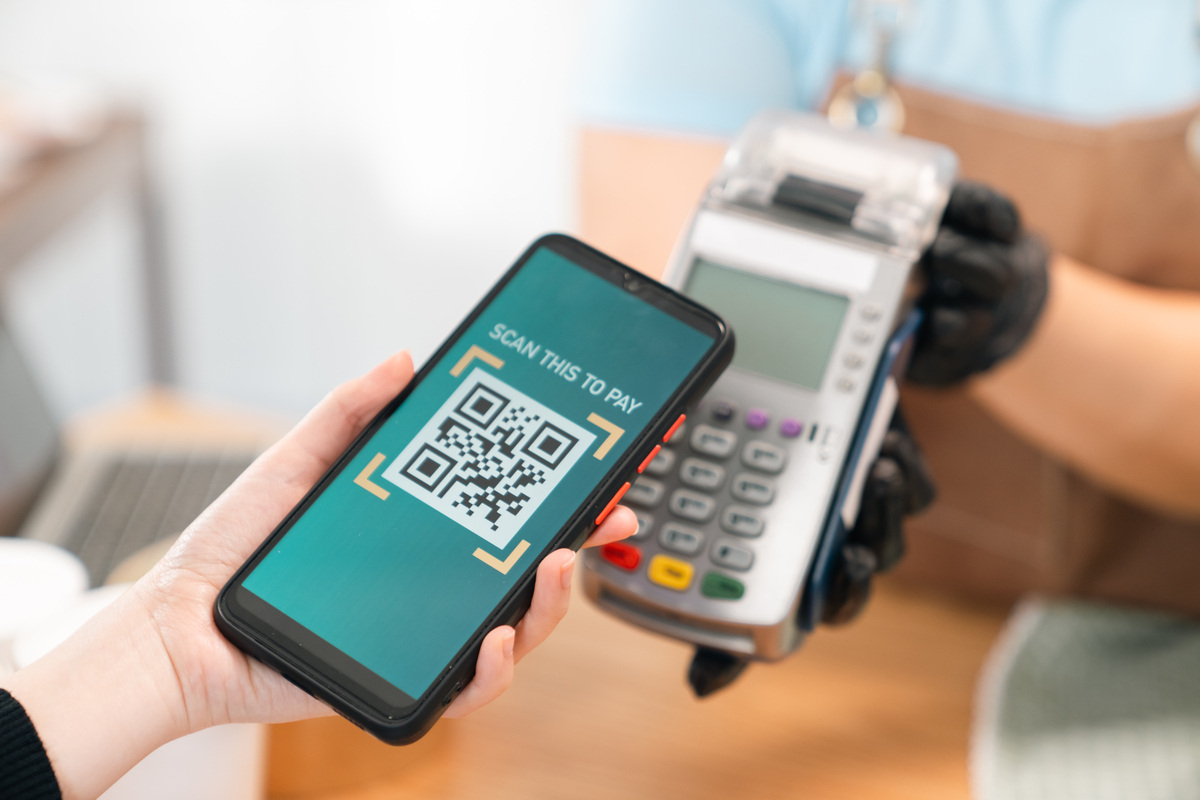
The model is different from Pix in one important respect: UPI is heavily QR-driven at the point of sale, and it is built around a layer of consumer-facing apps rather than bank interfaces. For merchants, acceptance usually means displaying a QR code or integrating a UPI collect flow, and UPI AutoPay covers recurring mandates.
As in Brazil, UPI is not a nice-to-have for merchants selling in India. Card penetration is comparatively low, and a checkout built for cards alone reaches a small fraction of the addressable market. Gr4vy’s guide to payment methods in India covers the wider local mix.
FedNow (United States)
FedNow is the newest of the four and the least relevant to merchants today, which is worth stating plainly instead of glossing. Launched by the Federal Reserve in July 2023, it has onboarded more than 1,500 financial institutions, but volumes remain small in relative terms: the Fed reported 2.73 million transactions worth $271.3 billion in the first quarter of 2026. Growth is fast, at roughly 108% year on year, but from a low base.
The composition of that volume tells the real story. The average FedNow transaction is worth close to $99,000, which reflects treasury, payroll, and business-to-business use instead of consumers buying things. The Federal Reserve raised the transaction limit from $1 million to $10 million in late 2025, further signalling where the system is being used. Consumer-to-business acceptance is expected to develop through the Request for Payment capability, but that is a future state rather than a current one.
For a merchant selling in the United States today, FedNow is something to monitor. Cards and wallets remain where the volume is, and building for FedNow acceptance ahead of consumer demand would be premature.
SEPA Instant (Europe)
SEPA Instant Credit Transfer has been running since November 2017, but the significant change is regulatory. Under the EU Instant Payments Regulation, eurozone banks were required to support receiving and sending instant euro transfers by 2025, which removed the patchy availability that had limited the scheme for years. Volumes through the ECB’s TIPS settlement platform grew sharply, reaching 1.355 billion transactions in 2024, a fourfold increase year on year.
SEPA Instant covers euro transfers across a broad set of countries, which makes it unusual among these schemes: it is natively cross-border within the eurozone instead of purely domestic. The limitation is that it handles euro only, so it does not serve non-euro corridors.
Merchant-facing acceptance is still developing. Pay-by-bank products built on SEPA Instant are growing, and the regulatory mandate has removed the main structural barrier, but consumer habit in most European markets still runs through cards and wallets. Gr4vy’s guide to real-time payments across Europe covers the regional picture in more detail.
What real-time schemes mean for merchant costs and settlement
The commercial case for real-time schemes rests on three differences from cards.
Cost. Instant transfers typically cost merchants far less than card interchange, which is the main reason Brazilian merchants moved volume to Pix so quickly. On thin-margin categories the difference is material.
Settlement speed. Funds arrive in seconds rather than in a settlement batch days later, which changes working capital for businesses operating on tight cycles.
No chargebacks. Instant transfers are irrevocable, which removes chargeback exposure. That cuts both ways: it protects the merchant from dispute costs, and it removes the consumer protection that makes buyers comfortable with cards for high-value or delayed-delivery purchases. Merchants adopting these schemes need a refund process, because the card dispute mechanism they may have relied on does not exist here.
Gr4vy’s comparison of real-time payments versus cards works through the tradeoff, and its guide to bank-to-bank payments covers the underlying mechanics.
Independent research suggests the direction of travel is consistent even where adoption is early. The Capgemini Research Institute reported instant payments at 13% of global non-cash transactions in 2022, projecting the share to pass 22% by 2028.
Which schemes should a merchant support?
The answer follows the market more than the technology, and the four schemes fall into two clear groups.
Pix and UPI are effectively mandatory for merchants selling into Brazil and India. Both have majority consumer adoption, both carry lower costs than cards, and in both markets a card-only checkout reaches a minority of potential buyers.
FedNow and SEPA Instant are optional today and worth preparing for instead of rushing. FedNow lacks consumer-to-business volume, and SEPA Instant, while now universally available in the eurozone by regulation, has not yet displaced card and wallet habits at checkout.
The practical difficulty is that this calculus differs in every market a business sells into, and it changes as schemes mature. Ding, operating across more than 140 countries, handled this by using no-code rules to show different methods in different markets, prioritising Pix in Brazil and PayPal in Germany, with each change made through configuration rather than an engineering project. Deciding which methods appear where, and changing that decision as adoption shifts, is the coordination problem that payment orchestration exists to solve. Gr4vy’s guide to local methods versus international card schemes covers the wider decision.
Frequently asked questions
What is the difference between Pix and UPI?
Both are national instant payment schemes with near-universal adoption in their home markets, but they differ in operator and model. Pix is run directly by Brazil’s central bank and handled 63.4 billion transactions in 2024. UPI is operated by NPCI in India, processed more than 228 billion transactions in 2025, and is more heavily QR-driven at the point of sale, built around consumer apps instead of bank interfaces.
Is FedNow used by consumers?
Barely, so far. FedNow launched in July 2023 and has onboarded more than 1,500 financial institutions, but Federal Reserve figures show 2.73 million transactions worth $271.3 billion in the first quarter of 2026, with an average transaction value near $99,000. That profile reflects treasury, payroll, and business-to-business use instead of consumer purchases. Consumer-to-business acceptance is expected to develop through Request for Payment.
Do real-time payments have chargebacks?
No. Transfers on these schemes are irrevocable, so there is no chargeback mechanism. This protects merchants from dispute costs but removes the consumer protection buyers associate with cards, which is one reason adoption is slower for high-value or delayed-delivery purchases. Merchants accepting these methods need their own refund process.
Can you take recurring payments over Pix or UPI?
Yes, on both. Pix Automático brings recurring payments to Pix, and UPI AutoPay provides mandates in India. Both open these schemes to subscriptions and instalment billing that previously required cards. Recurring support on FedNow and SEPA Instant is less developed.
Which real-time payment scheme is the largest?
UPI, by transaction count. NPCI reported more than 228 billion UPI transactions in 2025, with daily volumes in the hundreds of millions, accounting for a large share of global real-time retail payment volume. Pix is second in scale, with 63.4 billion transactions in 2024, though Pix has achieved higher penetration relative to its market’s population.
Are real-time payments cheaper than cards for merchants?
Generally yes. Instant bank transfers avoid card interchange and typically cost merchants significantly less per transaction, which is a primary reason Brazilian merchants shifted volume to Pix so quickly. The saving is most meaningful in low-margin categories and on high-frequency, low-value transactions.
Does SEPA Instant work across borders?
Within the eurozone, yes. SEPA Instant natively supports instant euro transfers across a broad set of European countries, which makes it unusual among these schemes, most of which are purely domestic. Its limitation is currency: it handles euro only, so it cannot serve non-euro corridors.
Should merchants support FedNow now?
For most, not yet. FedNow volumes remain small and skew heavily toward high-value business use instead of consumer purchases, so building acceptance ahead of consumer demand would be premature. Cards and wallets remain where United States volume sits. Monitoring the scheme’s consumer-to-business development is the reasonable position.
Where this leaves merchants
The four schemes share a technical promise and diverge almost completely on adoption. Pix and UPI became primary payment methods because both markets had large underbanked populations, high smartphone use, and central infrastructure designed for consumers from the start. FedNow and SEPA Instant were built into mature card markets where consumers already had a payment habit that worked, and they are growing as infrastructure rather than as consumer products.
For merchants, this makes real-time payments four separate market-by-market decisions instead of a single trend to adopt or ignore, with two already settled and two still open. The businesses handling this well are the ones that can add a method where adoption tips, without that decision costing an engineering quarter each time.
Gr4vy connects merchants to more than 400 payment providers and methods through a single integration, including Pix and Pix Automático in Brazil, so adding a local scheme is a configuration change. To talk through which methods your markets actually need, get in touch with our team.