
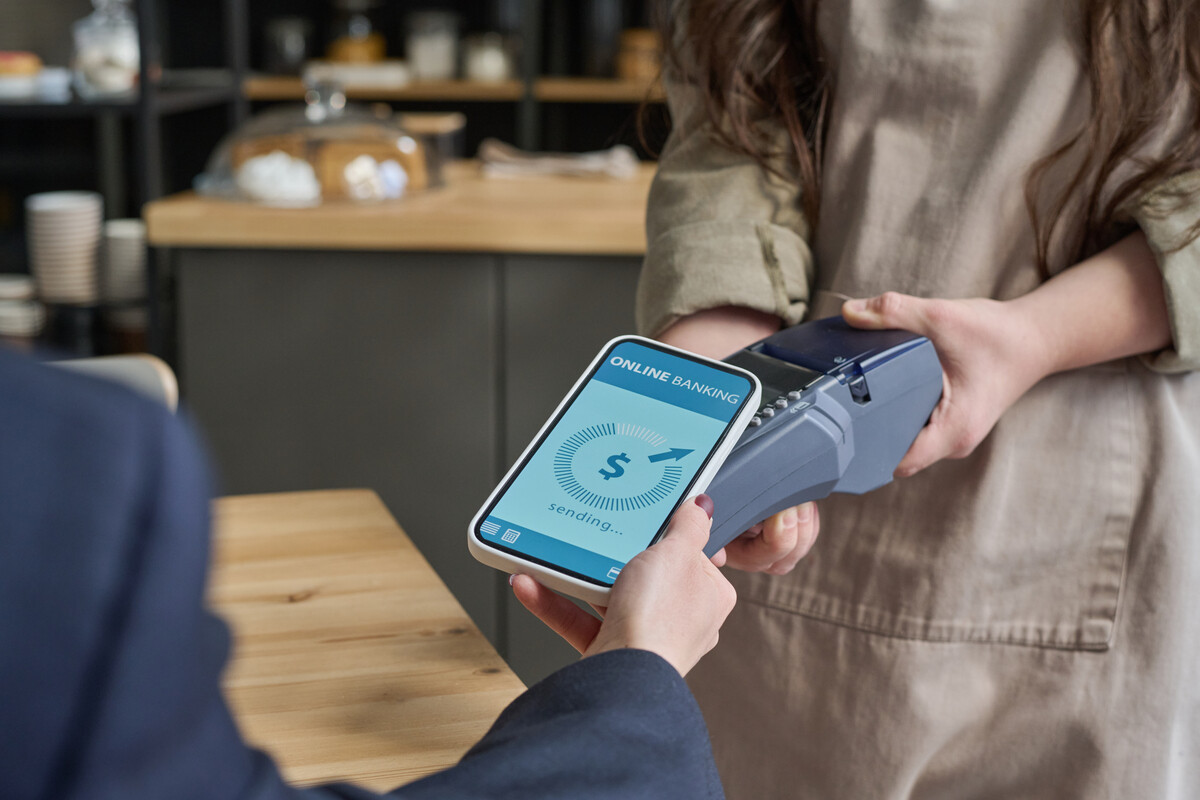

Payments are entering a period of structural change. Cards still dominate online commerce, but real-time payments are no longer a niche alternative. They are becoming a standard expectation in many markets. By 2026, merchants will operate in an environment where cards and real-time payment schemes coexist, compete, and serve different customer needs.
This shift is not about replacing cards. It is about understanding how real-time payments change settlement speed, customer behavior, fraud exposure, and operational workflows. Merchants who treat real-time payments as just another payment method often underestimate their impact. The differences between these rails run deeper than checkout buttons.
To prepare properly, merchants need to understand where cards still perform best, where real-time payments create advantages, and how to support both without fragmenting their payment stack.
Why real-time payments are gaining momentum
Real-time payment schemes have expanded rapidly across regions. Consumers now expect instant confirmation and immediate fund movement, especially for bank-based payments. In markets where these schemes are mature, customers increasingly view delayed settlement as outdated.
Several factors drive this shift. Real-time payments reduce waiting periods. They provide clear confirmation to both buyer and merchant. They often avoid interchange structures associated with cards. For domestic transactions, they can feel simpler and more direct.
Merchants also see operational appeal. Faster settlement improves cash flow. Reduced reliance on card networks lowers exposure to certain fees. For specific use cases such as bill payments, peer-to-business transfers, or high-frequency purchases, real-time rails align well with customer expectations.
Why cards still dominate ecommerce
Despite the growth of real-time payments, cards remain deeply embedded in ecommerce. They support recurring billing, subscriptions, delayed capture, refunds, and dispute mechanisms that real-time rails often lack or handle differently. Cards also benefit from global acceptance and consistent customer familiarity.
In cross-border commerce, cards remain the most practical option. Many real-time payment schemes are domestic by design. While they work well within national borders, they rarely support international flows at scale. Cards fill this gap by providing a common standard across regions.
Merchants also rely on card-based tooling for fraud protection, tokenization, and network-level updates. These features are not always available or standardized across real-time payment systems.
The operational differences merchants cannot ignore
Cards and real-time payments behave very differently behind the scenes. Cards involve authorization, clearing, and settlement phases that can span days. Real-time payments settle immediately or near immediately. This difference affects reconciliation, refunds, and error handling.
With cards, merchants can reverse transactions through refunds or chargebacks. With real-time payments, funds may already be settled and harder to retrieve. This changes how merchants handle customer disputes and fraud recovery.
Accounting workflows also differ. Instant settlement improves liquidity but requires tighter reconciliation processes. Merchants must ensure that their systems can handle real-time confirmations and adjust reporting cycles accordingly.
Fraud risk shifts, not disappears
Some merchants assume real-time payments reduce fraud because they bypass card credentials. In reality, fraud risk shifts rather than disappears. Real-time payments reduce certain card-specific fraud types but introduce new risks related to account access, social engineering, and authorization misuse.
Because funds move quickly, fraud detection must happen before the transaction completes. Post-transaction recovery is limited. This places greater importance on authentication and behavioral analysis upfront.
Cards benefit from decades of risk tooling and issuer involvement. Real-time payments rely more heavily on bank-level controls and merchant-side checks. Merchants must understand these differences to apply the right protections to each rail.
Customer experience expectations in 2026
By 2026, customers will not think in terms of rails. They will think in terms of outcomes. They want speed when it matters, flexibility when plans change, and clarity when something goes wrong.
Real-time payments appeal to customers who value immediacy and transparency. Cards appeal to customers who value flexibility, rewards, and familiarity. Merchants must support both without forcing customers to choose between speed and convenience.
A checkout that adapts to customer context performs better than one that treats all payments the same. The challenge lies in delivering this adaptability without building separate payment stacks.
Why merchants struggle to support both rails well
Supporting both cards and real-time payments often leads to fragmented setups. Merchants integrate one provider for cards and another for bank payments, each with its own logic, reporting, and failure modes. Over time, this creates silos.
Routing decisions become static. Fraud tools apply unevenly. Reporting becomes inconsistent. When performance issues arise, teams struggle to trace the cause across multiple systems.
This is where structural flexibility matters. Merchants need a way to manage different payment rails through a single control layer rather than stitching together point solutions.
Laying the groundwork for 2026 readiness
Preparation starts with accepting that cards and real-time payments will coexist for the foreseeable future. Merchants should not optimize for one at the expense of the other. Instead, they should design a payment stack that supports both as first-class options.
This requires clear routing logic, consistent fraud handling, unified reporting, and flexible settlement workflows. Payment orchestration provides this foundation by abstracting provider differences and centralizing control.
Merchants who invest in this structure now will be better positioned to adapt as real-time payments expand into new use cases and regions.
Cost differences merchants need to understand
One of the strongest arguments for real-time payments is cost. Card transactions carry interchange, network fees, assessments, and PSP margins. Real-time payments often bypass card networks and can reduce per-transaction fees, especially for domestic transfers.
That said, lower fees do not always mean lower total cost. Real-time payments may require stronger upfront authentication, additional fraud tooling, or operational changes that offset some savings. Cards, while more expensive per transaction, provide built-in dispute processes and network-level protections that reduce downstream operational effort.
Merchants should evaluate cost at the transaction lifecycle level. This includes processing fees, fraud losses, customer support time, and reconciliation effort. Payment orchestration helps merchants compare these outcomes across rails and route transactions based on total cost rather than headline pricing.
Settlement speed and its impact on cash flow
Settlement speed is one of the most visible differences between cards and real-time payments. Cards typically settle over days. Real-time payments settle almost immediately. This has a direct impact on cash flow and working capital.
For businesses with tight margins or high transaction volumes, faster settlement can reduce reliance on credit lines and improve liquidity. However, instant settlement also removes buffer time. Errors, refunds, and fraud must be handled after funds move, not before.
Merchants must prepare finance teams for these differences. Reconciliation cycles may need to run more frequently. Accounting systems must process confirmations in near real time. Orchestration platforms help normalize these differences by presenting unified settlement data across rails.
Regional adoption patterns merchants should watch
Real-time payment adoption varies significantly by region. Some markets have mature domestic schemes with high consumer trust. Others remain card-dominated. Merchants expanding internationally cannot assume uniform behavior.
Cards still dominate cross-border ecommerce because real-time schemes are usually domestic. Merchants operating in multiple regions must decide where real-time payments improve conversion and where cards remain essential.
Supporting both rails allows merchants to adapt region by region. Gr4vy explores how regional differences affect payment strategy in card acquiring for international markets.
Understanding local expectations helps merchants present the right payment options without overcomplicating checkout.
Routing strategies for cards and real-time payments
Cards and real-time payments should not follow the same routing logic. Each rail has different strengths. Cards work well for subscriptions, delayed capture, and cross-border transactions. Real-time payments suit immediate settlement and one-time domestic purchases.
Routing strategies should reflect this. Low-risk domestic purchases can default to real-time payments when customers choose them. Recurring transactions and international traffic can default to cards. Merchants can also route based on amount, customer history, or risk signals.
Payment orchestration enables this level of control. It allows merchants to define rules that determine which rail to use under specific conditions. For a deeper look at how routing logic works in practice, Gr4vy explains it in what is payment orchestration: all you need to know.
This flexibility is critical as payment rails diversify.
Fraud handling across different rails
Fraud behaves differently across cards and real-time payments. Card fraud often involves stolen credentials and post-transaction disputes. Real-time payment fraud relies more on social engineering, account compromise, and authorization misuse.
Because real-time payments settle instantly, fraud prevention must focus on authentication and behavioral checks before authorization. Cards allow for some recovery through chargebacks, but this increases costs and operational burden.
Merchants need rail-specific fraud strategies. A single approach applied everywhere will fail. Orchestration supports this by allowing merchants to apply different fraud tools and rules depending on the payment method. This reduces false positives and limits exposure.
Why orchestration is essential for coexistence
Supporting both cards and real-time payments without orchestration often leads to fragmented systems. Each rail introduces its own provider, logic, and reporting. Over time, this creates blind spots and inefficiencies.
Payment orchestration provides a single control layer. It connects multiple providers, manages routing, applies consistent fraud logic, and centralizes reporting. This allows merchants to support both rails without duplicating effort or losing visibility.
Gr4vy outlines the broader value of this approach in top 10 benefits of using payment orchestration in 2025.
This structure is what allows merchants to adapt as real-time payments expand.
FAQ
Will real-time payments replace cards by 2026?
No. Cards and real-time payments serve different use cases. Cards remain essential for subscriptions, cross-border commerce, and flexible refunds.
Are real-time payments safer than cards?
They reduce some card-specific fraud but introduce different risks. Security depends on authentication, customer behavior, and merchant controls.
Do real-time payments reduce payment costs?
They can, especially for domestic transactions. Total cost depends on fraud handling, reconciliation effort, and operational processes.
How should merchants decide which rail to prioritize?
Merchants should evaluate region, transaction type, customer preference, and risk. Supporting both rails provides the most flexibility.
Real-time payments and cards will both play important roles in ecommerce in 2026. Each rail brings strengths and trade-offs that merchants must understand. Preparing for this future means building a payment stack that supports choice without complexity.
Payment orchestration enables merchants to manage cards and real-time payments through one control layer. It supports smarter routing, consistent fraud handling, and unified reporting across rails. This flexibility allows merchants to adapt as customer expectations and payment ecosystems evolve.
Contact Gr4vy to learn how payment orchestration can help you support real-time payments and cards in 2026.