GR4VY

14 retail payment trends in 2026: key shifts merchants need to know

Global ecommerce sales surpassed 6 trillion dollars in 2023, and forecasts suggest they will grow to over 8 trillion by 2026. This explosive growth is not just about selling more products. It is about meeting customers wherever they are, with the payment methods they prefer and the seamless checkout experience they expect.

For merchants, understanding the latest payment trends is not optional. It is essential for competing in a crowded marketplace where even small friction at checkout can mean lost sales. The payments landscape in 2025 will be shaped by new technologies, shifting consumer behaviors, regulatory pressures, and increasing complexity in how people pay across regions.

This guide explores 14 key trends set to define digital retail payments in 2026. By understanding these changes now, merchants can prepare strategies that improve approval rates, reduce cart abandonment, and support growth across global markets.

1. The rise of digital wallets

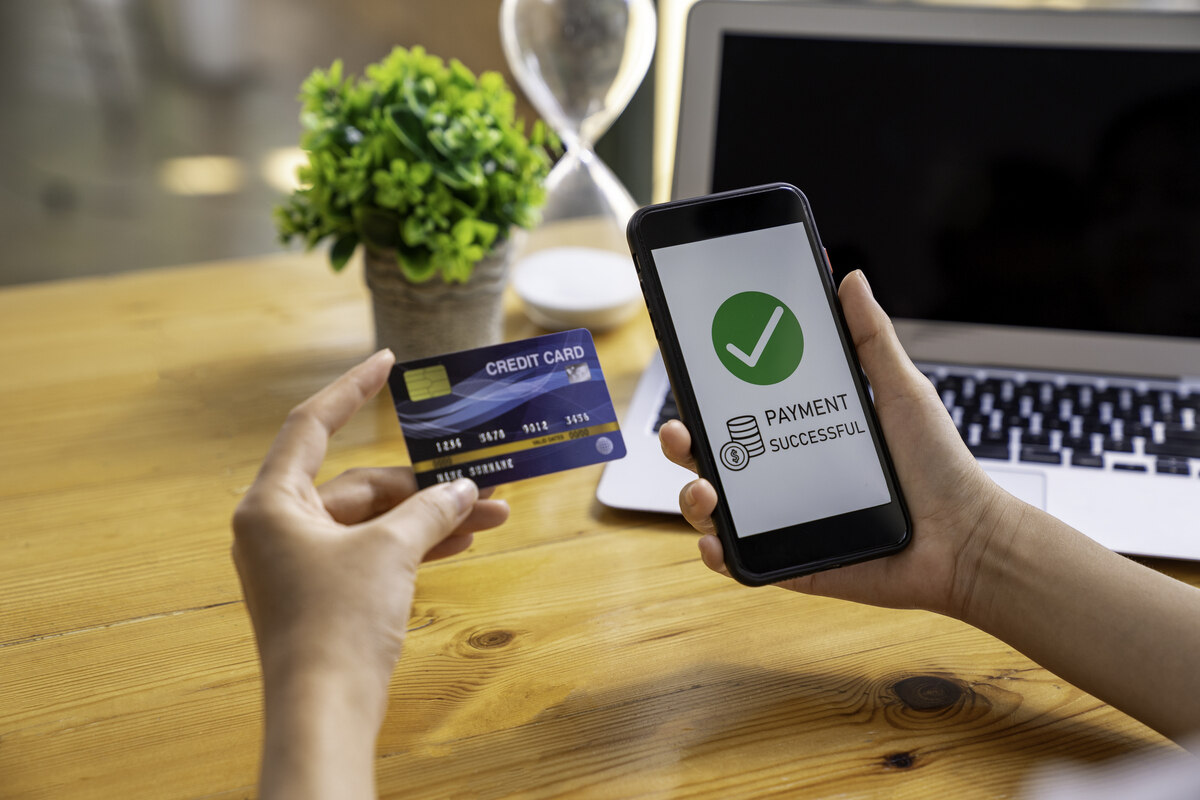
Digital wallets are no longer an optional payment method for online retailers. They are quickly becoming one of the most preferred ways for consumers to pay, especially in mobile-first markets. Apple Pay, Google Pay, PayPal, Alipay, and dozens of regional wallet providers have transformed checkout from a cumbersome process into a fast, one-tap experience.

For merchants, supporting these wallets is critical for reducing cart abandonment. Many shoppers expect to see wallet options at checkout and may abandon their purchase if they cannot use their preferred method. In regions like Southeast Asia and China, wallets often dominate ecommerce transactions, while Western markets see continued growth in Apple Pay and Google Pay adoption.

Digital wallets also support secure transactions through tokenization, reducing fraud risk while improving customer trust. By offering these payment methods, merchants show they understand local preferences and are committed to delivering the seamless, frictionless experiences that modern shoppers demand.

2. Buy Now Pay Later (BNPL) moves mainstream

Buy Now Pay Later has moved from niche offering to mainstream payment expectation in many retail categories. Consumers appreciate the ability to split purchases into interest-free installments, making higher-ticket items more accessible and spreading out costs without traditional credit.

Retailers have embraced BNPL to improve conversion rates and increase average order values. Shoppers are more likely to complete a purchase when flexible payment options are available at checkout. For sectors like fashion, electronics, and even home goods, BNPL adoption has become a key driver of sales growth.

But merchants also need to be aware of the challenges. Regulatory bodies are paying closer attention to consumer protection in BNPL offerings, which may introduce new compliance requirements in the coming years. Integrating BNPL providers requires careful design to maintain a smooth checkout flow and avoid adding unnecessary friction.

Merchants that plan carefully can balance these considerations to deliver a payment experience that customers want while maintaining responsible practices and protecting their bottom line.

3. Real-time payment rails expand globally

Real-time payment systems are reshaping how customers pay and how merchants manage cash flow. Networks like RTP in the United States, UPI in India, PayNow in Singapore, and Australia’s NPP enable instant settlement and confirmation, moving away from traditional multi-day clearing cycles.

For merchants, faster settlement means improved liquidity and better ability to manage working capital. Customers benefit from a seamless experience, especially for use cases like peer-to-peer transfers or paying for time-sensitive services.

Integrating real-time payment rails requires working with providers who understand local networks and can handle settlement rules. Payment orchestration platforms can simplify this process by offering these integrations out of the box, allowing merchants to support instant payments without building new connections for each market.

4. Cross-border ecommerce and local payment preferences

Cross-border ecommerce continues to grow as customers become more comfortable shopping internationally. However, supporting international customers is not as simple as offering global shipping. Shoppers expect to see familiar payment methods, local currencies, and pricing transparency.

Without local payment support, merchants face higher cart abandonment rates and lower approval rates, especially when relying on cross-border acquiring. Local acquiring relationships, supporting region-specific wallets, and offering local bank transfer options all help reduce these barriers.

Payment orchestration platforms help merchants manage this complexity by unifying multiple PSPs and local payment methods through a single integration. This flexibility allows businesses to adapt quickly to new markets while delivering a consistent checkout experience.

Learn more about payment orchestration and how it simplifies global payments.

5. Tokenization and network tokens

Security is top of mind for consumers and merchants alike. Tokenization replaces sensitive payment details with secure tokens, reducing the risk of fraud and making it harder for stolen data to be misused. Network tokens go further by keeping credentials updated even when cards are replaced or reissued.

For merchants, adopting tokenization leads to higher approval rates, especially for saved cards and recurring billing. It also simplifies compliance with PCI DSS requirements, since the merchant does not store raw card data.

Network tokens also improve customer experience by reducing payment failures due to expired cards. This is particularly important for subscription businesses or retailers offering saved payment options for faster checkout. Supporting tokenization is no longer optional for merchants who want to deliver secure, seamless payments in 2025.

6. Subscriptions and recurring billing models

Retailers are increasingly adopting subscription models to build predictable revenue streams and deepen customer loyalty. Whether offering monthly product boxes, automatic refills, or service memberships, subscriptions are becoming an essential part of many retail strategies.

This shift requires payment systems that support flexible billing schedules, automatic renewals, and intelligent retries for failed payments. Customers expect a frictionless experience where renewals happen seamlessly, with clear communication and the option to manage their plans easily.

Merchants also need to consider secure storage of payment data, support for tokenization, and compliance with regulations like PCI DSS. Payment orchestration can simplify these challenges by centralizing billing logic, managing retries, and maintaining secure, compliant storage of payment credentials across multiple PSPs.

7. Fraud prevention evolves with AI and data

As digital payments grow, so does the sophistication of fraud attempts. Retailers face the dual challenge of protecting themselves from fraud while maintaining a seamless checkout experience that doesn’t turn away legitimate customers.

Traditional rule-based fraud systems can lead to false positives, rejecting good transactions and frustrating customers. Modern fraud prevention leverages AI and data analysis to detect suspicious patterns in real time without adding friction for low-risk customers.

Merchants are investing in smarter, dynamic fraud tools that integrate with their payment systems. Payment orchestration platforms can help by supporting a range of fraud prevention providers and applying consistent fraud rules across all PSPs. This approach gives retailers the flexibility to adjust strategies as fraud patterns evolve while maintaining a streamlined checkout.

8. Strong Customer Authentication (SCA) and global compliance

Regulations like PSD2 in Europe have introduced Strong Customer Authentication (SCA) requirements to reduce fraud. SCA requires multi-factor authentication during checkout, which can add extra steps for customers if not designed carefully.

Merchants need to balance compliance with conversion. Using exemptions intelligently, optimizing user flows, and choosing payment providers with strong SCA support are all critical. Payment orchestration platforms can help by managing these flows consistently across providers, reducing friction while staying compliant with regional regulations.

9. Embedded payments and checkout everywhere

Customers increasingly expect to pay wherever they engage with a brand—inside apps, social media platforms, messaging services, or through voice assistants. This shift is driving the rise of embedded payments, where checkout is integrated directly into the customer experience.

For merchants, supporting these channels requires flexible, portable payment integrations that can adapt to different environments. Payment orchestration helps by centralizing payment logic and provider connections, making it easier to maintain consistent experiences across all touchpoints.

10. Alternative payment methods (APMs) diversify

Alternative payment methods continue to expand and diversify across markets. QR-based payments, local bank transfers, region-specific wallets, and installment plans all reflect local consumer preferences.

Merchants who fail to support these methods risk losing customers to competitors offering localized options. Payment orchestration makes it easier to add and manage APMs without needing separate integrations for each, supporting global expansion with local sensitivity.

11. Sustainability and ethical payments

Consumers are paying more attention to sustainability and ethical practices, even in payments. This includes preferences for providers with green credentials, transparent fee structures, and support for social causes.

Retailers are responding by highlighting their payment partners’ sustainability efforts and offering donation options at checkout. While not every shopper prioritizes this, the trend is growing and can influence brand loyalty and purchase decisions.

12. Data localization and privacy regulations

Governments around the world are enforcing stricter data localization and privacy laws. This means merchants must ensure payment data is stored and processed according to local requirements, which can vary widely.

Managing these obligations in-house can be complex and costly. Payment orchestration platforms often handle these requirements centrally, making it easier for merchants to expand into new markets while maintaining compliance.

13. Checkout optimization for speed and simplicity

Customers abandon carts when checkout is slow or complicated. Retailers are focusing on reducing friction by offering one-click payments, saving credentials securely, and minimizing the number of steps to complete a purchase.

Payment orchestration supports this goal by standardizing integrations, managing tokenization for saved cards, and ensuring consistent checkout experiences across all payment providers. A smooth checkout flow can make the difference between a completed sale and a lost opportunity.

14. Fraud prevention evolves with AI and data

Fraud threats are growing more sophisticated. Retailers need advanced tools that can analyze transaction patterns in real time to detect fraud without blocking legitimate customers.

AI-powered fraud prevention solutions help reduce false positives while maintaining strong defenses. Payment orchestration platforms can integrate with multiple fraud tools, applying consistent rules across all payment providers to ensure reliable protection without sacrificing conversion rates.

Action plan for merchants

To prepare for these trends, merchants should start with a thorough audit of their current payment methods and providers. Identify gaps in local payment support, evaluate PSP partnerships, and assess how easily your systems can adapt to new methods.

Plan for expansion by choosing providers that support local acquiring and multiple payment methods. Invest in fraud prevention tools that balance security with customer experience, and consider adopting tokenization to improve approval rates and reduce risk.

Most importantly, think about how flexible your payment infrastructure is. Can you add new providers or methods quickly? Can you adapt to changing regulations and consumer expectations? Payment orchestration platforms help answer these questions by simplifying integration and centralizing control.

Frequently asked questions

What are the top payment trends for 2026?

Key trends include digital wallet adoption, BNPL growth, real-time payments, cross-border ecommerce, tokenization, subscriptions, fraud prevention, embedded payments, alternative payment methods, sustainability considerations, data localization, checkout optimization, and evolving fraud threats.

How can merchants reduce payment declines?

Supporting local acquiring, offering familiar payment methods, using tokenization, and applying smart fraud tools can all help reduce declines and improve approval rates.

Why is payment orchestration important?

It simplifies the management of multiple PSPs and payment methods through a single integration, improves reliability with routing and retries, and reduces integration complexity.

How does BNPL impact checkout?

BNPL increases conversion rates and average order values by offering flexible payment options but requires careful integration to avoid added friction or regulatory issues.

What is tokenization in payments?

Tokenization replaces sensitive payment data with secure tokens, reducing fraud risk, simplifying PCI compliance, and improving approval rates for saved cards and subscriptions.

Retail payments are evolving rapidly, driven by changing consumer expectations, new technologies, and shifting regulatory requirements. Merchants who want to compete in 2025 and beyond need to support a wide range of payment methods, deliver seamless checkout experiences, and manage security and compliance effectively.

Payment orchestration offers a way to simplify this complexity, enabling merchants to adapt quickly, reduce operational costs, and deliver the payment experiences customers expect.

If you’re ready to explore how payment orchestration can support your strategy for 2025, contact Gr4vy to learn more.

Payment orchestration vs in-house integration: build vs buy explained

Global ecommerce sales reached over 6 trillion dollars in 2023 and are expected to keep growing as businesses expand into new markets with diverse payment expectations. For merchants and platforms, supporting these local payment methods is essential for reducing cart abandonment, improving approval rates, and maintaining a seamless customer experience.

One of the most important choices teams face is whether to build their payment integrations in-house or adopt a payment orchestration platform. This decision affects how quickly they can enter new markets, how much they spend on development and maintenance, and how reliable their payment systems will be under heavy demand.

This guide breaks down the trade-offs between building and buying, helping merchants and developers choose the approach that best supports their long-term growth.

The challenges of integrating payments in-house

Building payment integrations in-house can seem like a smart choice at first. It offers complete control over the integration process, data flows, and provider relationships. Many engineering teams see it as a way to customize the payment experience exactly to their brand.

But as a business grows, this approach quickly reveals its limitations. Managing multiple payment service provider (PSP) integrations means supporting different API structures, authentication methods, data formats, and error codes. Each PSP might have unique quirks that require special logic, making the overall codebase harder to maintain.

When entering new markets, merchants often need to add local payment methods that customers expect, like regional wallets, QR-based systems, or real-time bank transfers. Building support for each of these methods is time-consuming and costly. Every new payment method introduces additional testing, compliance checks, and documentation updates.

Fraud prevention is another area that adds complexity. Integrating with fraud detection tools often means working with separate APIs, scoring models, and business rules. Orchestrating when and how to apply fraud checks across multiple payment providers becomes an ongoing operational challenge.

Compliance with regulations, such as PCI DSS, is also a critical responsibility. Storing, processing, and transmitting payment data securely requires maintaining rigorous security practices and undergoing regular audits. Managing these requirements internally can be demanding, especially for companies without dedicated security and compliance teams.

The cost of building these integrations is not limited to the initial development effort. Once live, each integration requires ongoing maintenance to handle API changes, security patches, version deprecations, and evolving fraud patterns. Teams must ensure that all integrations continue to meet performance expectations, even during traffic spikes or seasonal demand.

Operationally, handling retries, routing decisions, and provider failover adds further complexity. Without a structured approach, these elements can become hard-coded or spread across different services, making it difficult to maintain consistency and troubleshoot issues when things go wrong.

All these factors add up to significant technical debt. Over time, the initial flexibility of in-house integration can become a burden that slows development, increases costs, and reduces a company’s ability to respond to new market opportunities.

What is payment orchestration?

Payment orchestration is a technology approach designed to simplify how merchants manage multiple payment providers, methods, and fraud tools. Instead of building and maintaining separate integrations for each provider, businesses connect once to an orchestration platform that unifies everything behind a single interface.

At its core, payment orchestration acts as a control layer. It standardizes payment data, manages routing rules, and handles retries automatically. This means when a customer initiates a payment, the orchestration layer decides which provider to use based on rules like geography, cost, or success rates. If a provider is unavailable or declines a transaction, the system can retry with another provider seamlessly.

For developers, orchestration simplifies the integration process dramatically. Teams work with one consistent API instead of juggling many different provider formats. This reduces complexity, shortens development timelines, and minimizes errors.

Orchestration also supports adding new payment methods without reengineering the entire checkout experience. When a merchant wants to support a new digital wallet or local payment rail in a new market, it often only requires configuration changes rather than full-scale development.

Another critical benefit is the ability to integrate fraud detection tools, local acquiring partners, and payment analytics into the same platform. Orchestration layers can manage these connections centrally, ensuring that fraud checks, approvals, and reporting all stay consistent no matter which provider is used.

For merchants planning to expand globally or improve reliability, payment orchestration offers a strategic advantage. It provides the flexibility to adapt to local payment preferences, manage operational risks, and maintain high performance even during periods of heavy demand.

If you want to see how this approach can simplify your payment strategy, learn more about payment orchestration and its benefits for merchants of all sizes.

Build vs buy: Cost considerations

Deciding whether to build payment integrations in-house or use a payment orchestration platform often starts with evaluating costs. At first glance, building in-house seems cheaper. The company pays its own developers and owns the entire integration process. But a closer look reveals many hidden and ongoing costs that can add up quickly.

The first and most obvious cost is development time. Building robust payment integrations with multiple PSPs, local payment methods, fraud tools, and security requirements takes months. Engineering teams must design the integration, implement it, test every scenario, and handle compliance requirements like PCI DSS. This can delay product launches and limit the company’s ability to enter new markets quickly.

Maintenance is another major cost. PSP APIs change over time. New payment methods emerge. Fraud patterns evolve, requiring updated detection tools. Each change demands developer time for updates, testing, and deployment. This is not a one-time effort but an ongoing responsibility that requires constant attention.

Opportunity cost is just as important. Every hour developers spend maintaining payment infrastructure is time not spent on improving the core product or building features that drive competitive advantage. Teams focused on payments may be stretched thin, slowing down other critical projects.

There are also operational costs to consider. Engineering teams must monitor integrations, handle failed transactions, manage retries, and ensure uptime during peak demand. Supporting multiple providers increases the need for logging, monitoring, and alerting systems to detect and resolve issues quickly.

Payment orchestration platforms reduce these costs in several ways. They spread development and maintenance across many merchants, lowering the per-user cost. They handle updates to PSP integrations centrally, reducing the burden on in-house teams. They also provide built-in routing, retries, and failover logic, removing the need for custom solutions.

When comparing total cost of ownership over several years, orchestration often proves more economical. It frees engineering resources to focus on core business goals while ensuring payments remain reliable, up to date, and secure.

Flexibility and speed to market

Expanding into new markets or serving diverse customer bases requires flexibility in supporting local payment methods. Each market has its own preferred wallets, cards, and real-time bank transfer systems. Customers expect to see familiar options at checkout, and failing to support them can lead to abandoned carts and lost sales.

Building these integrations in-house often means long development timelines. Teams must research providers, negotiate access, implement custom code, and test thoroughly. Launching in a new country can take months, delaying revenue and giving competitors an advantage.

Payment orchestration platforms make this process faster. They maintain existing integrations with hundreds of PSPs and local payment methods. Adding support for a new provider usually requires only configuration changes, not new code. This reduces time to market dramatically, allowing merchants to move quickly when opportunities arise.

Local acquiring is another critical factor. Transactions processed through local acquirers often see higher approval rates and lower fees compared to cross-border attempts. Orchestration platforms simplify managing local acquiring relationships, enabling merchants to deliver a better customer experience while improving profitability.

Flexibility also matters when customer preferences evolve. As new payment methods gain popularity, merchants need the ability to add them quickly without reengineering checkout flows. Orchestration supports this adaptability, ensuring the business can meet customer expectations now and in the future.

Developer experience and integration debt

For engineering teams, building and maintaining multiple payment integrations can create a growing burden over time. Each PSP has its own API specifications, authentication methods, error codes, and data formats. Developers need to account for these differences in the codebase, which increases complexity and makes onboarding new team members more challenging.

Testing and maintaining these integrations also demands time and effort. Developers have to manage sandbox environments for each provider, keep up with API version changes, and ensure all integrations remain secure and reliable. Without careful planning, this work can accumulate as integration debt, slowing down future projects and increasing the risk of bugs.

Payment orchestration platforms reduce this complexity by providing a consistent, standardized API across all payment providers. Instead of learning and maintaining multiple systems, developers work with one interface, one set of error codes, and one documentation source. This improves developer experience, reduces errors, and allows teams to focus on building features that deliver value to customers.

Reliability and redundancy

Payment systems need to be reliable, especially during busy periods like sales events or holiday seasons. Relying on a single PSP introduces risk. If that provider has downtime, latency issues, or maintenance windows, transactions can fail, harming the customer experience and reducing revenue.

Building robust failover logic in-house is complex. It requires custom routing, monitoring, and retries to ensure transactions are completed even when providers face issues. This adds operational overhead and demands deep payment expertise.

Payment orchestration platforms address this by supporting multiple PSPs with built-in routing and automatic retries. If one provider fails, transactions can be rerouted to another seamlessly. Merchants benefit from higher uptime, fewer failed transactions, and improved customer trust.

Security and compliance

Handling payments securely is critical for protecting customer data and maintaining trust. Any merchant that processes card payments must comply with PCI DSS standards. This involves securing data in transit and at rest, implementing strict access controls, and undergoing regular audits.

Managing PCI compliance in-house adds significant responsibility to engineering and security teams. Beyond PCI, merchants must also account for local data storage requirements, privacy laws, and the need to integrate fraud detection tools.

Payment orchestration platforms simplify this by providing PCI-compliant storage and transmission out of the box. They often include built-in fraud prevention tools and enable merchants to integrate additional services as needed, all while maintaining consistent security practices. By centralizing these responsibilities, orchestration platforms reduce the burden on internal teams and lower the risk of non-compliance.

Action plan: Choosing the right strategy

Merchants deciding between building in-house or using an orchestration platform should start with a clear evaluation of their needs. Consider current payment volumes, geographic markets, and the diversity of payment methods required.

Assess internal development resources honestly. Building and maintaining multiple PSP integrations demands time, expertise, and a long-term commitment to updates and security. Weigh these costs against the opportunity cost of not developing other features or improvements for your customers.

Think about future plans. If entering new markets is a priority, supporting local payment methods quickly and reliably will be essential. Orchestration platforms enable faster launches and greater flexibility without extensive development cycles.

Finally, consider the operational risks of downtime, fraud, and compliance failures. An orchestration layer can improve redundancy, simplify fraud management, and maintain consistent security across providers.

Frequently asked questions

What is payment orchestration?

Payment orchestration is a technology layer that connects multiple payment service providers, fraud tools, and local payment methods through a single integration. It standardizes data and routing, making payments easier to manage.

Why is building payment integrations in-house challenging?

In-house builds require maintaining separate APIs, managing fraud detection, ensuring PCI compliance, and adapting to changing payment methods. This creates ongoing development and operational complexity.

How does orchestration reduce payment integration complexity?

It unifies multiple PSPs behind one API, standardizes error handling, and includes routing and retries. This simplifies development and reduces the burden on engineering teams.

Can orchestration improve approval rates?

Yes, by supporting local acquiring and smart routing, orchestration helps transactions succeed more often, especially in new markets.

Is orchestration secure and PCI compliant?

Most orchestration platforms offer PCI-compliant storage and built-in fraud prevention tools, helping merchants maintain security and compliance with less effort.

Payment orchestration platforms reduce complexity, improve reliability, and make it easier to support local payment methods as customer expectations evolve. For businesses planning to expand globally or strengthen their payments infrastructure, orchestration is a proven approach to simplify integration and deliver a better experience.

If you’re ready to explore how orchestration can help you build a more flexible and resilient payment strategy, contact Gr4vy to get started.

Payment trends in APAC for 2026: What merchants need to know

Asia-Pacific is one of the fastest-growing and most diverse ecommerce regions in the world. From massive markets like China and India to rapidly digitalizing economies in Southeast Asia, APAC is home to a complex landscape of payment methods, regulations, and consumer behaviors.

For merchants, understanding these local payment trends is not just an advantage. It is essential for capturing sales, reducing decline rates, and delivering the seamless experience customers expect. As we look toward 2025, merchants planning to expand or improve their presence in APAC need to prepare for several important trends that will define the payment landscape.

The APAC ecommerce landscape in 2026

APAC’s ecommerce market continues to outpace global growth, with forecasts projecting trillions in annual transaction volume by 2025. Mobile-first shopping habits dominate, especially in markets where super apps like WeChat, Grab, and Gojek have transformed how consumers discover, pay, and interact with brands.

Cross-border ecommerce is also booming. Consumers increasingly expect to buy from international merchants while using familiar, local payment methods. This rise in cross-border transactions adds complexity for businesses managing foreign exchange, local acquiring, and fraud prevention.

Regulatory shifts, such as data localization requirements, mean merchants must be careful to comply with local laws while maintaining operational efficiency. These dynamics make APAC both a high-potential region and one that demands careful, localized planning.

Explosion of local alternative payment methods

Alternative payment methods (APMs) are central to the APAC payments story. Digital wallets such as Alipay, WeChat Pay, Paytm, and GrabPay dominate in many markets, often accounting for the majority of ecommerce transactions.

Bank transfers and QR-based payments have also gained widespread acceptance, with country-specific schemes tailoring solutions to local needs. Merchants who fail to support these options risk losing customers to competitors that offer a more localized checkout experience.

Real-time payment rails gaining adoption

Across APAC, real-time payment networks are growing rapidly. Systems like Singapore’s PayNow, India’s UPI, and Australia’s NPP allow for near-instant settlement and have become essential for both peer-to-peer and merchant payments.

For businesses, this shift offers faster cash flow and lower transaction costs but also introduces challenges around integration and reconciliation. Supporting these rails often means working with local PSPs or acquirers who understand the nuances of each market.

BNPL and credit innovations

Buy Now Pay Later (BNPL) services have taken hold across APAC, with especially strong adoption in Australia, Southeast Asia, and India. Consumers appreciate flexible payment options, while merchants benefit from increased average order values and conversion rates.

However, BNPL also brings regulatory scrutiny and operational complexity. Merchants need to integrate these services thoughtfully, balancing customer demand with risk management and compliance considerations.

Cross-border payment complexity

APAC’s growth in cross-border ecommerce introduces additional payment challenges. Currency conversion fees, local acquiring requirements, and fraud risk all vary significantly across markets.

Merchants must consider how to manage these variables to ensure approval rates remain high and costs stay predictable. Investing in local acquiring relationships and supporting local payment methods are key strategies for success.

Challenges for merchants expanding into APAC

Entering APAC markets is not as simple as launching a translated website. Merchants face:

  • Dozens of local payment preferences that vary by country
  • Multiple PSPs and acquirers with different capabilities
  • The need to balance fraud prevention with a smooth user experience
  • Compliance with local data storage and payment regulations

Managing these factors without a clear strategy can lead to higher decline rates, increased operational costs, and lost revenue opportunities.

How payment orchestration helps merchants succeed in APAC

Payment orchestration provides a way to simplify this complexity through a single integration layer. By connecting multiple PSPs, local payment methods, and fraud tools behind a unified API, orchestration makes it easier for merchants to adapt to APAC’s diversity.

Orchestration supports local acquiring relationships to improve approval rates, enables dynamic routing and retries to reduce failed transactions, and simplifies the addition of new payment methods as consumer preferences evolve.

It also offers consistent reporting and error handling across providers, reducing the maintenance burden for engineering teams. For merchants expanding into APAC, this flexibility is essential for meeting local expectations without overwhelming internal resources.

Learn more about payment orchestration and how it can help simplify your global payments strategy.

Action plan for merchants entering APAC markets

To succeed in APAC, merchants should consider:

  • Researching payment preferences in each target country to prioritize integrations
  • Selecting PSPs with strong coverage and local acquiring relationships
  • Supporting alternative and real-time payment methods to meet customer expectations
  • Planning fraud prevention strategies that balance security with a smooth checkout
  • Testing and optimizing checkout flows for local languages, currencies, and payment behaviors

By taking these steps, merchants can reduce decline rates, increase trust with customers, and unlock the full potential of APAC’s ecommerce growth.

Frequently asked questions

What are the most popular payment methods in APAC?

Digital wallets, real-time bank transfers, credit and debit cards, and BNPL services are all widely used, with strong local variations by country.

Why do payment preferences vary so much across APAC?

APAC is not a single market but a region of many countries with different financial infrastructures, consumer behaviors, and regulations. Merchants need localized strategies to succeed.

How can merchants reduce payment declines in APAC?

Supporting local payment methods, using local acquiring relationships, and implementing smart fraud prevention are key ways to reduce declines.

What is payment orchestration?

Payment orchestration is a technology approach that connects multiple PSPs, payment methods, and fraud tools through a single integration, simplifying management and improving flexibility.

How does orchestration help with cross-border payments?

Orchestration enables merchants to support local payment methods, manage multiple PSPs, and reduce costs while maintaining high approval rates across diverse markets.

APAC’s ecommerce market holds enormous potential for merchants ready to meet its unique challenges. From supporting diverse local payment methods to navigating cross-border complexities and evolving consumer expectations, success in this region requires a flexible, localized approach.

Investing in a payment strategy that can adapt to these needs is essential. Payment orchestration offers a way to simplify integrations, manage multiple PSPs, and ensure reliable, customer-friendly checkout experiences across APAC’s varied markets.If you want to learn how orchestration can help you expand into APAC and streamline your global payments strategy, contact Gr4vy to get started.

112 payment industry statistics for 2026: Trends, costs, methods, and more

Payments are at the center of every business transaction, but the landscape is anything but simple. From rapid growth in digital wallets to rising fraud costs and the spread of real-time payment systems, companies are under pressure to keep up. This article brings together more than 100 clear, up-to-date statistics to give you a real sense of what’s happening in the payments world right now. Whether you’re managing payments in a single country or across multiple markets, these numbers can help you plan your next move.

Global payments industry growth

The payments industry has seen remarkable growth over the last decade, with new technologies, changing consumer habits, and expanding markets all driving higher volumes and revenues. These statistics highlight just how quickly payments are evolving worldwide.

  1. As of 2023, the global payments industry processed 3.4 trillion transactions worth $1.8 quadrillion in value, generating a $2.4 trillion revenue pool with a 7% annual growth rate from 2018 to 2023. Future projections estimate revenue will exceed $3.1 trillion by 2028 as real-time rails and digital wallets reshape commerce. Source: McKinsey & Company
  2. In 2024, global digital payment volumes reached $18.7 trillion, growing from just $1.7 trillion in 2014. By 2030, this figure is projected to more than double to $33.5 trillion as more economies digitize and consumers embrace contactless, wallets, and online checkouts. Source: Worldpay (FIS) 10th Global Payments Report
  3. Digital payments now account for 66% of global e-commerce transaction value, up from 34% in 2014, and 38% of in-store payments, up from just 3% in the same period. This demonstrates the long-term structural shift away from cash and cards to mobile and online methods. Source: Worldpay (FIS) Digital Payments Guide
  4. Digital wallets and account-to-account methods are leading this evolution, with wallets expected to power 61% of all e-commerce and 46% of point-of-sale transactions by 2027. This shift emphasizes consumer demand for speed, security, and convenience. Source: WORLD WALLET Index Q2 2024 (Nasdaq)
  5. The digital payments market’s transaction value is projected at $11.55 trillion in 2024, growing at a 9.5% compound annual rate to reach $16.62 trillion by 2028. This growth reflects expanding smartphone access, contactless adoption, and cross-border commerce. Source: Nasdaq OMX Q2 2024 WALLET Index
  6. Between 2014 and 2024, global digital wallet use both online and in-store expanded tenfold, accounting for $3.6 trillion in online payments and $12 trillion in total spend by 2024. Wallets have become essential in markets from Asia to Latin America. Source: Worldpay Global Payments Report 2024
  7. Between 2018 and 2023, the global payments landscape processed 3.4 trillion transactions in 2023 alone, with payments revenue representing 35% of the total banking revenue pool. This highlights its importance for banks and fintechs alike. Source: McKinsey & Company
  8. Asia-Pacific is the epicenter of this shift, driving over 50% of global non-cash transaction volumes thanks to super-app ecosystems, QR-based payment systems, and instant rails. Source: Capgemini Research Institute
  9. Global non-cash transaction volumes grew by 16% in 2022 versus 2021, underlining strong adoption of digital payment methods even amid broader economic uncertainty. Source: Capgemini Research Institute
  10. Europe’s payments revenue is projected to grow at a 6% compound annual rate from 2022 to 2027, supported by contactless growth, wallet adoption, and new regulatory frameworks like PSD3. Source: McKinsey & Company
  11. North America’s payments revenue is forecast to rise at a 5% CAGR between 2022 and 2027, reflecting steady expansion in e-commerce, merchant acquiring, and value-added services. Source: McKinsey & Company
  12. Latin America’s payments revenue is projected to grow at 8% CAGR through 2027, driven by mobile wallet adoption, real-time payment systems like PIX, and increasing financial inclusion. Source: McKinsey & Company

Digital wallets and mobile payments

Digital wallets and mobile payments have become everyday tools for millions of consumers. This section shows how adoption is spreading across regions and channels, shaping the future of in-store and online transactions.

  1. Digital wallets accounted for 49 percent of global e-commerce transaction value in 2023, reflecting consumer preference for fast, secure checkout experiences. By 2026, this share is expected to increase to 54 percent. Source: Worldpay Global Payments Report 2024
  2. In-store wallet payments represented 30 percent of global point-of-sale value in 2023, up significantly from just 18 percent in 2019, demonstrating rapid adoption at physical retail. Source: Worldpay Global Payments Report 2024
  3. Asia-Pacific leads the world in wallet adoption, with 70 percent of all e-commerce transactions in the region using wallets in 2023, driven by super-app ecosystems and QR-based payments. Source: Worldpay Global Payments Report 2024
  4. India’s mobile wallet transaction value is projected to exceed $1.5 trillion by 2026, as UPI-linked wallets expand into bill payments, P2P transfers, and retail commerce. Source: Statista Digital Payments Outlook 2024
  5. In China, Alipay and WeChat Pay together account for over 90 percent of the mobile payments market, cementing their role as core consumer payment tools. Source: Statista 2024 Market Insights
  6. Apple Pay is expected to reach over 500 million global users in 2025, building on strong adoption in markets like the US, UK, and Australia. Source: Statista Apple Pay Forecast 2024
  7. Apple Pay handled approximately 12 percent of all online card transactions globally in 2023, showing how digital wallets are taking share from traditional card entry. Source: Worldpay Global Payments Report 2024
  8. Google Pay surpassed 150 million users globally in 2024, serving key markets such as India, the US, and Southeast Asia. Source: Business of Apps, Google Pay Users 2024
  9. Samsung Pay retains a strong presence in South Korea, with more than 25 million registered users as of 2024, despite increased competition from local fintech apps. Source: Statista South Korea Mobile Payments 2024
  10. Latin American wallet transaction value is projected to triple by 2027, surpassing $300 billion as mobile-first strategies and QR payment schemes gain traction. Source: Worldpay Global Payments Report 2024
  11. In the US, 43 percent of consumers reported using a digital wallet in-store in 2024, up from just 23 percent in 2019, showing rapid change in payment habits. Source: PYMNTS US Digital Wallet Adoption Report 2024
  12. Contactless card transactions now make up 75 percent of all in-person card payments in Australia, showing how wallets and tap-to-pay have become mainstream. Source: Reserve Bank of Australia Payments Data 2024
  13. In the UK, the average person made 135 contactless card transactions in 2023, up from 90 in 2019, reflecting growing comfort with tap-to-pay and mobile wallets. Source: UK Finance Payments Markets Report 2024
  14. The global digital wallet market size is projected to reach over $16 trillion in transaction value by 2028, growing at a compound annual rate of 9.5 percent from 2024. Source: Nasdaq OMX Q2 2024 WALLET Index
  15. Between 2014 and 2024, digital wallet use globally expanded tenfold, supporting both online and in-store payments across developed and emerging markets. Source: Worldpay Global Payments Report 2024

Buy Now Pay Later has moved from niche to mainstream, offering flexible financing options that appeal to younger shoppers and new industries. Here are key stats that show BNPL’s rapid rise and evolving role.

  1. The global Buy Now Pay Later (BNPL) market is projected to grow from $179 billion in transaction volume in 2022 to over $450 billion by 2026, driven by demand for flexible payment options across retail, travel, and healthcare. Source: GlobalData BNPL Market Analysis 2024
  2. BNPL accounted for 5 percent of global e-commerce transaction value in 2023, up from less than 2 percent in 2019, showing strong adoption among younger consumers seeking interest-free installments. Source: Worldpay Global Payments Report 2024
  3. In the US, BNPL transaction volume jumped from $2 billion in 2019 to over $24 billion in 2021, highlighting rapid adoption among online shoppers. Source: Consumer Financial Protection Bureau BNPL Report 2023
  4. Approximately 9 percent of US consumers were active BNPL users in late 2023, up nearly 40 percent from 2021, with usage especially high among Gen Z and Millennials. Source: Consumer Financial Protection Bureau BNPL Report 2023
  5. More than one in five American consumers with a credit record had used BNPL services at some point in 2022, reflecting growing mainstream adoption. Source: Consumer Financial Protection Bureau BNPL Report 2023
  6. BNPL providers in Europe have been growing at over 20 percent annually since 2019, expanding from online fashion and electronics into travel, home goods, and healthcare payments. Source: Worldpay Global Payments Report 2024
  7. In Australia, BNPL transaction value surpassed $16 billion AUD in 2023, driven by popular providers like Afterpay and Zip. Source: Reserve Bank of Australia Payments Data 2024
  8. BNPL users are more likely to make repeat purchases, with providers reporting 30 to 50 percent of volume coming from returning customers, highlighting its role in customer retention strategies. Source: Klarna Investor Relations 2024
  9. BNPL is expanding beyond retail, with providers launching products for healthcare financing, auto repairs, and even education expenses, diversifying their market opportunity. Source: McKinsey & Company
  10. The average BNPL transaction value varies widely by market, from around $70 in the US to over $200 in parts of Europe, reflecting local retail prices and consumer credit profiles. Source: Consumer Financial Protection Bureau BNPL Report 2023

Real-time and instant payments

Instant payment systems are changing expectations for speed and convenience. These numbers reveal how real-time rails are expanding globally, making transfers faster and more accessible for businesses and consumers.

  1. Instant payments accounted for 13 percent of global non-cash transactions in 2022 and are projected to exceed 22 percent by 2028, highlighting rapid adoption of real-time payment rails worldwide. Source: Capgemini Research Institute
  2. Global instant payment transaction volume reached 195 billion in 2022 and is forecast to surpass 500 billion transactions by 2027 as more countries adopt faster payment systems. Source: ACI Worldwide Instant Payments Report 2023
  3. India’s Unified Payments Interface (UPI) processed over 18.6 billion transactions in May 2025 alone, representing more than 7,000 transactions per second and over 500 million active users. Source: NPCI UPI Statistics May 2025
  4. UPI transaction value in May 2025 was approximately ₹25.1 trillion (around $293 billion), reinforcing its role as the world’s largest real-time payment system by volume. Source: NPCI UPI Statistics May 2025
  5. Brazil’s PIX system processed over 41 billion transactions in 2023, with adoption exceeding 70 percent of the adult population, making it a model for low-cost real-time payments. Source: Banco Central do Brasil PIX Data 2024
  6. Europe’s instant payments market is projected to grow tenfold by 2028, driven by SEPA Instant Credit Transfer adoption and the EU’s mandate for banks to support instant payments. Source: European Payments Council
  7. SEPA Instant Credit Transfer transaction limit was raised to €1 million in 2025, enabling real-time settlement for higher-value business payments across the EU. Source: European Payments Council
  8. The United States’ FedNow Service launched in July 2023 and aims to cover over 80 percent of US deposit accounts by 2025, expanding real-time payment capabilities to banks and credit unions. Source: Federal Reserve
  9. The UK’s Faster Payments system processed 4.4 billion transactions worth £3.4 trillion in 2023, supporting widespread use of real-time bank transfers for businesses and consumers. Source: Pay.UK Faster Payments Statistics 2024
  10. Australia’s New Payments Platform (NPP) handled over 1 billion transactions in 2023, with 99 percent of Australian bank accounts able to receive instant payments via PayID. Source: NPP Australia 2024 Annual Review

Cross-border payments

Cross-border commerce is growing, but paying across borders remains complex and often expensive. The following statistics illustrate trends in international flows, costs, and new efforts to streamline payments.

  1. Cross-border payment flows exceeded $150 trillion globally in 2022, with growth driven by expanding trade, ecommerce, and remittances across emerging markets. Source: McKinsey & Company
  2. Cross-border consumer-to-business (C2B) payments are projected to grow at 11 percent CAGR from 2023 to 2030, outpacing domestic payment growth as global ecommerce expands. Source: Visa Cross-Border Insights 2024
  3. Average cross-border B2B payment fees can range from 1 to 3 percent of transaction value for large corporates and over 5 percent for SMEs using correspondent banking networks. Source: World Bank Remittance Costs Worldwide 2024
  4. The cost of remittances averaged 6.2 percent globally in 2023 for sending $200, well above the UN Sustainable Development Goal target of 3 percent, highlighting ongoing friction in retail cross-border payments. Source: World Bank Remittance Prices Worldwide 2024
  5. Instant cross-border payment corridors are expanding, with UPI in India linked to Singapore’s PayNow to enable real-time low-cost transfers between the two countries since 2023. Source: Monetary Authority of Singapore
  6. Latin America’s cross-border ecommerce market is projected to exceed $100 billion by 2026, driven by demand for international brands and marketplaces. Source: Americas Market Intelligence Cross-Border Report 2024
  7. Europe’s Payment Services Directive 2 (PSD2) has reduced costs for cross-border SEPA payments in euros, making them effectively domestic transfers across the EU. Source: European Commission
  8. Africa’s Pan-African Payment and Settlement System (PAPSS) launched commercially in 2022 and is now live in over 10 countries, aiming to cut cross-border transaction times and costs. Source: Afreximbank PAPSS Overview 2024
  9. Cross-border B2B payments are forecast to grow at 6 percent CAGR through 2030, with fintech and payment orchestration providers enabling faster settlement and lower fees. Source: McKinsey & Company
  10. SWIFT gpi (Global Payments Innovation) now covers over 4,000 financial institutions in 200+ countries, enabling same-day cross-border settlement for many corridors. Source: SWIFT gpi Insights 2024

Fraud, chargebacks, and security

As payments grow more digital, so do the risks of fraud and chargebacks. This section looks at the scale of the problem and the industry’s efforts to keep transactions secure.

  1. Global payments fraud losses were estimated at $38 billion in 2023, with forecasts suggesting cumulative losses could exceed $400 billion over the next decade if trends continue unchecked. Source: Nilson Report Global Fraud 2024
  2. Card-not-present (CNP) fraud accounts for over 80 percent of all card fraud globally, highlighting the risk in ecommerce and remote transactions. Source: Europol Internet Organised Crime Threat Assessment 2023
  3. The average chargeback rate for ecommerce merchants ranged between 0.6 and 0.9 percent of transactions in 2023, with certain high-risk categories exceeding 1.5 percent. Source: Merchant Risk Council Chargeback Benchmark Report 2024
  4. Chargeback management and fraud prevention costs can consume 5 to 15 percent of ecommerce merchants’ operating expenses, pushing demand for orchestration and fraud tool integration. Source: Javelin Strategy & Research Payments Fraud Report 2023
  5. Mastercard’s Decision Intelligence platform, using AI-based fraud detection, reduced false declines by 85 percent while maintaining high fraud detection rates. Source: Mastercard Decision Intelligence Overview 2024
  6. Visa Advanced Authorization flagged $26 billion in fraud in 2023, demonstrating the scale of real-time network-level fraud detection. Source: Visa Annual Report 2024
  7. Global losses from synthetic identity fraud in the US alone are projected to surpass $6 billion in 2024, with fraudsters creating fake consumer profiles to bypass verification. Source: Aite-Novarica Synthetic Identity Fraud Report 2024
  8. Real-time payment fraud attacks have grown in markets like the UK, where authorised push payment (APP) fraud losses hit over £600 million in 2023. Source: UK Finance Fraud The Facts 2024
  9. The average cost of a successful fraud attack against ecommerce merchants increased by 16 percent in 2023, driven by increasingly sophisticated tactics like account takeover and bot-driven card testing. Source: LexisNexis Risk Solutions True Cost of Fraud Study 2024
  10. Over 70 countries have implemented or are developing open banking frameworks that mandate strong customer authentication (SCA) requirements, reducing fraud risk in account-based payments. Source: World Bank Open Banking Global Overview 2024

Payment method preferences by region

Different regions favor different payment methods, reflecting local habits, technologies, and infrastructure. These stats offer a snapshot of how consumers pay around the world.

  1. In Asia-Pacific, digital wallets accounted for 70 percent of ecommerce transactions in 2023, driven by super-app ecosystems and QR-code payments. Source: Worldpay Global Payments Report 2024
  2. In North America, cards remain dominant, representing 53 percent of ecommerce transaction value in 2023, while wallets grew to 30 percent. Source: Worldpay Global Payments Report 2024
  3. Latin America’s top payment methods for ecommerce included cards (57 percent), cash-based vouchers (11 percent), and wallets (16 percent) in 2023. Source: Worldpay Global Payments Report 2024
  4. In Europe, digital wallets were used for 29 percent of ecommerce transactions in 2023, with cards at 43 percent and bank transfers at 24 percent. Source: Worldpay Global Payments Report 2024
  5. Middle East and Africa saw cards account for 47 percent of ecommerce payments in 2023, while cash-on-delivery remained important at 17 percent and wallets grew to 19 percent. Source: Worldpay Global Payments Report 2024
  6. China’s ecommerce payments are dominated by Alipay and WeChat Pay, which together account for over 90 percent of online transaction volume. Source: Statista Mobile Payment in China 2024
  7. India’s UPI system accounted for over 50 percent of ecommerce transactions by value in 2024, enabling seamless account-to-account transfers. Source: NPCI Annual Report 2024
  8. Brazil’s PIX instant payment system supported over 41 billion transactions in 2023, making it the country’s leading method for P2P and bill payments. Source: Banco Central do Brasil PIX Data 2024
  9. In the UK, contactless payments represented over 70 percent of all card transactions in-store by 2023, showing widespread consumer preference for tap-to-pay methods. Source: UK Finance Payments Markets Report 2024
  10. Australia’s consumers used contactless for approximately 80 percent of point-of-sale card payments in 2023, underlining the mainstream adoption of tap-and-go. Source: Reserve Bank of Australia Payments Data 2024
  11. Germany’s ecommerce payments in 2023 saw 35 percent via wallets, 30 percent by card, and 25 percent via invoice or installment payments. Source: Worldpay Global Payments Report 2024
  12. The US in-store wallet usage grew to 43 percent of consumers in 2024, up from 23 percent in 2019, reflecting changing shopper expectations. Source: PYMNTS US Digital Wallet Adoption Report 2024
  13. Japan’s ecommerce payments favored credit cards for over 60 percent of transactions in 2023, with wallets and convenience store payments filling in the rest. Source: Statista Digital Payments in Japan 2024
  14. Africa’s ecommerce market often relies on mobile money, which accounted for 26 percent of transactions in key markets like Kenya in 2023. Source: GSMA Mobile Money Report 2024
  15. Southeast Asia saw wallet penetration in ecommerce surpass 40 percent in 2023, with rapid adoption in markets like Indonesia and Thailand. Source: Worldpay Global Payments Report 2024

Checkout performance and conversion

The checkout experience can make or break a sale. These figures show why optimizing payment flow, reducing friction, and offering the right options are so critical to conversion rates.

  1. Nearly 70 percent of online shopping carts are abandoned on average globally, with payment friction cited as a leading cause. Optimizing checkout flow remains a top priority for merchants. Source: Baymard Institute Cart Abandonment Statistics 2024
  2. 18 percent of US online shoppers have abandoned a purchase specifically because the checkout process was too complicated or took too long. Source: Baymard Institute Checkout Usability Research 2024
  3. Merchants offering a guest checkout option can reduce abandonment rates by up to 35 percent compared to requiring account creation. Source: Baymard Institute Checkout Usability Research 2024
  4. Up to 17 percent of shoppers abandon carts if their preferred payment method isn’t available, emphasizing the importance of local and alternative payment method support. Source: Baymard Institute Cart Abandonment Survey 2024
  5. Retailers that localize payment methods see an average increase of 12 percent in conversion rates when entering new markets. Source: Checkout.com Payment Performance Report 2024
  6. One-click checkout options can reduce checkout time by 50 percent or more, leading to conversion rate improvements of up to 30 percent for returning customers. Source: Stripe Payments Research 2024
  7. Failed payments account for as much as 15 percent of lost ecommerce sales, making retry logic and smart routing critical for maximizing successful checkouts. Source: Adyen Retail Report 2024
  8. Mobile checkout abandonment rates can be 10 to 15 percentage points higher than desktop if forms are not optimized, highlighting the need for responsive design and easy payment options. Source: Baymard Institute Mobile Checkout Study 2024
  9. Offering local currency pricing can reduce abandonment by 6 percent on average, making cross-border sales smoother and more trusted for customers. Source: Shopify Cross-Border Commerce Guide 2024

Payments costs, fees, and transaction economics

Behind every transaction are costs and fees that shape merchant pricing and profitability. This section breaks down the numbers merchants need to understand to manage payment expenses.

  1. Global average merchant discount rate (MDR) for card payments is around 1.5 to 3 percent depending on region and card type, with premium and cross-border cards typically at the higher end of that range. Source: World Bank Payment Systems Overview 2024
  2. Cross-border card transactions can carry additional fees of 1 to 3 percent of the transaction value, plus foreign exchange markups often around 2 to 3 percent. Source: Visa Cross-Border Fees Overview 2024
  3. In Europe, SEPA Credit Transfers typically cost less than €0.10 per transaction for banks, offering very low-cost euro payments within the EU. Source: European Central Bank SEPA Info 2024
  4. Remittance fees averaged 6.2 percent globally for sending $200 in 2023, still above the UN SDG target of 3 percent, highlighting cost pressures on migrant workers and families. Source: World Bank Remittance Prices Worldwide 2024
  5. Merchant acquiring revenue globally is projected to grow from approximately $82 billion in 2022 to $107 billion by 2027, reflecting rising payment volumes and service fees. Source: McKinsey & Company
  6. Alternative payment methods (APMs) such as wallets, bank transfers, and BNPL often carry lower processing fees than cards, making them attractive for cost-conscious merchants. Source: Worldpay Global Payments Report 2024
  7. Payment service providers (PSPs) typically charge merchants between 2.5 and 3.5 percent per transaction for all-in-one solutions, with lower negotiated rates for high-volume businesses. Source: Shopify Payments Fee Structure 2024

  8. Average interchange fees in the US are around 1.8 percent for credit cards and 0.3 percent for debit cards, with variations by network and merchant category. Source: Federal Reserve Payment Card Interchange Fees Report 2024
  9. In Australia, interchange fees for consumer debit cards are regulated and capped at 0.5 percent per transaction, supporting competitive merchant pricing. Source: Reserve Bank of Australia Payments Data 2024

Orchestration value-add and industry adoption

​​Payment orchestration platforms help businesses manage complexity while improving performance. These stats show how orchestration delivers value and why adoption is growing across industries.

  1. The global payment orchestration platform market is projected to grow from around $1.5 billion in 2023 to over $11 billion by 2033, reflecting strong demand among merchants for simplified integration with multiple PSPs and payment methods. Source: Business Research Insights Payment Orchestration Market Report 2024
  2. Payment orchestration can improve merchant authorization rates by 2 to 3 percent on average through dynamic routing to the best-performing providers, helping reduce friction at checkout. Source: Capgemini Research Institute
  3. Merchants adopting orchestration solutions reduce integration complexity by consolidating multiple PSP connections into a single platform, streamlining maintenance and lowering development costs. Source: McKinsey & Company
  4. Over 80 percent of businesses adopting orchestration report an improved customer experience, thanks to support for local payment methods and more reliable checkout processes. Source: Retail TouchPoints Executive Viewpoints 2024
  5. Orchestration platforms can support hundreds of payment methods and PSPs through a single integration, helping merchants expand into new markets without maintaining separate direct connections. Source: Capgemini Research Institute
  6. By enabling smart failover routing among multiple PSPs, orchestration can reduce transaction declines and recover revenue otherwise lost to failed payments. Source: McKinsey & Company
  7. Payment orchestration solutions often include fraud prevention integrations, 3-D Secure support, and PCI DSS compliance management, simplifying security for merchants operating across multiple markets. Source: Capgemini Research Institute
  8. Businesses using orchestration can typically onboard new PSPs or local payment methods in days rather than months, reducing time-to-market when expanding internationally. Source: McKinsey & Company
  9. Orchestration strategies allow merchants to optimize for lower transaction fees by selecting the most cost-effective acquiring partners, helping improve margins on high-volume payments. Source: Capgemini Research Institute
  10. Adoption of payment orchestration is growing among marketplaces, subscription services, and large retailers that need to manage multiple providers while delivering seamless customer experiences globally. Source: McKinsey & Company

Adapting to these trends is essential for staying competitive in today’s global market. Gr4vy’s payment orchestration platform is designed to help businesses simplify complexity, support local payment methods, improve authorization rates, and reduce costs—all through a single integration. If you’re ready to modernize your payments and deliver a better experience to your customers, contact Gr4vy to learn more about how we can help.

Payment methods in India: A complete guide for 2026

India is one of the fastest-growing digital payments markets in the world. In 2026, merchants looking to sell to Indian consumers will find a landscape shaped by rapid adoption of mobile payments, new technologies like UPI Lite, and evolving customer expectations. The country processed more than 16 billion UPI transactions in a single month in late 2024, reflecting its shift away from cash and toward instant, secure digital methods.

This growth is not just impressive in scale. It also represents a diverse set of payment methods that businesses need to support if they want to succeed in India. From local wallets to credit cards and emerging options like the RBI’s digital rupee, merchants face both opportunities and challenges in offering the right choices to their customers.

Understanding these payment methods is essential for building trust, reducing checkout abandonment, and maintaining high approval rates. This guide explores the most popular payment options in India for 2025, outlines emerging trends, and offers practical advice for merchants preparing to enter or expand in the market.

The payment landscape in India for 2025

India’s payments market is now among the most dynamic in the world. Over the past decade, the country has shifted from being predominantly cash-based to becoming a leader in digital transactions. This transformation has been driven by several factors, including widespread smartphone adoption, government-backed initiatives, and growing consumer trust in online payments.

The Unified Payments Interface (UPI) stands out as the single biggest change agent. Introduced by the National Payments Corporation of India (NPCI), UPI allows instant, secure, bank-to-bank transfers using mobile apps. In December 2024 alone, UPI processed over 16 billion transactions. Its popularity is expected to keep growing in 2025, thanks to features like UPI Lite for low-value offline payments and UPI 123Pay, which enables transactions on basic phones without internet access.

While UPI dominates the digital payment conversation, other methods remain important. Digital wallets such as Paytm and PhonePe continue to be widely used, often building on top of UPI infrastructure to offer added services. Credit and debit cards have also maintained strong adoption rates, with co-branded and EMI options gaining traction among urban consumers. Net banking remains a popular choice for high-value online purchases, while cash on delivery still serves specific customer segments, particularly in rural or semi-urban areas.

Merchants planning to enter the Indian market in 2025 need to understand this mix. Supporting the right payment methods is essential for meeting customer expectations, boosting conversion rates, and staying competitive in a market where loyalty can hinge on convenience and trust.

Merchants entering or expanding in India need to plan for a diverse set of payment preferences. While UPI leads in transaction volume, consumers still use wallets, cards, net banking, and even cash in certain scenarios. Understanding these options helps merchants tailor their checkout experience and improve approval rates.

UPI

Unified Payments Interface (UPI) is the centerpiece of India’s digital payment ecosystem. It allows customers to link multiple bank accounts to a single app and pay instantly using QR codes, phone numbers, or virtual payment addresses. UPI is popular because of its speed, security, and zero-cost model for most users.

New features have expanded its reach even further. UPI Lite enables small offline transactions without an internet connection, making it accessible in areas with spotty coverage. UPI 123Pay supports basic feature phones, allowing people without smartphones to make digital payments through voice prompts and simple menus. These innovations are expected to keep UPI at the forefront of India’s payment growth through 2025 and beyond.

For merchants, integrating UPI is essential. It is often the most requested option at checkout and can improve customer trust and satisfaction.

Digital wallets

Digital wallets remain popular in India, often serving as an easy entry point for new online shoppers. Platforms like Paytm, PhonePe, and Google Pay dominate the space, offering stored value, cashback rewards, and streamlined checkout experiences. Many wallets are tightly integrated with UPI, letting users make payments from linked bank accounts without entering details repeatedly.

Wallet usage is especially strong for utility payments, small-value transactions, and promotional campaigns. Merchants benefit from supporting wallets by tapping into these habits and offering payment experiences customers know and trust.

Credit and debit cards

Cards continue to play a major role in Indian ecommerce, particularly for higher-value purchases. Credit card ownership is growing steadily, with co-branded and EMI-enabled cards gaining traction in urban centers. These options allow customers to pay in installments, making larger purchases more accessible.

Debit cards remain widespread, often linked to salary or savings accounts. Many customers use them for online transactions, provided merchants support secure protocols like two-factor authentication and 3D Secure.

For merchants, offering both credit and debit card acceptance is essential to avoid alienating well-established payment audiences.

Net banking

Net banking allows customers to pay directly from their bank accounts through online interfaces. It is widely used for ecommerce, bill payments, and service bookings, especially among customers who prefer not to store card details or use wallets.

While UPI has taken over many use cases once dominated by net banking, this option remains popular for larger transactions and business-to-business payments. Supporting net banking ensures merchants can serve a broader segment of customers, including those who prefer more traditional online banking.

Cash payments

Cash remains part of India’s payment landscape, particularly through cash on delivery (COD) for ecommerce. Although its share has declined with the rise of digital options, COD is still popular in rural and semi-urban regions where trust in online payments may be lower or digital infrastructure is limited.

Merchants offering COD can expand their reach but must plan for logistics, cash handling costs, and higher risk of order rejections. Supporting cash thoughtfully can help capture customers who might not complete an order otherwise.

India’s payment ecosystem is not standing still. It is evolving quickly, with new technologies and policies shaping how customers pay and how merchants need to adapt. Staying ahead of these trends is essential for businesses that want to serve Indian customers effectively in 2025 and beyond.

CBDCs and the digital rupee

The Reserve Bank of India (RBI) is piloting its own Central Bank Digital Currency (CBDC), known as the digital rupee. This government-backed digital money aims to provide the benefits of cash in a digital format, with instant settlement and lower costs. While adoption is in early stages, merchants should watch this space closely, as future integration may open up new ways to reach customers securely and at lower cost.

Biometric authentication

Biometric security is gaining ground in India’s payment flows. Banks and fintechs are integrating fingerprint and facial recognition into their apps to streamline logins and approvals. This improves security without adding friction for users, making it easier for customers to trust digital payments. Merchants should ensure their payment partners support these advanced authentication options to reduce fraud and improve user experience.

AI in fraud prevention

With fraud attempts increasing alongside digital payment volumes, payment providers are investing in AI and machine learning to spot suspicious patterns in real time. For merchants, partnering with providers who use advanced fraud detection helps prevent chargebacks and maintain approval rates without making checkout cumbersome for genuine customers.

Voice-based and offline payments

India’s diverse infrastructure needs have inspired solutions like UPI Lite for offline payments and UPI 123Pay for basic mobile phones without internet access. These features expand digital payments to more users, especially in semi-urban and rural areas. Merchants integrating UPI through a payment orchestration layer can easily support these options without maintaining multiple direct integrations.

The importance of local payment methods

As these trends mature, supporting local payment methods becomes even more important. Offering UPI, local wallets, and familiar cards is no longer optional for serious merchants. Customers expect to see their preferred options at checkout. Businesses that fail to adapt risk losing conversions to competitors who invest in the right integrations.

For merchants looking to manage this growing complexity, payment orchestration platforms can unify diverse methods and providers under one integration, making it easier to keep up with changing trends and customer expectations.

How merchants can support local payment methods

Reaching Indian customers effectively means doing more than just launching a website. It requires understanding and supporting the payment methods they trust and use every day. A successful strategy adapts to local expectations while ensuring smooth integration with existing systems.

Prioritize local acquiring for higher approval rates

One of the most effective ways to improve approval rates in India is to work with local acquirers. Transactions processed through local banks often see fewer declines than cross-border attempts. Local acquiring also helps avoid unnecessary foreign exchange fees that can add costs for both merchants and customers.

Reduce costs on cross-border sales

Cross-border sales can introduce hidden costs, from FX conversion fees to higher processing charges. By partnering with local PSPs and acquirers, merchants can reduce these costs and price more competitively. This strategy also improves the customer experience by offering transparent, local currency pricing.

Supporting UPI is essential for any merchant in India. Customers expect to see UPI options at checkout, and failing to offer it can lead to high abandonment rates. In addition, adding major wallets like Paytm, PhonePe, and Google Pay expands reach, especially among mobile-first shoppers.

Card payments also remain important, particularly for EMI purchases and higher-value transactions. Merchants should ensure they support both debit and credit cards with secure, frictionless authentication flows.

For more on supporting region-specific methods, see our guide on popular payment methods in Europe for ideas on local adaptation.

Improve conversion with flexible routing

High approval rates depend on smart routing of transactions. Using payment orchestration, merchants can route payments to the most effective provider based on geography, cost, and real-time performance. This flexibility helps avoid declines, manage fraud risk, and maintain a seamless checkout even under heavy load.

Simplify integration with payment orchestration

Managing multiple local payment methods can be complex if handled one provider at a time. Payment orchestration platforms consolidate these integrations into a single layer. Merchants gain a unified API, centralized management, and consistent reporting across all payment methods.

This approach reduces engineering workload, shortens time to market, and makes it easier to add or adjust providers as customer preferences evolve.

The role of payment orchestration in India

As India’s payment ecosystem grows more complex, managing it well becomes essential for merchants. Payment orchestration provides a technology layer that simplifies this complexity by unifying payment providers, methods, and fraud tools into a single, centralized system.

Instead of building and maintaining multiple direct integrations, merchants can connect once to an orchestration platform and gain access to a wide range of payment methods. This approach makes it easier to support local options like UPI, wallets, and domestic card networks without overloading engineering teams.

Orchestration also improves transaction routing. Merchants can define rules to route payments to the most effective provider based on geography, currency, or real-time performance. This flexibility helps reduce declines and ensures transactions complete smoothly, even during high-volume events like holiday sales.

For fraud management, orchestration centralizes control across providers. Merchants can apply consistent fraud rules, use multiple tools in parallel, and adjust strategies quickly in response to changing threats.

Reporting is another advantage. A single dashboard provides visibility into transaction performance across all providers and methods. This helps finance and operations teams identify issues, optimize costs, and make better decisions about future growth.

Ultimately, payment orchestration helps merchants deliver a better checkout experience. By supporting the payment methods customers prefer and maintaining high approval rates, businesses can increase conversions and build trust with Indian shoppers.

Action plan for merchants entering the Indian market

Entering the Indian market requires thoughtful planning, especially when it comes to payments. Below is a clear action plan to help merchants prepare and execute a strategy that aligns with local customer expectations.

Research customer payment preferences

Understand which payment methods your target audience uses most. UPI is essential, but wallet usage, card adoption, and regional differences matter too. Studying these trends helps prioritize integrations that will deliver the best return.

Choose PSPs with strong local support

Work with payment service providers that have a proven track record in India. Local providers often offer better approval rates, local acquiring capabilities, and support for region-specific payment methods.

Integrate UPI and leading wallets

UPI is non-negotiable for merchants looking to reach Indian customers. Supporting popular wallets such as Paytm, PhonePe, and Google Pay ensures you cover customers who rely on these apps for everyday transactions.

Plan for fraud prevention without adding friction

Balance strong fraud controls with a smooth customer experience. Use tools that offer adaptive authentication and allow legitimate transactions while blocking suspicious activity. Monitor fraud patterns closely, especially during sales events or promotions.

Test checkout flows locally

Conduct user testing with local shoppers to identify potential issues with language, currency, and payment methods. Make sure the checkout process is intuitive and supports preferred payment options without unnecessary steps.

Monitor performance and optimize continuously

After launch, track payment approval rates, declines, and customer feedback. Use this data to refine routing rules, add new payment methods, or adjust fraud settings. Staying responsive ensures the payment experience evolves with customer expectations.

Frequently asked questions

Which payment method is used in India?

UPI is the most widely used digital payment method in India, thanks to its ease of use and instant transfers. Wallets, cards, net banking, and cash on delivery also remain popular in different contexts.

How do foreigners pay in India?

Foreigners can use international credit and debit cards at many merchants, but acceptance may vary. For in-country convenience, some visitors use travel cards or local wallets once registered with an Indian mobile number and bank account.

What is the preferred payment method in India?

UPI is the leading choice for most consumers. It is used for everything from small everyday purchases to larger online transactions. Wallets and cards are also widely used, depending on the customer segment.

What is the best way to pay in India?

For residents, UPI is generally the easiest and most accepted digital option. For visitors, credit or debit cards are often the simplest, though carrying some cash is recommended in areas with limited digital infrastructure.

How do tourists pay for things in India?

Tourists often rely on international credit or debit cards, which are widely accepted in urban centers, hotels, and larger retailers. It is also common to carry cash for smaller shops or rural areas.

How can merchants support multiple payment methods?

Merchants can work with payment providers that offer broad local support, or use orchestration to manage multiple PSPs and payment methods through a single integration. This ensures they can meet diverse customer expectations without adding operational complexity.

The growth of UPI, the popularity of digital wallets, and the continued role of cards and cash mean that customers expect flexibility and convenience at checkout. Successfully serving this market requires more than just adding a payment gateway. It demands a strategy that supports local preferences, ensures high approval rates, and delivers a seamless experience across channels.

Merchants who invest in understanding these methods and integrating them effectively can build stronger customer relationships and increase conversion rates. Managing this complexity does not have to be overwhelming. Payment orchestration provides a way to unify providers, simplify integrations, and maintain full control over the customer journey.

If you want to simplify your payment stack while supporting India’s most popular payment methods, contact Gr4vy to learn how payment orchestration can help you grow with confidence.

How to prepare your payments for peak season traffic: The complete 2026 guide

Peak season is when everything is on the line for merchants. Industry reports show that during the holiday period alone, retailers can see sales increases of 30 to 50 percent, with even higher spikes on major promotional days like Black Friday and Singles Day. This surge in demand is good news for revenue, but it also puts enormous strain on your entire checkout and payment stack.

When your website and marketing are ready for the rush, but your payment systems fail under pressure, the results can be catastrophic. Declined transactions, system outages, and fraud attacks not only cost you sales in the moment but also damage long-term customer trust.

Preparing your payments for peak season is not just a technical task. It is a strategic investment in protecting your revenue and delivering the seamless experience customers expect, no matter how busy things get.

What does peak season mean in e-commerce

Peak season refers to the time of year when retailers see the highest sales volumes, traffic surges, and increased operational pressure. For e-commerce, this typically includes well-known events like Black Friday, Cyber Monday, Singles Day, and the entire holiday shopping period. Depending on your region and industry, peak season can also include back-to-school promotions, summer sales, or local cultural holidays.

During peak season, customer expectations rise along with demand. Shoppers expect fast load times, intuitive checkout flows, and their preferred payment methods to work without issue. A single failure in the process can mean an abandoned cart or a lost customer for good.

What defines peak season will vary for every business. That is why it is so important to plan ahead, analyze your sales calendar, and make sure your payment infrastructure is ready for the busiest times of the year. Preparing your systems properly can help avoid downtime, approval declines, and fraud spikes that cut into your profits.

If you’re exploring ways to simplify your payment stack for better seasonal performance, consider learning more about payment orchestration and how it helps unify multiple providers, methods, and regions under one integration.

Why payment readiness is critical

During peak season, the cost of payment failures multiplies. When traffic surges and marketing campaigns drive shoppers to your site, every declined transaction or error at checkout represents lost revenue that is difficult to recover. Shoppers have little patience for technical issues or friction at checkout, and they are more likely to switch to a competitor if the experience falls short.

Payment providers can also face strain during high-volume events. Systems that work fine during normal periods may struggle to keep up with increased demand, leading to slower response times or even outages. Without planning for redundancy and failover, merchants risk leaving money on the table when it matters most.

Fraud is another major concern during peak season. Bad actors know merchants are processing record volumes and often test stolen cards or target promotions during this time. Failing to have robust fraud prevention in place can result in higher chargeback rates, reputational harm, and financial penalties.

Payment readiness means ensuring your systems can handle higher volume without sacrificing performance. It is about keeping approval rates high, minimizing fraud, and delivering a seamless experience for every customer, no matter where they are shopping from. Investing in a resilient payment strategy pays dividends by protecting your revenue during the periods when sales are at their highest.

Common payment challenges during peak season

When sales volumes rise, so do the risks in your payment stack. Many merchants prepare their websites and marketing well in advance but overlook the unique stresses peak season places on payments. Here are some of the most common challenges:

Traffic surges can overwhelm providers

A sudden spike in transaction attempts can slow down or even crash payment systems. Single-provider setups are especially vulnerable because they leave no backup if capacity limits are reached.

Single PSP dependency increases risk

Relying on one payment service provider means you have no redundancy if they face an outage or service degradation. Even minor issues can translate into lost revenue when every transaction counts.

Fraud attacks often increase

Peak season is a prime time for fraudsters to exploit busy systems and distracted teams. Chargeback rates can climb if fraud checks are too lenient. On the other hand, overly aggressive fraud rules can block genuine customers and hurt conversion.

Payment method gaps cost sales

Customers expect to see their preferred payment methods at checkout. If you do not support popular local options or digital wallets, shoppers may abandon their carts in favor of competitors that do.

Cross-border complexity grows

International buyers introduce additional challenges like foreign exchange rates, varying settlement timelines, and regional compliance requirements. Without planning, these factors can create costly errors or approval declines.

Manual routing and retry logic may fail

High-volume periods magnify the limitations of static routing rules. When a PSP is slow or down, the ability to automatically reroute or retry with a backup provider becomes essential to maintaining approval rates.

Addressing these challenges requires a holistic approach to payment readiness, one that goes beyond just adding server capacity or fraud filters. It demands a strategy designed to manage complexity and maintain performance when it matters most.

Essential strategies to prepare your payments

Getting your payment systems ready for peak season is about more than just adding capacity. It means building resilience, optimizing for conversion, and reducing risk across every part of the transaction process. Here are practical strategies to strengthen your payment stack before demand surges.

Build PSP redundancy

Relying on a single payment service provider is risky during busy periods. Adding multiple PSPs gives you backup options if one experiences downtime or latency issues. This reduces the chance of losing transactions due to provider-specific failures.

A payment orchestration platform simplifies managing multiple PSPs by centralizing integrations and routing logic in one layer.

Optimize routing for high-volume events

Dynamic routing lets you choose the best-performing provider for each transaction based on geography, cost, or real-time performance. This ensures payments are processed through the most reliable path, even when some providers face slowdowns.

Orchestration platforms can automate this routing to maximize approval rates without needing constant manual intervention.

Support alternative and local payment methods

Peak season often brings in new customers, including international buyers who expect to pay with local methods or digital wallets. Failing to offer these options can lead to abandoned carts.

Adding alternative payment methods is easier when using orchestration. Instead of building multiple direct integrations, you can add new methods through a single platform and adapt quickly to market demand. Learn more about expanding your payment methods in our guide to popular payment methods in Europe.

Monitor fraud without adding friction

Fraud attempts often increase during busy periods. While stronger checks help block fraud, overly strict rules can turn away real customers. The key is balancing protection with a smooth experience.

Integrate fraud tools that allow customizable rules, step-up authentication, and data sharing across PSPs. Orchestration helps by routing transactions to the right fraud checks based on risk profile.

Plan for cross-border complexity

International buyers introduce FX fees, local compliance requirements, and varying approval rates. Using local acquiring where possible reduces cross-border fees and improves success rates.

Orchestration platforms help manage this complexity by routing transactions to local acquirers and standardizing data for easier reconciliation. For a deep dive into managing cross-border sales, see our insights on payment regulation in the USA.

Stress-test your payment stack

Finally, test your systems under load before peak season hits. Work with PSPs to confirm capacity, simulate high-volume traffic, and review failover capabilities.

A resilient payment setup should not rely on hope. Proactive testing ensures you are ready to handle the rush without costly surprises.

Payment orchestration: the ultimate tool for peak season readiness

Managing peak season traffic is not just about adding more capacity. It is about building a payment infrastructure that can adapt in real time, handle complexity across markets, and keep delivering a smooth experience when it matters most. This is where payment orchestration stands out as a strategic advantage.

A payment orchestration platform provides a single layer that connects all your PSPs, payment methods, and fraud tools. Instead of juggling multiple direct integrations and manually routing transactions, you gain centralized control with consistent data and streamlined workflows.

Here are key benefits of using orchestration to prepare for peak season:

Centralized provider management

Integrate multiple PSPs through one platform, making it easier to add new providers, switch existing ones, or use backups when your main PSP experiences delays or downtime. This reduces single points of failure and ensures continuity during traffic spikes.

Smarter routing and retries

Orchestration allows you to build dynamic routing rules based on geography, cost, approval rates, or real-time performance. It also supports automatic retries for soft declines, increasing the chances of payment success without manual intervention.

Simplified support for alternative payment methods

Adding new payment options is critical during peak periods when you may see more international traffic. Orchestration makes it easier to offer local cards, wallets, and bank transfer methods through a single integration, without extensive custom development. Learn more about payment orchestration benefits for expanding payment options.

Unified visibility and reporting

A centralized dashboard gives you real-time insight into approval rates, transaction failures, and provider performance. This makes it easier to spot issues quickly and adjust strategies without waiting for manual reports.

Lower engineering and operations workload

Orchestration reduces the complexity of managing multiple PSP integrations, fraud tools, and APMs. Your engineering team spends less time maintaining connections and more time on features that drive revenue.

Payment orchestration is not just a technical upgrade. It is a strategic shift that prepares your entire payment operation to perform reliably and efficiently, even under the highest demand.

Action plan and checklist for peak season payment readiness

Preparation is not something you can leave until the last minute. A clear, practical action plan helps ensure your payment systems are ready to handle increased demand without surprises. Use this checklist to strengthen your payments strategy before the rush begins.

Review PSP contracts and capacity

Talk with your providers to understand their capacity limits, expected performance during peak events, and support policies. Confirm service level agreements and any built-in failover options.

Define dynamic routing rules

Set up rules that prioritize the best-performing providers based on geography, cost, or real-time success rates. Include fallback logic to automatically reroute transactions if a provider is slow or unavailable.

Integrate multiple PSPs

Avoid relying on a single provider by adding at least one backup PSP. This provides resilience in case of downtime or unexpected volume spikes. Using an orchestration platform can make this process much simpler to manage.

Add alternative payment methods

Identify the markets you will be targeting and make sure you support popular local payment options. This can significantly reduce cart abandonment and improve conversion rates, especially for international shoppers.

Align fraud rules with promotional campaigns

High discounts and aggressive marketing can increase fraud attempts. Review your fraud prevention settings to strike the right balance between blocking bad actors and allowing genuine customers through without unnecessary friction.

Stress-test your payment systems

Work with your PSPs and technology teams to simulate high transaction volumes. Confirm that your systems, providers, and routing rules perform well under load.

Monitor and adjust continuously

Plan for daily monitoring during peak events. Track approval rates, declines, fraud alerts, and system performance in real time. Be ready to adjust routing rules, fraud checks, or payment options as new patterns emerge.

This proactive approach ensures you can maximize revenue during peak season without sacrificing customer experience or operational stability. By building flexibility and resilience into your payments strategy, you set your business up for success when it matters most.

Frequently asked questions

What does peak season mean?

Peak season refers to the time of year when retailers experience the highest sales volumes and customer demand. For ecommerce, this typically includes the holiday shopping period, Black Friday, Cyber Monday, Singles Day, and other major promotional events.

What is a peak season charge?

A peak season charge is an extra fee that some carriers, suppliers, or services add during high-demand periods to account for increased costs or limited capacity. In payments, this can also refer to higher interchange or processing costs that may occur if providers adjust pricing due to elevated volumes.

What is peak season coverage?

Peak season coverage is a term often used in logistics or insurance to describe the additional protection or service capacity required during the busiest sales periods. For payments, it can mean ensuring your systems and providers are prepared to handle surges without failure.

What is peak season fare?

This usually applies to travel or shipping costs that rise during high-demand times. While not directly a payment processing term, understanding that prices increase across industries during peak season helps merchants plan for higher operating costs.

What months are peak seasons?

Peak season timing varies by industry and region. For retail and ecommerce, the busiest months typically start in October and run through December, driven by holidays and major sales events. Other industries may see peaks during back-to-school, summer travel, or local cultural holidays.

How do you prepare payment systems for peak season?

Preparation includes adding PSP redundancy, defining dynamic routing rules, supporting local payment methods, reviewing fraud strategies, stress-testing systems, and integrating automation where possible. Using a payment orchestration platform simplifies many of these steps by centralizing management and improving flexibility.

What is payment orchestration?

Payment orchestration is a technology layer that connects multiple PSPs, payment methods, and fraud tools through a single integration. It enables merchants to route transactions intelligently, add new payment options quickly, and monitor performance in real time. This approach is especially useful for managing the complexity of peak season traffic.

Peak season is when your payment systems face their toughest test. High traffic, increased fraud attempts, and customer expectations all converge to put enormous pressure on your checkout and payment infrastructure. Failing to prepare properly can mean lost sales, higher operational costs, and damage to your brand.If you want to make sure your payments are ready for peak season and beyond, contact Gr4vy to see how orchestration can help you simplify your stack, reduce costs, and deliver the seamless experience your customers expect.

Payment reconciliation explained: Updated meaning and how it works

Every transaction that flows through your business needs to be accounted for. But when you’re juggling multiple providers, currencies, and platforms, making sure everything lines up isn’t just a matter of bookkeeping—it’s a matter of control.

A recent study by PwC found that accounting departments spend up to 30% of their time on manual reconciliation tasks, impacting both operational efficiency and financial accuracy. For growing businesses, this is a hidden cost that adds up fast.

As your business adds more ways to accept payments, reconciliation gets messy fast. It’s no longer something handled quietly at the end of the month. It affects cash flow, reporting accuracy, and the time your team spends just trying to match records. Payment mismatches, unclear settlements, and disconnected systems all get in the way of staying on top of your finances.

The right infrastructure helps bring clarity to the chaos. When payments are unified and easier to track, reconciliation becomes faster, more accurate, and less of a drain on your resources.

What is payment reconciliation?

Payment reconciliation is the process of matching your internal payment records with external transaction data from banks, payment processors, or gateways. The goal is to make sure every payment you expected to receive has actually been settled, and that the details match what was recorded.

For most businesses, reconciliation involves reviewing large volumes of transactions across different systems. Each transaction needs to be checked for consistency in amount, currency, status, date, and reference ID. When the numbers don’t line up, that difference must be tracked down and explained.

This process helps identify missing payments, duplicated charges, or delays in settlement. Without it, businesses risk inaccurate reporting, overstatements in revenue, and cash flow gaps that can affect operations.

There are different types of reconciliation, depending on what you are comparing and why:

  • Daily reconciliation focuses on catching issues as they happen. Finance teams compare payment data from the previous day with processor or bank records to ensure everything is accounted for.
  • Settlement reconciliation ensures that what your PSP or acquirer says they paid matches the funds that arrived in your account. It often includes reviewing fees, FX conversions, and batch settlements.
  • Accounting reconciliation ties everything together by confirming that the revenue booked in your accounting system matches actual transaction activity and cash receipts. This is critical for month-end close and audit preparation.

For companies that operate across multiple payment providers, currencies, or regions, reconciliation is not just an accounting task. It becomes a key part of financial operations. Clean, accurate reconciliation improves transparency, supports compliance, and helps businesses avoid revenue leakage.

Why payment reconciliation matters

Reconciliation is more than a back-office function. It’s one of the most important safeguards your business has for protecting revenue and maintaining financial integrity.

When reconciliation is done consistently and accurately, it helps your finance team answer critical questions: Did we receive every payment we expected? Are there errors that could impact our books? Are we exposed to risk from undetected chargebacks or fraud?

Here’s why it matters so much:

  • Financial accuracy: Reconciliation ensures that what’s in your accounting system matches what’s in your bank. Without this alignment, reports can show incorrect balances or revenue figures, leading to decisions based on incomplete data.
  • Fraud detection: Unexpected discrepancies between internal records and settlement data can be early warning signs of fraud, processing issues, or unauthorized activity.
  • Operational efficiency: Businesses that rely on manual spreadsheets or fragmented tools often waste time tracking down mismatches. Clean, automated reconciliation helps teams work faster and focus on higher-value tasks.
  • Cash flow management: When you know exactly what has settled and what’s still pending, it’s easier to forecast cash availability and manage working capital.
  • Audit and tax readiness: Accurate reconciliation gives your business a clear audit trail and supports tax compliance. It shows regulators and stakeholders that your controls are working as they should.

Poor reconciliation practices might not cause immediate damage, but they almost always surface later in the form of hidden losses, delayed reporting, or failed audits. As your payment stack becomes more complex, strong reconciliation is what keeps your financial foundation steady.

How reconciliation works: the traditional process

At its core, reconciliation is about comparing two sets of records and making sure they match. For most finance teams, this means pulling internal data from a platform or ERP and comparing it with external records from a payment processor, gateway, or bank.

In a typical workflow, this involves:

  1. Exporting internal transaction records for a specific time period
  2. Downloading settlement reports or payout files from one or more PSPs
  3. Matching each transaction by reference ID, amount, currency, and date
  4. Investigating any mismatches or missing entries
  5. Making adjustments or journal entries as needed to keep the books accurate
  6. Finalizing the reconciliation and archiving the data for audit or tax purposes

It sounds straightforward, but in practice, this process is full of friction. Different PSPs use different data formats. Reference numbers might not align exactly. Settlement timing can differ depending on payment method, region, or bank holidays.

Even when a transaction is successful, it might be split into multiple settlement batches, converted into another currency, or show up several days later than expected. That makes one-to-one matching difficult and often forces finance teams to rely on manual workarounds or guesswork.

This becomes even more complicated if your business supports multiple payment methods, operates in more than one country, or uses more than one PSP. Reconciliation stops being a task and starts feeling like a puzzle that needs solving every day.

The complexity of payment reconciliation

As businesses scale, so do the variables that make reconciliation harder. What used to be a simple review of a few payment files quickly turns into a multi-layered challenge involving different currencies, providers, and regions.

Here are a few reasons reconciliation has become more complex:

  • Multiple PSPs and acquirers: Many businesses use more than one provider to improve coverage, reduce costs, or increase approval rates. Each one sends payout reports in a different format, making consolidation difficult.
  • An expanding list of payment methods: Digital wallets, local payment options, buy now pay later services, and regional card schemes all have unique settlement rules and processing flows.
  • Subscription billing and retries: Recurring charges create retries, partial settlements, and overlapping billing cycles. These are harder to track and often show up on different timelines depending on the provider.
  • Cross-border transactions: Foreign exchange rates, time zone differences, and local settlement practices introduce new variables that can cause mismatches if not accounted for.
  • Refunds, chargebacks, and disputes: These events often take place after the original payment has been settled, creating gaps between transaction records and bank deposits.

With so many moving parts, reconciliation is no longer just a matter of checking if a payment happened. It requires a deep understanding of how money flows across systems, and where the process can break down.

To make reconciliation more manageable, many businesses adopt a payment orchestration layer. This helps normalize data from multiple sources and reduces the need for manual intervention.

How payment orchestration helps simplify reconciliation

When payment data comes from multiple sources, standardizing it becomes one of the biggest challenges in reconciliation. This is where payment orchestration can make a measurable impact.

Instead of working with fragmented reports from each provider, an orchestration platform creates a centralized layer where all transactions are visible and formatted consistently. This unification improves traceability and removes much of the manual work from reconciliation tasks.

Here’s how it helps:

  • Unified transaction records: With all transactions routed through a single orchestration layer, businesses get consistent metadata and reference IDs, making it easier to match payments to settlements.
  • Cleaner data across providers: Even if you use multiple PSPs or acquirers, the data is normalized through orchestration. That reduces errors caused by format inconsistencies and missing fields.
  • Centralized visibility: Teams no longer need to log in to separate dashboards to track funds. Everything is consolidated in one place, reducing the risk of oversight.
  • Improved routing logic: Smart routing reduces declines and retries, which in turn cuts down on messy transaction histories that complicate reconciliation later.

A platform like Gr4vy lets businesses streamline their payment infrastructure and build logic into how data is captured. With this approach, reconciliation starts with cleaner inputs and fewer surprises.

To learn more about how orchestration improves back-office operations, see the top benefits of payment orchestration.

Automating reconciliation with modern tools

Manual reconciliation doesn’t scale. As transaction volumes grow, relying on spreadsheets or manual matching becomes a bottleneck that slows down finance teams and increases the risk of error.

Modern reconciliation tools help automate the process by connecting your internal systems with your payment providers. They import settlement data, flag mismatches, and even suggest corrections. But automation only works well if the underlying payment data is accurate, complete, and consistent.

That’s where payment orchestration plays an important role. By consolidating payment flows through a unified platform, it creates a cleaner data set for automation tools to work with. This reduces the chance of false mismatches or missing fields that would otherwise require human review.

Some platforms also offer smart tagging, consistent transaction identifiers, and custom metadata fields. These features help match transactions to orders, customers, or accounting records with far less manual effort.

Integrating these capabilities with your ERP or accounting platform allows finance teams to close books faster, improve audit readiness, and eliminate much of the back-and-forth with payment service providers.

For a deeper look at how orchestration improves data quality across payment systems, explore how Gr4vy’s orchestration platform works.

Payment reconciliation: best practices

Reconciliation gets easier when your payment systems are set up with accuracy and automation in mind. Here are some best practices that help businesses of all sizes improve speed, accuracy, and control:

  • Use consistent reference IDs: Ensure that each transaction has a unique, traceable identifier across all systems. This reduces the risk of mismatches and speeds up automated matching.
  • Group transactions by settlement date: Matching by settlement date rather than authorization date helps reduce timing discrepancies, especially when dealing with multiple PSPs or delayed settlements.
  • Separate reconciliation for refunds and chargebacks: Refunds and chargebacks often follow different timelines and workflows. Tracking them separately ensures more accurate financial reporting and easier dispute resolution.
  • Monitor exceptions daily: Instead of waiting until the end of the month, review failed matches and discrepancies every day. This allows issues to be resolved quickly before they grow into larger reporting problems.
  • Leverage orchestration to reduce complexity: By routing all payments through a centralized orchestration layer, businesses gain consistency and visibility that supports faster reconciliation. This is especially valuable for platforms managing cross-border transactions, multiple currencies, or a mix of payment methods.
  • Integrate with accounting systems: Connecting your reconciliation tools directly to your general ledger or ERP improves reporting accuracy and shortens your financial close cycle.

Following these steps won’t eliminate reconciliation work entirely, but they will reduce the time spent on low-value tasks and help finance teams focus on more strategic responsibilities.

payment reconciliation best practices

Frequently asked questions

What is payment reconciliation?

Payment reconciliation is the process of comparing internal transaction records with data from external payment providers or banks to confirm that all expected payments have been received and recorded accurately.

Why is payment reconciliation important for businesses?

It ensures financial accuracy, helps detect fraud or chargebacks early, improves cash flow visibility, and supports audit and tax compliance. Without it, businesses risk reporting errors and revenue leakage.

What are the main challenges with payment reconciliation?

Common issues include inconsistent data formats across PSPs, mismatched reference numbers, settlement timing differences, and the manual effort required to track transactions across multiple systems.

How does payment orchestration help with reconciliation?

Payment orchestration platforms like Gr4vy centralize payment data from different providers, normalize formats, and make it easier to track and reconcile transactions with fewer errors and delays.

Can reconciliation be automated?

Yes. When payment data is clean and consistent, modern tools can automate much of the process. Automation is most effective when combined with orchestration that unifies transaction flows.

Reconciliation is one of the most overlooked parts of the payment lifecycle, yet it’s where accuracy matters most. As businesses expand their payment operations, managing reconciliation manually becomes harder, slower, and riskier.

By investing in infrastructure that supports clean, consistent, and unified transaction data, you set the foundation for faster reconciliation, fewer mismatches, and more confidence in your financial reporting. A payment orchestration platform brings order to the chaos, making it easier to scale without losing control.

If your team is spending too much time chasing down payment inconsistencies, it may be time to simplify your stack. Contact Gr4vy to learn how orchestration can help streamline reconciliation and give your finance team room to focus on growth.

Acquirer fees optimization strategies to reduce payment costs in 2026

Payment processing fees can quietly erode profit margins, especially at scale. Among those fees, acquirer costs often go unnoticed, even though they can represent 20 to 40 percent of the total cost of accepting payments, depending on the region and card type.

For businesses expanding into new markets or managing high volumes of transactions, how payments are routed can have a direct effect on both cost and conversion rates. Yet many merchants still rely on a single PSP or a mix of disconnected integrations. This makes it difficult to adjust routing rules, compare provider fees, or recover revenue from failed transactions.

Many businesses try to manage costs by negotiating better rates or adding new providers, but without the right infrastructure in place, these efforts rarely go far enough. When you’re juggling multiple PSPs, it becomes difficult to see where fees are adding up or which provider is actually performing best. That’s where smarter strategies come in strategies that rely on real-time data and the flexibility to make changes without rebuilding your entire payment setup.

Understanding acquirer fees: What’s really on the bill?

Before you can reduce your costs, it helps to understand where they come from. Acquirer fees are just one part of a broader set of charges that appear in every transaction. When combined, these costs can be significant.

Here’s a breakdown of what usually makes up the total cost of payment acceptance:

  • Interchange fees: These go to the issuing bank and are typically the largest portion of the fee structure.
  • Acquirer markup: This is the portion kept by the acquiring bank or PSP for handling the transaction.
  • Scheme fees: Networks like Visa and Mastercard charge their own access fees.
  • Gateway fees: Some providers also charge for the technical infrastructure that connects the merchant to the acquirer.
  • FX fees: For cross-border payments, foreign exchange costs can add up quickly.
  • Chargeback and dispute fees: When things go wrong, penalties can stack on top of the regular fee structure.

Many of these costs vary by geography, currency, and provider. Without full visibility across all your transactions, it’s difficult to know where you’re losing money. That’s why more businesses are moving toward payment orchestration to centralize and analyze their payment stack. It creates a single control layer that brings these hidden costs into the light.

What really influences your acquirer fees?

No two transactions are priced the same. While most businesses are aware of base processing rates, fewer understand the variables that push fees higher or lower across markets and providers. The difference can be small on a single transaction but enormous when scaled across thousands or millions.

Here are the primary factors that influence acquirer fees and why they are significant.

1. Card type and brand

Not all cards are created equal. Credit cards often carry higher interchange and scheme fees than debit cards. Premium cards like business or rewards programs cost more for merchants to accept. Even within Visa or Mastercard networks, pricing varies depending on the card’s classification.

Accepting more debit-based or local card schemes where available can significantly reduce costs. The challenge is knowing when and how to prioritize those options, especially across markets. This is where orchestration helps by automatically routing payments based on card type and cost structure.

2. Region and domestic routing

Payments processed domestically are usually cheaper than those routed through international channels. Local acquiring not only reduces FX and cross-border fees, but can also improve approval rates since the transaction aligns with regional banking norms.

For example, a payment coming from a customer in France might be cheaper and more successful when routed to a French acquirer rather than a global one. Platforms that rely on a single PSP can’t make this distinction, but orchestration platforms like Gr4vy allow merchants to route payments based on location, card origin, and cost factors.

3. Currency and foreign exchange

Cross-border ecommerce often involves currency conversion. If you’re not careful about how and where FX takes place, you could be paying hidden fees on every transaction. Some acquirers automatically convert currencies at higher-than-market rates, which eat into margins.

Offering customers the option to pay in their local currency while managing settlement in your preferred currency is one way to control FX exposure. Orchestration can help automate this by pairing the right acquirer and currency combination, depending on geography and business rules.

4. Payment method used

Each payment method comes with its own fee structure. Card networks, digital wallets, bank transfers, and local APMs (alternative payment methods) all charge differently. Wallets like Apple Pay or Google Pay often rely on tokenized transactions, which can benefit from lower risk-based pricing, while local bank transfers may have flat, predictable fees.

A common mistake is relying too heavily on card payments in regions where local methods are cheaper and preferred. Payment orchestration enables merchants to dynamically offer and prioritize the most cost-effective methods in each region without maintaining multiple individual integrations.

5. Transaction volume and tiered pricing

Acquirers often offer volume-based pricing, where rates improve once you cross a certain monthly transaction threshold. But this only works if volume is properly distributed. Spreading your payments across too many PSPs without strategic routing can dilute your leverage and increase fees.

With orchestration, you can consolidate volume intelligently, routing higher volumes through lower-cost providers to hit better pricing tiers, while keeping flexibility with secondary PSPs for redundancy and optimization.

6. Fraud risk and compliance profile

Merchants with higher dispute rates or weak compliance setups may face higher acquirer markups. Some PSPs charge more to offset perceived fraud risks. Others penalize for things like missing 3DS flows or poor chargeback management.

Using orchestration, merchants can enforce stronger risk logic, enable step-up authentication when needed, and route risky transactions to providers with stronger fraud mitigation tools. This reduces fee penalties and protects against future pricing increases tied to fraud profiles.

Common tactics for lowering acquirer fees

Before we get into orchestration-driven strategies, let’s review some of the basic fee-reduction methods many merchants already use. These tactics often provide solid initial improvements, especially for businesses that have recently scaled past their first provider.

While valuable, most of these strategies require manual effort, workarounds, or limited visibility into long-term performance.

1. Multi-PSP setup

Working with more than one payment service provider can open up better rates and reduce reliance on a single acquirer. It also improves redundancy and gives merchants more flexibility in how they route transactions.

However, most businesses stop at the connection phase. They integrate a second or third PSP but rarely implement dynamic logic to switch based on geography, card type, or cost. Without orchestration, these setups often go underutilized.

2. Support for local payment methods

Offering region-specific methods like iDEAL in the Netherlands or Pix in Brazil can reduce reliance on costly international cards. Local methods also tend to have more predictable fee structures and higher approval rates.

The downside is integration. Each new method often means a separate technical build, testing phase, and long-term maintenance. This slows down expansion and limits agility.

3. Use of local acquirers

Routing transactions to domestic acquirers can lower scheme and FX fees. It can also boost approval rates since banks are more likely to trust local transactions.

To fully benefit, merchants need to know which acquirer to use per market and have a system to route payments intelligently. Without orchestration, most businesses rely on static routing or business rules that are hard to update.

4. Fraud and chargeback prevention

Many acquirers adjust pricing based on merchant risk profiles. Merchants with fewer chargebacks and better fraud management tend to see lower markups and fewer penalties.

Tools like 3D Secure, AVS checks, and machine learning fraud engines can help reduce exposure. But they need to be applied consistently across all transactions and providers, something orchestration platforms can manage at scale.

5. Delayed capture and smart refund flows

By capturing funds only when inventory is confirmed or the service is delivered, merchants can avoid unnecessary interchange or reduce refund-related costs. Some acquirers also allow partial captures or flexible refund windows, which can be used strategically.

These practices can improve efficiency, but without centralized control, merchants struggle to manage them across multiple systems.

6. Manual data reviews

Teams often rely on spreadsheets or siloed dashboards to compare performance and fees. While this can uncover insights, it is rarely sustainable. Manual reviews are time-consuming and often miss trends in real-time behavior.

A modern payment orchestration platform gives merchants a unified view across all providers, making it easier to understand fee drivers and optimize accordingly. For a full breakdown of what orchestration can unlock, check out this guide on the top 10 benefits of using payment orchestration.

Orchestration: Multiply your fee-saving impact

Basic fee reduction strategies can help, but they rely on manual work and limited control. Payment orchestration builds on those foundations by introducing automation, flexibility, and visibility into every transaction.

Let’s explore how orchestration delivers a much deeper level of optimization for acquirer fees and overall payment performance.

1. Dynamic, automated routing

One of the biggest benefits of orchestration is the ability to route each transaction based on real-time conditions. This could include geography, card type, currency, issuer response, or even cost thresholds.

Instead of applying static rules or relying on a default provider, orchestration lets you build logic that adapts to your business needs. This routing engine can be updated without code and supports experiments across providers, so you can learn what works best in each market.

2. Add global payment methods without reworking your stack

Expanding into a new region typically means integrating new local payment methods. This process is often time-consuming and technically heavy. With orchestration, you can add payment methods from across the world using a single integration.

Gr4vy’s platform supports over 400 payment methods, giving merchants the flexibility to offer what customers prefer without spending months building and testing each one.

3. Automated fallback and retry flows

Failed transactions don’t just hurt conversion rates. They also increase your effective fee cost because you pay for gateway services, fraud tools, and other infrastructure without earning revenue from the transaction.

Orchestration can detect soft declines or timeouts and automatically retry the payment with a different provider. This reduces failures, boosts approval rates, and ensures that each transaction has the best chance of succeeding without increasing cost.

4. Reduce foreign exchange exposure with local routing

Cross-border fees and currency conversions can quickly inflate your costs. Orchestration allows you to route transactions through local acquirers whenever possible, avoiding unnecessary FX charges and reducing decline risk from unfamiliar payment flows.

This setup also improves customer trust, since customers are more likely to approve transactions that feel local.

5. Hit volume discounts with smart routing

Many PSPs and acquirers offer discounted pricing based on monthly volume. If your traffic is spread thinly across providers without strategy, you might be missing out on those lower tiers.

Orchestration helps consolidate volume intelligently. For example, you can direct more transactions through a primary provider until you meet a volume threshold, then reroute overflow to backup acquirers for load balancing or region-specific needs.

6. Fraud logic tailored to each region or provider

Different markets and PSPs have different fraud tolerances. Orchestration lets you apply fraud checks like 3D Secure or velocity filters only where needed, reducing unnecessary friction for trusted users while still protecting your business.

This balance helps you avoid chargebacks, reduce penalties, and meet compliance standards without compromising user experience.

How Gr4vy helped Baby Bunting cut costs and boost performance

A clear example of acquirer fee optimization in action comes from Baby Bunting, one of Australia’s leading baby product retailers. As the business expanded, so did the complexity of its payment infrastructure. With more customers and growing regional reach, the team needed better control over payment performance and costs.

By implementing Gr4vy’s payment orchestration platform, Baby Bunting was able to route transactions based on provider performance and geography. This allowed them to reduce reliance on underperforming PSPs and prioritize higher-performing ones depending on the transaction type and location.

As a result, the company achieved a noticeable increase in authorization rates. At the same time, they gained visibility into payment data and reduced the number of failed or retried transactions. These improvements translated into lower processing costs, fewer customer complaints, and more predictable revenue.

You can explore the full story in the Baby Bunting case study. It shows how greater control over routing and provider selection can lead to stronger results without changing how your customers pay.

When orchestration is the right next step

Not every business needs orchestration from day one. But as payment complexity grows, the limitations of a single provider or a static integration model become harder to ignore. If your team is spending more time managing failed transactions, chasing insights across dashboards, or juggling multiple providers without a unified view, it might be time to consider a more scalable approach.

Orchestration becomes especially valuable when:

  • You operate in multiple regions or plan to expand internationally
  • Your approval rates are inconsistent or lower than expected
  • You use more than one PSP but lack visibility or control over routing
  • Your checkout experience suffers from slow response times or failed attempts
  • You want to add new payment methods but avoid long integration cycles
  • Your finance or operations teams struggle to track payment costs accurately

Gr4vy’s orchestration platform is designed to handle this complexity while giving you control and flexibility through a single layer. Whether you’re looking to reduce fees, improve performance, or simplify expansion, orchestration creates the foundation to scale payments with less friction.

Frequently asked questions

What are acquirer fees in payment processing?

Acquirer fees are the charges that a merchant pays to the acquiring bank or payment service provider for processing card transactions. These fees often include markups on top of interchange, scheme, and gateway fees, and they can vary by provider, region, and payment method.

Why do acquirer fees vary so much between transactions?

Several factors influence acquirer fees, including the card type used, whether the transaction is domestic or cross-border, the payment method selected, and the level of risk or fraud associated with the transaction. Fees also differ by provider and pricing model.

How can payment orchestration help reduce acquirer fees?

Orchestration platforms like Gr4vy give merchants the ability to route payments based on real-time cost and performance data. This allows businesses to prioritize lower-cost acquirers, avoid unnecessary FX fees, retry failed transactions, and access local providers without maintaining multiple integrations.

Can I still use orchestration if I already work with multiple PSPs?

Yes. Orchestration does not replace your existing providers, it makes them work better together. With Gr4vy, you can centralize the logic that determines where each payment goes, manage all connections through one API, and monitor results from a single dashboard.

What kind of cost savings can I expect from acquirer fee optimization?

Results vary, but businesses that use orchestration to manage PSPs, reduce retries, and optimize routing often see cost reductions between 10 and 30 percent. The more complex your setup or the more markets you serve, the greater the potential savings.

Acquirer fees are one of the most overlooked drivers of payment costs. While many businesses try to negotiate rates or work with multiple providers, few have the infrastructure to optimize those decisions in real time. Without visibility, flexibility, and control, it becomes harder to scale efficiently or protect your margins as your payment volume grows.

Payment orchestration changes that. It gives you the tools to route payments based on logic, cost, and performance without rebuilding your stack every time you expand or adjust. Whether you want to reduce fees, improve success rates, or support global growth, orchestration helps you take full control of your payments.

Contact Gr4vy to see how orchestration can help your business reduce processing costs and improve your entire checkout experience.

How payment orchestration powers global expansion for ecommerce brands

Reaching global customers is easier than ever. But supporting localized payments preferences? That’s where many businesses struggle.

Studies show that nearly 70% of online shoppers are more likely to complete a purchase when local payment methods are available. For global businesses, this isn’t just a UX detail—it’s a revenue driver.

As merchants expand into new regions, offering localized checkout options becomes critical. Yet, managing separate integrations for every payment provider, method, and currency creates a complex, fragile infrastructure that doesn’t scale easily.

Payment orchestration solves this by giving businesses a single, unified layer to support local methods, currencies, and providers—all without rebuilding their payment stack every time they enter a new market.

Why localized payments matter for global growth

Shoppers are more likely to complete purchases when they see payment options they know and trust. According to several studies, conversion rates can drop by more than 50% if a customer doesn’t see their preferred method at checkout.

Localizing payments increases:

  • Customer trust and loyalty
  • Approval rates, especially for card transactions
  • Conversion in cross-border ecommerce
  • Operational efficiency by reducing cart abandonment and chargebacks

Each market has its own expectations. In the Netherlands, consumers often use iDEAL. In Australia, POLi and PayID are common. In Germany, SEPA transfers are preferred. If your platform only supports cards, you’re leaving money on the table.

The cost of doing it manually

To meet global demand, many businesses turn to regional PSPs or gateways. That works—but only to a point.

Managing multiple integrations creates a host of problems:

  • Engineering time spent on onboarding, updating, and maintaining APIs
  • Inconsistent reporting across providers
  • Complex compliance environments (e.g. PCI, 3DS, local data regulations)
  • High risk of downtime or errors when one provider fails
  • Difficulty switching or adding providers as you grow

This setup is not only inefficient, it becomes increasingly fragile the more markets you enter. Teams spend their time managing infrastructure instead of optimizing revenue.

What orchestration solves

Payment orchestration offers a single control layer that sits above your PSPs, routing transactions based on geography, payment method, cost, and performance. You get one integration, but the flexibility to support many providers, currencies, and local methods.

Here’s what that looks like in practice:

  • Show local payment methods automatically based on location
  • Route transactions to the best-performing PSP in that region
  • Offer multi-currency pricing and local settlement
  • Centralize reporting and token management
  • Swap providers without rebuilding your checkout

By using orchestration, your platform becomes modular and scalable. You can localize experiences for customers in any market while keeping your payment stack manageable.

Supporting local methods around the world

Let’s look at how this works in real markets:

Europe

Buyers expect methods like SEPA, iDEAL, Bancontact, and Klarna. Supporting these boosts trust and ensures compatibility with local banking systems. You can explore popular payment methods in Europe to see just how diverse the region is.

Australia

Customers are used to POLi, PayID, and increasingly, mobile wallets. For merchants entering this market, this guide to payment orchestration in Australia provides a clear roadmap.

United States

The U.S. still leans heavily on credit and debit cards, but digital wallets like Apple Pay and ACH-based methods are rising. Merchants need to manage evolving fraud rules and regulatory changes, which we explore in our 2025 guide to U.S. payment regulation.

In each case, the orchestration layer gives you the ability to match local expectations and optimize for each region—without starting from scratch every time.

Multi-currency and local settlement

Localization isn’t just about payment methods. It also means showing prices in the local currency, settling funds appropriately, and ensuring that refund logic follows local laws.

With orchestration, you can:

  • Display and accept payments in the customer’s preferred currency
  • Choose the best settlement currency for your business needs
  • Avoid unnecessary FX conversions that cut into margins
  • Comply with country-specific tax and refund requirements

This adds flexibility for your finance team and creates a smoother experience for international buyers.

Cross-border ecommerce without the friction

Cross-border ecommerce has been growing rapidly, but payment friction still holds it back. Currency mismatches, card declines, and unfamiliar payment flows cause users to abandon carts.

Orchestration helps reduce that friction by:

  • Routing transactions to local acquirers for better success rates
  • Offering familiar methods without delay or redirects
  • Supporting global digital wallets like Apple Pay and Google Pay
  • Automatically retrying failed transactions through a secondary provider

These features don’t just improve UX—they protect revenue.

The big advantage: control without complexity

With orchestration, you’re not tied to a single provider. You gain the ability to experiment, localize, and optimize your stack—without rebuilding your payment infrastructure every time you scale.

Key benefits include:

  • Faster expansion into new markets
  • Improved customer experience and higher conversion
  • Consolidated compliance management
  • Lower operational and engineering overhead

And when you want to explore or prioritize new geographies, you can do so confidently—knowing your payment stack won’t become a bottleneck.

FAQ

What are localized payments?

These are payment options, currencies, and checkout flows that are tailored to each customer’s country or region.

How do I support multiple payment methods without separate integrations?

Use a payment orchestration platform that connects to many providers through a single interface.

What is payment orchestration?

It’s a layer that lets you route, manage, and optimize payments across multiple PSPs and payment methods with one integration.

Can orchestration help reduce cart abandonment in international markets?

Yes. By offering local methods and optimizing routing, orchestration improves approval rates and builds trust.

Is this approach scalable for cross-border ecommerce?

Absolutely. Orchestration is built to simplify complex, multi-market payment flows as your business grows.

Localization is no longer a nice-to-have. It’s a requirement for any business with global ambition. Customers expect local experiences, and they expect them at checkout.

But delivering that doesn’t have to mean dozens of integrations or months of development time. With the right orchestration platform, you can support localized payments, streamline your global expansion payments strategy, and improve your cross-border ecommerce performance from a single control layer.

Contact Gr4vy to learn how we help businesses localize payments, reduce complexity, and scale faster.

Tokenization vs vaulting: What’s best for securing recurring payments?

Recurring payments are the financial engine behind many digital businesses. Tokenization vs. vaulting becomes a question. Whether you run a subscription service, offer memberships, manage a marketplace, or sell software, one thing is always true: you need a safe and reliable way to store and reuse your customers’ payment details.

But storing card data comes with risks. Security breaches, regulatory pressure, and customer churn are all top of mind. That’s where card tokenization and payment vaults come in. These two technologies are often discussed together, but they’re not the same thing, and the differences matter.

In this article, we’ll explain how each works, how they support secure payment storage, and how orchestration helps you build a system that’s not just secure, but also portable and scalable.

Why recurring payments demand smarter storage

Recurring billing is convenient for customers, but it requires platforms to retain and reuse payment credentials. Without a system in place to do this securely, businesses face significant risks:

  • PCI DSS compliance obligations
  • Higher fraud exposure
  • Increased chance of failed payments due to outdated card data
  • Friction during renewal or reactivation

Most businesses today use either a tokenization strategy, a vaulting strategy, or a mix of both. But understanding the role of each is essential to building a secure, modern payment stack.

What is card tokenization?

Tokenization replaces sensitive card details, like a PAN (Primary Account Number), with a unique, non-sensitive token. This token is useless to attackers if intercepted and can only be mapped back to the original card by the system that issued it.

There are two main types of tokenization:

  • Gateway or PSP tokenization, where a payment provider generates the token and keeps the original card data.
  • Network tokenization, which is a newer approach where the token is generated and maintained by the card networks (like Visa or Mastercard).

Network tokenization in particular has become popular for recurring payments because it offers benefits like:

  • Higher approval rates
  • Automatic updates when cards expire or are reissued
  • Increased security through issuer participation

If you’re not familiar with how this works, check out network tokenization for beginners for a simple overview.

What is a payment vault?

A payment vault is a secure, PCI-compliant environment where the actual card data is encrypted and stored. Tokenization can happen within or alongside the vault, but the vault is what enables the business to safely retain access to the original card for future use.

There are two main options:

  • Provider-specific vaults, which are tied to a single PSP or gateway.
  • Agnostic vaults, which are platform-agnostic and allow you to route tokens through multiple providers.

Provider-specific vaults are convenient but can lead to vendor lock-in. That’s why more businesses are shifting toward agnostic vaults, which give them control over their payment data and flexibility in how they process transactions.

You can learn more about this in what is an agnostic vault?

Tokenization vs vaulting: What’s the difference?

Tokenization and vaulting are related, but they play different roles.

  • Tokenization is about replacing card data with a non-sensitive placeholder.
  • Vaulting is about securely storing the actual card data, usually in an encrypted format, in a PCI-compliant environment.

In most systems, vaulting and tokenization work together. The vault holds the real data, while the token is what your systems use in daily operations. But how you implement both makes a big difference in your flexibility and compliance exposure.

The importance of control and portability

One of the biggest concerns with recurring payment infrastructure is ownership of the data. If you’re using a PSP’s vault and token system, you might not be able to switch providers easily. Your tokens are tied to their system, and your customers’ data stays with them.

This makes it hard to:

  • Improve authorization rates by testing different PSPs
  • Localize payments for global customers
  • Respond quickly to outages or rate changes
  • Keep your business portable and independent

That’s why orchestration and agnostic vaulting matter. With the right architecture, you can store card data once, tokenize it, and route it through the best provider for each transaction, geography, or customer segment.

To explore why this matters at a deeper level, see the importance of card vaulting and data localization

tokenization vs vaulting

How payment orchestration supports secure storage

Gr4vy’s payment orchestration platform offers built-in tokenization, network token support, and agnostic vaulting—all in one place. This gives merchants full control over how they store and route payments, without being locked into a specific provider.

With Gr4vy, you can:

  • Use a single integration to connect multiple PSPs
  • Store cards in a PCI Level 1 certified vault
  • Access network tokenization to improve approval rates
  • Migrate or update tokens without needing re-entry from customers
  • Route transactions dynamically by geography or provider performance

If you’re wondering how network tokens flow through your system and why issuers like them, how does network tokenization work? offers a clear explanation.

So, what’s best for securing recurring payments?

The short answer: you need both.

Tokenization reduces exposure and streamlines recurring transactions. Vaulting gives you the foundation to manage those tokens securely and in a compliant way. Together, they protect your customers’ data and help you build a more resilient payment operation.

But the real differentiator is control. The more control you have over how payment data is stored, tokenized, and routed, the better your chances of reducing churn, increasing approvals, and adapting to change.

FAQ

What is card tokenization?

Tokenization is the process of replacing sensitive card data with a unique, non-sensitive token that can be used for future transactions.

What does a payment vault do?

A vault securely stores the original payment details in an encrypted, PCI-compliant environment, enabling secure access when needed.

Do I need both tokenization and vaulting?

Yes. Tokenization prevents exposure during transactions, while vaulting provides the secure foundation to retain and manage card data.

Can I switch PSPs if I use network tokens?

Yes, especially when using an agnostic vault and orchestration platform that supports portability and token migration.

Is network tokenization better than PSP tokenization?

It often is. Network tokens are more secure, support card updates, and are recognized by card issuers, which can lead to higher approval rates.

Recurring payments depend on trust. Your customers trust that their payment info will be stored safely, charged only when expected, and never compromised. That trust needs to be backed by infrastructure that’s secure, compliant, and future-ready.

With Gr4vy, you get more than just tokenization or vaulting. You get a fully orchestrated platform that puts you in control of your recurring payment stack, from storage to routing to compliance. Contact Gr4vy to learn how we help businesses secure recurring payments through modern vaulting and tokenization strategies—without locking you in.