GR4VY

Optimizing Payments Through a Multi PSP Strategy


In the evolving world of ecommerce, efficient payment processing is not just a convenience but a necessity. For merchants, the decision to implement a multi-PSP (Payment Service Provider) strategy can significantly influence their success in the digital marketplace. This article explores the details of PSPs, how they differ from payment orchestration, and the benefits of a multi-PSP approach.

Is a PSP a Payment Processor?

A Payment Service Provider (PSP) is indeed a payment processor, but its role extends far beyond just processing. A PSP is a linchpin in the payment ecosystem, offering more than just transaction handling. It serves as a bridge connecting merchants, customers, and financial institutions. This encompasses not only the processing of payments but also providing a secure and user-friendly interface for a variety of payment methods – from credit cards to digital wallets. PSPs ensure that transactions are not only seamless but also comply with the latest security standards and regulations, making them indispensable for modern ecommerce businesses.

What is PSP Integration?

PSP Integration refers to the process of incorporating a Payment Service Provider’s system into a merchant’s ecommerce platform. This integration is a critical step in enabling online transactions. It involves setting up a secure and reliable connection between the merchant’s website or app and the PSP’s payment processing system. The goal is to ensure that when customers select their preferred payment method at checkout, the transaction is smoothly processed through the PSP’s gateway.

Integration can vary in complexity depending on the PSP and the ecommerce platform. Some PSPs offer simple, plug-and-play solutions with APIs (Application Programming Interfaces) that easily integrate with popular ecommerce platforms. Others may require more customized integration. The key is to achieve a seamless transaction experience for the customer while maintaining high security and compliance standards. Effective PSP integration also enables merchants to collect valuable transaction data, which can be analyzed for insights into customer behavior and preferences.

Why Do Merchants Need PSPs?

Merchants need PSPs for several compelling reasons. First and foremost, PSPs simplify the complexity of processing online payments. They handle the myriad of tasks involved in each transaction, from securing customer data to ensuring compliance with various financial regulations. This is especially important given the complexities of global transactions, including dealing with different currencies and payment methods.

PSPs also play a vital role in fraud prevention. They employ sophisticated tools and algorithms to detect and prevent fraudulent activities, thereby protecting both the merchant and the customers. In an era where cyber threats are increasingly prevalent, having a PSP with robust security measures is indispensable.

Multi PSP Strategy

Furthermore, PSPs enable merchants to offer a wider range of payment options. Today’s consumers expect flexibility in payment methods, be it credit cards, digital wallets, or local payment solutions. PSPs provide this flexibility, making it easier for merchants to cater to diverse customer preferences. This is crucial in enhancing the customer experience and can directly impact sales and customer loyalty.

By using PSPs, merchants can also tap into analytics and reporting features offered by these platforms. This data can be invaluable in understanding purchase patterns, optimizing payment processes, and tailoring marketing strategies.

PSPs are not just facilitators of transactions; they are essential partners in the ecommerce journey. They provide the infrastructure and tools necessary for secure, efficient, and flexible online transactions, helping merchants navigate the complexities of digital payments and focus on growing their business.

How Do You Optimize Payments?

Optimizing payments in the digital realm requires a balance of technology, strategic planning, and a deep understanding of customer preferences. For merchants, this means not only choosing the right payment methods but also ensuring that these methods are integrated smoothly into their sales process. This integration should be so seamless that customers feel confident and comfortable at checkout. Utilizing a multi-PSP strategy allows businesses to tailor their payment options to diverse customer needs, leading to higher transaction success rates and improved customer satisfaction. Additionally, this strategy can significantly reduce payment declines, as different PSPs may have varying success rates with different types of transactions.

What is the Role of PSP While Making Transactions?

PSPs play a multifaceted role in the transaction process. They are responsible for the secure transmission of payment data, compliance with global and local regulations, and ensuring a frictionless payment experience for customers. PSPs handle the complexities of transactions, from authorization to final settlement, making the process more efficient for both merchants and customers. They also provide valuable insights into payment trends and customer behavior, which can be crucial for strategic decision-making.

What is the Difference Between PSP and Payment Orchestration?

Distinguishing between PSP and payment orchestration is essential for understanding modern payment strategies. A PSP is focused on processing payments, whereas payment orchestration refers to the overarching strategy that coordinates multiple PSPs. This orchestration ensures that each PSP operates efficiently, directing transactions to the most suitable PSP based on factors like location, transaction size, and payment method. This not only optimizes payment success rates but also provides a more resilient payment infrastructure, as reliance on a single PSP is reduced.

What is a Payment Service Provider, and Why Do They Matter?

Payment Service Providers are more than facilitators; they are the backbone of the ecommerce payment process. They offer a range of services that include but are not limited to payment processing. These services include fraud prevention, compliance with industry standards like PCI DSS, and offering diverse payment options to cater to a global customer base. PSPs are crucial because they enable businesses to operate in the international market, providing localized payment solutions that are key to global expansion. They also play a significant role in enhancing the customer experience, as they offer smooth and secure transactions.

Benefits of a Multi-PSP Strategy

The advantages of employing a multi-PSP strategy are manifold. This approach reduces dependency on a single PSP, which can be a critical factor in avoiding service disruptions. It also allows businesses to negotiate better rates and terms with PSPs, potentially reducing transaction costs. Furthermore, a multi-PSP strategy opens doors to new markets, as different PSPs may offer specialized services in different regions, including local payment methods that are preferred by customers in those areas. This localization of payment methods can be a significant factor in winning customer trust and increasing conversion rates.

How Does a Payments Orchestration Platform Work?

A payments orchestration platform integrates various PSPs into a unified system, simplifying the management of multiple payment channels. This platform acts as a central hub, directing transactions to the most appropriate PSP based on predefined criteria. It provides real-time data analysis, helping merchants make informed decisions about their payment strategy. This can include deciding which PSP to use for certain types of transactions or identifying trends in payment failures. A payments orchestration platform can significantly streamline the payment process, making it more efficient and cost-effective.

In conclusion, a multi-PSP strategy is more than just a payment processing tactic; it’s a comprehensive approach to optimizing online transactions. For ecommerce merchants, understanding and effectively implementing this strategy can lead to improved transaction success rates, enhanced customer satisfaction, and significant growth in the digital market. 

In the quest for optimizing online payment strategies, an essential aspect to consider is cost-efficiency without compromising reliability. This is where solutions like Gr4vy come into play. With Gr4vy, merchants can ensure optimal pricing and increased approval rates on a transaction level. Gr4vy’s innovative approach allows for dynamic selection of the most cost-effective payment routes, potentially reducing transaction costs significantly. Moreover, their robust platform ensures high reliability and security, giving merchants peace of mind and an edge in the competitive ecommerce landscape.

For businesses looking to refine their payment processing strategies and gain a competitive advantage, exploring what Gr4vy has to offer is a step in the right direction. Their expertise in navigating the complexities of payment processing can be invaluable. If optimizing your payment process and enhancing your customer’s payment experience is a priority, contact Gr4vy today. Discover how their solutions can transform your payment strategy and drive your business forward.


Implementing 3D Secure: A guide for merchants and consumers

In a digital age dominated by online transactions, ensuring security is paramount for businesses and consumers alike. This is where 3D Secure steps in as a formidable protocol, designed to fortify credit and debit card transactions with an additional layer of protection.

Understanding 3D Secure

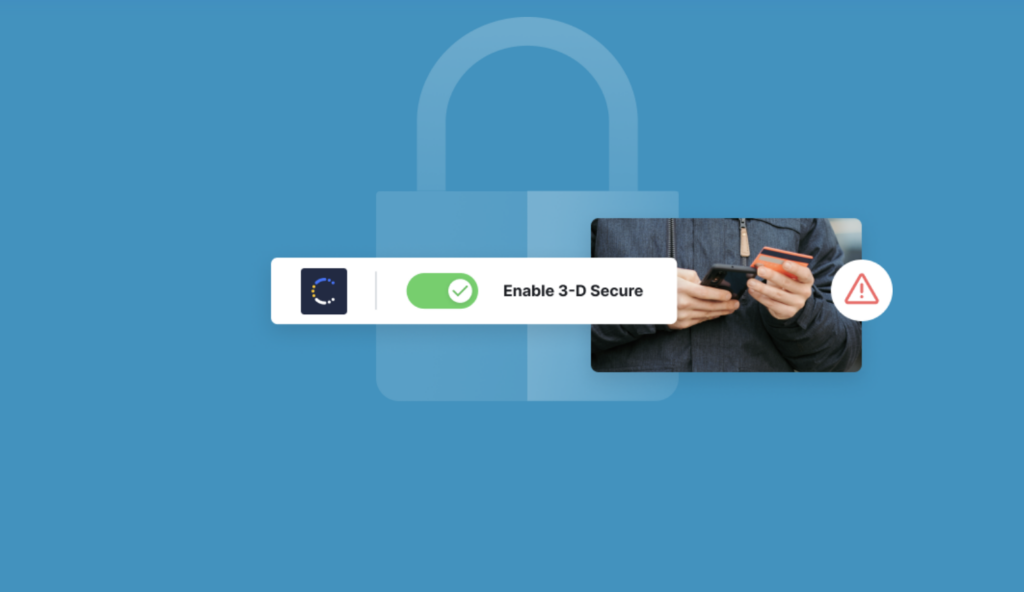
At its core, 3D Secure is a security protocol that mandates cardholder authentication during the payment process. By demanding the input of a password or the use of biometric data like fingerprints, it creates a formidable barrier against unauthorized transactions. This multi-step authentication process ensures peace of mind for both the merchant and the customer.

Navigating the authentication process

Initiating the payment

When a customer initiates an online purchase, they are seamlessly redirected to a page hosted by their card issuer.

Authentication ritual

On this dedicated page, the customer engages in an authentication ritual, entering their password or employing biometric data to assert their identity.

Greenlight for authorization

Once authenticated, the transaction proceeds smoothly, with the confidence that it’s shielded from potential security breaches.

The transformation for businesses and consumers

Reinforced security: the bulwark against fraud

For merchants, safeguarding online transactions is not just a preference, but a necessity. 3D Secure drastically curtails the risk of unauthorized or fraudulent payments. Even if a malefactor gains access to card details, they’ll find themselves thwarted by the impervious 3D Secure authentication process.

Instilling customer confidence

Customers require a bedrock of trust when engaging in online transactions. The presence of 3D Secure reassures them that their financial interactions are fortified by an additional layer of security.

3d secure

Shielding customers: the core of 3d secure

The protective umbrella of 3D Secure extends not only over the merchant but, perhaps more importantly, over the customer. Their financial particulars are enshrouded in an impervious cloak, safeguarded from unauthorized use. This fosters a sense of security and trust that is invaluable in the world of online commerce.

Compliance: the cornerstone of trust

Adherence to industry standards and regulatory frameworks is non-negotiable in the world of digital transactions. 3D Secure is the compass that guides merchants and consumers alike towards compliance. By integrating this protocol, all parties ensure that their operations are conducted within the ambit of regulatory expectations.

Harmonizing with payment orchestration

In the symphony of payment orchestration, 3D Secure emerges as a pivotal note. Seamlessly woven into the payment flow, it elevates security without causing discord in the user experience. Merchants can confidently offer a secure payment gateway that not only meets but exceeds industry standards.

Integration demystified: implementing 3d secure

Individuals and businesses seeking to incorporate the fortification of 3D Secure into their operations can embark on a straightforward journey:

Liaise with the acquiring bank or payment service provider: Reach out to the acquiring bank or payment service provider, expressing your intent to implement 3D Secure.

Collaborate on integration: Work closely with the provider to seamlessly integrate the protocol into the payment gateway used on your platform.

Demystifying authentication: Visa and Mastercard

Activating 3D Secure with Visa or Mastercard is a streamlined process:

Engage your acquiring bank or payment service provider: Initiate contact with your acquiring bank or payment service provider.

Express interest in 3d secure implementation: Clearly communicate your desire to integrate 3D Secure into your payment gateway.

Collaborative integration: Work hand-in-hand with the provider to ensure a seamless integration.

Recognizing 3D Secure merchants

Customers can swiftly discern if a merchant has embraced 3D Secure through a simple authentication process during checkout. The presence of a 3D Secure prompt signifies that the merchant places a premium on security and is dedicated to shielding their customers’ transactions.

Exploring 3D Secure: Mastercard and Visa

What is 3D Secure Mastercard? 

Mastercard’s version of 3D Secure is a security protocol that adds an extra layer of protection to online transactions. It requires cardholders to authenticate themselves during the payment process, reducing the risk of unauthorized transactions.

What is 3D Secure debit card? 

3D Secure for debit cards functions in the same way as for credit cards. It provides an additional layer of security by requiring cardholders to enter a password or use biometric data to verify their identity.

What is 3D Secure app? 

The 3D Secure app is a tool provided by some card issuers to facilitate the authentication process. It allows cardholders to complete the authentication using their mobile device, adding an extra level of convenience and security.

What is 3D Secure Visa? 

Visa’s implementation of 3D Secure, known as Verified by Visa, is a security protocol that enhances the safety of online transactions. It requires cardholders to authenticate themselves, reducing the risk of unauthorized payments.

how to use 3d secure

Why you shouldn’t bypass 3D Secure

Bypassing the 3D Secure authentication process is strongly discouraged due to the critical role it plays in safeguarding online transactions. When a transaction skips this step, it leaves a vulnerability that could potentially be exploited by fraudsters. This security measure is purposefully implemented to shield both merchants and customers from the risks of fraud. 

By bypassing 3D Secure, the transaction essentially loses a crucial layer of protection, making it more susceptible to unauthorized access or fraudulent activity. This can lead to serious repercussions for both parties involved, including financial losses and potential damage to the trust and reputation of the merchant. Therefore, it is highly recommended to always go through the 3D Secure authentication process to ensure the highest level of transaction security.

How to activate 3D Secure Visa? 

To activate 3D Secure with Visa, merchants should initiate contact with their acquiring bank or payment service provider. They should express a clear interest in implementing the 3D Secure protocol. This step is essential for merchants who wish to enhance the security of their online transactions, providing an additional layer of protection for both themselves and their customers. The acquiring bank or payment service provider will guide the merchant through the integration process, ensuring that the 3D Secure functionality is seamlessly incorporated into their payment gateway.

How does a merchant get 3D Secure? 

Merchants can obtain 3D Secure by collaborating closely with their acquiring bank or payment service provider. This cooperative effort ensures that the protocol is seamlessly integrated into their payment gateway. By obtaining and implementing 3D Secure, merchants fortify their defenses against potential fraud, instilling confidence in their customers and fortifying their business against unauthorized access or malicious intent. This additional layer of security provides reassurance to both parties involved in the transaction process, creating a safer and more trustworthy online shopping experience.

How do I know if a merchant is 3D Secure? 

During the checkout process, customers can easily identify if a merchant has integrated 3D Secure. A telltale sign is the presence of a 3D Secure prompt. This prompt serves as a clear indicator that the merchant prioritizes security and has taken proactive measures to protect the transaction. Customers should always be vigilant for this prompt, as it signifies a commitment to a safer online shopping experience.

How do I get 3D Secure authentication? 

Customers engaging in online transactions benefit from the added security provided by 3D Secure. Throughout the process, they receive authentication prompts. These prompts may request a password or the use of biometric data, such as fingerprints or facial recognition, to verify their identity. This extra layer of security ensures that only authorized individuals can complete the transaction, offering peace of mind to both the customer and the merchant. By actively participating in the authentication process, customers contribute to a more secure online environment.

What is a 3D Secure device? 

A 3D Secure device encompasses both hardware and software elements utilized to complete the authentication process. This can range from smartphones and tablets equipped with biometric authentication capabilities to dedicated hardware tokens or smart cards. These devices play a pivotal role in enhancing security by ensuring that only authorized users can complete a transaction. By incorporating biometric data or password entry, these devices add an extra layer of protection, making them an integral component of the 3D Secure authentication process. This technology empowers individuals to engage in secure online transactions with confidence, knowing that their financial information is safeguarded.

By embracing these facets of 3D Secure, both merchants and customers contribute to a safer online transaction environment. The integration of this protocol not only protects against potential fraud but also cultivates trust in the digital marketplace, ensuring that every transaction is conducted with the highest level of security and integrity.

Securing online transactions is paramount in today’s digital landscape. The integration of 3D Secure provides a robust defense against potential threats, instilling confidence for both merchants and consumers.

When venturing into the realm of secure online transactions, consider the versatile capabilities offered by Gr4vy. This powerful platform empowers you to establish your own tailored protocols, putting you firmly in control. With Gr4vy, you have the ability to select from a range of risk providers, exert authority over 3D Secure functionalities, and implement bespoke rules throughout the transaction journey.

One of the most significant advantages of leveraging Gr4vy is its capacity to enable early transaction declination. This capability allows you to preemptively identify and halt potentially fraudulent activities, offering a proactive defense against chargebacks, fraud, and unnecessary financial strain. Additionally, Gr4vy equips you with the authority to judiciously trigger anti-fraud measures at strategic points in the transaction lifecycle, adding an extra layer of security that complements the inherent safeguards of 3D Secure.

By incorporating Gr4vy into your operations, you are not merely adopting a platform; you are embracing a comprehensive strategy that puts security and control at the forefront. It’s a proactive stance against potential risks, safeguarding both your business and the trust of your valued clientele.

Gr4vy provides the power to protect, allowing you to move forward with confidence in the realm of digital transactions. Embrace this opportunity and fortify the future of your online commerce endeavors.