
In the interconnected global economy, businesses frequently process payments from customers worldwide. Knowing the country of origin for a credit card is crucial for a variety of reasons, including fraud prevention, regulatory compliance, and optimizing payment processing. Understanding how to identify a credit card’s country can provide valuable insights into the transaction, helping businesses enhance security and improve customer service.
This comprehensive guide will explain how to identify a credit card’s country of origin using several methods, including the use of the Bank Identification Number (BIN). Additionally, we’ll provide an extensive list of BIN ranges associated with various countries, making this a valuable resource for merchants and payment professionals alike.
Why identifying a credit card’s country of origin matters
Identifying the country of origin for a credit card is important for several reasons:
- Fraud Prevention: Recognizing the card’s country of origin can help detect suspicious transactions, especially if there is a discrepancy between the card’s origin and the customer’s location.
- Compliance and Regulation: Different countries have specific regulations regarding payment processing. Knowing the card’s origin ensures compliance with these local laws and regulations.
- Optimizing Transaction Routing: Payment processors may charge different fees depending on the card’s country. Identifying the origin can help route transactions through the most cost-effective payment gateway.
- Improving Customer Experience: Tailoring the payment process based on the card’s country can enhance the customer experience by displaying prices in local currency or selecting the appropriate language.
Methods to identify a credit card’s country of origin
Here are several methods you can use to identify the country associated with a credit card:
1. Using the Bank Identification Number (BIN)
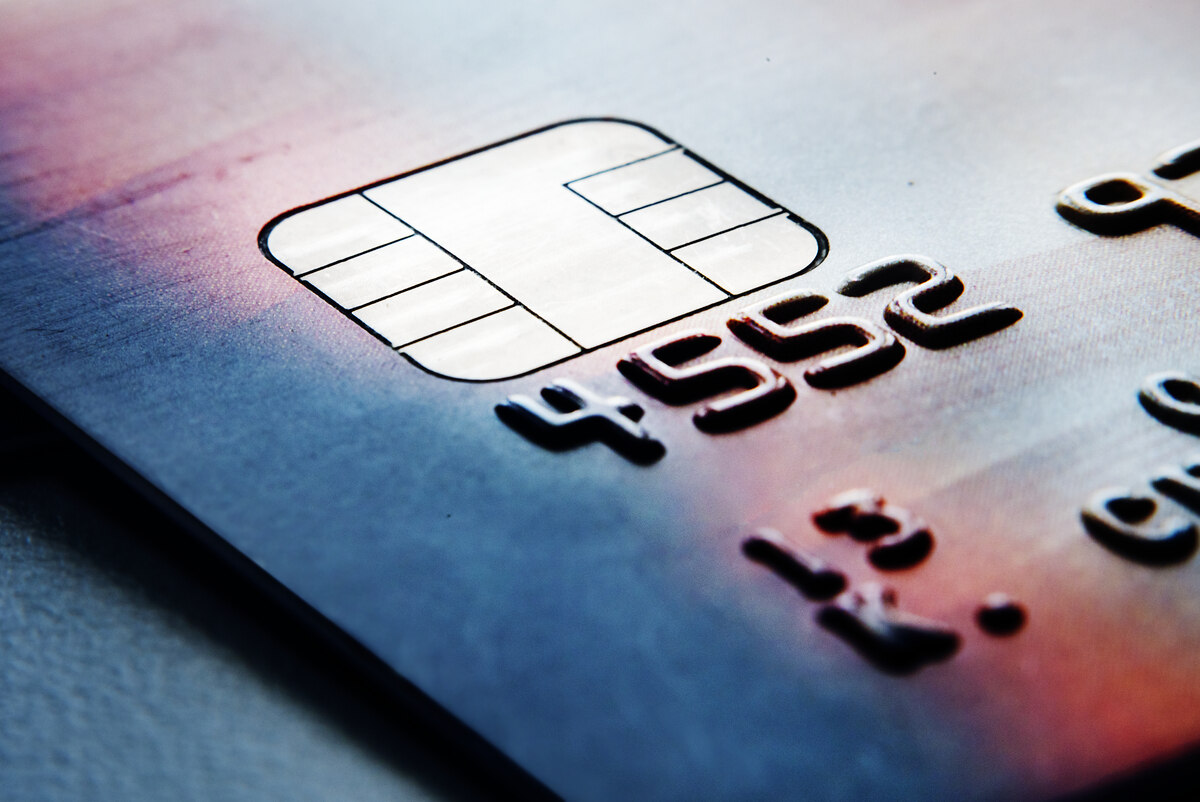
The Bank Identification Number (BIN), also known as the Issuer Identification Number (IIN), is the first 6 to 8 digits of a credit card number. This sequence uniquely identifies the institution that issued the card and includes information about the card type, brand, and country of origin.
- How It Works: By analyzing the BIN, you can determine the issuing bank’s location, which is typically in the same country where the cardholder resides.
- Tools and Resources: Several online databases and services allow you to input a BIN and retrieve the associated country. These services include commercial tools like BIN lookup databases and some free online resources.
Below is a comprehensive list of BIN ranges and their corresponding countries:
| BIN Range | Country | BIN Range | Country |
| 400000–499999 | United States | 356000–356999 | India |
| 510000–559999 | Canada | 457000–457999 | New Zealand |
| 300000–305999 | United Kingdom | 530000–539999 | Mexico |
| 340000–349999 | Japan | 604000–604999 | Argentina |
| 370000–379999 | France | 589000–589999 | Egypt |
| 450000–459999 | Australia | 622000–622999 | China |
| 410000–419999 | Germany | 531000–531999 | Brazil |
| 480000–489999 | Spain | 421000–421999 | Ireland |
| 220000–229999 | Russia | 524000–524999 | South Africa |
| 620000–629999 | South Korea | 403000–403999 | Indonesia |
| 600000–609999 | Brazil | 408000–408999 | Malaysia |
| 530000–539999 | Mexico | 409000–409999 | Hong Kong |
| 630000–639999 | Singapore | 422000–422999 | Saudi Arabia |
| 670000–679999 | United Arab Emirates | 509000–509999 | Turkey |
| 430000–439999 | Italy | 511000–511999 | Philippines |
| 540000–549999 | Austria | 415000–415999 | Thailand |
| 650000–659999 | Colombia | 450000–459999 | Australia |
| 670000–679999 | Netherlands | 470000–479999 | Spain |
This table represents a broad array of countries and their associated BIN ranges. For businesses requiring more detailed or specific information, utilizing a comprehensive BIN lookup tool is recommended.
Curious about how payment tokens secure your transactions? Learn more in Understanding Payment Tokens: A Comprehensive Guide for Business Owners.
2. Card Network Identification
Credit cards are issued by major card networks such as Visa, Mastercard, American Express, and Discover. These networks often have specific prefixes associated with certain countries.
- How It Works: Each card network has a range of BINs that correspond to different countries. For example, Visa cards issued in the United States typically start with a BIN in the range of 400000–499999.
- Tools and Resources: Card network documentation and online BIN databases can be used to match the card’s BIN with the corresponding country.
3. Using the Card Issuer’s Information
The name of the bank or financial institution that issued the card can provide clues about the card’s country of origin.
- How It Works: Most credit cards display the issuing bank’s name on the card itself. You can often infer the country by the bank’s name or logo.
- Tools and Resources: Look up the issuing bank’s details through an online search or by using a BIN lookup service that provides additional issuer information.
4. Geolocation of the Cardholder’s IP Address
If the transaction is conducted online, the cardholder’s IP address can provide additional context about their location.
- How It Works: By comparing the card’s BIN information with the cardholder’s IP address, you can identify discrepancies that may indicate potential fraud.
- Tools and Resources: Use geolocation services that map IP addresses to physical locations to cross-reference with the card’s BIN data.
Challenges in identifying a credit card’s country
While identifying a credit card’s country of origin can be straightforward, there are challenges:
1. Accuracy of BIN Databases
- Challenge: Not all BIN databases are up-to-date, and some may lack complete information, leading to inaccurate country identification.
- Solution: Use reputable and frequently updated BIN databases to ensure accurate information.
2. Cross-Border Issuing
- Challenge: Some banks issue cards in countries different from where the cardholder resides, complicating the identification process.
- Solution: Combine BIN information with other data points, such as IP geolocation and shipping addresses, to improve accuracy.
3. Card Network Variations
- Challenge: Different card networks may use overlapping BIN ranges, making it difficult to distinguish between countries.
- Solution: Use specific tools designed for each card network to pinpoint the correct country of origin.
How payment orchestration helps with identifying a credit card’s country
For businesses handling large volumes of transactions, especially those operating internationally, payment orchestration can simplify the process of identifying a credit card’s country of origin.
Benefits of payment orchestration:
- Automated BIN Lookup: Payment orchestration platforms can automatically analyze the BIN of each transaction and identify the card’s country of origin, streamlining the process for merchants.
- Smart Transaction Routing: By identifying the card’s country, payment orchestration platforms can route transactions through the most cost-effective or reliable payment processor, optimizing fees and approval rates.
- Enhanced Fraud Detection: Payment orchestration platforms can cross-reference the card’s country with the cardholder’s IP address, shipping address, and other data points to detect potential fraud.
- Real-Time Monitoring: Merchants can monitor transactions in real-time, with instant identification of the card’s country of origin, helping them to respond quickly to any discrepancies or suspicious activity.
- Global Compliance Management: Payment orchestration platforms help ensure that transactions comply with local regulations by automatically identifying the card’s country and applying the appropriate rules and protocols.
Want to secure your customers’ payment data? Explore the benefits of What Is Vaulting and Tokenization?.
FAQs about identifying a credit card’s country
How accurate is BIN-based country identification?
- BIN-based identification is generally accurate, especially when using updated databases, but it may sometimes be affected by cross-border issuing or outdated information.
Can I identify the country of a prepaid card?
- Yes, prepaid cards also have BINs that can be used to identify the country of origin, though the issuing process for prepaid cards might vary slightly compared to traditional credit cards.
Why is my BIN lookup showing multiple countries?
- Some BINs may be used across different countries, particularly by large multinational banks. In such cases, additional data like IP address or cardholder information may be needed to pinpoint the correct country.
Is it legal to use BIN lookup tools?
- Yes, using BIN lookup tools is legal and a common practice among merchants and payment processors for fraud prevention and compliance purposes.
Can payment orchestration help with multi-currency transactions?
- Yes, payment orchestration platforms can automatically identify the card’s country and currency, optimizing the transaction process for international customers.
Struggling with payment timeouts? Discover how to prevent them in Payment Timeout: Why It Happens and How to Avoid It.
Identifying the country of origin for a credit card is a critical step in managing online transactions, especially for businesses operating across borders. Whether it’s for optimizing payment processing, preventing fraud, or ensuring compliance, knowing where a credit card is issued can significantly enhance your payment strategy.Payment orchestration offers a powerful solution to streamline this process, providing automated tools for identifying a card’s country, optimizing transaction routing, and enhancing security. To learn more about how Gr4vy’s payment orchestration platform can help you manage your international payments, contact us today for a demo.