GR4VY

Are you ready for co-badged card regulations?

Visa and Mastercard are two of the largest payment networks in the global card ecosystem. According to recent data, they collectively hold a significant share of the global card transaction volume, highlighting their importance in the payments industry. According to the Federal Reserve, they account for nearly 576 million cards. 

Their networks are widely accepted by merchants and financial institutions worldwide, contributing to their dominant position in the market, allowing cardholders to use their cards internationally and enjoy a seamless traveling experience.

What are co-badged card payments?

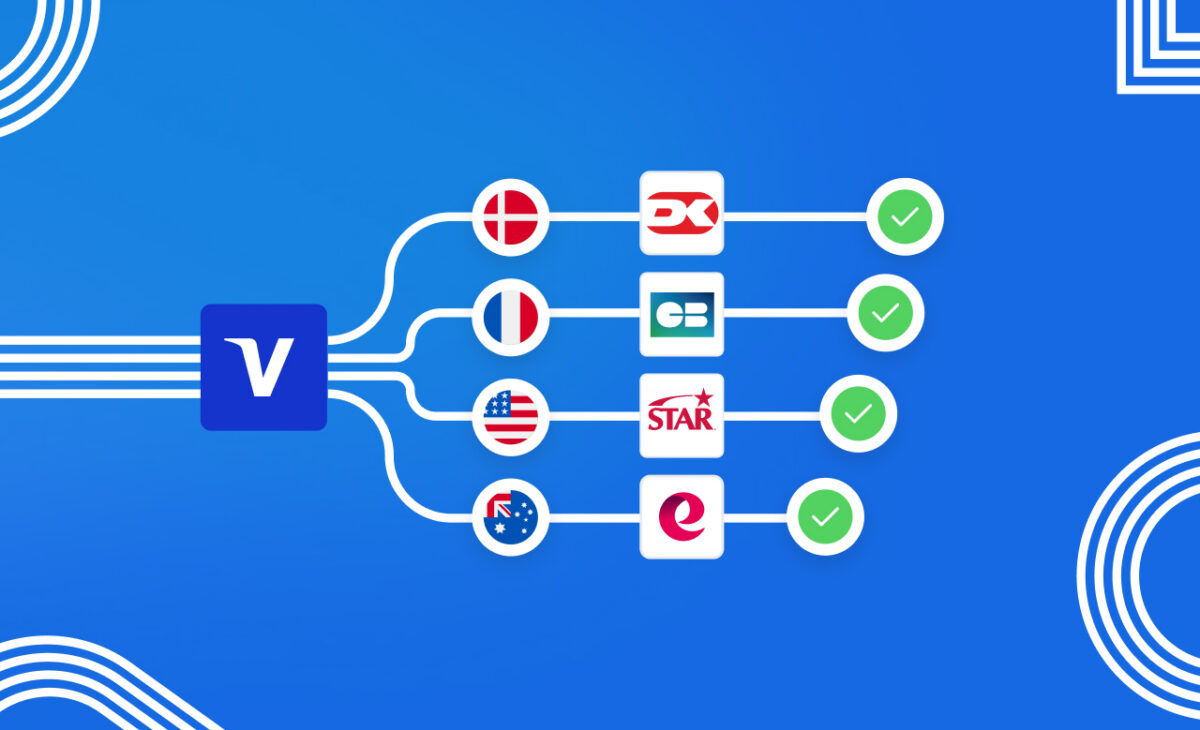
However, some regions have robust local card schemes as competitors, which will increase your local sales. These schemes often carry the Visa and Mastercard logos, hence the term “co-badged cards.” Co-badged cards integrate two or more payment brands on a single card, enabling transactions through multiple networks. An example of a co-badged card might be one issued by a bank that includes a local payment scheme and a global network brand.

Here are a few examples from around the world: In France, 95% of the cards have Cartes Bancaires co-badged. In Denmark, almost 80% of people use Dankort, and in Australia, 90% of EFTPOS cards are co-badged with either Visa or Mastercard.

Co-badged card regulations: A global overview

Legislators worldwide are establishing regulations to ensure fair competition in this field. Here are key developments in several regions:

  • Europe: Since 2015, the European Parliament has issued regulations outlining how merchants should accept customer payments using co-badged cards, and they are being reinforced now. These regulations establish standardized technical and commercial requirements for card-based payment transactions carried out within the Union. Many European cards are co-badged with local schemes such as Cartes Bancaires.

Our orchestration platform offers a co-badge solution that can benefit your business if you operate in or are planning to enter the Union.

  • United States: Lawmakers are drafting laws to boost competition and choice in the credit card network market, supported mainly by a wide range of small businesses and consumer groups. What are they looking for? The Federal Reserve should ensure that the largest credit card-issuing banks offer a choice of at least two networks.

The US is heading in the direction of the European Union, which means that card issuers will soon be required to offer at least two unaffiliated networks for processing all debit card transactions, including online and card-not-present transactions.

  • Australia: Due to the rise of contactless payments, debit card usage has increased in Australia for in-person transactions. These transactions can be processed through three debit card networks: EFTPOS, Debit Mastercard, or Visa Debit. When customers use a dual-network debit card, transactions are automatically routed to the card’s default network unless the merchant opts for less-cost routing (LCR), which is now available for online transactions. The Reserve Bank’s Payments System Board supports issuing dual-network cards and providing LCR functionality to merchants.

How can Gr4vy benefit your business with co-badged payments?

With global regulations shifting towards the adoption of co-badged payments, Gr4vy is commited to help your business adapt to these changes, getting full ownership over their routing configurations in their payment stack without adding any complexity. 

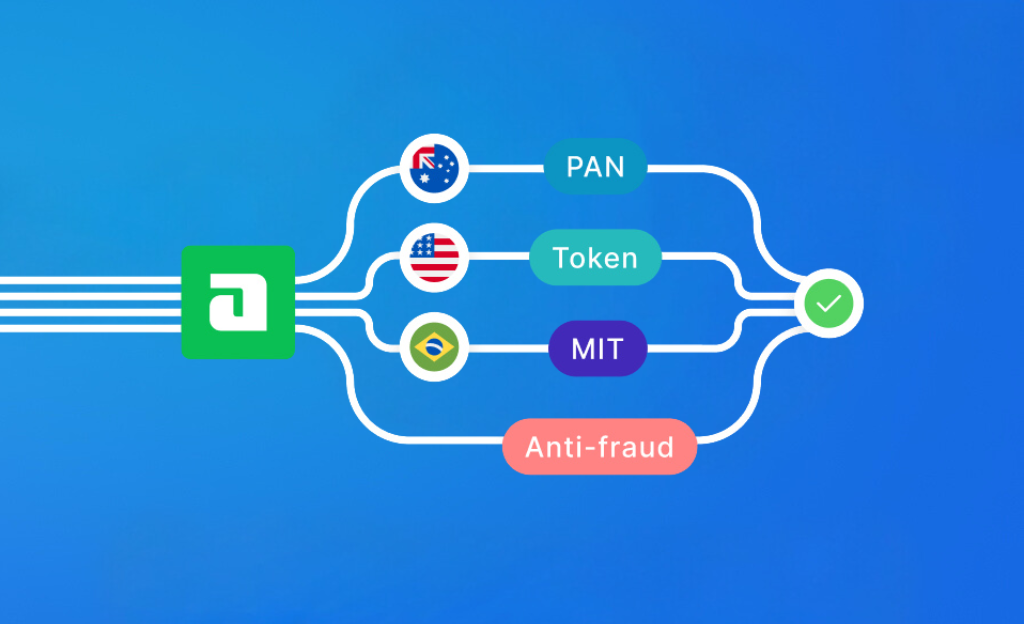
Our no-code platform allows you choose to route transactions based on dual brands to optimize costs via local debit rails, retry and cascade using all different instruments, and cardtypes across different payment services at the click of a button. 

Gr4vy enables you to comply with new regulations,effortlessly freeing you to focus on optimizing your payment strategies.

3D Secure 1.0 and 2.0: Understand the difference

As digital commerce continues to expand at an unprecedented rate, the imperative to secure online payments against increasing cyber threats has never been greater. Standing at the forefront of efforts to safeguard digital transactions, the 3D Secure protocols emerge as pivotal innovations. These protocols signify a crucial stride in enhancing payment security and reflect the payments industry’s commitment to evolving in step with technological advancements and emerging threats. Their implementation marks a significant milestone in the continuous journey to protect consumers and merchants in the dynamic world of online commerce.

What are 3D Secure Protocols?

3D Secure is an authentication protocol designed to add an extra layer of security to online credit and debit card transactions. It was initially introduced with 3D Secure 1.0 and later enhanced with 3D Secure 2.0. These protocols aim to:

  • Authenticate cardholders
  • Mitigate the risk of fraudulent transactions

3D Secure 1.0: The First Line of Defense

Introduced in the early 2000s, 3D Secure 1.0 was a pivotal advancement in online payment security. Its features included:

  • Redirection for Authentication: Users were redirected to a page hosted by their card issuer for password authentication and verification.
  • Added Security Layer: Aimed to authenticate cardholders during online transactions.
  • User Experience Challenges: The process was often seen as cumbersome, leading to cart abandonment.
  • Vulnerability: The static nature of the authentication process was susceptible to phishing attacks.

3d secure

3D Secure 2.0: Evolution of Authentication

Launched in 2019, 3D Secure 2.0 addressed many shortcomings of its predecessor by introducing:

  • Frictionless Authentication: A focus on seamless user authentication using biometrics and device fingerprinting methods.
  • Enhanced Security: Utilizes more sophisticated mechanisms and additional data points for authentication, making it tougher for fraudsters.
  • Broader Device Support: Compatibility with smartphones, tablets, and desktops, ensuring a secure payment experience across devices.
  • Improved Merchant Experience: Merchants receive detailed risk assessment data for better transaction and fraud prevention decision-making.

Main Implications for Merchants

Adopting 3D Secure protocols offers several benefits for businesses:

  • Trust Building: Helps in building trust with customers by ensuring secure transactions.
  • Reduced Fraud: Significantly lowers the risk of fraud-related chargebacks.
  • Increased Efficiency: Improves transaction authorization rates.
  • Competitive Edge: Enhances the customer shopping experience, providing an edge in the digital marketplace.

Final Considerations

Despite the numerous benefits, adhering to regulatory requirements and ensuring data protection while implementing 3D Secure protocols can be challenging for businesses, particularly in regions with stringent privacy laws.

By leveraging Gr4vy’s seamless integration capabilities, businesses can enhance the security of their online transactions while optimizing customers’ checkout experience. With features tailored for mobile optimization, regulatory compliance, and advanced fraud prevention, Gr4vy provides a holistic solution that enables businesses to navigate the complexities of online payments confidently. Embracing such solutions ensures the security and integrity of online transactions and empowers companies to thrive in the rapidly evolving digital landscape.

Ready to Enhance Your Payment Security?

Talk to one of our experts to understand how Gr4vy reduces and simplifies your regulation and compliance burden. It offers security and the chance to empower your payment strategy with unrivaled flexibility for all of your payments.

Tokenization unleashed: Enabling superior and secure payment experiences

In today’s digital era, secure and efficient payment processing has become an essential strategy for businesses. Increased e-commerce adoption has presented a new and competitive opportunity for retailers. With in-store shopping becoming a thing of the past, merchants now need ways to quickly adapt and provide a seamless online shopping experience for their customers. However, many merchants are facing challenges related to fraud, data security, and payment processing. In this hyper-competitive environment, striking a balance between robust security and a seamless experience is vital to survival. Within this landscape, payment tokenization has emerged as a powerful tool to enhance security and streamline transactions in various industries.

Payment is the most crucial step for online merchants and one of the most significant tension points for customers. Online shoppers’ expectations leave no room for a poor payment experience. The results from checkout experiences directly and immediately impact merchants as customers see transactions as an experience.

This is dwarfed by the number of abandoned carts that result from less-than-optimal customer experiences when a poorly designed interface, a confusing customer journey, or a complex or unclear payment process gets in the way of the sale. Eventually, impacting the overall business, including the merchant’s revenue and customer loyalty. 

e-Commerce – the multi-billion dollar opportunity

In 2021, retail e-commerce sales amounted to approximately $5.2 trillion worldwide, and this figure is forecasted to grow by 56 percent over the next few years, reaching about $8.1 trillion by 2026. In the wider retail industry, e-commerce accounted for almost 20 percent of retail sales worldwide, with forecasts indicating that the online segment will make up close to a quarter of total global retail sales by 2026.

Yet today’s merchants are hard-pressed to close retail sales as nearly 1 out of 5 shoppers abandon carts due to a long or complicated checkout process. Combine this with the fact that many merchants have not updated their payment systems in two years, and the result is an inability to orchestrate payments or optimize the online customer checkout experience effectively, leading to low conversion rates and customer cart abandonment.

One-Click Payments

Customers appreciate the convenience of one-click checkout and having their cards saved for recurring purchases, trusting that their payment credentials will be kept secure from online fraudsters. In most cases, such purchases use card-on-file (CoF) approaches where customer card information has been saved from a prior transaction and held (hopefully) in a secure way. That may provide a highly positive user experience, but there can still be friction in the form of false declines.

Network Tokenization

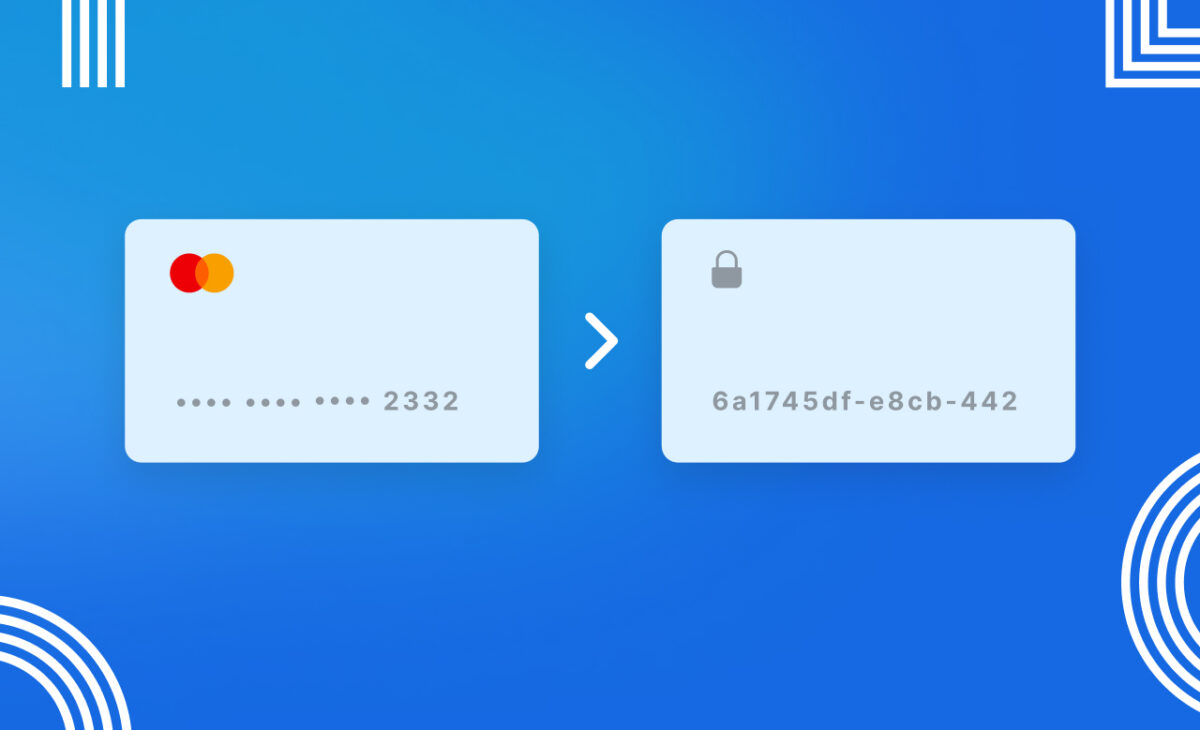
Network tokenization is a method that protects sensitive information by design. It allows for replacing sensitive payment credential data with a secure and unique token that can be used to optimize the payment process without details ever being exposed. This leads to an advanced payment solution where merchants can store their network tokens and use them interoperable and simultaneously with multiple Payment Service Providers (PSPs).

This technology sits invisibly behind e-commerce transactions and boosts the business for merchants and PSPs by combining the highest levels of security with a seamless customer experience.

In a rapidly evolving digital landscape where security and user experience are paramount, network tokenization emerges as a game-changer for businesses. By seamlessly integrating this technology into their payment ecosystems, merchants can enhance security, streamline transactions, and provide customers with a frictionless payment experience. As e-commerce continues to flourish, embracing network tokenization is not just a competitive advantage but a necessity for businesses looking to thrive in the digital economy. Check out our recent eGuide on Tokenization and understand how it can benefit your business. 

Accepting gift cards: 5 things you need to know

Gift cards have become a cornerstone of modern commerce, offering unparalleled convenience and flexibility for both merchants and consumers. However, navigating the complexities of their processing can be daunting for merchants. Some reports suggest global gift cards are projected to reach $506 billion by 2025, highlighting the widespread adoption of this payment method.

Here are five key insights you need to know:

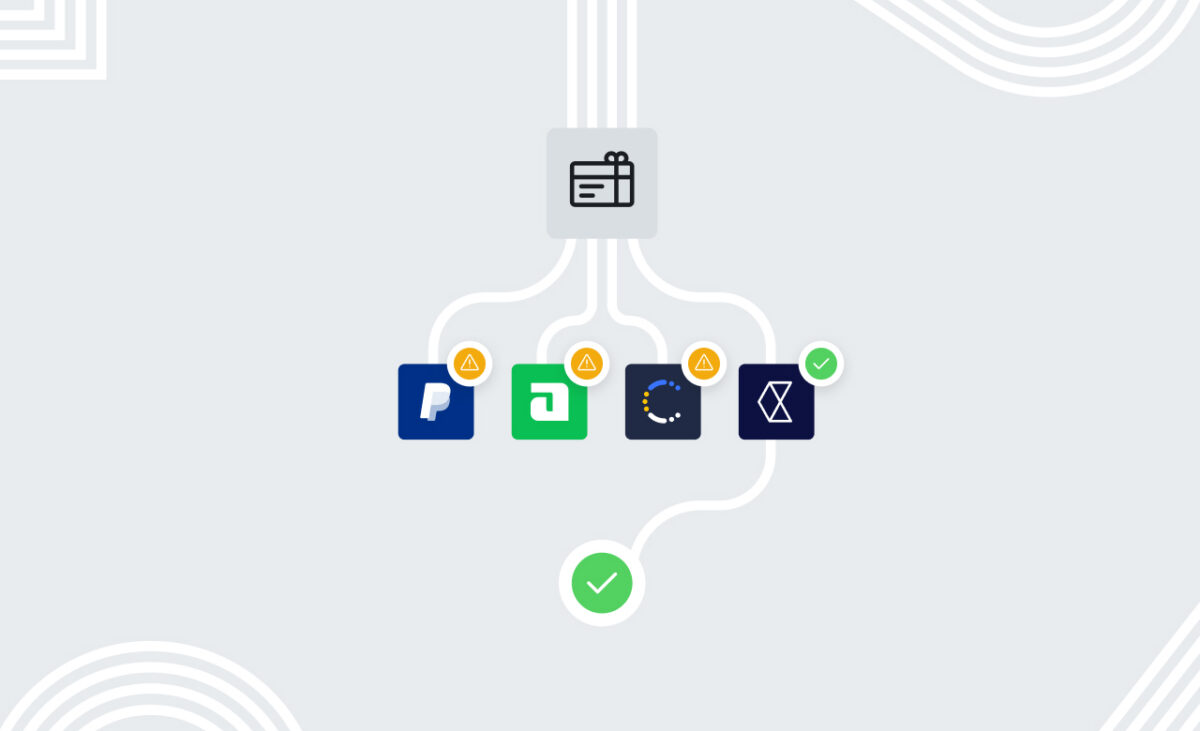
  • Split-Tender Transactions: Gift card processing often occurs with a complementary payment method. When multiple payment methods, including gift cards and traditional payment methods, are used to fund a single transaction, often one of them fails, and that requires a manual process from the merchant to revert any completed parts of the transaction. Orchestrators, like Gr4vy help simplify this offering that buyers love so much. 
  • Integration Challenges: Integrating with gift card providers can be complex and time-consuming. According to a survey by the National Retail Federation, 62% of merchants report that their false decline rates are increasing, underscoring the need for streamlined integration options.
  • Enhanced Security Measures: Gift card transactions require robust security measures to prevent fraud and unauthorized use. According to a study by LexisNexis Risk Solutions, global merchants reported an estimated 32% increase in fraud attempts in 2020. Merchants should leverage payment orchestration platforms with built-in anti-fraud services to safeguard against potential threats and keep playing by the rules.
  • Unified Reporting and Management: Managing gift card transactions alongside other payment methods can be challenging. According to a survey by McKinsey, 89% of merchants struggle with data and analytics capabilities, which is why they often choose payment orchestration platforms with unified reporting and management tools to track and reconcile gift card transactions effectively.
  • Future-Proof Solutions: As the payment landscape evolves, merchants must adapt to changing consumer preferences and industry trends. According to a report by Deloitte, 79% of consumers purchased a gift card in the past year.

By understanding these five key insights, supported by global statistics, merchants can effectively leverage the power of gift cards to drive growth, enhance customer experiences, and stay ahead of the competition in today’s dynamic marketplace.

If you’re ready to explore how a Gr4vy, as a payment orchestrator can support your payment strategy and future-proof your checkout, get in touch with our team for a full consultation with one of our experts.


Understanding payment routing

Over the past 20 years, how people pay, receive, and transfer money has changed drastically. Nowadays, payments are based on a big orchestration with a robust network of systems and protocols. At the heart of this intricate architecture lies payment routing, a fundamental process that ensures transactions are executed efficiently and securely. Whether you’re swiping a credit card at a local store or conducting a cross-border wire transfer, payment routing plays a pivotal role in facilitating the flow of funds. 

Payment routing can be best understood as the process of determining the most optimal path for a transaction to travel from the payer to the payee. It involves a series of steps that guide the transaction through various intermediaries, such as banks, payment processors, and networks until it reaches its final destination. 

The journey begins when a payment instruction is initiated by the payer. This could be anything from swiping a card, entering payment details online, or authorizing a wire transfer. The payment request is then authenticated and authorized by the payer’s financial institution. This step involves verifying the payer’s identity, checking for available funds, and ensuring compliance with security protocols. Once authorized, the payment is handed off to a payment gateway or orchestrator, which acts as a traffic controller for the transaction. Here, complex algorithms analyze factors such as transaction amount, destination, and network availability to determine the optimal route.

Finally, the transaction reaches the payee’s financial institution, where the funds are deposited into the designated account. This step involves reconciling the transaction details and updating the relevant ledgers to reflect the transfer of funds.

Several factors influence the routing decision, including:

  • Cost: Routing algorithms often prioritize the most cost-effective path for the transaction, considering fees charged by intermediaries and networks.
  • Speed: Time-sensitive transactions may be routed through faster networks or corridors to ensure prompt delivery.
  • Reliability: The reliability and stability of the chosen route are crucial to minimize the risk of transaction failures or delays.
  • Regulatory Compliance: Routing decisions must comply with local and international regulations governing financial transactions, including anti-money laundering (AML) and Know Your Customer (KYC) requirements.

Efficient payment routing is essential for the smooth functioning of modern commerce, and payment orchestrators can act as key players when deploying an intelligent payment routing strategy and avoiding vendor lock-in. Here’s why it matters:

  • Speed and Efficiency: By optimizing the payment route, transactions can be processed quickly and cost-effectively, enhancing customer satisfaction and business agility.
  • Global Connectivity: Payment routing enables seamless cross-border transactions, fostering international trade and economic integration.
  • Risk Mitigation: Robust routing mechanisms help mitigate operational and security risks associated with financial transactions, safeguarding against fraud and errors.
  • Innovation and Growth: Advances in payment routing technology, such as blockchain and real-time settlement systems, drive innovation and open up new opportunities for financial inclusion and economic development.

Despite its benefits, payment routing faces several challenges, including interoperability issues, legacy infrastructure, and regulatory complexity. 

Looking ahead, the future of payment routing promises greater efficiency, transparency, and inclusivity, empowering individuals and businesses to transact seamlessly across borders and currencies. As technology evolves, understanding the intricacies of payment routing will be crucial for navigating the ever-changing landscape of global finance. 

If you’re ready to explore how a payment orchestrator can support your payment strategy and future-proof your checkout, get in touch with our team for a full consultation with one of our experts.
The rise of instant payments

In today’s fast-paced digital world, convenience and speed have become part of every aspect of our lives, including financial transactions. Gone are the days of waiting days for a check to clear or enduring lengthy processing times for electronic transfers. Instead, we’re witnessing the ascent of instant payments, a phenomenon that is revolutionizing the way we exchange money. 

What are Instant Payments?

Instant payments, as the name suggests, refer to transactions that are processed and settled in real-time, allowing funds to be transferred immediately between parties. Unlike traditional payment methods that involve delays due to bank processing times or clearinghouses, instant payments enable near-instantaneous transfer of funds, 24/7, 365 days a year.

Instant payment methods that emerged over the years

In an era of instant gratification, consumers and businesses demand faster, more convenient payment options. Whether it’s splitting a restaurant bill with friends, paying bills, or making online purchases, the ability to transfer funds instantly offers unparalleled convenience and flexibility. 

Several instant payment methods have emerged in recent years. One prominent example is Immediate Payment Systems (IPS), which enable real-time transfers between bank accounts, often available 24/7. Another popular method is peer-to-peer (P2P) payment platforms like Venmo, PayPal, and Cash App, which allow users to instantly send money to friends, family, or merchants via mobile apps. Additionally, digital wallets such as Apple Pay, Google Pay, and Samsung Pay facilitate instant transactions using Near Field Communication (NFC) technology, enabling contactless payments in stores and online. Moreover, blockchain-based cryptocurrencies like Bitcoin and Ethereum have gained traction for their ability to facilitate near-instantaneous cross-border transactions with minimal fees, bypassing traditional banking systems. These methods cater to diverse needs and preferences, offering unparalleled speed, convenience, and security in financial transactions.

In Europe, the push for instant payments has led to developing and adopting several prominent instant payment methods. One notable example is the Single Euro Payments Area Instant Credit Transfer (SEPA Instant Credit Transfer), which allows individuals and businesses to transfer funds across participating European countries in real-time, 24/7, 365 days a year. This initiative, launched by the European Payments Council (EPC), aims to harmonize instant payment solutions across the Eurozone, promoting faster and more efficient cross-border transactions. Additionally, various national instant payment schemes have emerged in countries like the United Kingdom (UK) with Faster Payments, Germany with SEPA Instant, and Sweden with Swish, offering seamless and instant fund transfers within domestic borders. These instant payment methods reflect Europe’s commitment to modernizing its payment infrastructure and fostering innovation in the financial services sector, ultimately enhancing the speed, convenience, and accessibility of payments for individuals and businesses across the continent.

Instant payments, a phenomenon that is revolutionizing the way we exchange money. 

In Latin America, the landscape of instant payment methods is rapidly evolving, driven by increasing digitalization and the demand for faster, more convenient transactions. One prominent example is the PIX system in Brazil, introduced by the Central Bank of Brazil, which allows individuals and businesses to make instant payments 24/7 using mobile devices or internet banking platforms. PIX has gained significant traction since its launch in 2020, offering a reliable and efficient alternative to traditional payment methods. Additionally, countries like Mexico are exploring similar instant payment initiatives, such as CoDi, a digital payment system developed by the Bank of Mexico, to promote financial inclusion and reduce cash usage. While the adoption of instant payment methods in Latam varies across countries, the trend toward digitalization and real-time transactions is undeniable, signaling a shift toward a more modern and efficient payment ecosystem in the region.

In the United States, instant payment methods have seen significant growth and adoption in recent years, driven by the increasing prevalence of digital banking and mobile payment solutions. One prominent example is the introduction of real-time payment networks like The Clearing House’s RTP® network and the Federal Reserve’s FedNow Service, which enable instant funds transfers between financial institutions, businesses, and consumers. These networks facilitate near-instantaneous payments 24/7, providing a convenient and efficient alternative to traditional payment methods like checks and Automated Clearing House (ACH) transfers, which can take days to process. Moreover, peer-to-peer (P2P) payment apps such as Venmo, Zelle, and Cash App have become immensely popular, allowing users to send and receive money instantly using their smartphones. With the increasing demand for faster and more convenient payment options, instant payment methods are poised to continue reshaping the landscape of financial transactions in the USA, driving innovation and improving the overall efficiency of the payments ecosystem.

Key drivers of adoption

Several factors are driving the widespread adoption of instant payments:

  • Consumer expectations: Today’s consumers expect seamless and instant payment experiences, driven by the proliferation of digital services and on-demand commerce platforms.
  • Technological advancements: Advances in payment technology, including real-time payment rails, application programming interfaces (APIs), and blockchain, have paved the way for instant payments to become a reality.
  • Regulatory initiatives: Regulatory bodies around the world are actively promoting the adoption of instant payment systems to foster financial inclusion, enhance competition, and improve the efficiency of the payments ecosystem.
  • Globalization: As businesses expand globally, the need for cross-border instant payment solutions has intensified, driving innovation in international payment networks and settlement systems.

The rise of instant payments has profound implications for businesses and consumers:

  • Enhanced cash flow management: Instant payments enable businesses to manage their cash flow more effectively by accelerating receivables and improving liquidity.
  • Improved customer experience: For consumers, instant payments offer unparalleled convenience and flexibility, allowing them to access funds instantly and make purchases without delay.
  • Reduced transaction costs: Instant payments can help businesses reduce transaction costs associated with traditional payment methods, such as check processing fees or wire transfer charges.
  • Increased efficiency: By streamlining payment processes and eliminating delays, instant payments enhance operational efficiency for businesses and financial institutions alike.

Challenges and considerations

Despite their numerous benefits, instant payments also present challenges and considerations. Real-time transactions require robust security measures to mitigate the risk of fraud and unauthorized access. When it comes to availability, ensuring interoperability between different instant payment systems and networks is essential to facilitate seamless cross-border transactions. Also, the widespread adoption of instant payments depends on the availability of robust infrastructure, including payment rails, APIs, and connectivity solutions.

As technology continues to evolve, the future of instant payments holds immense promise. We can expect to see further innovation in areas such as Biometric Authentication, Tokenization and the emergence of Central Bank Digital Currencies (CBDCs).

The rise of instant payments represents a significant milestone in the evolution of the payments industry, offering unprecedented speed, convenience, and security. As businesses and consumers embrace this transformational shift, the future of payments looks brighter than ever, fueled by innovation, collaboration, and a relentless pursuit of efficiency and convenience. Talk to one of our experts to understand how payment orchestration can help you secure interoperability between providers to offer instant payment methods across the globe at your checkout. 

Get a multiplayer market strategy

Payment orchestration platforms are designed to address the complexity of payments for merchants. Pre-built infrastructure brings together the diverse payment methods, services, and transactions and enables merchants to manage, optimize, and evolve the payment stack in a holistic fashion, regardless of the components and connectors involved.

From checkout to reconciliation, payment orchestrators give merchants visibility, flexibility, and control at every stage of the payment process. With the ability to seamlessly test and add new payment methods, orchestrators help merchants nimbly adapt to a continually evolving payment landscape. 

In summary, it addresses a number of merchant priorities: 

Future-proofed simplicity and agility 

With simple API integration,  orchestrators significantly reduce the complexity of the payments stack and incorporate new payment methods as they become available with little to no coding for the merchant. 

Tokenization and data portability

In addition to payment optionality, a payment orchestration platform allows for tokenization and data portability, offering merchants the freedom to own their data in a provider-agnostic PCI DSS Level 1-certified Vault 

Time and cost efficiency 

Adding new payment methods can be an expensive and time-consuming process for a merchant. Payment orchestration platforms can be quickly deployed and adjusted with just a few clicks. 

Centralized visibility and control 

Managing multiple payment providers makes it harder for merchants to identify trends, fraud, and possibilities for optimization. With a holistic view of the payments stack and real-time analytics, orchestrators give you the ability to dynamically fine-tune transaction routing, conditions, and workflows across all payment methods through one platform. 

Financial insight and reporting 

Finance teams often struggle with the diversity and complexity of reporting systems, which can impede their ability to reconcile and close their books effectively. In addition to aligning financial data and automating routine reports, POPs provide actionable insights about which payment methods perform best and how to optimize your mix of payment services for performance. 

Improved checkout experience and conversion rates 

The backend integration, operational efficiency, and business agility provided by POPs are all focused on a universal merchant priority: improving sales conversions. With embedded functionality, payment flexibility, and a seamless checkout process, POPs deliver a frictionless buying experience that reduces cart abandonment rates.

Ready to explore how Gr4vy can support your payment strategy and future-proof your checkout? Get in touch with our team.

Single Tenant Infrastructure with Google Cloud

The specific benefits of Gr4vy’s Cloud single tenancy refer to a deployment model in which a single customer is the sole user of a dedicated instance of a cloud service, separate from other customers. This deployment model can help solve data localization issues by providing customers with complete control and isolation over their data, including where it is stored, processed, and transmitted. In this way, customers can ensure that their data remains within the geographical jurisdiction they require and comply with data privacy and protection regulations, such as GDPR and HIPAA.

This deployment model offers several advantages, such as increased security, performance, and customization.

In general, single-tenant infrastructure can be beneficial for organizations that require a high level of control and isolation over their data and applications or for those that need to comply with strict security and privacy regulations. 

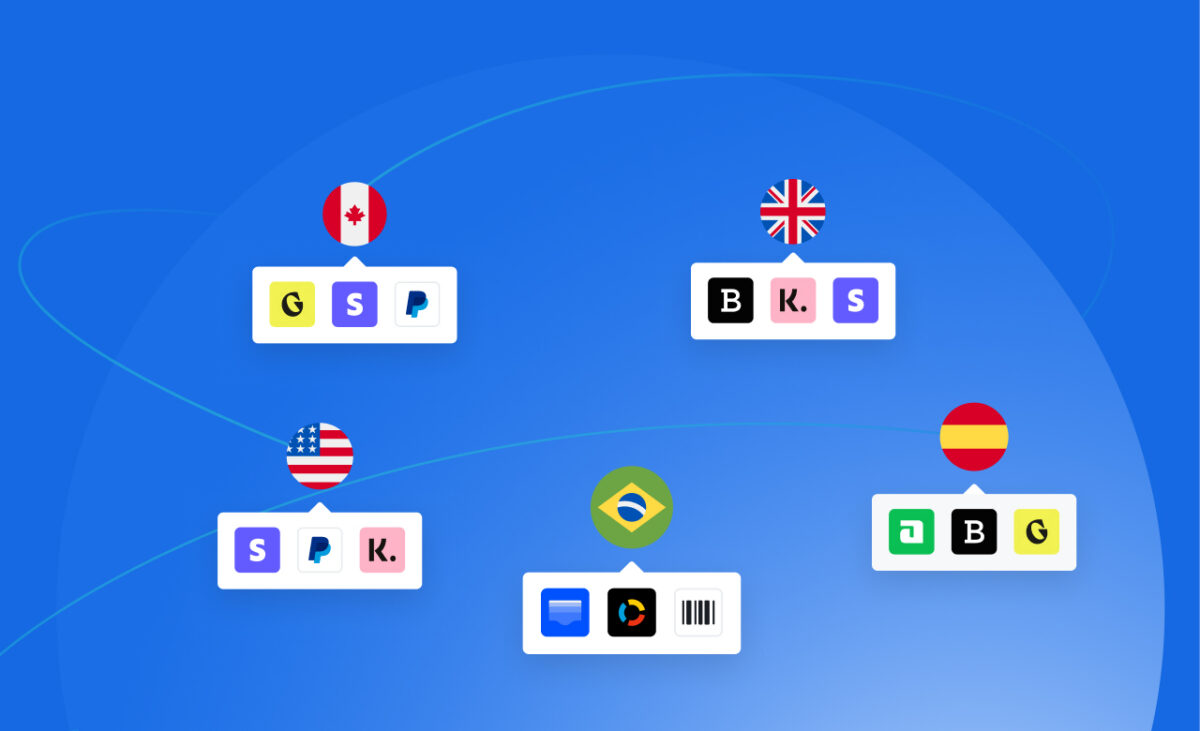
Gr4vy is a payments orchestration platform that allows you to make payments and manage your business. It helps you to mix and match different payment providers, customize the checkout experience, route and configure connections, manage fraud, have a dashboard to control transactions, offer regional payment options, store data as you wish, have a compliant single-tenant infrastructure, and optimize your payment solution.

The specific benefits of Gr4vy’s Cloud single tenancy refer to a deployment model in which a single customer is the sole user of a dedicated instance of a cloud service, separate from other customers. This deployment model can help solve data localization issues by providing customers with complete control and isolation over their data, including where it is stored, processed, and transmitted. In this way, customers can ensure that their data remains within the geographical jurisdiction they require and comply with data privacy and protection regulations, such as GDPR and HIPAA.

This deployment model offers several advantages, such as increased security, performance, and customization. In general, single-tenant infrastructure can be beneficial for organizations that require a high level of control and isolation over their data and applications or for those that need to comply with strict security and privacy regulations.

Google Cloud Platform (GCP) operates globally, with data centers and network points of presence in multiple regions worldwide. GCP operates in regions such as the Americas, Europe, Asia Pacific, Middle East, and Africa. 

Gr4vy uses Google Cloud Platform (GCP).  GCP implements various measures such as data residency, data protection, and compliance certifications meaning Gr4vy can work with you to satisfy data residency options where customers can store their data in specific geographical locations to meet data localization requirements. 

Additionally, GCP adheres to international security and privacy standards, such as ISO 27001 and SOC, and also offers services such as Cloud Key Management Service (KMS) to encrypt sensitive data. GCP works closely with local organizations and regulatory bodies to ensure compliance with local regulations and continues to evaluate and update its policies and practices as regulations evolve.

Single Tenancy vs. Saas Infrastructure

Single tenancy in cloud computing refers to a model where each customer or tenant has their own dedicated infrastructure, resources, and software instance, which is isolated from other tenants. On the other hand, SaaS (Software as a Service) is a model where multiple tenants share the same infrastructure and software instance.

Single tenancy in cloud computing can help prevent single points of failure compared to SaaS because:

Isolation: Single tenancy ensures that each tenant’s application, data, and resources are isolated from other tenants. This isolation helps prevent issues that affect one tenant from affecting other tenants. For example, if one tenant’s application crashes, it won’t affect other tenants.

Customization: Single tenancy allows each tenant to customize their application and infrastructure to their specific needs. This flexibility can help prevent issues that occur due to differences in requirements between tenants.

Control: With a single tenancy, tenants have more control over their application and infrastructure. This control allows them to take measures to prevent issues, such as scaling up or down resources as needed and implementing security measures and backups.

In contrast, in a SaaS model, multiple tenants share the same infrastructure and software instance, making it more vulnerable to a single point of failure. If the infrastructure or software instance fails, it can affect all tenants using that instance. Additionally, SaaS may not offer the same level of customization and control as single tenancy, limiting a tenant’s ability to prevent issues or recover from them quickly.

Multiple cloud instances can help prevent downtime in a few different ways:

High availability: Multiple cloud instances can be configured to provide high availability. This means that if one instance fails or goes offline, the workload can be automatically and seamlessly shifted to another instance, minimizing downtime.

Load balancing: Multiple cloud instances can be used to distribute workloads across the instances using load balancing. If one instance becomes overloaded or experiences issues, the workload can be automatically redistributed to other instances, reducing the risk of downtime.

Geographical redundancy: Multiple cloud instances can be deployed in different geographic locations, providing redundancy in case of regional outages or disasters. By distributing instances across multiple regions or availability zones, organizations can minimize the risk of downtime due to regional events.

Rolling updates: Multiple cloud instances can be updated or patched in a rolling fashion, one at a time, while the remaining instances continue to provide service. This can help prevent downtime due to software updates or maintenance.

Overall, the use of multiple cloud instances can provide redundancy, load balancing, and other benefits that can help prevent downtime and ensure high availability for critical workloads. However, it’s important to note that implementing multiple instances must be done properly, with appropriate redundancy and load balancing configurations, to ensure that they effectively prevent downtime.

Cloud infrastructure can be more cost-effective than SaaS-based infrastructure for several reasons:

Pay-per-use pricing: Cloud infrastructure providers typically offer a pay-per-use pricing model, meaning that customers only pay for the resources they use. This can be more cost-effective than SaaS-based infrastructure, where customers pay a flat fee for a set amount of resources, regardless of whether they use them all or not.

Scalability: Cloud infrastructure can be more scalable than SaaS-based infrastructure, allowing customers to scale up or down their resources as needed easily. This means that customers only need to pay for the resources they actually use rather than overprovisioning resources to handle potential spikes in demand.

Customization: Cloud infrastructure allows customers to customize their infrastructure to their specific needs. This means that customers can choose the specific resources they need, such as the type of storage or computing power, and only pay for those resources rather than paying for a pre-packaged set of resources they may not need.

Avoiding vendor lock-in: SaaS-based infrastructure often involves vendor lock-in, where customers are tied to a specific vendor and cannot easily switch to another vendor if their needs change. With cloud infrastructure, customers have more flexibility to switch providers and avoid vendor lock-in, which can help drive competition and reduce costs.

Overall, cloud infrastructure can be more cost-effective than SaaS-based infrastructure due to its pay-per-use pricing, scalability, customization, and avoidance of vendor lock-in. However, the specific cost-effectiveness of cloud infrastructure depends on factors such as workload demands, resource usage, and provider pricing.

If you’re ready to explore how an IaaS payment orchestration can support your payment strategy and future-proof your checkout, get in touch with our team for a full consultation with one of our experts. 

Waave Partners with Gr4vy to Introduce ‘Pay by Bank’ Solution in Australia’s Retail Sector

Gr4vy’s collaboration with Waave is shaping a new era in Australia’s retail payment landscape. Our joint effort is focused on introducing the ‘Pay by Bank’ solution, marking a significant stride in enhancing the way transactions are conducted in retail settings.

Barbeques Galore, an iconic name in Australian retail, is at the forefront of this change. They have smartly integrated the ‘Pay by Bank’ solution, a testament to their commitment to adopting innovative payment technologies. This integration is more than just a technology upgrade; it’s a strategic move to stay ahead in a rapidly evolving retail market.

Waave’s innovative payment method is a breakthrough in Australia, hinging on the principles of Open Banking. This method marks a substantial reduction in transaction costs for retailers. 

Barbeques Galore has been proactive in refining its business processes, especially in payment systems. They’re skillfully balancing the introduction of innovative technologies like Buy Now Pay Later with traditional payment options.

One of the most notorious aspects of Barbeques Galore’s approach is their effective management of increasing operational costs while maintaining growth in sales. They’re now looking to integrate Waave’s technology with their loyalty program, The Barbeque Legends Club, further enriching the customer experience.

John Lunn, CEO and Founder of Gr4vy, commented on the partnership, “We are delighted to partner with Waave in revolutionizing the Australian retail payment landscape. Our collaboration is a major step in embracing open banking, offering an advanced Pay by Bank solution. This aligns with our commitment to streamlining payment processes and simplifying the integration and maintenance for merchants.”

Ben Zyl, CEO and Co-Founder of Waave, emphasized their mission to transform the payment experience with Pay by Bank. He expressed his excitement to work with Gr4vy and leading retailers to provide customers with a swift, secure, and transparent payment method that doesn’t involve hidden charges or the sharing of card details.

Barbeques Galore’s adoption of ‘Pay by Bank’ is a prime example of how innovative payment solutions can redefine retail operations and customer experiences. This partnership between Gr4vy and Waave is a clear indication of the evolving nature of retail transactions, where adaptability and security are key.

Stay tuned for more updates on this exciting development in the retail payment sector. If you’re interested in learning how Gr4vy’s solutions can benefit your business, don’t hesitate to reach out to our team.