
(Updated – August 2026)
Payment orchestration is a technology layer that connects a merchant to multiple payment service providers, acquirers, and payment methods through a single integration, and routes each transaction to the option most likely to serve it best. Instead of building and maintaining a separate integration for every provider, a merchant connects once to the orchestration layer and controls how payments are routed, retried, and reconciled across all of them from one place.
That single idea, a control layer sitting between the merchant and its many payment providers, is what the rest of this guide unpacks: what payment orchestration is, how it works step by step, what it is genuinely good for, where its limits are, and how to tell whether a business actually needs it.
What is payment orchestration?
Payment orchestration is the practice of managing multiple payment providers through one unified platform that decides how each transaction is processed. The orchestration layer connects to a merchant’s payment service providers (PSPs), acquirers, gateways, payment methods, and fraud tools, and coordinates them, so the merchant operates one integration and one set of rules rather than a tangle of separate connections.
The category has grown quickly as payments have become more complex. Independent research from Grand View Research valued the global payment orchestration platform market at USD 1,386.9 million in 2023 and projects it to reach USD 6,520.4 million by 2030, a compound annual growth rate of 24.7%. That growth reflects a simple pressure: as businesses add providers, payment methods, and markets, managing each connection separately becomes unsustainable, and a coordinating layer becomes the practical way to keep control.
The essential distinction to hold onto is that orchestration is a layer rather than a processor. It does not replace a merchant’s PSPs or acquirers; it sits above them and decides which one handles each transaction. That is why orchestration is often described as a control layer or a payment orchestration layer, and it is the reason a business can adopt orchestration without abandoning the payment relationships it already has.
How does payment orchestration work?
Payment orchestration works by inserting a coordinating layer between the checkout and the payment providers, and applying rules and real-time data to route each transaction. Following a single payment through the layer shows what it does at each step.
Transaction initiation. A customer chooses a payment method at checkout and confirms the payment. The transaction enters the orchestration layer instead of going directly to a single hard-wired provider.
Routing decision. The orchestration layer evaluates the transaction against the merchant’s rules and live data, weighing factors such as the card type, the customer’s country, the cost of each available provider, and each provider’s recent approval performance. It then selects the provider most likely to approve the transaction at the best cost. This routing logic is the core of orchestration, and Gr4vy’s guide on intelligent payment routing covers how it is built and tuned.
Authentication and fraud checks. Where required, the layer applies authentication such as 3D Secure and passes the transaction through the merchant’s chosen fraud tools before it is sent for authorization.
Authorization. The selected provider sends the transaction to the customer’s issuing bank for approval, and the approve-or-decline response returns through the layer.
Retry and fallback. If the transaction is declined for a reason that another provider might approve, the orchestration layer can automatically retry it through an alternative provider or apply fallback logic, recovering payments that a single-provider setup would simply have lost.
Reconciliation and reporting. The layer records the transaction and consolidates data across every provider into one unified view, so reporting and reconciliation happen in one place instead of provider by provider.
The whole authorization sequence happens in the moment the customer waits, while the routing intelligence and the unified data operate continuously behind it.
What is a payment orchestration layer?
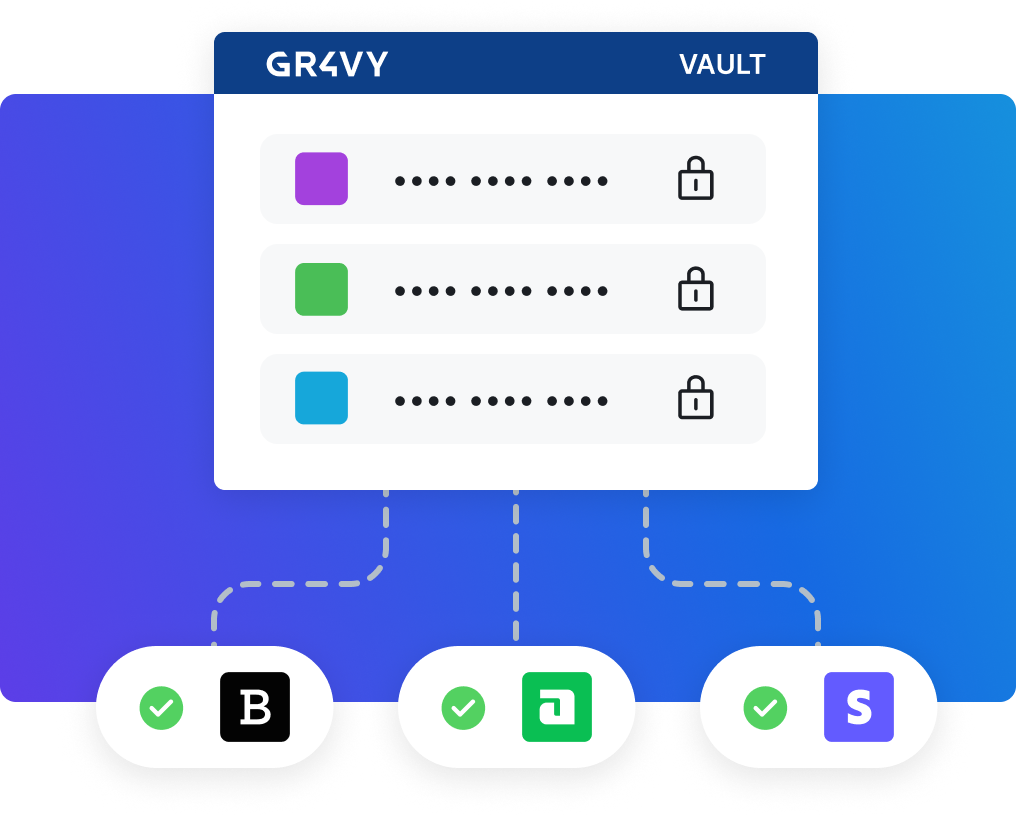
A payment orchestration layer is the technical framework that performs the coordination described above. It is the software that connects to all of a merchant’s providers, holds the routing rules, applies retries and fallback, stores payment credentials in a provider-agnostic way, and unifies reporting. When people refer to a payment orchestration platform, the orchestration layer is the engine inside it doing the work. The layer is what lets a merchant add or change a provider through configuration instead of a new engineering integration each time.
Benefits of payment orchestration
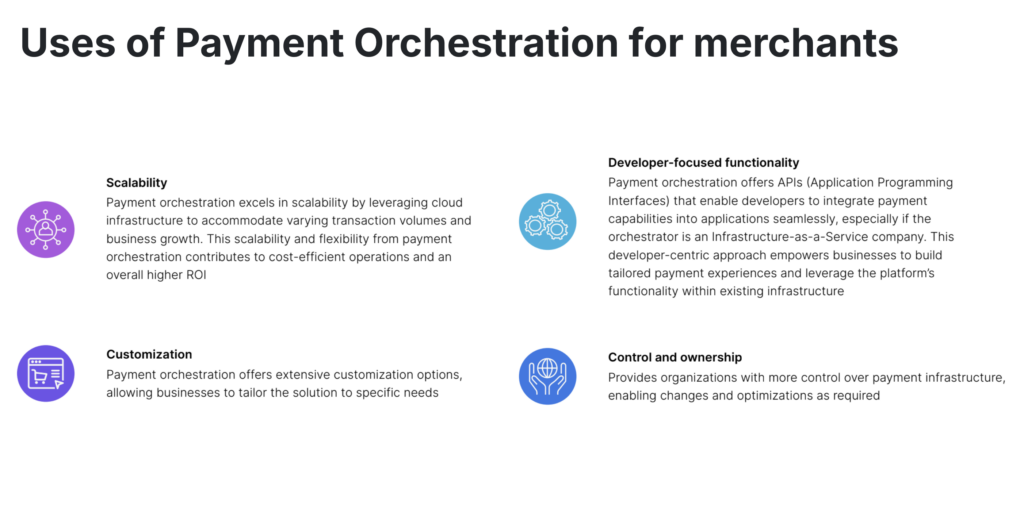
The benefits of payment orchestration come down to a few areas that matter directly to revenue and operations. Each follows from the same underlying capability: routing across many providers instead of depending on one.
Higher authorization and approval rates
Because the orchestration layer can send each transaction to the provider most likely to approve it, and retry declines through an alternative, it recovers revenue that a single-provider setup loses to avoidable declines. As a documented example, the Australian retailer Baby Bunting secured a 2.8% uplift in authorization rates within four months of moving to an orchestrated dual-acquirer setup with failover routing. Gr4vy’s guide on how to increase payment approval rates covers the mechanisms in more depth.
Lower payment processing costs
Routing introduces competition among providers and lets a merchant send each transaction along the lowest-cost path that will still get it approved, using local acquiring to avoid cross-border fees where possible. This turns payment cost from a fixed expense into something the business can actively manage.
Access to more payment methods and markets
The orchestration layer gives a merchant access to a wide range of payment methods, currencies, and local acquirers through one integration. Gr4vy, for instance, connects merchants to more than 400 payment providers, methods, and anti-fraud services. Adding a new method or entering a new market becomes a configuration change instead of a fresh engineering project, which is what makes fast expansion feasible.
Resilience and no single point of failure
Depending on one provider means one point of failure: if it has an outage, payments stop. By connecting several providers and rerouting around any that fail, orchestration removes that single point of failure and keeps payments flowing when a provider degrades. For a business where downtime is lost revenue, this resilience alone can justify orchestration.
Unified data and control
Running many providers separately fragments reporting and forces every change through engineering. Orchestration consolidates data across all providers into one view and lets payments teams build and adjust routing rules without code, which is the operational independence orchestration is meant to deliver.
Payment orchestration platform capabilities
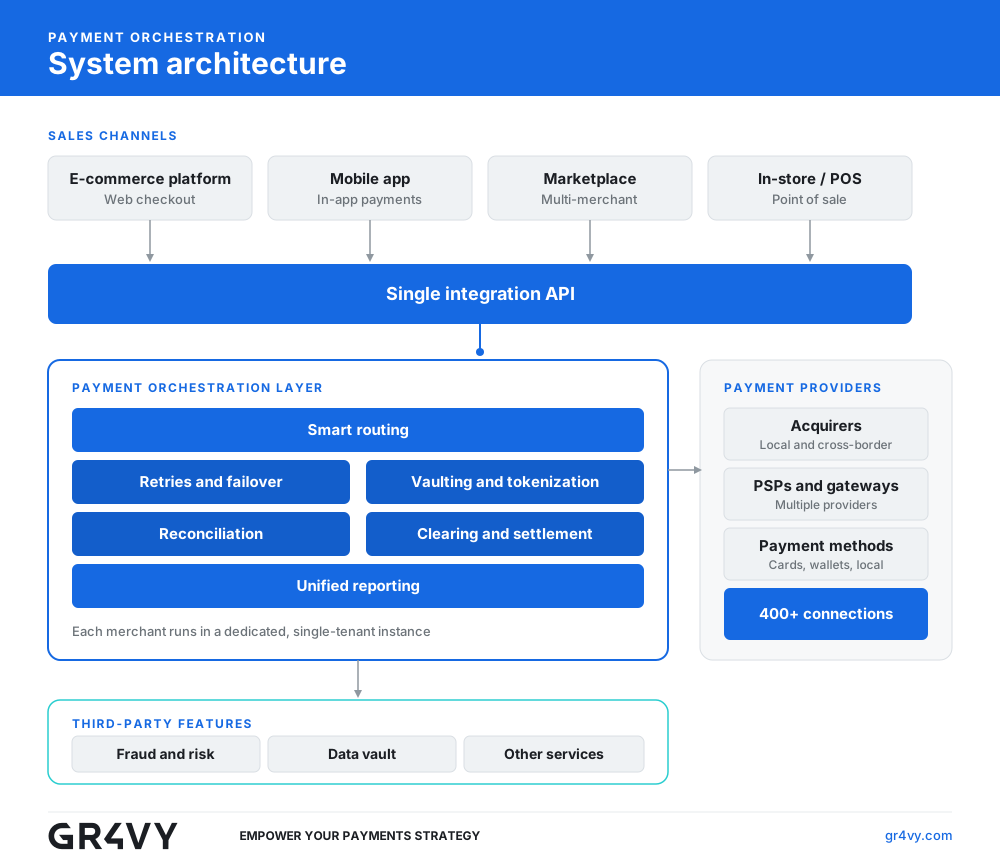
A payment orchestration platform typically bundles the orchestration layer with the tools a merchant needs to run it. The core capabilities to expect are a single integration to many providers and methods; a routing engine that can be configured without code; retry, failover, and fallback logic; provider-agnostic vaulting and tokenization of payment credentials; support for authentication such as 3D Secure; fraud-tool integration; and unified reporting and reconciliation across every connected provider.
Platforms differ in how they are architected, and the architecture has real consequences for security and control. Some platforms run all merchants together in a shared, multi-tenant environment. Others, such as Gr4vy, deploy a dedicated, single-tenant instance for each merchant, which isolates each merchant’s data and payment traffic and gives greater control over data residency and configuration. This distinction matters most for larger merchants and those in regulated markets, where data isolation and sovereignty are genuine requirements rather than nice-to-haves.
What payment orchestration does not solve
It is worth being clear about the limits, because orchestration is sometimes described as if it fixes everything, and it does not. Orchestration coordinates and routes payments; it does not, by itself, do the following.
It does not eliminate the underlying costs of the payment providers themselves; each provider’s fees still apply, and orchestration manages how they are used instead of removing them. It does not replace a merchant’s need for acquiring relationships or a merchant account. It cannot approve a transaction that every available provider would decline for a legitimate reason, such as genuinely insufficient funds. And it does not run itself: getting value from orchestration requires configuring the routing rules thoughtfully and maintaining them as provider performance changes. Understanding what orchestration does not do is as important as understanding what it does, because it sets realistic expectations for what adopting it will and will not change.
What payment orchestration does not solve
It is worth being clear about the limits, because orchestration is sometimes described as if it fixes everything, and it does not. Orchestration coordinates and routes payments; it does not, by itself, do the following.
It does not eliminate the underlying costs of the payment providers themselves; each provider’s fees still apply, and orchestration manages how they are used instead of removing them. It does not replace a merchant’s need for acquiring relationships or a merchant account. It cannot approve a transaction that every available provider would decline for a legitimate reason, such as genuinely insufficient funds. And it does not run itself: getting value from orchestration requires configuring the routing rules thoughtfully and maintaining them as provider performance changes. Understanding what orchestration does not do is as important as understanding what it does, because it sets realistic expectations for what adopting it will and will not change.
Challenges of payment orchestration
Alongside the benefits, adopting payment orchestration carries real challenges that a business should weigh honestly.
The first is implementation effort. Connecting a merchant’s existing providers into the orchestration layer takes configuration, testing, and integration work, and every provider added carries its own requirements. The second is cost: an orchestration platform carries its own fees (setup, subscription, or per-transaction), which sit on top of the underlying provider costs, so the case for orchestration rests on the routing and resilience gains outweighing that added layer of cost. The third is technical involvement: while good platforms let payments teams manage routing without code, the initial integration and ongoing operation still call for technical capacity. The fourth is dependency: placing an orchestration layer at the center of the payment stack means the platform’s own reliability and neutrality matter, which is why the platform’s uptime and whether it profits from routing decisions are worth scrutinizing during evaluation.
None of these is a reason to avoid orchestration, but each is a reason to adopt it deliberately, with a clear view of the effort and cost against the expected gain.
Do you need a payment orchestration platform?
Payment orchestration is not necessary for every business, and the honest answer to whether a business needs it depends on its situation.
The case for orchestration is strongest for businesses that sell across multiple countries, where local acquiring and local payment methods materially improve approval rates and reach; businesses using or planning to use more than one PSP or acquirer; businesses where payment downtime is costly enough that resilience justifies the investment; high-volume businesses where routing on cost and recovering declined transactions produces meaningful savings; and subscription businesses where recovering failed recurring payments directly reduces involuntary churn.
The case is weaker for small, single-market businesses with modest volume, a single provider that meets their needs, and no near-term plans to add providers or markets. For them, a single well-chosen PSP may be entirely sufficient, and the added cost and complexity of orchestration would not pay for itself yet. The right approach is to match the decision to the business’s actual payment complexity rather than adopting orchestration for its own sake.
Payment orchestration vs a single PSP
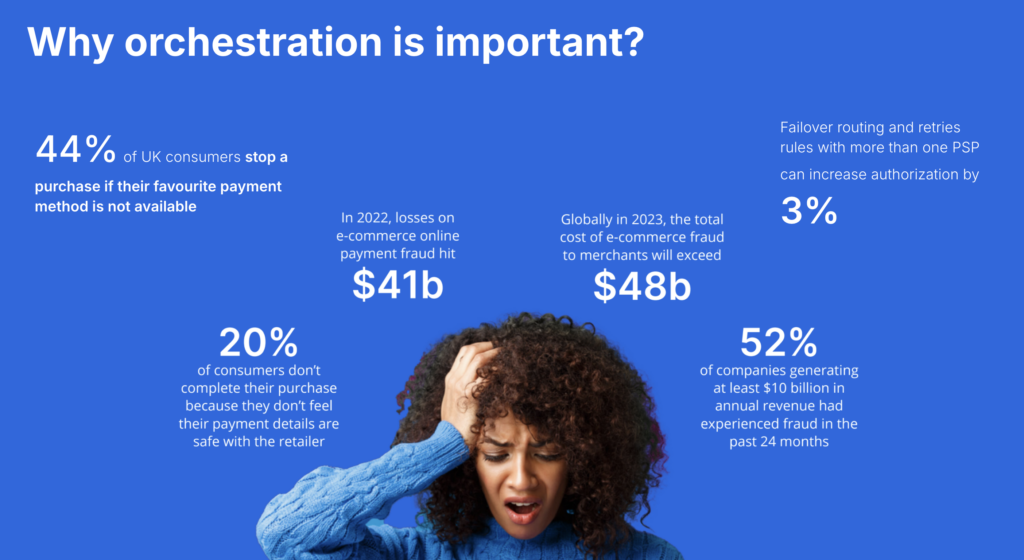
The most common alternative to orchestration is simply using one payment service provider that bundles a gateway, processing, and acquiring together. A single PSP is simpler to manage and can be a good fit for businesses with straightforward needs. The tradeoff is that it means one set of approval rates, one pricing relationship, and one point of failure, with limited ability to route for performance or add providers as the business grows. Orchestration trades some of that simplicity for control, redundancy, and the ability to optimize across many providers. For the detailed comparisons, see Gr4vy’s guides on payment orchestration vs a payment processor and payment orchestration vs payment aggregators.
How to choose a payment orchestration platform
If a business decides orchestration fits, the evaluation should weigh depth of coverage in its priority markets rather than raw connector count; the sophistication of the routing and recovery logic; whether the platform is genuinely neutral or profits from where transactions route; data ownership and portability; security and compliance, including PCI DSS Level 1 certification; reliability and redundancy; and how much the team can control without engineering involvement. Gr4vy’s guide on PCI DSS compliance and payment orchestration covers the security dimension, and the fuller set of evaluation criteria is worth working through before committing to a platform.
Payment orchestration and agentic commerce
Looking ahead, one of the developments making orchestration more relevant is the rise of agentic commerce, where AI agents shop, compare, and transact on a consumer’s behalf. Existing payment stacks were not built for agent-initiated transactions, and merchants need a way to identify, route, and control them separately from ordinary traffic. Because orchestration already sits at the control layer, it is well positioned to do this: agent transactions can be marked, routed through their own rules, sent to different providers or fraud tools, and held to specific limits, all without rebuilding the payment stack. Gr4vy has built an early version of exactly this, described in its guide on payment orchestration for agentic commerce. It is a useful illustration of the broader point that an orchestration layer lets a business adopt new payment developments through configuration rather than re-engineering.
Frequently asked questions
What is payment orchestration in simple terms?
Payment orchestration is a technology layer that connects a merchant to many payment providers through one integration and automatically routes each transaction to the provider most likely to approve it at the best cost. Instead of managing separate connections to each provider, the merchant manages one platform and one set of rules. It coordinates payments instead of replacing the providers themselves.
How does payment orchestration work?
It inserts a coordinating layer between the checkout and the payment providers. When a customer pays, the layer evaluates the transaction against the merchant’s rules and live data, routes it to the best-suited provider, applies authentication and fraud checks, and if the transaction is declined can retry it through another provider. It then consolidates the data from every provider into one unified view for reporting and reconciliation.
What is a payment orchestration layer?
A payment orchestration layer is the technical framework that connects to all of a merchant’s payment providers, holds the routing rules, applies retries and fallback, stores payment credentials in a provider-agnostic way, and unifies reporting. It is the engine inside a payment orchestration platform that does the coordination, and it is what allows a merchant to add or change a provider through configuration instead of a new engineering integration.
What are the benefits of payment orchestration?
The main benefits are higher authorization and approval rates (by routing to the best provider and retrying declines), lower processing costs (by routing on cost and using local acquiring), access to more payment methods and markets through one integration, resilience through the removal of a single point of failure, and unified data and control across all providers. The benefit that matters most varies by business.
Is payment orchestration a single point of failure?
Used correctly, orchestration reduces single points of failure rather than creating one, because it connects multiple providers and reroutes around any that fail. The consideration is the orchestration platform’s own reliability, since it sits at the center of the payment stack. This is why the platform’s uptime and redundancy architecture are worth evaluating, and why platforms are designed so the layer itself is resilient.
How much does payment orchestration cost?
An orchestration platform carries its own fees, which may be setup, subscription, or per-transaction, and these sit on top of the underlying costs of the payment providers themselves. The case for orchestration rests on the gains (higher approval rates, lower routing costs, reduced downtime, less engineering overhead) outweighing that added layer of cost, which is why the honest way to evaluate it is to model the specific expected gain against the specific cost for the business.
Do all businesses need payment orchestration?
No. Orchestration is most valuable for businesses selling across multiple markets, using more than one provider, running high volume, or depending on recurring payments. A small, single-market business with one provider that meets its needs may find a single PSP entirely sufficient, and the added cost and complexity of orchestration would not yet pay for itself. The decision should match the business’s actual payment complexity.
What is the difference between payment orchestration and a PSP?
A payment service provider (PSP) processes payments, often bundling a gateway, processing, and acquiring. Payment orchestration is a layer that sits above multiple providers, including PSPs, and routes between them. A single PSP is simpler but means one set of approval rates and one point of failure; orchestration adds control, redundancy, and the ability to optimize across many providers. Some businesses use a PSP directly; others use orchestration to coordinate several.
Does payment orchestration replace my payment providers?
No. Orchestration is a coordinating layer rather than a processor. It sits above a merchant’s existing PSPs, acquirers, and gateways and decides which handles each transaction, so a business can adopt orchestration while keeping the payment relationships it already has. It manages how providers are used rather than replacing them.
How does payment orchestration help with international expansion?
Entering a new market requires supporting local payment methods and, ideally, local acquiring for higher approval rates. Orchestration provides access to those methods and acquirers through one integration, so adding a market becomes a configuration step instead of a separate engineering project for each country. This is one of the most common reasons cross-border businesses adopt orchestration.
Where payment orchestration is heading
Payment orchestration began as a way to manage the growing complexity of digital payments, and it has become the control layer through which many merchants run their entire payment operation. The core value has stayed constant: connect many providers through one integration, route each transaction intelligently, add resilience, and keep ownership of the data and the decisions. What changes is the range of things that control layer can do, from lifting approval rates and cutting costs today to coordinating agent-initiated transactions as commerce shifts toward AI.
For a business, the practical question is not whether orchestration is impressive in the abstract but whether its own payments are complex enough to benefit: multiple providers or markets, meaningful volume, costly downtime, or recurring billing to protect. Where those conditions hold, orchestration turns a fragmented, engineering-bound payment operation into one a team can control and optimize directly.
Gr4vy is a cloud-native payment orchestration platform that connects merchants to more than 400 payment providers and methods through a single integration, with each merchant running in its own dedicated instance for control over data and configuration. To talk through whether orchestration fits your payment operation, get in touch with our team.