
Consumer expectations are continually reshaping how merchants treat payment experience. To support higher completion rates and stronger long-term loyalty, merchants must ensure their checkouts are designed around visible trust signals, predictable costs, and frictionless flows.
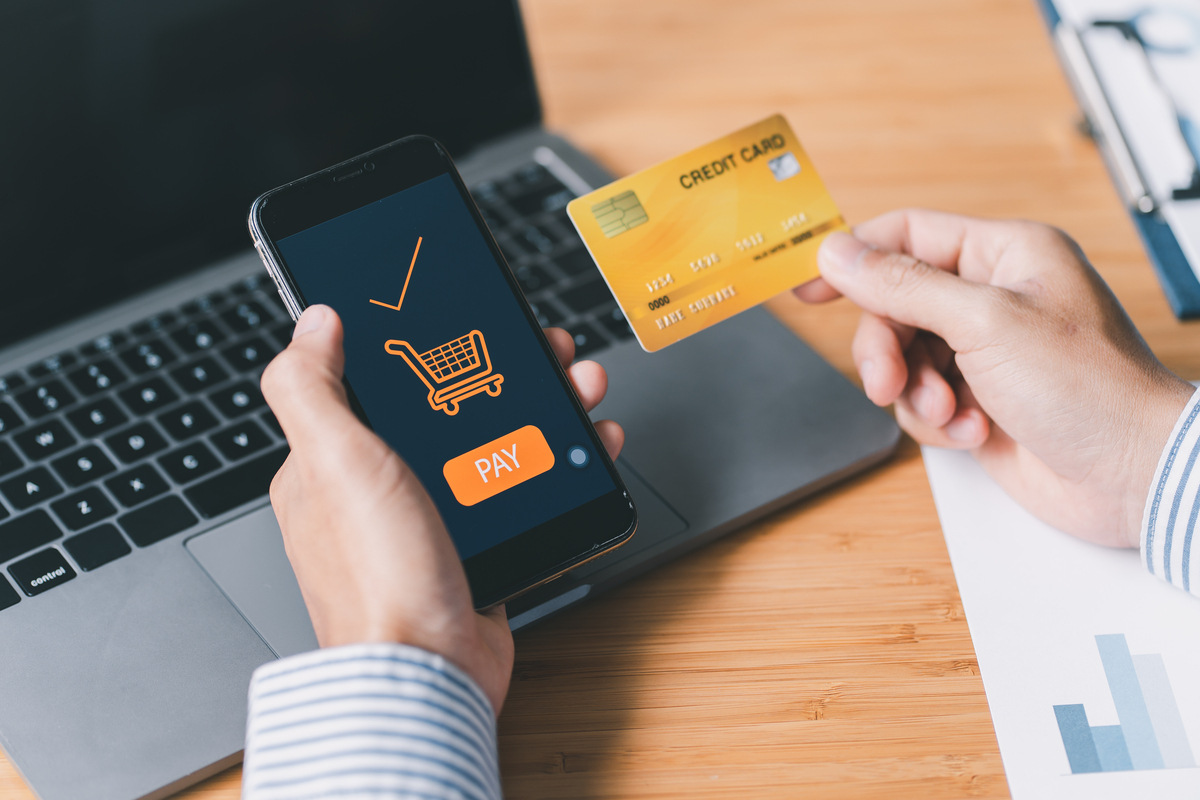
Consumer preferences continue to shape the adoption of payment methods, creating a direct impact on conversion and revenue. The availability of preferred payment methods is now a significant distinction, as it influences 70% of online shoppers when they make their purchases. Consumers expect convenience, and when checkout appears complicated or slow, it decreases the purchase intent, resulting inabandonment and loss of sales.
Furthermore, if a payment method comes across as transparent and trustworthy right at the beginning of checkout, consumers are more likely to complete the transaction. On the other hand, uncertainty toward the end of the checkout process may lead to abandonment.
These experiences, together, demonstrate that modern-day payment performance is not only an operational capability; it’s experiential and has a large effect on driving confidence in completion of transactions and creating long-term loyalty.
Trust: The Currency Behind Every Transaction
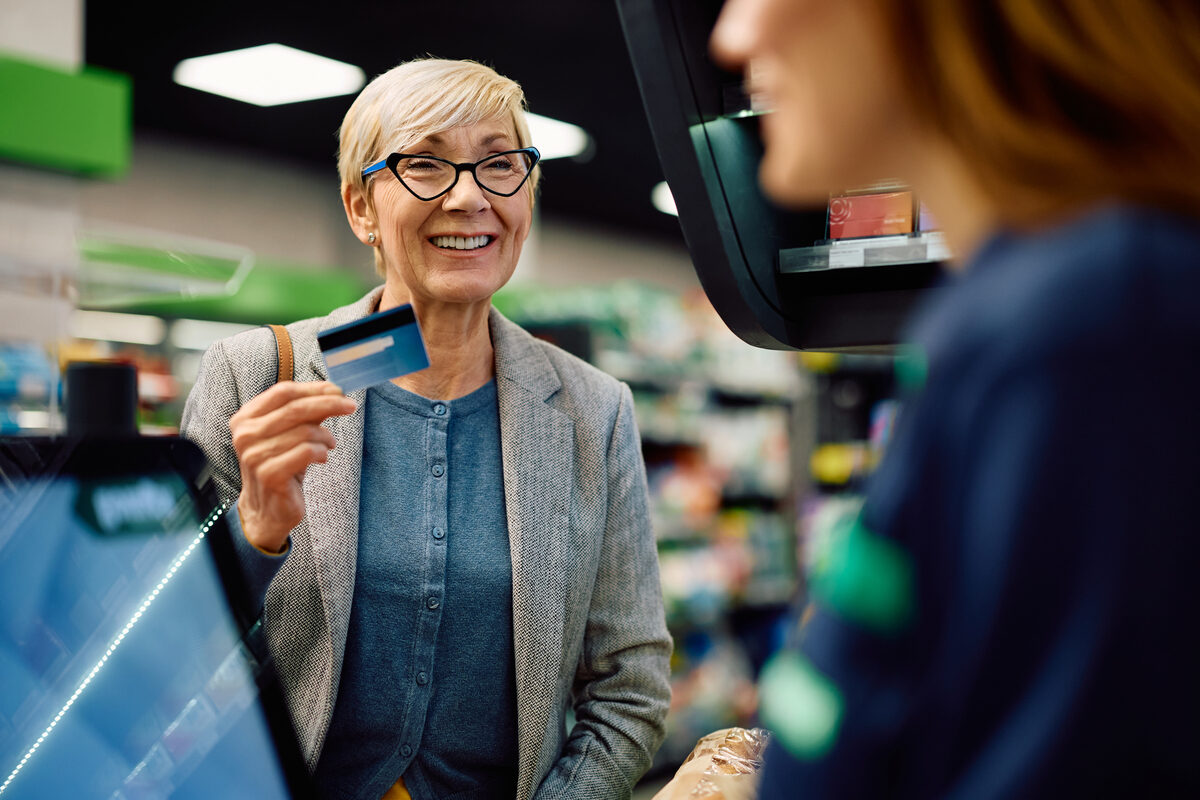
When transacting initially, consumers often assess the level of risk associated with the available payment method through security, reliability and the available dispute resolution mechanisms. If they are able to find familiar payment options, authorize seamlessly, and get clear confirmation messaging, they are more assured about the success of the transaction. Clear refund policies, dispute resolution mechanisms, and easy-to-understand support mechanisms further increase consumer confidence, increasing their likelihood to complete the purchase willingly. Once the consumers feel that the overall payment experience is safe and predictable, they are more comfortable making repeat purchases.
To convert this trust into long-term loyalty, merchants should design a checkout strategy that includes visible protections, transparent policies, and trustworthy performance.
Speed: Reduces Friction to Capture Intent
Any lag in accepting payment, redundant steps, and lack of acknowledgement about the status of their payment can disrupt the buying process, leading to lost sales. Because there are direct costs associated with checkout friction, merchants must optimize payment strategy to maximize overall consumer experience rather than just opting for a technical upgrade.
By speeding up the authorization process, reducing the number of unnecessary steps, and providing consumers with immediate confirmation of their transactions, merchants can improve overall satisfaction, preserve conversion rates, and ensure that the consumer’s intent to purchase is captured before it weakens.
Transparency: Builds Confidence Through Clarity
Lack of clarity about applicable fees, hidden charges, or vague processing timelines can create uncertainties that can lead to abandonment. On the other hand, predictable payment flows allow consumers to complete the purchase process with assurance. As such, customers expect clear, upfront information on fees, timing, and status of transactions, as it helps reduce mental friction that can otherwise adversely affect the purchase decision.
Clear cost details also help consumers track the progress of the transaction easily, making the overall experience feel controlled and trustworthy. Predictable pricing reduces hesitation and allows consumers to make an informed choice and complete the purchase. Therefore, communication about pricing and payment status not only improves consumer confidence but also leads to better conversion rates and enhances brand reputation.
Alternative Rails: Help Meet Consumers Where They Prefer to Pay
More and more consumers are now using A2A (Account-to-Account) and real-time payments for the speed, simplicity, convenience, and greater control they offer. These payment rails are more direct with fewer steps, enabling faster conversion of intent into completion. As consumers become comfortable moving beyond traditional card flows, instead of habit the choice of payment relies more on the context, such as the simplest, fastest, and the safest, payment option for the situation.
By including acceptance of alternative rails, merchants can gain practical advantages while also improving customer experience. Real-time and bank-based options offer faster settlement times, reduce processing friction, and increase the flexibility in how payments are initiated and confirmed. When consumers are able to find their preferred payment methods, they are less likely to hesitate in completing a purchase and the checkout process appears more flexible than restrictive. Offering a wider range of payment options enables merchants to demonstrate mindfulness for consumers’ evolving expectations and capture intent while also providing a sense of convenience and control.
Wallets: Design Around Consumer Habits
From an optional-add on, digital wallets are now becoming the default payment method. This is largely due to the familiarity, ease of authentication, and minimal effort flow that they offer. Consumers often choose digital wallets out of habit, which reduces friction.
Superior digital wallet experiences make the checkout processes easier by allowing customers to authenticate faster and confirm their purchases with one tap. This enhances customer loyalty through stored preferences and offering a familiar purchase ecosystem. When customers are able to use the payment option they are used to, it makes the entire purchase process more seamless and intentional, allowing merchants to improve conversions.
The Post-Card Consumer: Experience Over Instrument
The post-card consumers often prefer a seamless payment experience over the instrument itself. They expect the transactions to feel embedded, one-click, and almost invisible. Younger buyers, especially, demand for payment flows that require less effort and minimize interruption.
This has given rise to a new standard for payment processing that goes beyond simple card acceptance to frictionless completion. By designing a checkout that ensures continuity and ease of use, merchants can support payment processes that facilitate capturing the consumers’ intent to buy.
Operational Implications: Align Payments with Behavior
Payment performance should be evaluated on how secure, fast, and clear the entire transaction has felt for the customer at checkout. Weaknesses in any one of these areas can disrupt completion. To maintain the buying momentum, it is, therefore, essential to design systems where speed, transparency, and trust work together.
As consumer preferences shift, businesses must be able to adapt. This is where flexible orchestration can help businesses optimize multiple payment paths without continual rebuilds. Once the operations are built around customer behaviors, payment processes evolve from a backend function to a strategic driver of conversions.
Looking Ahead: Design Payments Around Consumer Expectations
The payment preferences of consumers will continuously diversify. This only means businesses must not only support payment methods that align with the context but also maintain a standardized checkout experience. As a result, they need an adaptive infrastructure that can evolve quickly with shifting consumer expectations to preserve trust, deliver speed, and maintain transparency.
Businesses that design their payment processes around how customers think, decide, and transact will be better positioned to develop resilience and gain a competitive advantage in a market where experience drives customer loyalty. The future of payments will belong to businesses that can define adaptability as a core component of their strategy. Explore how Gr4vy helps businesses modernize payment infrastructure to align with changing consumer behavior. Turn payment experience into a growth engine with Gr4vy. Contact us now.